



The Air Inside Your Niagara Home Is Probably Dirtier Than You Think
We’re surrounded by vineyards, orchards, and Lake Ontario breezes, so we assume the air is clean. But the moment we shut the windows and doors, all the dust, pet hair, cooking smells, cleaning chemicals, mould spores, and off-gassing from furniture get trapped and recirculated over and over.
I’ve seen it change lives:
• A toddler in Thorold who used to need his puffer every night stopped needing it after we fixed their air quality.
• A dental office on St. Paul Street that had staff calling in with “mystery headaches” every afternoon gone in a week.
• A 1930s house in old St. Catharines that always smelled “damp” no matter how much they cleaned turned out to be hidden mould in the ductwork.
So let’s talk straight about what’s really in your air right now, why it matters more than you think, and the practical steps that make the biggest difference — no hype, just stuff that actually works.
The 7 Invisible Enemies Hiding in Your Air (And Where They Come From)
1. Dust mites & pet dander If you have a dog that sheds or kids who wrestle on the carpet, you’re breathing millions of tiny skin flakes every day. They’re the #1 cause of year-round allergies.
2. Pollen that sneaks in and never leaves Spring ragweed, summer grasses, fall goldenrod — it blows in when you open the door and gets trapped forever.
3. Mould & mildew (even if you can’t see or smell it)Niagara humidity + cold basement walls + weak bathroom fans = the perfect mould farm. One of our techs found black mould growing inside the ductwork of a “spotless” house last month.
4. VOCs (the “new house” or “new car” smell that isn’t harmless)Paint, laminate flooring, furniture, cabinets, cleaning sprays, plug-in air fresheners, scented candles — they all release chemicals for months or years.
5. Cooking fumes & smoke particles Love bacon? Garlic? Wood-burning fireplace? Those microscopic grease and smoke particles coat your lungs and furniture.
6. Carbon monoxide & combustion gases From furnaces, water heaters, gas stoves, attached garages. You can’t see it, smell it, or taste it — but it’s there if things aren’t vented perfectly.
7. Viruses, bacteria, and whatever the kids dragged home from school We all got a crash course in airborne germs in 2020–2022. They don’t magically disappear when the pandemic headlines do.
How Poor Air Quality Actually Feels in Real Life
You might not have black mould on the walls, but if you regularly deal with any of these, your air is trying to tell you something:
• Waking up stuffy or with a sore throat
• Headaches that go away when you leave the house
• Kids who are “always sick” in winter
• That lingering “stale” or “musty” smell no amount of Febreze fixes
• Eyes that burn when you first turn on the furnace in fall
• Dust on furniture 48 hours after you just cleaned
The One Thing Almost Everyone Gets Wrong: Ventilation
We build houses tighter and tighter for energy efficiency (which is great), but we forget to give them lungs.
Without proper fresh-air exchange, all those pollutants just build up. Opening windows works in April and October… but not when it’s –15 °C or 35 °C + humidity, nobody’s cracking a window.
That’s why the #1 upgrade we recommend in almost every home is some form of mechanical ventilation:
→ HRV (Heat Recovery Ventilator) – great for cold, dry winters→ ERV (Energy Recovery Ventilator) – perfect for our humid Niagara summers because it controls moisture too
These units quietly swap stale indoor air for fresh outdoor air while keeping your heat or cool inside. Most customers say the house feels “fresher” within 24 hours.
Practical Strategies That Actually Move the Needle
Here’s what we install and recommend every single week — ranked by biggest impact:
1. Upgrade your filtration (this one is non-negotiable)The standard builder-grade filter is basically a rock catcher. Switching to a MERV-13 filter or adding a whole-home air cleaner (Carrier Infinity, Lennox Pure Air, etc.) removes 95–99 % of particles — including viruses.
2. Add real purification
— UV lights inside the ductwork kill mould and bacteria on contact
— Photocatalytic systems (REME HALO, iWave) actively destroy VOCs and odours
— Standalone HEPA units for bedrooms if someone has severe allergies
3. Control humidity like your health depends on it (because it does)Ideal range: 40–50 %.Too dry → bloody noses, static shocks, cracked wood work Too humid → mould, dust mites, that “heavy” feeling Solution: whole-home humidifier in winter + dehumidifier in summer (or an ERV that does both)
4. Go ductless for problem rooms Mini-splits have hospital-grade filtration built into every head. We put them in finished basements, sunrooms, and older homes without ducts all the time.
5. Switch to cleaner combustion
— Direct-vent gas fireplaces (no chimney = no backdrafting)
— Sealed-combustion furnaces and water heaters that pull air from outside
6. Simple daily habits that cost nothing
— No shoes in the house (cuts tracked-in pollutants by 85 %)
— Exhaust fans on when showering or cooking (and leave them 20 min after)
— Vacuum with a HEPA filter, not a regular one
— Choose low-VOC or zero-VOC paint and cleaners
Real Stories from Your Neighbours (Because Numbers Are Boring, People Are Not)
→ A family in Welland with two asthmatic kids installed an ERV + whole-home purifier. Mom called crying happy tears three weeks later: “They haven’t used their puffers once since you left.”
→ A winery tasting room in Niagara-on-the-Lake used to smell “musty” no matter what they did. We added UV lights and a high-MERV system — now guests walk in and say “Wow, it smells so clean in here!”
→ An older couple in Niagara Falls had headaches every evening. Turned out their 25-year-old furnace was spilling small amounts of CO. New sealed-combustion unit + CO monitor = headaches gone overnight.
→ A brand-new home in Fonthill (yes, new builds can have terrible air too) had crazy-high VOCs from flooring adhesive. An ERV and air scrubber dropped levels by 90 % in a month.
How to Know If Your Air Needs Help (Free 15-Minute Test You Can Do Tonight)
1. Hold a tissue in front of a supply vent when the fan is running. Does it barely move? Weak filtration/airflow.
2. Shine a flashlight across a room at night with the lights off. See beams of dust dancing? That’s what you’re breathing.
3. Check your humidity with a $15 digital gauge from Canadian Tire. Over 60 % in summer or under 30 % in winter = problems.
4. Look at your furnace filter. If it’s grey or black after a month, you’re filtering nothing.
Your Next Step (It’s Easier Than You Think)
You don’t have to live with stale, stuffy, or irritating air.
Pick up the phone and call or text us at (289) 228-2688 and say “I want the free indoor air quality check.”
We’ll come out (no charge, no sales pitch) and:
• Test for particulates, CO, humidity, and VOCs
• Look at your furnace, ducts, and ventilation with a camera
• Show you exactly what’s going on (with photos)
.png)

Customer Testimonials

I have used Niagara Home heating for multiple projects for over 16 years. John and his staff are absolutely the best. I tell all my friends and family about Niagara Home Heating because you won’t get any better service or pricing anywhere in Niagara. He has saved me thousands and thousands of dollars and has never let me down.

Very efficient company. I needed an old solar water heater removed from my roof. They were quick to book an appointment for the next day after I sent photos. They were very knowledgeable of the issue. The 2 guys that came were friendly and competent with the job, including removal of all parts.
I had an issue with my hot water tank and called Niagara Home Heating. Their service was fantastic and reasonably priced—exactly how a business should be run!
I called John today at 2:pm as my AC was not working and I wasn’t expecting even a call back as I knew with this hot weather we have had he would be swamped with calls. Well he called me back and showed at 8:pm on the same day to fix my AC. That is just incredible service and how much John really cares about his clients. Thank you John !
We had an amazing experience getting our new furnace installed with Niagara Home Heating. The owner was very helpful, their quote was more then competitive and the technician who installed the unit was professional and friendly. I would recommend their services.
Lifesavers!! The AC in our house decided to quit the day we were passing the keys to the new owners!! Instead of making a service call to the house, John coached me through the minor repair over the phone, saving me the money and time waiting for a repair person to come.Much appreciated! Thanks again John

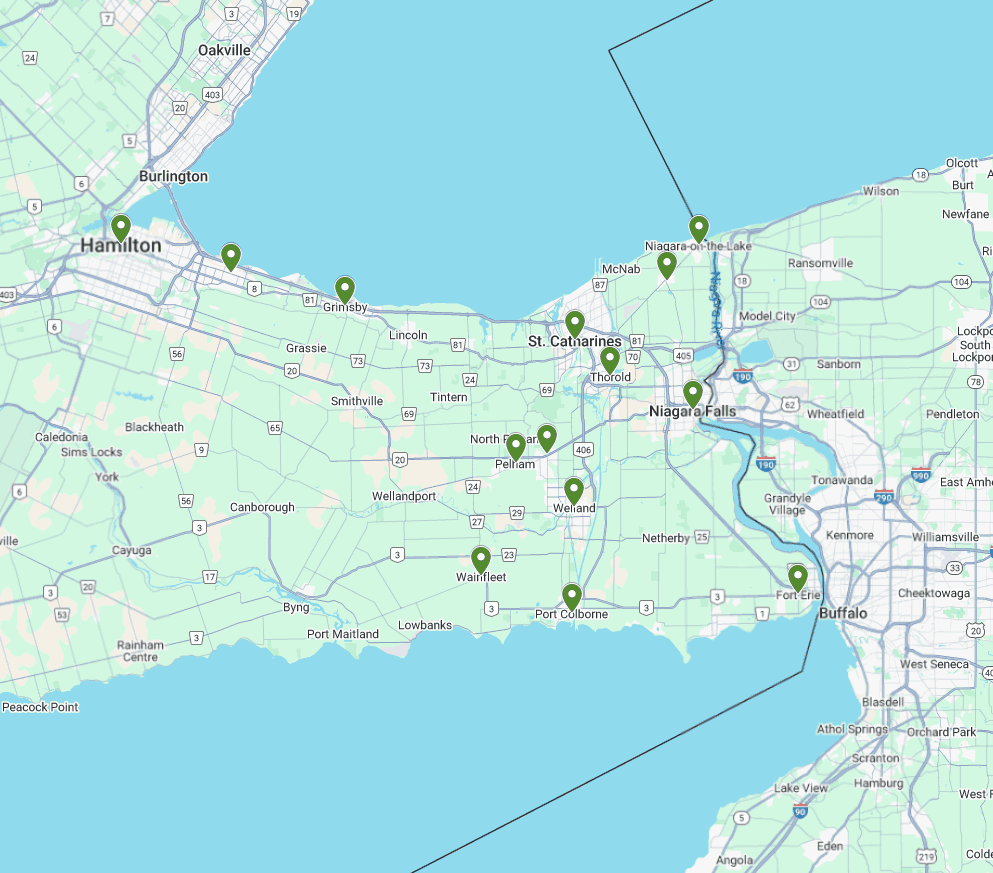
Service Areas
Our service areas encompass a wide range of locations, ensuring that we can meet the needs of our clients wherever they are. From bustling urban centers to serene rural landscapes, we are committed to providing top-notch services tailored to each unique environment.