



HVAC Services in Thorold, ON
Living and working in Thorold means dealing with a climate that swings from cold, snowy winters to hot, humid summers. Reliable HVAC services in Thorold, ON are essential to keep your home comfortable, safe, and energy efficient year round. Whether you need fast emergency furnace support, routine preventative maintenance, a full-system replacement, or expert installation of a heat pump or ductless system, this service overview explains common problems, how professional technicians diagnose and fix them, and what to expect from a quality local HVAC provider.

Common HVAC issues in Thorold homes
Thorold houses — from century homes near downtown to newer builds in subdivision areas — commonly face these problems:
- Furnace failure during cold snaps, often caused by cracked heat exchangers, failed ignition, or blocked combustion air
- Air conditioners that blow warm air or cycle frequently because of low refrigerant, dirty coils, or failed compressors
- Uneven temperatures and poor airflow from duct leaks, undersized equipment, or improper zoning
- Reduced indoor air quality during humid summers: mold, musty odors, and high dust levels
- Heat pump performance drops in extended cold spells or if outdoor units are iced over
- Hot water tank and boiler issues in older homes with aging equipment
Understanding these issues helps prioritize the right service: fast diagnostics for emergency failures, targeted repairs for common malfunctions, and replacement when systems are past their useful life.
Our HVAC services: what’s included
- Diagnostics and repairs: Comprehensive inspection with digital diagnostics to pinpoint electrical faults, airflow problems, refrigerant leaks, and safety concerns. Repairs include component replacement, control board diagnostics, refrigerant recovery and recharge, and combustion safety testing.
- Preventative maintenance: Seasonal tune-ups that optimize efficiency and reliability. Typical maintenance includes cleaning coils and burners, lubricating moving parts, inspecting heat exchangers, checking gas pressure and electrical connections, and verifying system controls.
- Full-system replacements: Professional evaluation to recommend right-sized furnaces, air conditioners, or heat pumps based on load calculations and budget. Installations follow manufacturer specifications and local code requirements for ventilation and combustion.
- Heat pump installations and service: Cold-climate heat pumps and hybrid systems are increasingly a good fit for the Niagara region. Services include sizing, line-set installation, defrost cycle optimization, and reversing valve checks.
- Ductless (mini-split) installations: Ideal for additions, historic homes without ductwork, or targeted zone control. Services include multi-zone planning, condenser siting, and refrigerant-tight brazing and testing.
- Indoor air quality products: Whole-home filtration, UV germicidal lights, mechanical ventilation, and dehumidification options to address humidity and airborne contaminants common in humid summers.
- Emergency furnace support: Rapid response procedures for no-heat situations, carbon monoxide safety checks, and temporary heating solutions when immediate replacement is needed.
Typical service process
- Initial assessment and diagnostics: A technician performs a thorough inspection and documents findings — operational checks, safety tests, and system history.
- Transparent recommendations: Clear explanation of repair vs replace options, expected outcomes, and efficiency implications for each choice.
- Professional work and protection: Installations and repairs follow best practices — protecting floors and furnishings, securing permits when required, and following manufacturer installation checklists.
- Verification and follow-up: Post-service testing to ensure correct operation, safety verification (including venting and CO testing), and guidance on routine care to maintain performance.
Technician qualifications and safety protocols
High-quality HVAC service relies on experienced, certified technicians. Expect technicians to have:
- Formal HVAC training and continuing education on new technologies and refrigerant handling
- Licensing and certifications required by provincial regulations for gas and refrigeration work
- Background checks, uniformed presentation, and clear identification
- Strict safety protocols on every visit: electrical lockout/tagout, gas leak testing, combustion safety checks, proper disposal of old equipment, and jobsite cleanliness
- Infection-control and customer-safety measures as standard practice, including protective boot covers, drop sheets, and sanitization of touchpoints
These practices reduce risk, protect your home, and ensure safe, code-compliant installations.
Why system selection matters in Thorold
Thorold’s climate and housing stock influence the best HVAC choices:
- Heat pumps can offer efficient year-round performance but need proper sizing and defrost controls for colder periods.
- High-efficiency furnaces (AFUE ratings) paired with smart thermostats are effective for families in older homes or where gas remains the preferred fuel.
- Ductless systems are a strategic solution for additions, finished basements, or homes without existing ductwork.
- Proper duct sealing and insulation are often the most cost-effective improvements to reduce energy waste and improve comfort in older Thorold homes.
- Addressing humidity with dehumidifiers or balanced ventilation helps prevent mold issues and improves comfort during summer.
Selecting the right combination of equipment and controls reduces energy costs and improves comfort across seasons.
Maintenance advice and long-term benefits
Routine maintenance keeps systems running efficiently and extends equipment life. Key recommendations:
- Schedule professional tune-ups at least once per year for furnaces and air conditioners; twice per year if you use both heating and cooling extensively.
- Replace standard HVAC filters every 1–3 months; high-efficiency filters may require different schedules.
- Keep outdoor units clear of snow, leaves, and vegetation to maintain airflow and prevent damage.
- Watch for early warning signs: unusual noises, rising utility bills, frequent short cycling, and visible rust or leaks.
- Proper maintenance improves indoor air quality, reduces emergency repairs, preserves warranties, and lowers operating costs.

Customer Testimonials

We had an amazing experience getting our new furnace installed with Niagara Home Heating. The owner was very helpful, their quote was more then competitive and the technician who installed the unit was professional and friendly. I would recommend their services.

I have used Niagara Home heating for multiple projects for over 16 years. John and his staff are absolutely the best. I tell all my friends and family about Niagara Home Heating because you won’t get any better service or pricing anywhere in Niagara. He has saved me thousands and thousands of dollars and has never let me down.
I called John today at 2:pm as my AC was not working and I wasn’t expecting even a call back as I knew with this hot weather we have had he would be swamped with calls. Well he called me back and showed at 8:pm on the same day to fix my AC. That is just incredible service and how much John really cares about his clients. Thank you John !
I had an issue with my hot water tank and called Niagara Home Heating. Their service was fantastic and reasonably priced—exactly how a business should be run!
Very efficient company. I needed an old solar water heater removed from my roof. They were quick to book an appointment for the next day after I sent photos. They were very knowledgeable of the issue. The 2 guys that came were friendly and competent with the job, including removal of all parts.
Lifesavers!! The AC in our house decided to quit the day we were passing the keys to the new owners!! Instead of making a service call to the house, John coached me through the minor repair over the phone, saving me the money and time waiting for a repair person to come.Much appreciated! Thanks again John

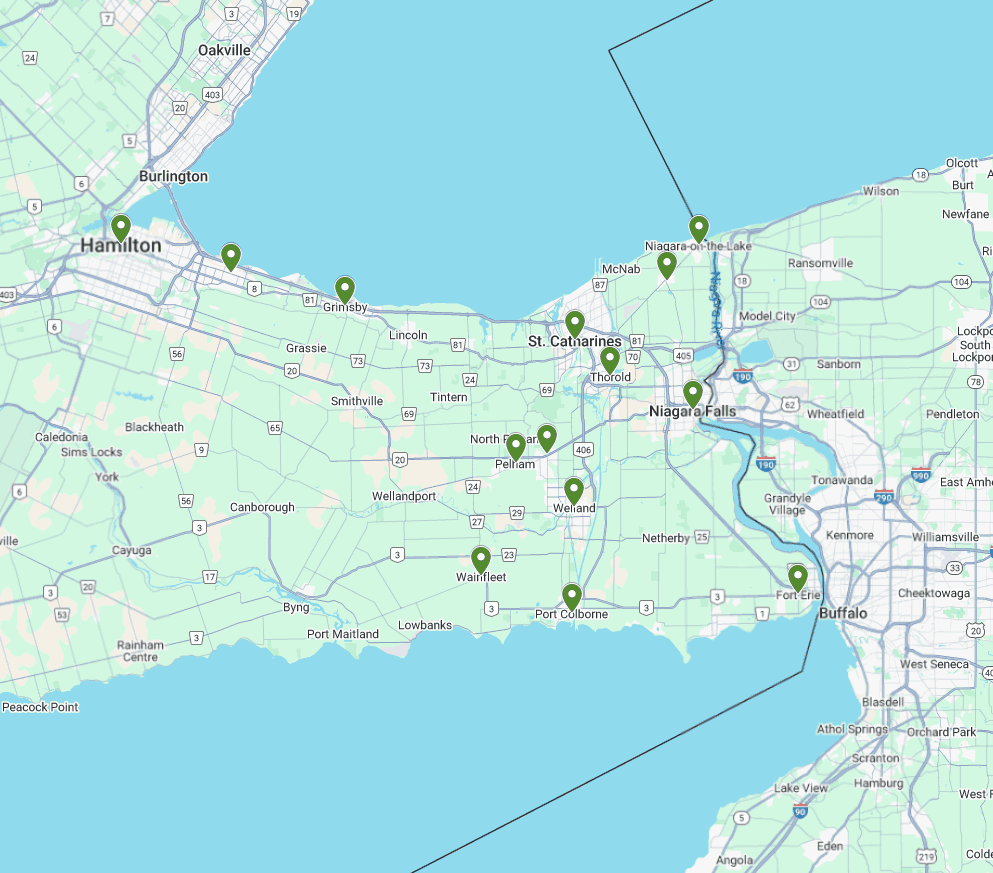
Service Areas
Our service areas encompass a wide range of locations, ensuring that we can meet the needs of our clients wherever they are. From bustling urban centers to serene rural landscapes, we are committed to providing top-notch services tailored to each unique environment.