



Furnace Repair in Niagara Falls, ON
Is your furnace failing to heat your home properly? Experiencing strange noises, inconsistent temperatures, or sudden breakdowns? Don’t wait until the cold worsens; our licensed technicians in Niagara Falls, ON provide fast, reliable furnace repair with transparent estimates and thorough diagnostics to get your heating system back up and running safely and efficiently. We understand the urgency of furnace issues during Niagara Falls’ harsh winters and are ready to solve your heating problems promptly. Contact us now for expert furnace repair and restore your home’s comfort today.
Get your furnace repaired quickly and safely by trusted professionals. Schedule your service now and avoid costly breakdowns this winter.
Furnace Repair in Niagara Falls, ON
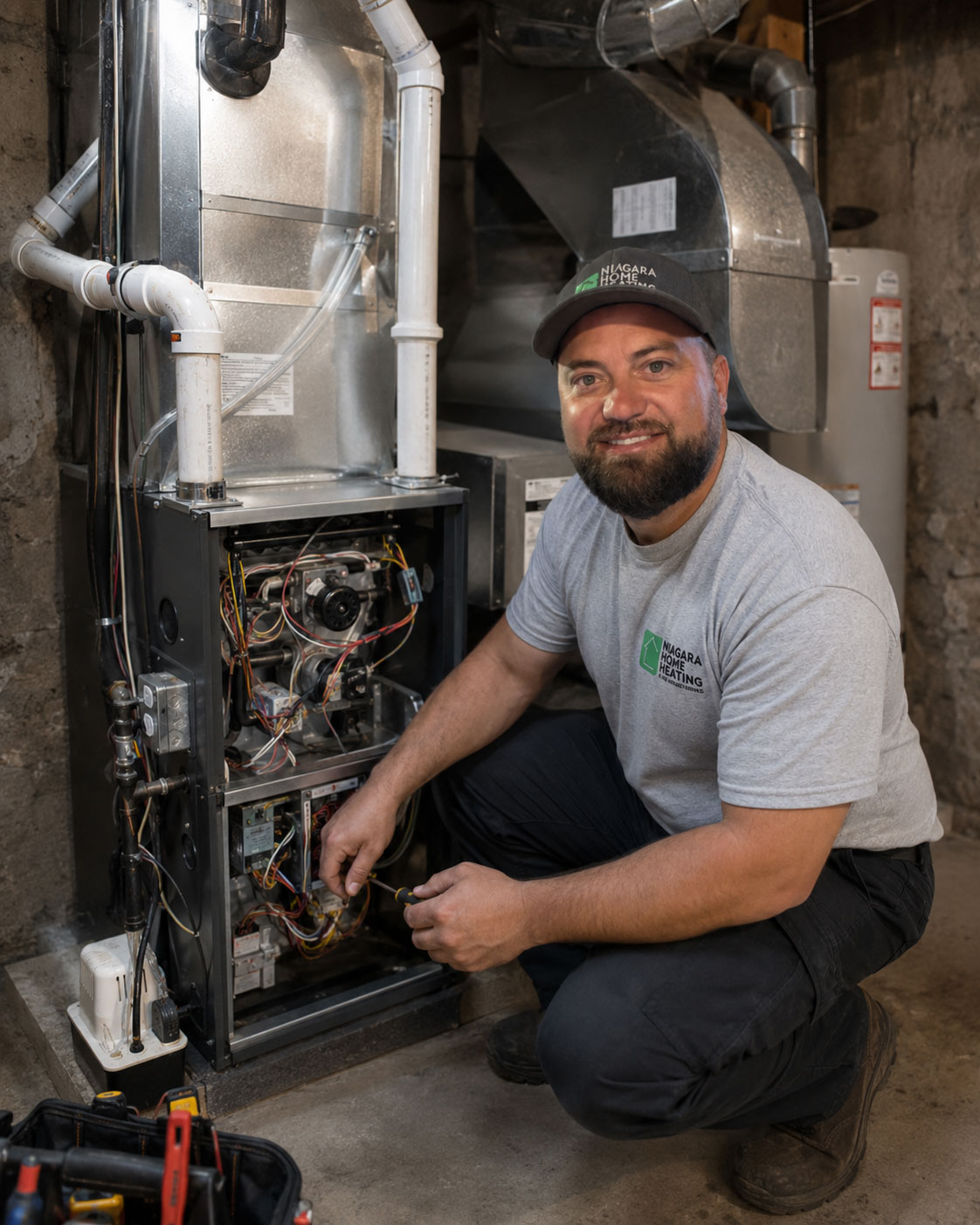
A reliable furnace keeps your home safe and comfortable through Niagara Falls winters. The furnace repair services homeowners in Niagara Falls, ON can expect when addressing routine maintenance issues and major failures. You will find common faults, step-by-step diagnostic practices, how repairs are completed, parts choices, typical timelines and estimates, technician qualifications, and warranty considerations all focused on practical, decision-stage information.
Why Timely Furnace Repair Matters in Niagara Falls, ON
Niagara Falls experiences cold winters and fluctuating temperatures that put extra strain on furnaces. Lake-effect humidity and freeze-thaw cycles increase corrosion and cycling stress. Delaying repairs can lead to higher energy bills, recurring breakdowns, and, in worst cases, safety risks like carbon monoxide. Timely repair restores efficiency, extends equipment life, and reduces the chance of emergency failure during peak cold periods.
Common Furnace Repair Issues in Niagara Falls
Here are the most common furnace faults local homeowners face:
- Ignition problems: Intermittent or failed ignition, including hot surface ignitor and pilot failures.
- Blower motor and fan issues: Noisy motors, motor failure, bad bearings, or capacitor faults.
- Control board and electronics: Burned or faulty control boards, error codes, or wiring faults.
- Thermostat and control faults: Incorrect settings, weak batteries, or communication failures.
- Airflow and filter problems: Clogged filters, blocked ducts, or return vents restricting airflow.
- Combustion and safety components: Faulty flame sensor, pressure switch or gas valve failures.
- Heat exchanger concerns: Cracks or corrosion that often require replacement for safety reasons.
Diagnostic Process: What To Expect
A methodical diagnostic approach separates quick fixes from larger repairs. Typical diagnostic steps include:
- Customer interview: When symptoms started, recent changes, and any error codes seen.
- Safety check: Carbon monoxide detector status, gas leak sniff, and system shutdown risk.
- Visual inspection: Filters, vents, condensate lines, wiring, and overall condition.
- Ignition and flame inspection: Verify spark or hot surface ignitor operation and flame stability.
- Electrical and control checks: Measure voltages, motor current draw, and read control board codes.
- Thermostat verification: Check setpoints, batteries, wiring and signal to furnace.
- Airflow assessment: Inspect blower operation, filters, and basic duct restrictions.
- Combustion analysis when required: Checking for proper combustion and venting in older gas systems.
Diagnostics commonly take 30 to 90 minutes depending on system complexity. A clear diagnostic report should list findings, recommended repairs, and potential alternatives.
Typical Repairs And Solutions
- Ignition system repairs: Cleaning or replacing hot surface ignitors, pilot assemblies, or ignition modules. Often a quick replacement restores reliable start-up.
- Blower motor and capacitor service: Testing and replacing capacitors, bearings, or the motor itself. Minor motor repairs can be completed within a single service visit when parts are available.
- Control board replacement: Control boards are replaced when diagnostics show failed electronics or irreparable damage. Boards often require programming and system testing after installation.
- Thermostat repairs or upgrades: Recalibration, rewiring, or replacement with thermostats compatible with your system for improved control and efficiency.
- Airflow fixes: Cleaning or changing filters, clearing vents, and identifying duct blockages to restore proper circulation.
- Heat exchanger evaluation: If a crack or severe corrosion is found, replacement of the heat exchanger or the entire furnace may be recommended for safety.
For safety-related failures such as heat exchanger cracks or persistent combustion problems, replacement may be the responsible option rather than repair.
OEM And Quality Replacement Parts
Using OEM parts or high-quality aftermarket equivalents ensures compatibility and longevity. OEM parts typically carry manufacturer warranties and preserve original system specifications. Quality aftermarket components can be a cost-effective, reliable alternative when they meet industry standards. Expect technicians to present parts options with pros and cons and to document part sources on repair estimates.
Clear Estimates And Realistic Timelines
A professional repair estimate should include:
- Itemized parts and labor
- Diagnostic fee (if applicable) and how it is applied
- Estimated time to complete repairs
- Any parts lead times
- Warranty coverage for parts and labor
Typical timeframes:
- Diagnostics: 30 to 90 minutes
- Minor repairs (sensor, ignitor, capacitor, thermostat): 1 to 3 hours
- Major component replacement (blower motor, control board): 2 to 6 hours
- Heat exchanger or full furnace replacement: 1 to 2 days, depending on complexity and permitting/venting needs Parts availability can extend timelines, especially during peak winter demand when local suppliers experience higher call volumes.
Technician Qualifications And Professionalism
For safe, code-compliant furnace repair, look for technicians who are:
- Trained and factory-certified on major furnace brands
- Licensed and insured to perform gas appliance work
- Skilled at electrical diagnostics, combustion testing, and safe handling of gas-fired equipment
- Committed to protecting your home during service (protective coverings, clean work practices)Technicians who document findings, explain repair choices in plain language, and provide written estimates demonstrate professionalism and reduce surprises.
Warranty And Record-Keeping
Reputable repair providers stand behind their work with warranties. Typical warranty elements include:
- Manufacturer warranty on OEM parts
- Limited warranty on aftermarket parts from the supplier
- Labor warranty covering repair workmanship for a stated period (commonly 30 to 365 days depending on provider)Always request written warranty terms before work begins and keep service records. Records help with future troubleshooting, warranty claims, and resale value of your home.
Maintenance Advice To Reduce Future Repairs
Regular maintenance reduces emergency breakdowns and extends furnace life:
- Replace or clean filters every 1 to 3 months in high-use seasons
- Schedule annual furnace tune-ups before the heating season
- Keep vents and returns unblocked and insulated as needed
- Install and maintain carbon monoxide detectors near sleeping areas. Given Niagara Falls seasonal demands, preventive service before the first sustained cold helps avoid service delays during peak periods.

Customer Testimonials

We had an amazing experience getting our new furnace installed with Niagara Home Heating. The owner was very helpful, their quote was more then competitive and the technician who installed the unit was professional and friendly. I would recommend their services.

I called John today at 2:pm as my AC was not working and I wasn’t expecting even a call back as I knew with this hot weather we have had he would be swamped with calls. Well he called me back and showed at 8:pm on the same day to fix my AC. That is just incredible service and how much John really cares about his clients. Thank you John !
I had an issue with my hot water tank and called Niagara Home Heating. Their service was fantastic and reasonably priced—exactly how a business should be run!
Lifesavers!! The AC in our house decided to quit the day we were passing the keys to the new owners!! Instead of making a service call to the house, John coached me through the minor repair over the phone, saving me the money and time waiting for a repair person to come.Much appreciated! Thanks again John
I have used Niagara Home heating for multiple projects for over 16 years. John and his staff are absolutely the best. I tell all my friends and family about Niagara Home Heating because you won’t get any better service or pricing anywhere in Niagara. He has saved me thousands and thousands of dollars and has never let me down.
Very efficient company. I needed an old solar water heater removed from my roof. They were quick to book an appointment for the next day after I sent photos. They were very knowledgeable of the issue. The 2 guys that came were friendly and competent with the job, including removal of all parts.

Service Areas
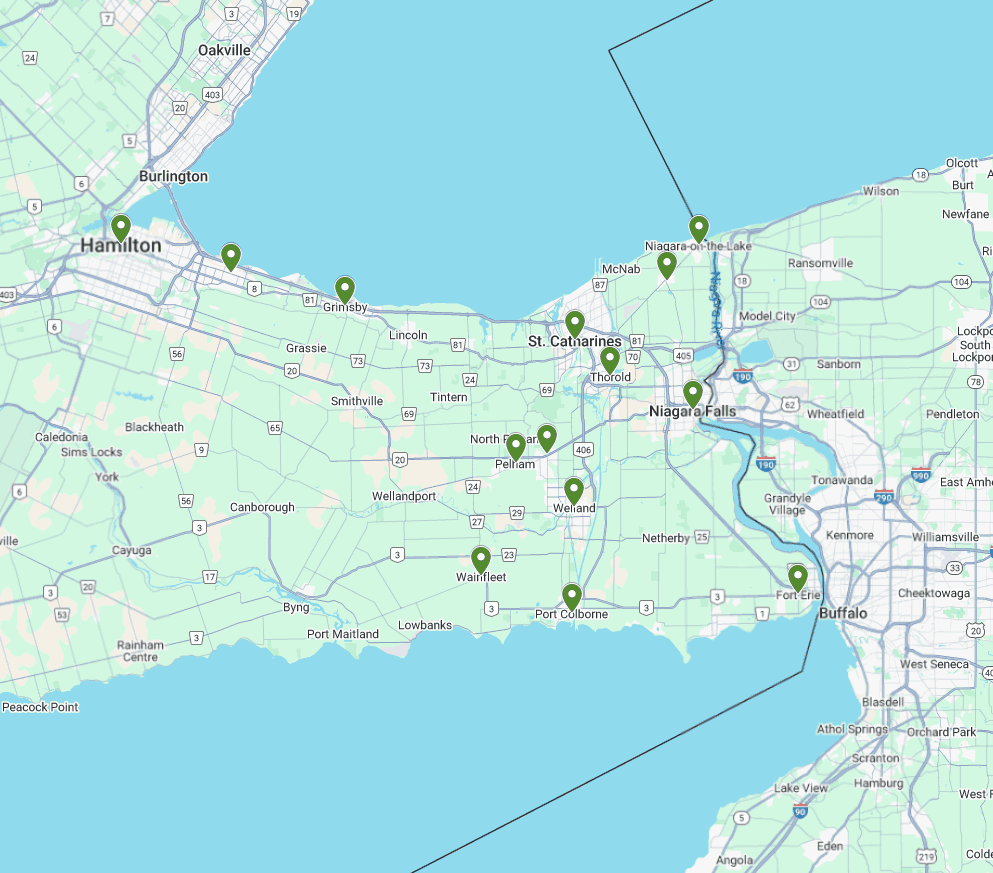
Our service areas encompass a wide range of locations, ensuring that we can meet the needs of our clients wherever they are. From bustling urban centers to serene rural landscapes, we are committed to providing top-notch services tailored to each unique environment.