



Emergency AC repair services in Grimsby, ON deliver 24/7 rapid response to restore comfort, reduce risk, and prevent further equipment damage. The guide explains common urgent faults, how technicians diagnose and triage, the difference between temporary fixes and permanent repairs, safety protocols, expected response times, and warranties. It also information homeowners should have ready to speed service, such as system type, symptoms, occupancy, access details, and maintenance history, ensuring efficient triage and dependable outcomes.

AC emergency-ac-repair in Grimsby, ON
When your air conditioner fails in the peak of a Grimsby summer, you need clear answers and fast action. Emergency AC repair in Grimsby, ON focuses on 24/7 rapid-response service to restore comfort, protect vulnerable residents, and prevent further equipment damage. Grimsby’s humid, lake-influenced summers and older housing stock can make AC failures more urgent: high humidity increases load on systems, and neighborhoods with mature trees or narrow streets can affect technician access and response times. It describes common emergency faults, how emergency technicians diagnose and triage, the difference between temporary fixes and permanent repairs, safety protocols, typical response expectations, guarantees you should expect, and what information helps speed up immediate assistance.
Common emergency AC issues in Grimsby, ON
Homeowners in Grimsby commonly face these urgent AC problems:
- Complete system failure: Unit stops running, no cool air, often during heat spikes.
- Compressor failure: Loud noises, tripped breakers, or short cycling indicating a failing compressor.
- Refrigerant leaks: Reduced cooling, hissing sounds, or ice on refrigerant lines — leaks can cause long-term damage and require immediate attention.
- Electrical faults: Burnt wiring, failed contactors, or tripped breakers that create fire risk or intermittent operation.
- Capacitor or motor burnout: Outdoor fan or blower motors failing under heavy load.
- Frozen evaporator coils: Usually caused by airflow issues or refrigerant problems; can lead to water damage when thawing.
- Drain and condensation backups: Clogged drains can spill water into ceilings or basements, especially concerning in Grimsby’s older homes with tight basements.
- Thermostat or control failures: No response from thermostat or incorrect system commands during extreme heat.
How emergency technicians diagnose and triage
Emergency AC repair prioritizes safety and restoring cooling as quickly as possible. Typical triage steps technicians follow:
Remote intake and prioritization
- Dispatcher collects symptoms, system type (central AC, heat pump, ductless), home occupancy factors (infants, elderly), and any safety concerns. This helps prioritize call scheduling.
Onsite safety assessment
- Technicians check for electrical hazards, gas leaks (if combined systems present), standing water, and potential structural risks before performing any repairs.
Visual and basic functional checks
- Inspect outdoor unit, condensate drain, air filter, thermostat settings, and circuit breakers to rule out quick fixes.
Electrical diagnostics
- Use meters to test voltage, capacitors, contactors, and motors. Safe isolation of circuits is performed before deeper work.
Refrigerant and mechanical checks
- Check pressures, look for visible leaks, inspect compressor and fan operation, and evaluate airflow through evaporator and condenser coils.
Triage decision
- Determine whether a safe temporary fix can restore operation immediately or if parts replacement / permanent repairs are required.
Temporary fixes versus permanent repairs
Understanding the difference helps set expectations:
- Temporary fixes (applied when immediate cooling is essential):
- Resetting breakers or replacing tripped fuses safely
- Temporary patching or isolating a refrigerant leak to allow short-term operation
- Replacing failed capacitors or relays when stock parts are available on the truck
- Clearing condensate drains or replacing clogged filters to restore airflow
- Permanent repairs (recommended once immediate needs are met):
- Locating and repairing refrigerant leaks with certified recovery and recharge
- Replacing compressors, motors, or control boards
- Rewiring degraded electrical components and installing proper overcurrent protection
- Replacing coils or major components that are compromised
Technicians will explain the trade-offs: temporary fixes can get you through a heatwave but may not address root causes or come with the same warranty as full repairs.
Safety protocols for emergency AC repair
Safety is non-negotiable. Standard protocols include:
- Lockout-tagout on electrical panels before repairs
- Use of refrigerant recovery equipment and EPA-compliant handling
- Personal protective equipment (gloves, eye protection) and safe ladder practices
- Structural precautions for attic or ceiling access to avoid damage or injury
- Proper ventilation practices when working in confined spaces
Homeowners should avoid touching exposed wiring, attempting refrigerant repairs, or running a system that repeatedly trips breakers.
Typical response times and local factors
Response times for emergency AC repair in Grimsby vary by time of day, call volume, and location. Expectations typically are:
- Priority response for life-safety situations (medical vulnerability, heat-related risk)
- Night/weekend rapid-response teams for true emergencies
- Average local emergency arrival windows often range from 1 to 4 hours under normal conditions; during regional heat waves, high demand can extend waits
Grimsby’s proximity to major routes and the Niagara Region fleet coverage influences travel times. During storms or widespread outages, technicians will triage calls to serve the most urgent situations first.
Service guarantees and quality assurances
Reputable emergency AC services commonly offer:
- Clear workmanship warranties on repairs
- Manufacturer or parts warranties where applicable
- Transparent estimates before performing non-emergency replacements
- Documentation of diagnostics and recommended next steps
Ask about warranty durations, whether replaced parts are new or remanufactured, and how follow-up repairs are handled if a temporary fix fails.
What to have ready when requesting immediate assistance
Preparing this information speeds triage and response:
- System type and model (outdoor unit model number if available)
- Symptom timeline (when problem began, any noises, odors, leaks)
- Home occupancy details (infants, seniors, medical equipment)
- Recent maintenance history or recent technician visits
- Access instructions (gate codes, key location, parking notes)
Technicians use this information to bring appropriate tools and parts and to prioritize visits effectively.
Preventive tips and closing advice
To reduce emergency risk in Grimsby homes:
- Change filters regularly and schedule seasonal tune-ups before summer
- Keep outdoor coils free of debris and vegetation
- Monitor refrigerant charge and repair small leaks quickly
- Install a secondary safety like a condensate overflow shutoff or smart thermostat alerts
Emergency AC repair in Grimsby, ON is about fast, safe restoration of cooling while protecting equipment and occupants. Knowing common failures, what technicians do on arrival, and how temporary and permanent solutions differ empowers homeowners to make informed decisions during a stressful event.

Customer Testimonials

I have used Niagara Home heating for multiple projects for over 16 years. John and his staff are absolutely the best. I tell all my friends and family about Niagara Home Heating because you won’t get any better service or pricing anywhere in Niagara. He has saved me thousands and thousands of dollars and has never let me down.

Lifesavers!! The AC in our house decided to quit the day we were passing the keys to the new owners!! Instead of making a service call to the house, John coached me through the minor repair over the phone, saving me the money and time waiting for a repair person to come.Much appreciated! Thanks again John
Very efficient company. I needed an old solar water heater removed from my roof. They were quick to book an appointment for the next day after I sent photos. They were very knowledgeable of the issue. The 2 guys that came were friendly and competent with the job, including removal of all parts.
I had an issue with my hot water tank and called Niagara Home Heating. Their service was fantastic and reasonably priced—exactly how a business should be run!
We had an amazing experience getting our new furnace installed with Niagara Home Heating. The owner was very helpful, their quote was more then competitive and the technician who installed the unit was professional and friendly. I would recommend their services.
I called John today at 2:pm as my AC was not working and I wasn’t expecting even a call back as I knew with this hot weather we have had he would be swamped with calls. Well he called me back and showed at 8:pm on the same day to fix my AC. That is just incredible service and how much John really cares about his clients. Thank you John !

Service Areas
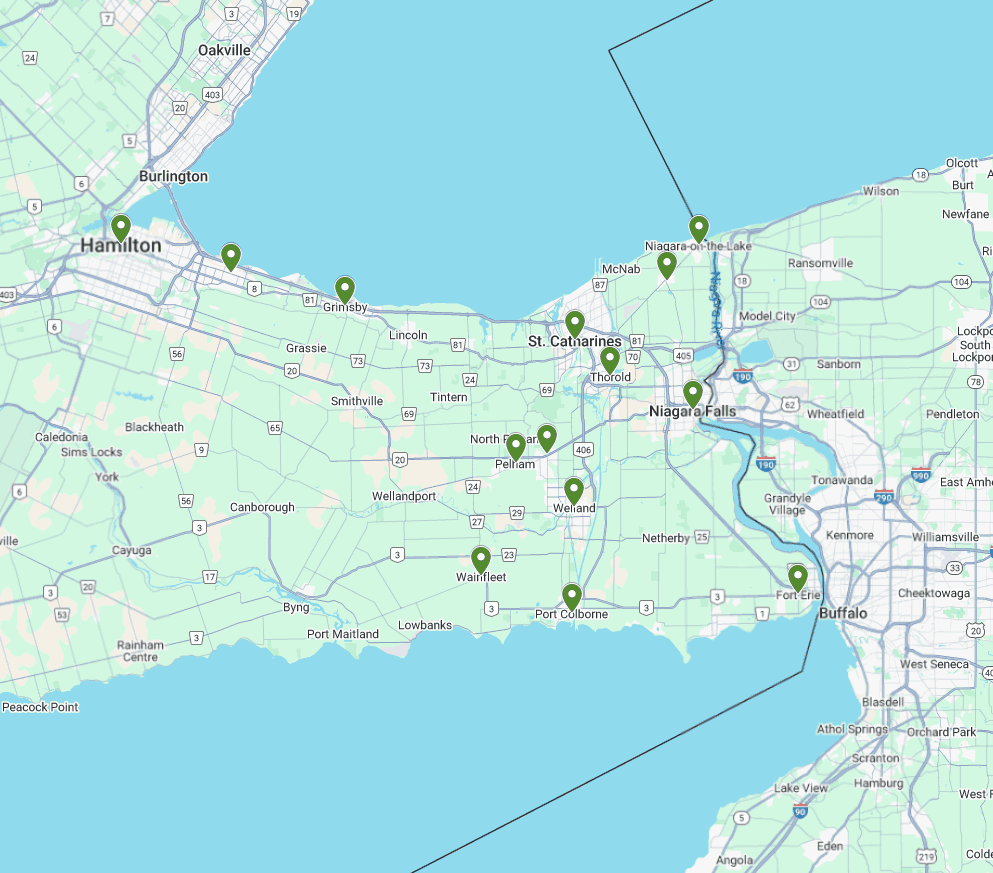
Our service areas encompass a wide range of locations, ensuring that we can meet the needs of our clients wherever they are. From bustling urban centers to serene rural landscapes, we are committed to providing top-notch services tailored to each unique environment.