



Niagara Falls residents seeking urgent cooling support will learn what to expect from 24/7 emergency AC repair, including rapid triage, safe arrival, and immediate stabilization. It describes common failure scenarios, on-site diagnostics, and temporary fixes designed to restore comfort while protecting the home. It also explains transparent emergency fees and timelines, what homeowners should do while waiting, and the importance of prompt service for preventing further damage and extending system life. The guidance emphasizes safety, documentation, and clear next steps.
.jpeg)
AC emergency-ac-repair in Niagara Falls, ON
When your air conditioner fails in the middle of a hot, humid Niagara Falls summer or trips breakers during a holiday, you need dependable 24/7 emergency air conditioning repair services that arrive fast and stabilize the situation. It describes what to expect from true emergency AC repair in Niagara Falls, ON: common urgent scenarios, our rapid-response procedures for full system failures or dangerous malfunctions, on-site diagnostic and temporary stabilization steps, typical emergency repair techniques, how emergency fees and timelines are handled transparently, and clear guidance for homeowners while waiting for help.
Common AC emergency scenarios in Niagara Falls, ON
Niagara Falls homes and businesses face specific stresses on HVAC systems because of humid summers, sudden heat spikes, and aging equipment in older neighbourhoods. Frequent emergency triggers include:
- Complete system failure: outdoor unit won’t run, indoor blower dead, or no airflow at all.
- Electrical faults: tripped breakers, repeated fuse blows, buzzing or burning smells indicating potential wiring hazards.
- Compressor seizure: AC runs but won’t cool, often accompanied by unusual vibration or loud noises.
- Refrigerant leaks: rapid loss of cooling capacity, ice forming on evaporator coils, or hissing sounds.
- Condensate drain blockage: water backing up, leaks inside ceilings or walls, and secondary drain pan overflow.
- Safety concerns: burning smells, smoke, or carbon monoxide alarms tied to associated mechanical systems.
Rapid-response procedure for complete failures or dangerous malfunctions
In an emergency, technicians prioritize safety and restoring conditioned air as quickly as possible. A typical rapid-response sequence:
On-site diagnostics and temporary stabilization steps
During an emergency visit, technicians follow a systematic, on-site diagnostic process that balances speed and accuracy:
- Visual inspection: check outdoor condenser, indoor air handler, filters, drains, and visible wiring.
- Electrical tests: measure voltage, continuity, and capacitor condition to confirm or rule out electrical failure.
- Refrigeration checks: inspect for ice, oil stains, or hissing that indicate leaks; check pressures when safe and appropriate.
- Airflow assessment: verify blower operation, clogged filters, or duct obstructions.Temporary stabilization may include:
- Resetting or isolating the breaker and tagging it with repair notes if a recurring short is suspected.
- Replacing a failed contactor or start/run capacitor to get the unit running again (common quick fixes).
- Clearing condensate drains and installing a temporary pump or bucket collection to stop indoor water damage.
- Instituting a safe, limited runtime to prevent compressor burn-out until a planned repair can be completed.
Typical emergency repair techniques you can expect
Emergency repairs aim to restore safe, reliable cooling quickly and reduce the chance of repeat failures. Common emergency repair actions include:
- Capacitor and contactor replacement to resolve no-start conditions.
- Temporary compressor protection measures or isolating a failed compressor pending a full replacement.
- Emergency refrigerant top-offs only when a leak is not immediately evident; full leak repairs are scheduled after stabilization.
- Quick duct or blower repairs to restore airflow and prevent overheating.
- Replacing failed condensate switches, secondary pans, or emergency drain setups to prevent water damage.Each emergency repair is performed with an eye toward long-term reliability; whenever a temporary fix is used, technicians will clearly document what remains to be done.
Emergency service fees and expected timelines (transparent and straightforward)
Emergency service for AC in Niagara Falls typically includes:
- An emergency dispatch fee for after-hours or same-day rapid response, explained up front.
- Diagnostic labor for the initial triage and stabilization visit, separated from parts and follow-up work.
- Parts and repair labor for any immediate fixes performed on site; if a long-lead component or compressor replacement is required, that work may be scheduled during regular hours with a separate cost estimate.Typical timelines:
- Initial response window: emergency teams in the Niagara region aim to arrive within a short, defined timeframe after the call (exact arrival estimates are provided at dispatch).
- On-site stabilization: most safety checks and temporary fixes can be completed during the first visit; more complex replacements may require a second scheduled visit.All emergency fees and recommended next steps are documented and explained before work begins so you understand what is temporary versus permanent and why.
What homeowners should do while waiting for emergency AC repair
Your actions before help arrives can protect your family and reduce damage:
- If you detect burning smells, smoke, or visible sparking, turn off the HVAC power at the breaker and evacuate until a technician confirms it’s safe.
- If the house is excessively hot, create airflow with fans and close blinds to reduce solar gain. Move vulnerable individuals to the coolest room or a lower floor.
- Stop using appliances that add heat (ovens, dryers) and unplug nonessential electronics to ease electrical load.
- Collect any leaking water in buckets and move furniture or electronics away from affected areas.
- Keep pets and children away from the work area and clearly mark any exposed panels or temporary repairs.Do not attempt complex electrical work or refrigerant handling. Those are job for trained technicians.
Why timely emergency AC repair matters in Niagara Falls
Prompt emergency attention prevents small issues from becoming costly failures, reduces risk of water damage and mould in humid Niagara summers, and protects vulnerable residents—older adults, infants, and people with medical conditions—from heat exposure. Fast stabilization also lowers the chance of permanent compressor damage, which is one of the most expensive repairs. In a region where humidity and sudden heat spikes are common, timely action preserves indoor comfort and indoor air quality.
Reducing future emergencies: practical maintenance advice
After an emergency, proactive steps reduce repeat incidents:
- Keep filters changed and schedule regular pre-season inspections.
- Clear debris around outdoor units and maintain adequate airflow.
- Have electrical components and capacitors checked annually, especially for older systems.
- Install a smart thermostat or condensate overflow shutoff to catch issues earlier.
- Consider planned upgrades for aging systems to improve reliability and efficiency in Niagara Falls’ humid climate.Taking preventive measures can significantly lower the likelihood of emergency situations and extend the lifespan of your AC system.
It describes what a homeowner in Niagara Falls, ON should expect from professional, 24/7 emergency air conditioning repair: fast, safety-first stabilization, clear diagnostics, transparent fee structure, and practical guidance to protect your home while waiting for certified technicians.

Customer Testimonials

We had an amazing experience getting our new furnace installed with Niagara Home Heating. The owner was very helpful, their quote was more then competitive and the technician who installed the unit was professional and friendly. I would recommend their services.

I had an issue with my hot water tank and called Niagara Home Heating. Their service was fantastic and reasonably priced—exactly how a business should be run!
I have used Niagara Home heating for multiple projects for over 16 years. John and his staff are absolutely the best. I tell all my friends and family about Niagara Home Heating because you won’t get any better service or pricing anywhere in Niagara. He has saved me thousands and thousands of dollars and has never let me down.
Lifesavers!! The AC in our house decided to quit the day we were passing the keys to the new owners!! Instead of making a service call to the house, John coached me through the minor repair over the phone, saving me the money and time waiting for a repair person to come.Much appreciated! Thanks again John
I called John today at 2:pm as my AC was not working and I wasn’t expecting even a call back as I knew with this hot weather we have had he would be swamped with calls. Well he called me back and showed at 8:pm on the same day to fix my AC. That is just incredible service and how much John really cares about his clients. Thank you John !
Very efficient company. I needed an old solar water heater removed from my roof. They were quick to book an appointment for the next day after I sent photos. They were very knowledgeable of the issue. The 2 guys that came were friendly and competent with the job, including removal of all parts.

Service Areas
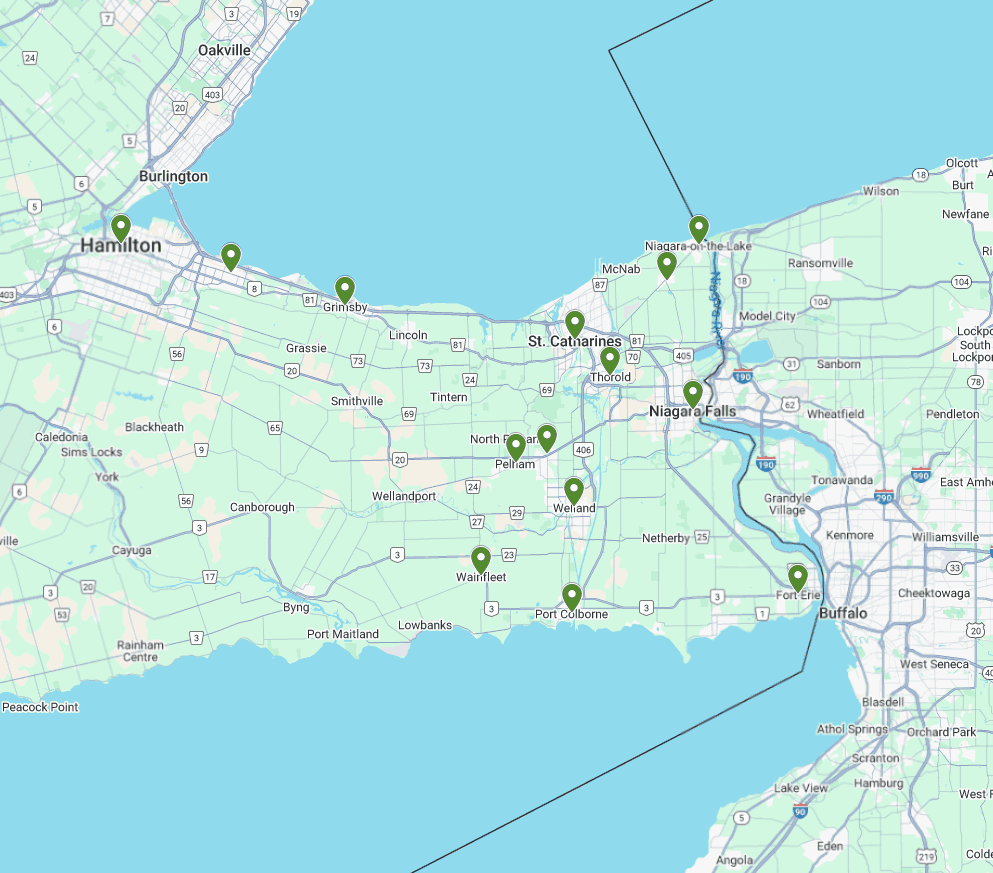
Our service areas encompass a wide range of locations, ensuring that we can meet the needs of our clients wherever they are. From bustling urban centers to serene rural landscapes, we are committed to providing top-notch services tailored to each unique environment.