



It describes emergency AC repair in Pelham, ON, detailing when a cooling outage qualifies as an emergency and how technicians quickly diagnose and stabilize systems. It common failure scenarios, safety precautions, and the difference between temporary fixes and permanent repairs. Readers learn what to expect during an emergency service call, including rapid response, on-site assessments, and clear pricing. Practical maintenance tips help prevent future breakdowns, reducing downtime and protecting health and comfort during hot weather.
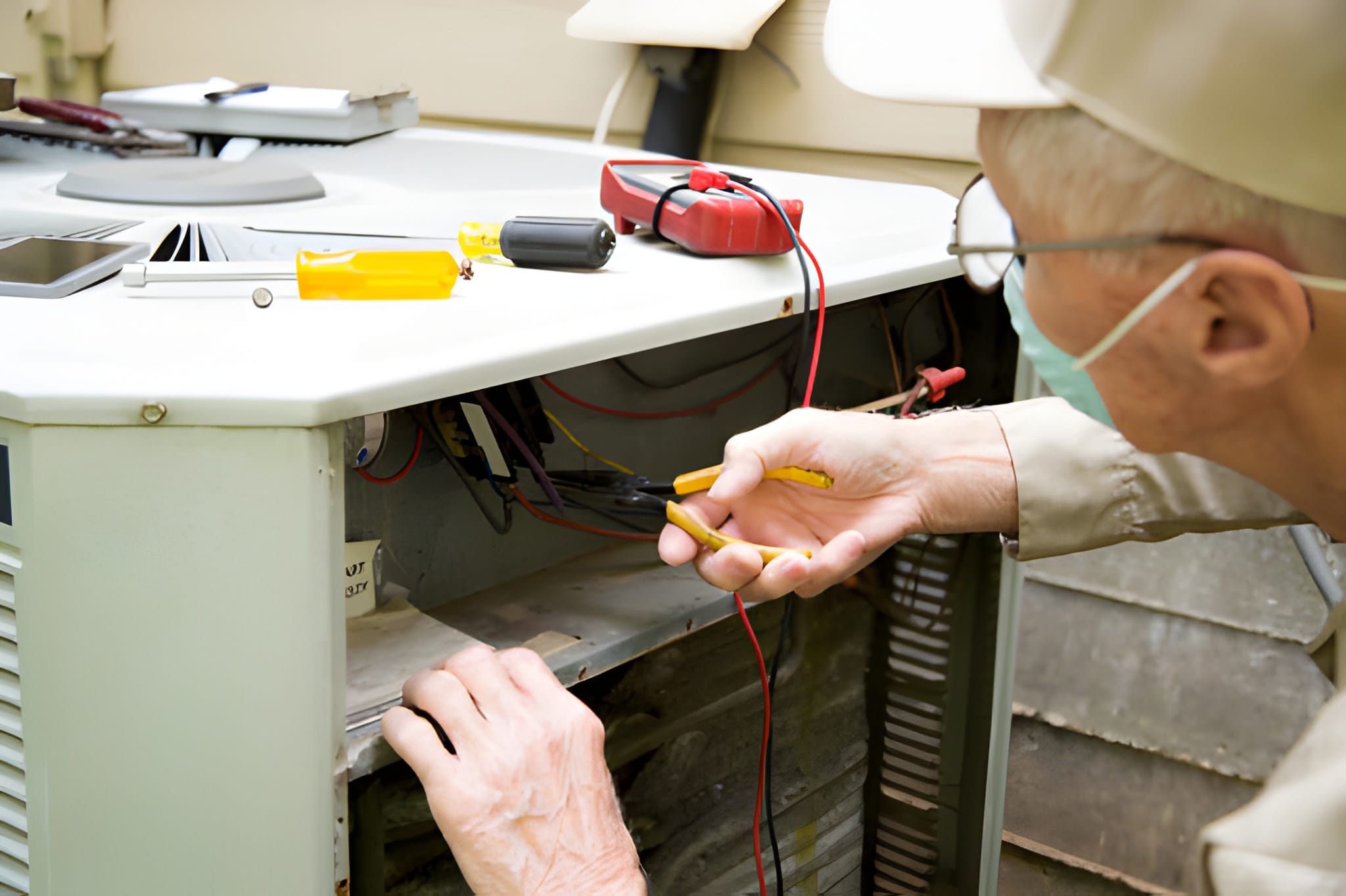
AC emergency-ac-repair in Pelham, ON
When your air conditioner fails in the middle of a heat wave, every minute without cooling matters. Emergency air conditioning repair in Pelham, ON is about restoring comfort quickly and preventing avoidable damage to your system and home. Homes in Pelham face humid summers and occasional storm-related power disruptions that place extra strain on HVAC equipment. It describes what qualifies as an AC emergency, how technicians diagnose urgent failures, what temporary fixes are safe, how permanent repairs are performed, what to expect during an emergency service call, and clear pricing realities so you can act decisively.
Why emergency AC repair matters in Pelham, ON
Pelham experiences humid, hot summers that increase indoor humidity and cooling loads. A failed AC can raise indoor temperatures quickly, worsen allergies and asthma, and cause humidity-related issues like mold and water damage to ceilings and walls. For families with infants, elderly occupants, or medical needs, fast, reliable emergency AC repair can be the difference between a manageable inconvenience and a health risk.
Common urgent AC failure scenarios in Pelham homes
- No cooling at all even though the unit runs. Often caused by compressor failures, refrigerant loss, or electrical faults.
- Unit not turning on. Could be a failed capacitor, blown fuse, tripped breaker, or thermostat issue.
- Loud banging, grinding, or humming noises. These noises can indicate motor failure, loose components, or failing compressors.
- Short cycling (unit turns on and off repeatedly). Commonly due to refrigerant issues, thermostat placement, or electrical problems that can damage the compressor if left unaddressed.
- Frozen evaporator coil or ice buildup. Typically from airflow restriction or refrigerant imbalance; running the unit this way can cause long term damage.
- Water leaks or overflowing condensate drains. Risk of water damage and mold growth in basements and ceilings.
- Burning smells or visible smoke. These are urgent safety issues related to electrical shorts and require immediate shutdown and service.
- Reduced airflow or poor dehumidification. Can be from fan motor failure, clogged filters, or duct problems that rapidly reduce comfort.
How technicians diagnose emergency AC problems
A systematic, safety-first diagnostic process separates quick fixes from major repairs:
Temporary fixes versus permanent repairs
Temporary fixes can restore operation quickly in many emergency situations but are not a substitute for a permanent repair:
- Safe temporary actions: Resetting tripped breakers, replacing a clogged return filter, clearing debris from the outdoor condenser, or resetting the thermostat. These can restore cooling immediately and are low risk.
- Short term component swaps: If a technician carries a compatible replacement capacitor or contactor, swapping the part can get the system running the same day. These are considered repair work and should be followed by inspection to confirm no hidden issues.
- Temporary refrigerant top-up: In a pinch, a small refrigerant recharge can restore cooling but only masks a leak. Leak detection and proper repair are required to meet regulations and prevent repeat breakdowns.
- Permanent repairs: Replacing failed compressors, repairing refrigerant leaks, repairing or replacing control boards, motor replacements, and duct repairs. Permanent work addresses root causes and restores long term reliability.
Emergency service call logistics: what to expect
- Rapid response and scheduling: Emergency AC repair services aim to prioritize urgent calls and deploy a trained technician with stocked trucks and diagnostic tools. Expect the tech to ask key questions about symptoms, system type, and access points before arrival.
- On-site arrival and safety protocols: The technician will perform a safety assessment and explain findings before starting any work. They will inspect both indoor and outdoor units, test components, and confirm the problem.
- Parts and timelines: Many common parts are carried in a service vehicle for same-day fixes. If specialized parts are required, the technician will explain timelines for ordering and completing permanent repairs.
- Clean, professional service: Technicians will take measures to protect your home, explain the repair steps, and leave the work area clean.
Transparent pricing expectations for emergency AC repair
Emergency service pricing usually breaks down into understandable parts: an emergency service call fee or after-hours premium, diagnostic fee, parts cost, and labor. Emergency calls often include a higher service-rate for off-hours or weekend work. A trustworthy technician will:
- Explain the emergency call fee and whether diagnostic time is billed separately.
- Provide a clear estimate for recommended repairs before authorizing major parts replacement.
- Distinguish what is a temporary fix and what will be required for a permanent solution, including the separate costs for parts and labor.
- Offer options where appropriate, for example a temporary part to restore cooling now vs. a full replacement for long term reliability.
How to request immediate help and prepare for a service visit
To make an emergency repair visit efficient, have the following ready:
- Describe the symptoms and when they started, including any recent power outages or storms.
- Know the system type (central AC, heat pump, ductless) and approximate age if possible.
- Clear access to indoor and outdoor units and ensure pets are secured.
- Note any occupants with health risks so the technician can prioritize speed and safety.
When requesting help, provide these details so the dispatcher can send a properly equipped technician and advise on immediate safe steps you can take while help is en route.
Preventing future emergencies: short maintenance tips
- Change or clean filters monthly during heavy use seasons.
- Keep the outdoor condenser clear of debris and vegetation.
- Schedule annual preventative maintenance to catch loose electrical connections, refrigerant leaks, and worn components before they fail.
- Monitor unusual sounds, smells, or reduced performance and address them promptly.
Fast, professional emergency AC repair in Pelham, ON reduces downtime, protects your equipment, and preserves comfort and health during the summer months. Understanding common failures, the diagnostic process, and the difference between temporary fixes and permanent repairs helps you make informed decisions if an emergency occurs.

Customer Testimonials

Lifesavers!! The AC in our house decided to quit the day we were passing the keys to the new owners!! Instead of making a service call to the house, John coached me through the minor repair over the phone, saving me the money and time waiting for a repair person to come.Much appreciated! Thanks again John

I have used Niagara Home heating for multiple projects for over 16 years. John and his staff are absolutely the best. I tell all my friends and family about Niagara Home Heating because you won’t get any better service or pricing anywhere in Niagara. He has saved me thousands and thousands of dollars and has never let me down.
We had an amazing experience getting our new furnace installed with Niagara Home Heating. The owner was very helpful, their quote was more then competitive and the technician who installed the unit was professional and friendly. I would recommend their services.
Very efficient company. I needed an old solar water heater removed from my roof. They were quick to book an appointment for the next day after I sent photos. They were very knowledgeable of the issue. The 2 guys that came were friendly and competent with the job, including removal of all parts.
I had an issue with my hot water tank and called Niagara Home Heating. Their service was fantastic and reasonably priced—exactly how a business should be run!
I called John today at 2:pm as my AC was not working and I wasn’t expecting even a call back as I knew with this hot weather we have had he would be swamped with calls. Well he called me back and showed at 8:pm on the same day to fix my AC. That is just incredible service and how much John really cares about his clients. Thank you John !

Service Areas
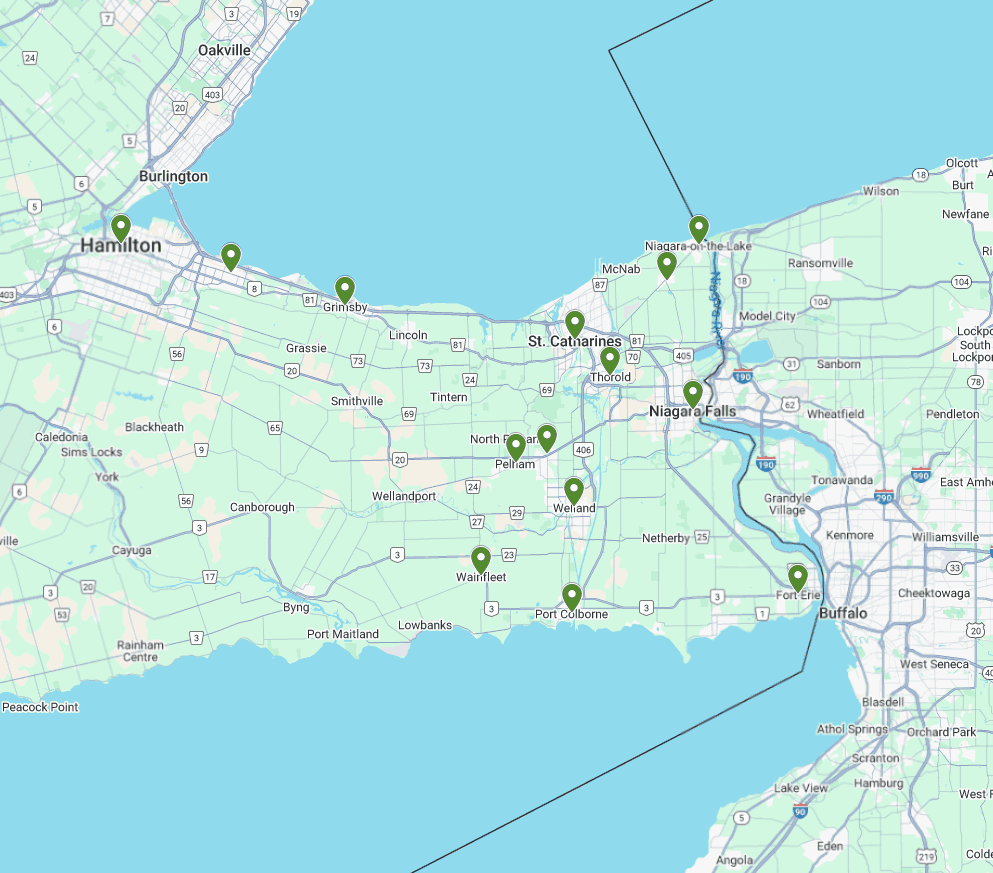
Our service areas encompass a wide range of locations, ensuring that we can meet the needs of our clients wherever they are. From bustling urban centers to serene rural landscapes, we are committed to providing top-notch services tailored to each unique environment.