



AC Replacement in Wainfleet, ON explains when replacement makes sense, how on-site evaluation and precise load calculations guide equipment selection, and what to expect during removal, installation, and testing. It covers permitting, warranty considerations, and post-installation maintenance tailored to Wainfleet homes, including energy efficiency recommendations, proper refrigerant handling, and duct sealing. The guide emphasizes avoiding undersized or oversized systems, ensuring proper placement and airflow, and achieving lasting comfort, humidity control, and lower energy costs overall.
.jpeg)
AC Replacement in Wainfleet, ON
Replacing an air conditioner is one of the most important investments you can make in your home comfort and energy budget. In Wainfleet, ON, where hot, humid summers and fluctuating temperatures from nearby Lake Erie place extra stress on cooling systems, an outdated or undersized AC can mean higher energy bills, uneven cooling, and poor humidity control. This page explains when replacement makes sense, how a professional on-site evaluation and load calculation guide the right equipment choice, what to expect during removal and installation, permitting and warranty considerations, and practical post-installation testing and maintenance advice tailored to Wainfleet homes.
Why replace your AC and common AC replacement issues in Wainfleet, ON
Consider replacement when your system shows any of these signs:
- System age of 12 to 15 years or older and increasing repair frequency
- Rapidly rising energy bills despite regular maintenance
- Poor or uneven cooling, hot spots in upstairs rooms, or long runtimes
- Frequent refrigerant leaks or compressor failures
- Excessive noise, rust, or visible damage to the condensing unit
- Inability to maintain comfortable humidity during Wainfleet’s humid summer months
Local factors in Wainfleet that accelerate replacement need:
- High summer humidity raises cooling load and demands better humidity control
- Older homes or cottages may have undersized or leaky duct systems that reduce efficiency
- Limited outdoor space or tight lot layouts that influence condenser placement
On-site evaluation and accurate load calculations
A successful replacement begins with a thorough on-site evaluation, not just a guess based on the old unit’s size. Key steps include:
- Home inspection: roofline, orientation, insulation levels, window types, attic ventilation, and ductwork condition
- Occupant factors: number of people, appliances, and typical thermostat settings
- Industry-standard load calculation (Manual J or equivalent): accurately sizes the cooling system to your home and Wainfleet climate conditions
- Duct analysis and static pressure checks: identifies leaks, bad insulation, or poor airflow that would undermine a new system
Correct sizing prevents short-cycling, reduces humidity issues, and extends equipment life. Oversizing is a common mistake that worsens humidity control; undersizing causes constant runtime and higher energy bills.
Energy-efficient model recommendations for Wainfleet homes
When choosing replacement equipment, focus on long-term performance:
- Higher SEER / efficiency ratings: improve seasonal cooling performance and lower operating costs during hot, humid months
- Variable-speed or inverter-driven compressors: provide gentler, more consistent cooling and better humidity control
- Two-stage compressors: balance comfort with efficiency for homes with variable loads
- ENERGY STAR rated options: meet stricter performance standards and often qualify for incentives
- Properly matched indoor coil and blower motor (ECM): essential for performance and warranty compliance
For many Wainfleet homes, a variable-speed heat pump or high-efficiency air conditioner paired with a well-sealed duct system will offer the best comfort and cost balance.
Removal of old equipment and environmental compliance
Old equipment removal includes:
- Safe recovery of refrigerant in accordance with federal and provincial rules by certified technicians
- Proper disposal and recycling of metal, plastic, and electronic components
- Inspection and possible replacement of the pad, line set, and electrical disconnect to meet current standards
Certified refrigerant handling and documentation ensure compliance with environmental laws and protect your property and the community.
Professional installation steps, permitting, and code compliance
A professional installation follows a clear process:
- Finalize equipment selection based on the load calculation and any necessary duct or electrical upgrades
- Secure any required municipal permits and ensure work complies with the Ontario Building Code and Electrical Safety Code
- Remove the old unit, prepare the site, and install a new condenser pad if needed
- Install properly sized refrigerant lines, setback or mount indoor coil or air handler, and upgrade electrical as required
- Evacuate and charge the system to manufacturer specifications, set up controls, and seal duct connections
- Commission the system: airflow balancing, thermostat configuration, refrigerant charge verification, and performance testing
Permitting requirements vary by municipality. Proper permits and adherence to code protect warranties and ensure safety.
Warranty, financing, and incentives
New systems typically come with manufacturer warranties on the compressor and sealed system and separate labor warranties from the installer. Consider:
- Matching the installer’s practices to warranty requirements (proper installation and start-up documentation)
- Extended warranties for parts or labor if offered
- Financing and rebate options that may be available through provincial, federal, or manufacturer programs to reduce upfront costs
Documenting the installation and keeping records of receipts and permits makes future warranty claims straightforward.
Expected timeline and cost considerations
Typical timelines:
- Diagnostic visit and load calculation: one site visit
- Standard change-out (same location, no major duct or electrical upgrades): often completed in 1 day
- Complex installs (duct replacement, electrical panel upgrades, or permitting delays): 2 to several days
Cost drivers to consider:
- System capacity and efficiency level chosen
- Ductwork condition and need for sealing or replacement
- Required electrical upgrades or permits
- Accessibility of outdoor unit location and any pad/site preparation
- Removal and disposal of the old unit and refrigerant handling
Avoid decisions based solely on price. Investing in correct sizing and quality installation pays off in comfort, energy savings, and fewer callbacks.
Post-installation testing and maintenance recommendations
After installation, thorough testing is essential:
- Confirm correct refrigerant charge and pressures
- Verify airflow, static pressure, and thermostat calibration
- Measure temperature split and system run-times
- Demonstrate controls and basic troubleshooting to homeowners
Ongoing maintenance preserves performance:
- Replace filters monthly or per manufacturer guidance
- Schedule annual preventive maintenance before the cooling season, including coil cleaning, refrigerant leak checks, and electrical inspections
- Address duct leaks and insulation to improve efficiency and indoor air quality
- Monitor performance during Wainfleet’s humid peak months and adjust fan or thermostat settings if needed
Replacing your AC is more than swapping equipment. In Wainfleet, ON, the right evaluation, equipment choice, installation quality, and ongoing maintenance together deliver dependable comfort, lower energy bills, and better humidity control during warm months. Proper documentation, permits, and certified refrigerant handling protect your investment and the environment.

Customer Testimonials

Lifesavers!! The AC in our house decided to quit the day we were passing the keys to the new owners!! Instead of making a service call to the house, John coached me through the minor repair over the phone, saving me the money and time waiting for a repair person to come.Much appreciated! Thanks again John

Very efficient company. I needed an old solar water heater removed from my roof. They were quick to book an appointment for the next day after I sent photos. They were very knowledgeable of the issue. The 2 guys that came were friendly and competent with the job, including removal of all parts.
I have used Niagara Home heating for multiple projects for over 16 years. John and his staff are absolutely the best. I tell all my friends and family about Niagara Home Heating because you won’t get any better service or pricing anywhere in Niagara. He has saved me thousands and thousands of dollars and has never let me down.
I had an issue with my hot water tank and called Niagara Home Heating. Their service was fantastic and reasonably priced—exactly how a business should be run!
I called John today at 2:pm as my AC was not working and I wasn’t expecting even a call back as I knew with this hot weather we have had he would be swamped with calls. Well he called me back and showed at 8:pm on the same day to fix my AC. That is just incredible service and how much John really cares about his clients. Thank you John !
We had an amazing experience getting our new furnace installed with Niagara Home Heating. The owner was very helpful, their quote was more then competitive and the technician who installed the unit was professional and friendly. I would recommend their services.

Service Areas
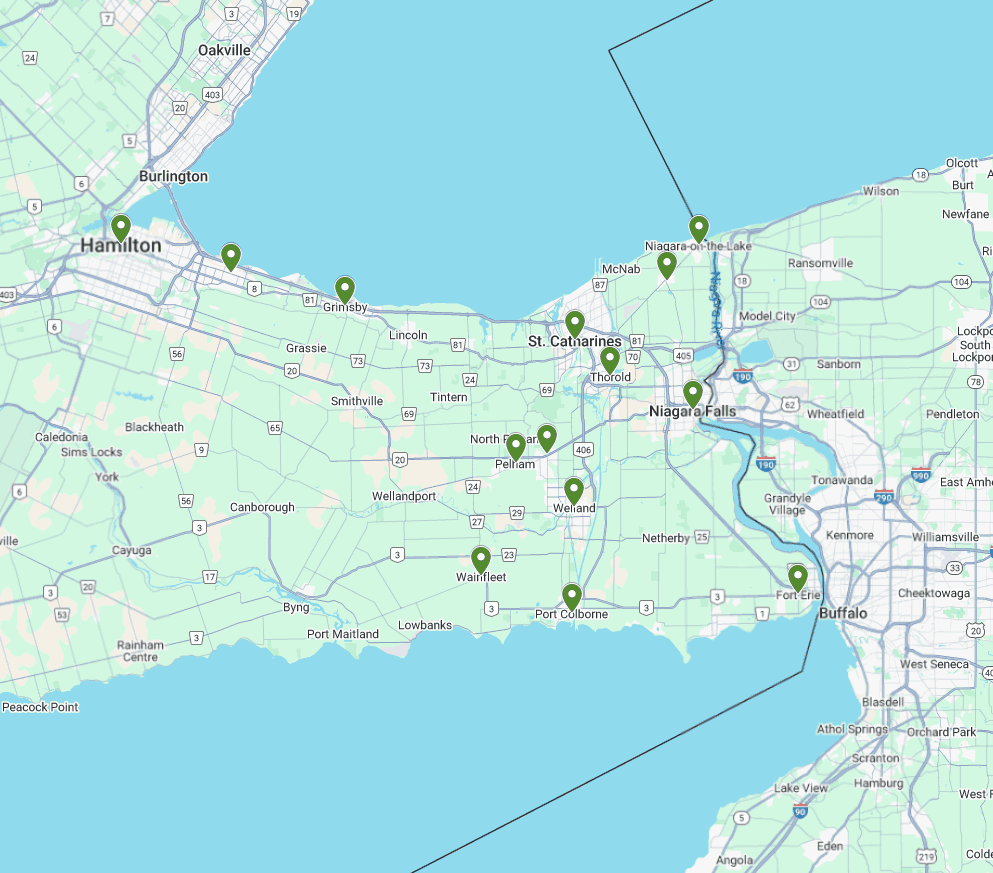
Our service areas encompass a wide range of locations, ensuring that we can meet the needs of our clients wherever they are. From bustling urban centers to serene rural landscapes, we are committed to providing top-notch services tailored to each unique environment.