



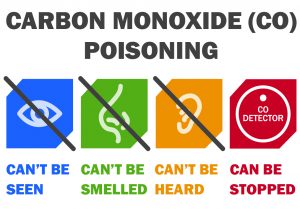
Carbon Monoxide Can Poison And Kill With Little Or No Warning
Carbon monoxide (CO) is the leading cause of fatal poisonings in North America. Exposure to high concentrations can cause death in just a few minutes. Confusion — a symptom of exposure to this colorless, odorless gas — can interfere with a person’s ability to recognize their life is in danger.
Symptoms
• Low Concentrations: Shortage of breath on moderate exertion; slight headache; nausea; dizziness.
• Higher Concentrations: Severe headache; mental confusion, dizziness; impairment of vision and hearing; collapse or fainting on exertion.
• Extreme Concentrations: Unconsciousness, coma; death.
Any indoor workplace where engines are running presents a potential hazard. Workers must realize that fuel-powered machines can expose them to this deadly gas.Workers in confined spaces, such as mines, can be exposed to CO — but CO can also be present in large buildings, as well as outdoor and well-ventilated areas. Emergency workers can be at risk; without a CO detector, they may not realize the danger until too late. Farmers have succumbed to CO poisoning while using a gasoline pressure washer inside the barn.
The Silent Killer
CO is colorless, odorless and tasteless, making it almost impossible to detect. The symptoms of CO poisoning can be very vague, and they involve many of the body’s systems. But immediate diagnosis is critical.CO blocks the absorption of oxygen into the bloodstream from the lungs, and poisons the red blood cells so they cannot carry oxygen. If body tissues do not receive a constant supply of oxygen, they stop functioning. The brain is extremely vulnerable to oxygen deprivation. Most of the early symptoms of CO poisoning are the result of brain malfunction from the lack of oxygen. Breathing CO in high concentrations can cause a feeling of tightness across the forehead, headache, throbbing in the temples, weariness or dizziness. If a person remains in the contaminated area, more serious symptoms will develop: nausea and vomiting, loss of strength and muscular control, increased breathing rate and a slowing pulse, and, eventually, death. Exposure to an extremely high concentration can cause rapid collapse and death within a few minutes. Heavy cigarette smokers are at a higher risk than non-smokers. The reverse process, releasing CO from the body, is very slow (although it can be accelerated by breathing pure oxygen). This is why the symptoms of poisoning do not clear up after the casualty is moved to fresh air. After-effects of severe CO poisoning can occur during recovery,such as headache and dizziness, blurred vision, varying degrees of pain, loss of memory, lack of interest, confusion, and tremors. Very severe cases of poisoning can result in pneumonia or permanent brain damage. There have been cases of deaths from CO poisoning even after an apparent recovery.Carbon monoxide is classed as a potential hazard to reproductive health. Reports indicate that women exposed to CO during pregnancy have a higher rate of miscarriage, stillbirth and low birth weight. In men, genetic damage to reproductive cells, loss of potency, and abnormal sperm have been reported.CO vapors are highly flammable, and can also create a fire and explosion hazard. The explosion hazards are at certain concentrations.
Precautions
The best way to recognize the presence of this deadly gas before a serious situation develops is to have a CO detector in any work area that may present a hazard.Wherever possible, avoid operating fuel-powered machinery indoors. If this is not possible, you can control or limit exposure to CO by properly maintaining potential sources such as furnaces and internal combustion engines. Always use catalytic converters where they apply, and provide sufficient general and local exhaust ventilation to maintain CO levels below established acceptable limits.
Always use proper respiratory equipment when working in confined spaces where carbon monoxide might be a hazard. Wear an approved airline respirator or a self-contained breathing apparatus (SCBA). When selecting a respirator, consider both the concentration of the gas and the duration of exposure.
First Aid
Seek medical attention immediately if anyone shows symptoms of carbon monoxide poisoning, such as a severe headache, dizziness, and nausea. Take the exposed person into the fresh air as quickly as possible. Give artificial respiration if breathing has stopped, and administer oxygen if available.
If you must rescue a person from a contaminated area, wear an airline respirator or self-contained breathing apparatus. A rescue team has to have at least two people: a rescuer and an observer. They must always be connected to a lifeline and harness.Carbon monoxide is a very toxic gas that has to be treated with extreme caution. Workers who may be exposed to it must know the sources and symptoms, how to protect themselves, and how to respond in case of an emergency.This feature is intended as useful general information to supplement existing occupational health and safety programs. It is not suitable as a replacement for a proper full program.
.png)

Customer Testimonials

Very efficient company. I needed an old solar water heater removed from my roof. They were quick to book an appointment for the next day after I sent photos. They were very knowledgeable of the issue. The 2 guys that came were friendly and competent with the job, including removal of all parts.

Lifesavers!! The AC in our house decided to quit the day we were passing the keys to the new owners!! Instead of making a service call to the house, John coached me through the minor repair over the phone, saving me the money and time waiting for a repair person to come.Much appreciated! Thanks again John
I had an issue with my hot water tank and called Niagara Home Heating. Their service was fantastic and reasonably priced—exactly how a business should be run!
I called John today at 2:pm as my AC was not working and I wasn’t expecting even a call back as I knew with this hot weather we have had he would be swamped with calls. Well he called me back and showed at 8:pm on the same day to fix my AC. That is just incredible service and how much John really cares about his clients. Thank you John !
We had an amazing experience getting our new furnace installed with Niagara Home Heating. The owner was very helpful, their quote was more then competitive and the technician who installed the unit was professional and friendly. I would recommend their services.
I have used Niagara Home heating for multiple projects for over 16 years. John and his staff are absolutely the best. I tell all my friends and family about Niagara Home Heating because you won’t get any better service or pricing anywhere in Niagara. He has saved me thousands and thousands of dollars and has never let me down.

Service Areas
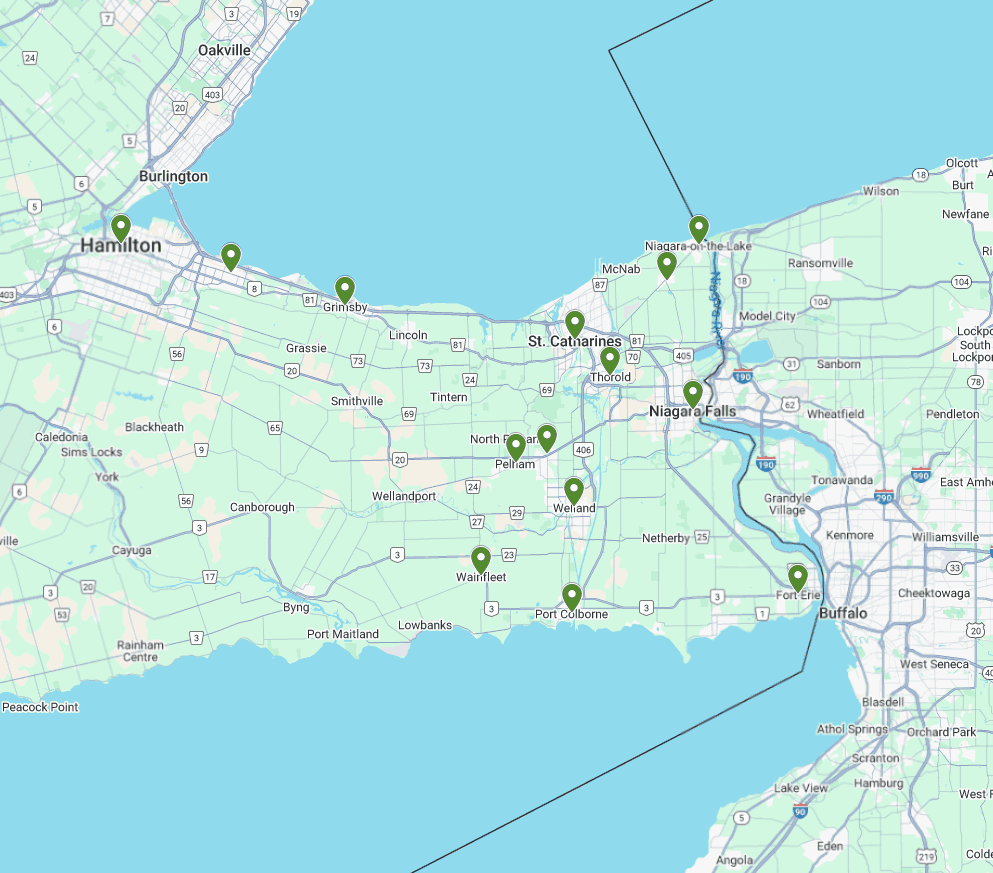
Our service areas encompass a wide range of locations, ensuring that we can meet the needs of our clients wherever they are. From bustling urban centers to serene rural landscapes, we are committed to providing top-notch services tailored to each unique environment.