



Proper furnace maintenance ensures reliable warmth and efficient energy use during cold months. This guide sets out essential maintenance tasks, emphasising regular tune-ups, inspections, and safety checks. Following the checklist helps prevent unexpected failures, improve efficiency, and maintain system safety. The article explains recommended tune-up intervals, inspection steps, winter preparation, safety checks, and the value of professional services.
How Often Should Homeowners Perform Furnace Tune Ups?
Schedule annual professional tune-ups to preserve performance and extend service life. Annual servicing verifies safe operation and uncovers minor faults before they develop into costly repairs.
Frequency should be tailored to your household and equipment. Factors that commonly increase the need for service include older equipment, heavy seasonal use, pets or household dust, and installations in harsh environments (for example, garages or dusty basements). Conversely, newer high-efficiency systems with good maintenance histories may perform reliably with a single annual visit supplemented by homeowner checks.
When you arrange service, mention any recent changes—unusual noises, inconsistent heat, or spikes in energy costs—so the technician can prioritise diagnostics. Keeping a simple maintenance log (dates, tasks completed, and any parts replaced) helps track trends and supports better decisions about repairs or replacement timing.
Recommended Furnace Maintenance Frequency for Optimal Performance
Perform at least one annual maintenance for all furnace types; consider biannual checks for older or high-use systems. Monitor system behaviour and request additional service if you notice irregularities. Consistent maintenance sustains efficiency and extends equipment life.
• Annual professional inspection and cleaning for all systems.
• Mid-season visual checks by homeowners (filter condition, airflow, thermostat response).
• Extra service if you move into a home with an unknown maintenance history.
Signs Indicating Immediate Furnace Service Is Needed
Be alert to signs requiring immediate service: unusual noises (banging or rattling), rising energy bills, insufficient heating, or unfamiliar odors. If any occur, contact Niagara Home Heating for inspection.
Other warning signals include frequent short cycling (the furnace turns on and off repeatedly), persistent soot or visible discoloration around the appliance, and visible rust or water where the furnace or flue connects. Addressing these quickly reduces the chance of component damage and preserves occupant safety.
What Are the Key Steps in a Heating System Inspection?
A comprehensive inspection reviews safety and efficiency items. Understanding these steps clarifies the value of professional service and what to expect during an inspection.
During a professional inspection you can expect a systematic review of mechanical, electrical, and combustion-related elements where applicable. Technicians typically follow a consistent checklist so nothing is missed and they can provide a clear report of the system's condition and any recommended follow-up.
• Visual inspection of the cabinet, panels, and visible gas or electrical connections.
• Clean and inspect burners or heat exchangers for signs of wear, soot, or corrosion.
• Check flues, vents, and exhaust paths for secure connections and obstructions.
• Test safety controls, limit switches, and emergency shutoffs for proper operation.
• Inspect and clean the blower assembly and motor, and verify blower wheel balance where necessary.
• Confirm thermostat operation and calibration; evaluate control wiring and sequencing.
• Evaluate airflow, duct connections, and any visible duct damage or leaks.
• Provide a written summary and recommendations for repairs, parts replacement, or efficiency improvements.
Asking the technician to walk you through any findings helps you understand priority items versus recommended future upgrades. A typical visit includes basic cleaning, functional checks, and a safety-focused inspection; more detailed repairs or part replacement may require follow-up visits or authorisation.
Checking Furnace Filters: Cleaning and Replacement Guidelines
Inspect filters monthly and replace according to need and the manufacturer's recommendations. Clean filters preserve airflow and efficiency; clogged filters increase overheating risk and may lead to system failure.
Filter types vary—disposable flat filters, pleated media filters, and washable reusable filters are common. Pleated filters generally trap finer particles and often last longer between changes, while washable filters require periodic rinsing and thorough drying before reinstalling. Always confirm the correct size and installation direction stamped on the filter frame.
• Check the filter visually once a month during high-use seasons; replace or clean sooner if it looks dirty.
• When changing a filter, note the date on the filter frame or in your maintenance log to maintain regular intervals.
• If household members have allergies, or if there are pets, consider more frequent filter changes or a higher-efficiency media filter designed for residential HVAC use.
Inspecting Burners, Thermostats, and Safety Components
Inspect burners, thermostats, and safety devices regularly. Clean burners to prevent soot accumulation. Verify thermostat calibration for accurate temperature control. Test safety devices—such as limit and pressure switches—to confirm correct operation.
Clean burners and ignition components only as directed by the manufacturer or a qualified technician; incorrect cleaning can create unsafe conditions. Thermostat checks should include verifying setpoint response and checking for visible wiring issues. Safety devices, including flame sensors, limit switches, and pressure switches, are critical to safe operation and should be tested as part of a service visit.
• Note any delayed ignition, which may cause a popping sound and indicates an inspection is needed.
• Ensure pilot lights or electronic ignitions are operating cleanly; persistent smell of gas is a reason to shut down the system and call a professional.
• Record any safety device trips and the conditions surrounding them to aid diagnosis on return visits.
How Can Homeowners Prepare Their Furnace for Winter Heating?
Prepare the furnace for winter to ensure comfort and efficient operation. Take seasonal measures to ready the system for sustained use.
Preparation reduces the chance of mid-winter failures. Prioritise a clear area around the furnace, unobstructed vents, and an updated maintenance record. Check for visible corrosion, water stains, or animal activity around the unit; addressing environmental factors early prevents avoidable problems.
Winter Heating Preparation Checklist for Niagara Region Climates
• Schedule a Professional Inspection: Ensure the furnace is inspected by a qualified technician to identify any potential issues.
• Check for Leaks and Drafts: Inspect windows and doors for drafts and seal any leaks to improve energy efficiency.
• Maintain Humidity Levels: Use a humidifier to maintain optimal humidity levels, which can enhance comfort and reduce heating costs.
• Clear Outdoor Venting: Keep outdoor vents and exhaust terminations free from snow, ice, and debris through the season.
• Secure Combustion Air Supplies: Ensure louvers or combustion air openings are unobstructed to maintain safe and efficient combustion.
Energy Efficient Furnace Tips to Reduce Heating Costs
• Regular Filter Maintenance: Change filters regularly to ensure proper airflow and efficiency. Clogged filters can cause unnecessary strain on your system, leading to higher energy bills.
• Upgrade to a High-Efficiency Furnace: Consider investing in a high-efficiency model that can significantly reduce energy consumption. Energy-efficient furnaces can pay for themselves over time through lower utility bills.
• Utilize Programmable Thermostats: Install programmable thermostats to optimize heating schedules and reduce energy waste. This can help maintain comfort when homeowners are away and save money.
• Seal and Insulate Ductwork: Even small leaks in ducts reduce delivered heat and increase runtime. Where accessible, sealing and insulating ducts can improve overall system efficiency.
• Zoning and Temperature Management: Use zoning strategies or close off unused rooms to reduce heating load on the system and keep commonly used areas comfortable.
Small behavioural changes compound across the season: modest thermostat setbacks during sleeping hours, closing curtains at night, and using ceiling fans on low to circulate warm air can all reduce runtime without compromising comfort.
What Safety Checks Should Be Included in a Furnace Safety Checklist?
Include targeted safety checks during routine maintenance to confirm the furnace operates safely and to reduce risk to occupants.
Safety checks are the highest priority during any inspection. Technicians focus on preventing carbon monoxide exposure, ensuring safe fuel and electrical handling, and verifying that emergency controls respond correctly. Homeowners should take note of alarm placement and basic detector maintenance between professional visits.
Identifying Carbon Monoxide Risks and Proper Ventilation
Carbon monoxide is colorless and odorless and can be lethal. Install CO alarms on every level and ensure adequate ventilation where the furnace runs. Monitor for symptoms of exposure—headache or dizziness—and seek immediate inspection if suspected.
Place CO alarms according to manufacturer guidance and check them monthly. If your furnace uses combustion air from inside the home, ensure there is adequate makeup air and that vents or grills are not blocked by storage or renovations. Any persistent alarm activity or health symptoms should prompt immediate action and professional inspection.
Testing Safety Controls and Emergency Shutoff Systems
Test safety controls and emergency shutoff systems during inspections. Verify that limit switches and pressure switches function correctly. Record inspection findings to track performance and guide future maintenance.
Homeowners can support safety by keeping access panels closed except during service, avoiding storage near the furnace, and confirming the emergency shutoff is labelled and accessible. During service, technicians typically simulate fault conditions to confirm that safety devices interrupt operation as designed.
When Should Professional Furnace Maintenance Services Be Scheduled?
Schedule professional maintenance at recommended intervals to maintain comprehensive system health. Engage experts when issues exceed basic homeowner tasks or when safety concerns arise.
Beyond scheduled tune-ups, contact a professional if you notice performance changes after a power surge, partial or intermittent operation, or any signs of water where there should be none. Preparing a list of observed symptoms and the times they occur helps a technician prioritise diagnostics and reduces diagnosis time.
Benefits of Expert Technicians for Comprehensive Furnace Care
Professional technicians provide accurate diagnosis and repair. Their training and experience enable them to detect issues not evident to homeowners, ensuring the furnace operates safely and efficiently.
A trained technician has the tools and replacement parts knowledge to diagnose electrical faults, gas flow issues, and mechanical wear. They can also advise on parts lifecycles and whether repairs or replacement are most economical in the longer term. Insist on a clear written estimate for any recommended repairs and a thorough explanation of why each action is necessary.
How Flexible Financing Options Support Regular Maintenance
Flexible financing options can make routine maintenance more affordable. Many providers offer promotions or payment plans to reduce upfront costs and support regular service.
When evaluating financing offers, compare the total cost, the length of the plan, and what services are included. Financing can be particularly useful for unexpected repairs or when coordinating a replacement that aligns with the end of a component's expected life.
How Does Regular Furnace Maintenance Improve Energy Efficiency and Reliability?
Regular maintenance improves energy efficiency and system reliability. Homeowners who prioritize scheduled service gain operational benefits and greater confidence in system performance.
Tune-ups restore original equipment efficiency by cleaning heat transfer surfaces, replacing worn parts, and recalibrating controls. Over time, even small improvements in combustion or airflow efficiency reduce runtime and contribute to steadier household temperatures.
Preventing Unexpected Breakdowns Through Proactive Care
Proactive maintenance identifies faults early and reduces the risk of unexpected failures. Early intervention avoids costly repairs and supports continuous operation throughout the winter season.
Simple preventive tasks—keeping a clear area around the unit, changing filters, and monitoring thermostat behaviour—are low-cost and effective. A documented, consistent approach to maintenance shortens downtime and reduces the stress of emergency repairs during peak demand periods.
Quantifying Energy Savings from Routine Furnace Tune Ups
Routine tune-ups commonly reduce fuel consumption and lower energy bills, particularly for older or less efficient systems. Actual savings depend on the system's age, efficiency rating, and maintenance frequency.
Energy savings accrue from restored airflow, optimised burner operation, and corrected control settings. While exact savings vary, homeowners often notice shorter run times and more consistent indoor temperatures after service, which together improve perceived comfort and operational cost-effectiveness.
What Are Common Homeowner Questions About Furnace Maintenance?
Homeowners frequently ask about maintenance responsibilities and timing. Clear answers encourage proactive care and safer operation.
It helps to separate what homeowners can safely do from what requires a technician. Regular inspection and simple upkeep are important, but electrical, gas, and combustion-related work should be left to trained professionals to ensure safety and code compliance.
Can Homeowners Perform Furnace Maintenance Themselves?
Homeowners can complete basic tasks such as filter replacement. Comprehensive inspections, calibrations, and repairs should be performed by qualified technicians to ensure long-term safety and efficiency.
• Appropriate homeowner tasks: filter changes, visual inspections, clearing nearby clutter, checking batteries in CO and smoke detectors, and noting unusual system behaviour.
• Tasks for professionals: combustion analysis, gas leak diagnosis, heat exchanger inspection, burner and ignition system servicing, and switching out major components.
If you elect to perform simple tasks yourself, always follow the manufacturer's instructions and shut off power to the furnace before opening panels or handling components.
How to Recognize When Furnace Repair Is Necessary
Recognise repair needs by noting unusual noises, uneven temperatures, or rising energy bills. Prompt action can prevent greater damage and higher repair costs.
Keep a log of recurring symptoms (time of day, weather conditions, thermostat setting) to help a technician correlate behaviour with potential causes. Intermittent problems are often the hardest to diagnose; detailed observations enable faster resolution and more targeted repairs.
How to Schedule and Access Furnace Maintenance Services in the Niagara Region?
Scheduling service in the Niagara Region is straightforward. Follow standard steps to arrange timely inspections and repairs.
When booking, provide make and model information if available, describe observed symptoms, and identify any access limitations (narrow closets or locked utility rooms). This allows the service provider to send appropriately equipped technicians and to give you an accurate time estimate for the visit.
Contacting Niagara Home Heating for Inspection and Repair
To schedule an inspection or repair with Niagara Home Heating, call (289) 228-2688. Our team is available to assist.
Prepare the following before the appointment for an efficient visit: the system's make and model, any recent maintenance records, a list of symptoms, and convenient access times. Clearing the work area and ensuring pets are secured helps the technician complete the job safely and efficiently.
Utilizing Online Resources and Customer Support
The Niagara Home Heating website provides guidance and maintenance tips to help homeowners remain informed and proactive about furnace care.
Online FAQs, instructional pages, and service request forms can speed scheduling and provide basic troubleshooting steps you can try before calling. Use these resources to understand common procedures and to decide whether an issue requires immediate professional attention.
Keep Your Home Warm and Efficient with Niagara Home Heating
Don’t wait for a breakdown to take action. Schedule your professional furnace maintenance with Niagara Home Heating today to ensure a safe, efficient, and reliable heating system all winter long. Book Your Service Now.
.png)

Customer Testimonials

I called John today at 2:pm as my AC was not working and I wasn’t expecting even a call back as I knew with this hot weather we have had he would be swamped with calls. Well he called me back and showed at 8:pm on the same day to fix my AC. That is just incredible service and how much John really cares about his clients. Thank you John !

I have used Niagara Home heating for multiple projects for over 16 years. John and his staff are absolutely the best. I tell all my friends and family about Niagara Home Heating because you won’t get any better service or pricing anywhere in Niagara. He has saved me thousands and thousands of dollars and has never let me down.
I had an issue with my hot water tank and called Niagara Home Heating. Their service was fantastic and reasonably priced—exactly how a business should be run!
Very efficient company. I needed an old solar water heater removed from my roof. They were quick to book an appointment for the next day after I sent photos. They were very knowledgeable of the issue. The 2 guys that came were friendly and competent with the job, including removal of all parts.
We had an amazing experience getting our new furnace installed with Niagara Home Heating. The owner was very helpful, their quote was more then competitive and the technician who installed the unit was professional and friendly. I would recommend their services.
Lifesavers!! The AC in our house decided to quit the day we were passing the keys to the new owners!! Instead of making a service call to the house, John coached me through the minor repair over the phone, saving me the money and time waiting for a repair person to come.Much appreciated! Thanks again John

Service Areas
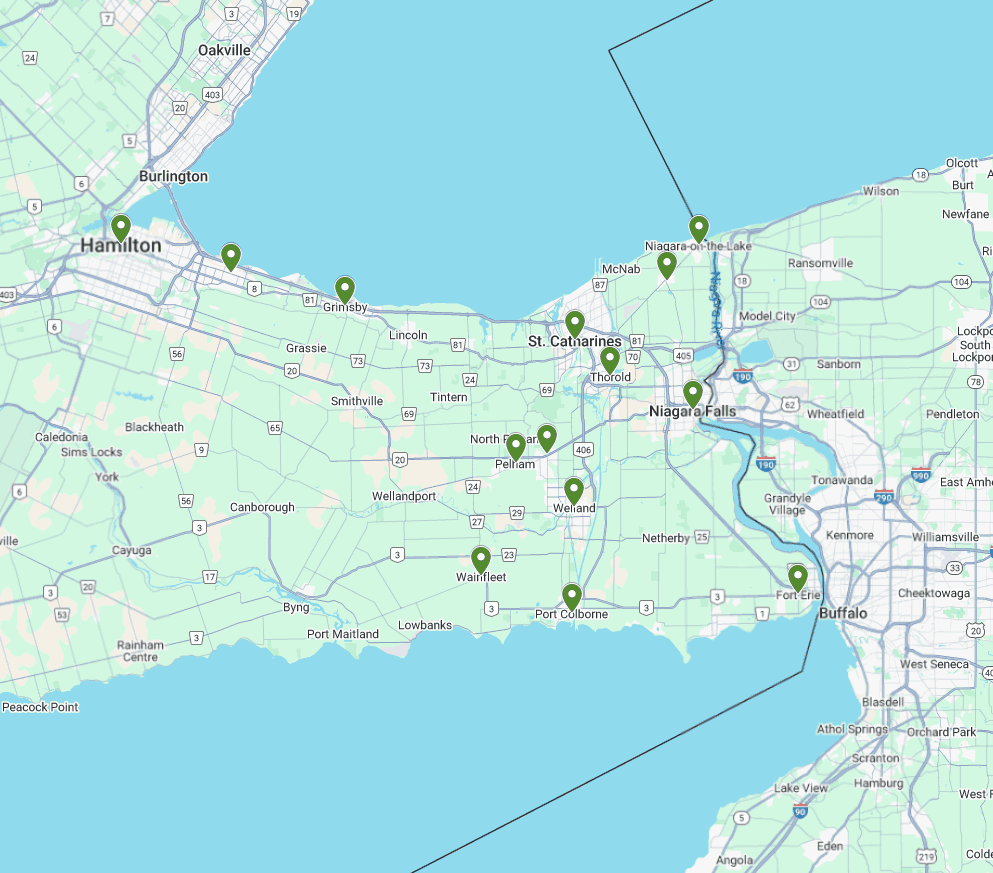
Our service areas encompass a wide range of locations, ensuring that we can meet the needs of our clients wherever they are. From bustling urban centers to serene rural landscapes, we are committed to providing top-notch services tailored to each unique environment.