



Choosing the right HVAC system shapes how comfortable your home feels and how much you pay to heat and cool it. With several system types available, understanding how each one works makes it easier to pick the best fit. This guide walks through the main options, their benefits, and the practical things to consider for your house — from system type and maintenance to financing and local climate impacts.
Your HVAC choice drives most of a home’s energy use, so smart decisions now can cut bills and energy waste for years.
What Are the Main Types of Home Heating Systems?
Most home heating falls into three common categories: furnaces, heat pumps, and ductless (mini‑split) systems. Each uses different technology and has distinct advantages. Knowing these differences helps you pick the most energy‑efficient, comfortable option for your home.
• Furnaces — How it works: Burn fuel to heat air, then distribute it through ductwork — Key benefits: Good for larger spaces; delivers fast, consistent heat
• Heat Pumps — How it works: Move heat from outside to inside using refrigerant — Key benefits: Highly efficient; provides both heating and cooling
• Ductless Systems — How it works: Individual indoor units connected to an outdoor compressor — Key benefits: Flexible installation; no ductwork needed; great for zoning
Furnaces are still common because they warm large areas quickly and run on widely available fuels like natural gas, propane or oil. Heat pumps are efficient because they move heat instead of making it, and many also cool in summer. Ductless systems work well where ducts aren’t practical or when you want room‑by‑room control.
If you’re weighing options, Niagara Home Heating can help you compare systems and choose the right system for your home.
When comparing types, think about how you use your home. Occupancy patterns (rooms used all day versus only evenings), your floor plan, and planned renovations all influence which system will deliver the best comfort and savings. Make a short priority list — lowest operating cost, lowest upfront cost, best air quality, or easiest installation — and use that to guide your choice.
Also consider zoning: do you want one uniform temperature, or different temperatures in bedrooms, living areas and finished basements? Zoning often points toward ductless systems or multi‑zone heat pumps for flexible control.
Other practical questions to answer before choosing include: how long you plan to stay in the home, whether you want smart controls or integration with home automation, and whether you prefer a single system to handle both heating and cooling or separate systems optimized for each season. These answers help narrow options and prioritize features during the selection process.
How Do Furnaces Work and What Are Their Benefits?
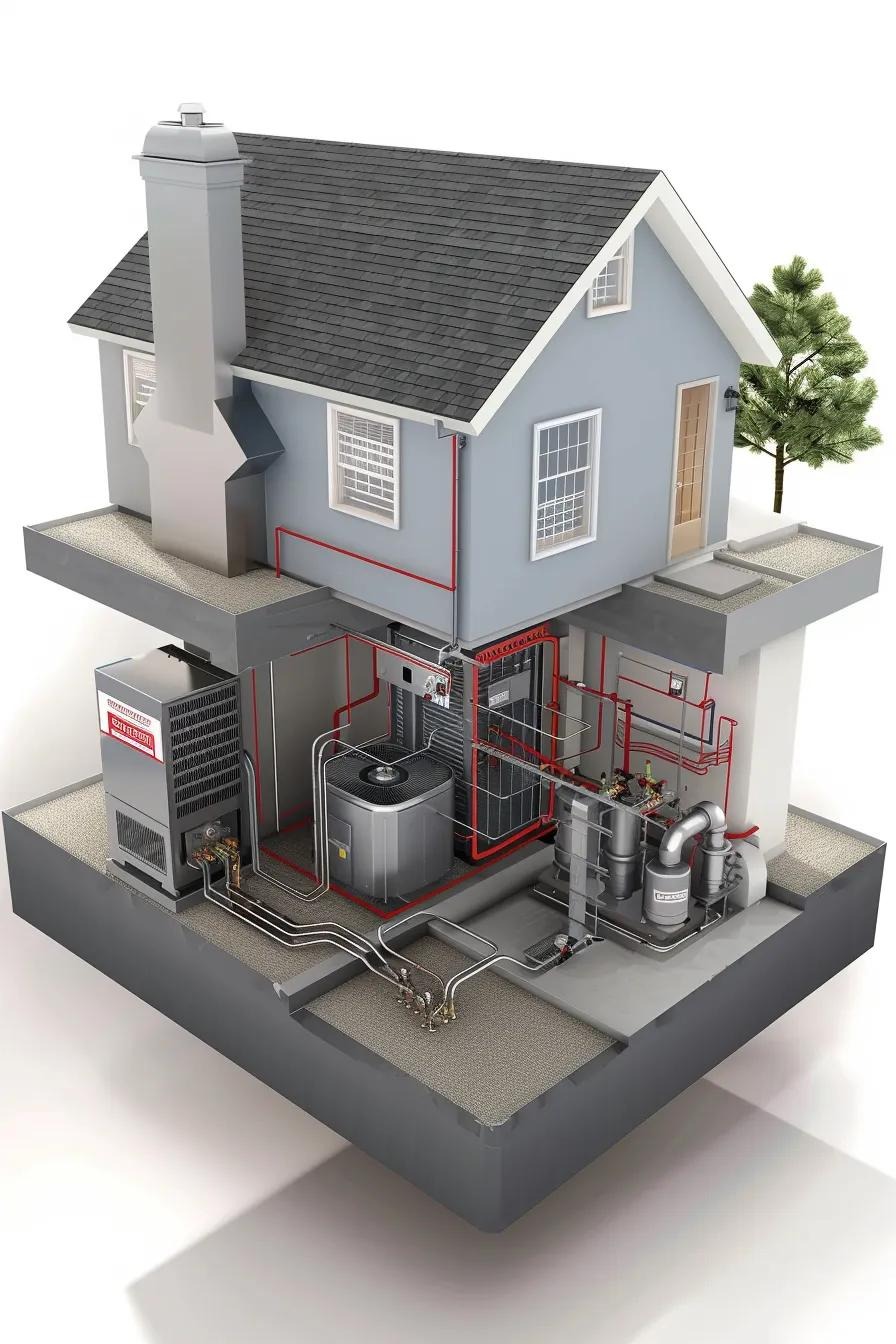
Furnaces create heat by burning fuel or using electric elements, then push warm air through ducts to heat your rooms. They’re available in gas, electric, propane and oil models. Furnaces provide steady, quick heat — helpful in cold winters — and modern high‑AFUE units (90%+) cut fuel use compared with older models.
Keep a furnace running efficiently with regular maintenance. We recommend annual inspections and routine filter changes to protect air quality and performance.
Combustion furnaces need proper venting and safety checks. When evaluating models, ask about venting needs, whether a new flue or gas line work is required, and the expected service life your installer projects. Consider noise levels and thermostat compatibility — those affect daily comfort more than you might expect.
Pros and considerations for furnaces:
• Pros: fast warm‑up, proven technology, wide local service availability.
• Considerations: combustion models need venting and periodic servicing; operating cost depends on fuel prices and unit efficiency.
When discussing furnaces with an installer, request a clear breakdown of installation steps and any required home modifications — for example, new venting, gas piping, or electrical upgrades. Ask about possible noise‑reduction options, such as insulated cabinets or quieter blowers, and whether a variable‑speed blower is available to improve comfort and efficiency at part‑load conditions.
What Makes Heat Pumps an Energy Efficient Choice?
Heat pumps are efficient because they transfer heat rather than generate it. They move warmth from outdoor air or the ground into your home using refrigerant, and reverse that process for cooling in summer.
Heat pump efficiency is shown by SEER (cooling) and HSPF (heating) ratings. In many climates, a properly sized heat pump can lower energy bills significantly. There are also cold‑climate models designed to keep working well below freezing.
Heat pumps come in air‑source (most common) and ground‑source (geothermal) types. Ground‑source systems are very efficient year‑round but need more work for underground loops. Air‑source units are simpler to install and commonly used for retrofits and new builds because they deliver heating and cooling in one system.
When picking a heat pump, consider electrical panel capacity, outdoor unit placement (to reduce noise and airflow blockage), and whether you need a backup heat source for extreme cold. Installers should run a proper sizing calculation so the heat pump matches your home’s heat load.
Heat pump pros and considerations:
• Pros: high seasonal efficiency, combined heating and cooling, often eligible for incentives.
• Considerations: performance varies with outdoor temperature (cold‑climate models help in low temps); upfront costs can be higher than a basic furnace install.
Practical tips for heat pump buyers: confirm the installer performs a Manual J load calculation and provides documentation; ask about the expected seasonal performance in your climate rather than a single test condition; and review warranty terms for both compressor and refrigerant circuit components. If you have an older home with limited insulation, consider pairing a heat pump upgrade with air sealing and insulation improvements for the best overall results.
How Do Ductless HVAC Systems Compare to Traditional Options?
Ductless mini‑split systems are a flexible option growing in popularity. An outdoor compressor connects to one or more indoor air handlers to heat or cool specific rooms without ducts.
Because they condition air right where you need it, ductless systems are efficient and make zoning simple — a practical way to cut overall energy use
What Are the Installation Advantages of Ductless Systems?
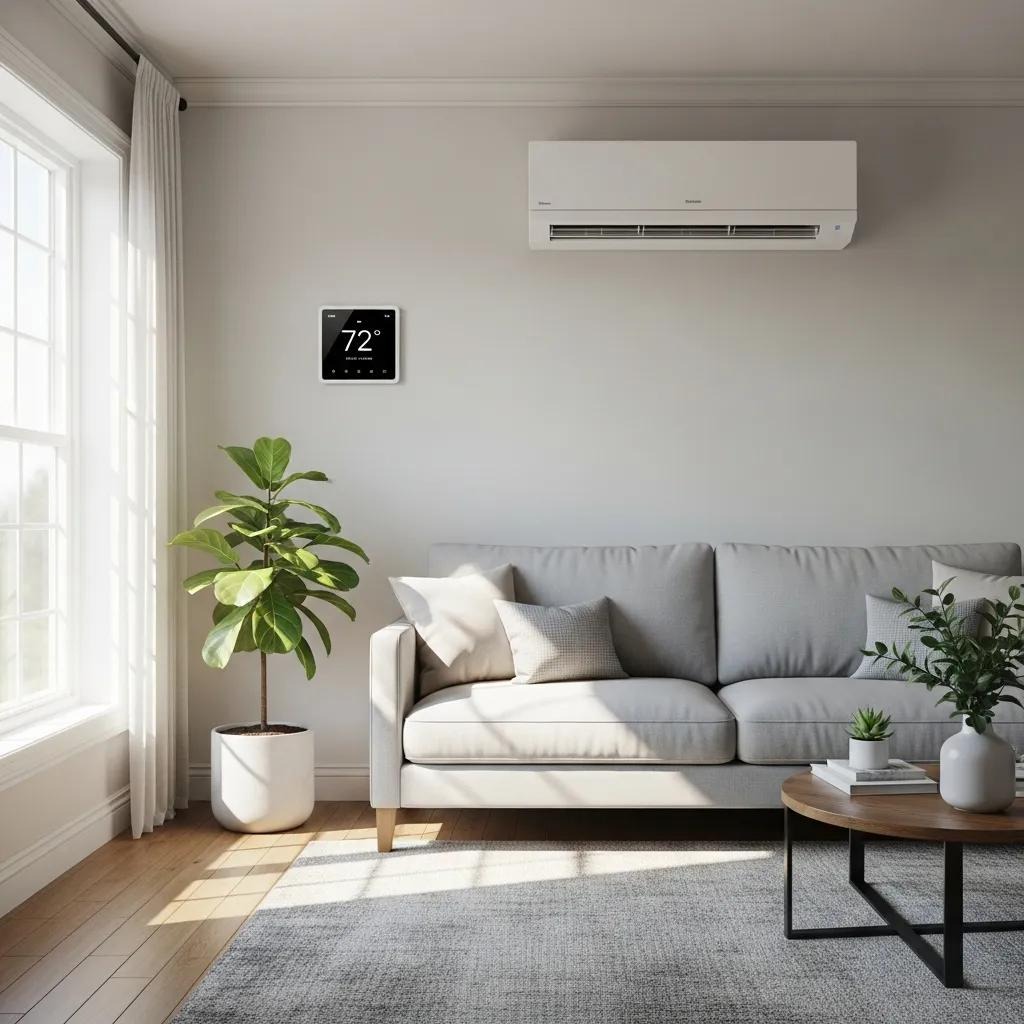
One clear advantage of ductless systems is simpler installation. They usually need only small wall penetrations instead of full duct networks, which reduces disruption and cost for retrofits or room additions.
Ductless units also boost efficiency by letting you condition only the rooms you use — a practical way to lower energy use through zoning.
Installation notes: indoor unit placement affects comfort and looks, and outdoor compressor location affects noise and airflow. Good planning minimizes visible piping and positions units to distribute air evenly without creating drafts. Your installer should review mounting options, line routing, and any local permitting or setback rules before starting.
Installation pros and considerations:
• Pros: minimal renovation, targeted comfort, straightforward zoning.
• Considerations: indoor units are visible and need wall or ceiling space; multi‑head systems require careful planning to avoid oversized outdoor units or overly long line runs.
For multi‑room installations, ask the installer to map expected line lengths and pressure drops so each indoor head performs as expected. Consider the visual impact of indoor heads and how they integrate with room decor. If you plan to hide piping in a bulkhead or chase, confirm access for future servicing is maintained.
How Do Ductless HVAC Systems Improve Home Comfort?
Ductless systems let you control temperature precisely for each indoor unit, so different rooms can be set to different temps. Many models include advanced filters that reduce dust, pollen and other airborne irritants, helping indoor air quality.
Considering a ductless system? Niagara Home Heating offers professional installation and support to ensure reliable performance.
Small design choices matter: pick an indoor unit with the right airflow for the room, position it to avoid direct drafts on seating areas, and pair units with simple zoning controls or smart thermostats to boost comfort and cut waste.
In addition to basic filters, some ductless models offer optional air cleaning accessories and humidity control settings. If indoor air quality is a priority, discuss filter types and maintenance intervals with your installer — higher‑efficiency filters reduce particles but can increase airflow resistance, so systems may require matching filter and blower choices.
What Factors Should You Consider When Choosing an HVAC System?
Choosing an HVAC system means weighing performance, upfront cost and how it fits your home. Key factors include energy‑efficiency ratings, installation costs, and how your local climate affects performance.
Also think about durability and serviceability: how easy the equipment is to service, local technician availability for that technology, and warranty length and coverage. If anyone in your home has allergies or respiratory issues, look for upgraded filtration or integrated ventilation options.
Other considerations include future changes to your home — planned additions, major renovations, or anticipated changes in occupancy — which can affect whether a flexible, modular system or a single larger system makes more sense. Also factor in how you plan to control the system: simple programmable thermostats, smart thermostats with remote control, or zone controllers that allow room‑by‑room schedules.
How Do Energy Efficiency Ratings Impact Your Heating Costs?
Efficiency ratings — AFUE for furnaces, and SEER/HSPF for heat pumps — are good indicators of operating cost. Higher ratings usually mean lower energy bills over time, so investing in efficient equipment can pay off in reduced monthly costs.
When comparing models, consider the full operating profile rather than a single number. Variable‑speed compressors and multi‑stage furnaces can match output to demand, reducing short cycling and improving comfort. Ask your installer how the system performs at partial loads, since most systems run below peak most of the time.
Also evaluate how controls and sensors influence real‑world efficiency: smart thermostats, adaptive controls, and zoning systems help systems run when and where they’re needed, increasing seasonal savings compared with simple on/off control. When incentives are available, higher‑efficiency models may qualify for rebates that change the effective payback period.
What Are the Typical Installation and Replacement Costs?
Costs vary by system type and home size. As a broad range, homeowners often see total installation costs that can vary significantly. Factors that affect price include installation complexity, home size, and the specific system chosen.
To help with cost, Niagara Home Heating offers a range of financing options that can spread payments and make upgrades easier to manage.
When budgeting, include likely operating and maintenance costs. A higher‑efficiency system may cost more upfront but lower annual utility bills. If resale value matters, keep documentation of efficiency upgrades and professional installation — those details can help future buyers.
Get several written estimates and compare scope, not just price. Ask each installer to list equipment model numbers, expected electrical or gas upgrades, necessary ductwork or mounting hardware, and a timeline. Clarify who handles permitting and disposal of old equipment so estimates are comparable.
How Can You Maintain and Repair Your HVAC System for Longevity?
Regular upkeep keeps systems efficient and extends their life. Simple steps like seasonal inspections, timely filter changes and vent cleaning go a long way. Schedule professional tune‑ups to catch small issues before they become costly repairs.
Below is a practical seasonal checklist to keep your system in good shape:
• Monthly/Quarterly: Check, clean or replace filters per the manufacturer’s guidance.
• Spring: Inspect and clean outdoor condenser units, clear debris, and verify cooling readiness.
• Fall: Have the heating system inspected, clean burners or coils, and test safety controls.
• Annual: Schedule a full professional tune‑up for combustion and refrigerant systems; check ducts and airflow; verify thermostat calibration.
• Ongoing: Keep vents clear, maintain proper clearances around outdoor equipment, and watch for unusual noises or smells.
Keep a maintenance log with dates of filter changes, professional service visits, and any parts replaced. This record helps with warranty claims, tax or incentive paperwork, and resale value. Consider a service agreement that includes priority scheduling and a written report after each visit so small issues don’t become major repairs.
What Are Common HVAC System Issues and How to Address Them?
Common problems include reduced airflow, strange noises, and uneven temperatures. Start by checking and replacing filters, clearing vents and confirming thermostat settings. For persistent or complex issues, call a qualified technician for diagnostics and repair.
Basic troubleshooting you can try before calling a pro:
• Verify power to the system and check circuit breakers.
• Inspect filters and replace dirty ones.
• Make sure outdoor units are free of leaves, snow, or debris that block airflow.
• Listen for unusual compressor or blower sounds and note when they occur — at startup or continuously.
Safety note: if you smell gas, shut off the fuel supply if it’s safe, leave the home, and call your gas provider or emergency services. For combustion furnaces, make sure carbon monoxide detectors are installed and tested regularly.
If you notice uneven heating or cooling, inspect duct registers and vents for blockages, and ensure furniture or curtains are not blocking airflow. For heat pump systems, check that outdoor coils are clean and that defrost cycles complete normally; persistent frost buildup may indicate a control or refrigerant issue that needs professional attention.
When Is It Time to Repair Versus Replace Your Heating System?
If your system is around 15 years old or needs frequent repairs, replacement is often the better long‑term choice. Consider equipment age, recent repair costs, and potential energy savings from a newer, more efficient unit. If you’re unsure, our team can assess your system and recommend repair or replacement.
Decision checklist to guide repair vs replacement:
• How often have you needed repairs recently?
• Are repair bills adding up to a large share of replacement cost?
• Would a new system deliver noticeably better efficiency and comfort?
• Does your current system meet needs for zoning, air quality and controls?
Also consider non‑financial factors such as confidence in ongoing reliability, environmental preferences for lower emissions, and whether a new system opens eligibility for incentives. If resale is a near‑term plan, a newer, well‑documented HVAC system can be attractive to buyers.
What Financing Options Are Available for HVAC Installation and Replacement?
Financing programs make modern, efficient HVAC systems more affordable by letting you spread payments over time. Options can include low‑interest loans or payment plans that fit your budget.
Financing can come as short‑term promotional offers, longer loans through the installer, or government and utility incentives that lower net cost. Each option affects monthly payment and total interest, so read terms carefully and compare offers before committing.
How Does Financing Help Manage HVAC Upgrade Costs?
Financing lets you choose higher‑efficiency equipment without a large upfront expense. With flexible terms and competitive rates, financing can make it easier to pick systems that reduce long‑term energy bills.
When evaluating financing, consider:
• Whether the monthly payment fits your budget.
• If rebates or incentives require proof of professional installation or specific equipment models.
• How loan terms affect total cost over the loan’s life.
Ask your installer about bundled offers that combine equipment, installation, and a service plan — these can simplify budgeting and ensure the equipment is maintained to preserve efficiency. Also verify whether any incentive paperwork (receipts, performance reports) will be provided as part of the installation package to support rebate claims.
Where Can You Schedule HVAC Services in the Niagara Region?
Homeowners across the Niagara region can easily book service with local technicians. Niagara Home Heating provides installation, maintenance and repairs with fast, local response so your system stays reliable year‑round.
Before scheduling, prepare a short summary for the technician: the age of your equipment, recent repair history, and any comfort issues you’ve noticed. That helps the technician prioritize diagnostics and give an accurate estimate.
When contacting service providers, ask about technician certifications, typical response times, whether they provide written estimates and diagnostic fees, and whether they carry commonly needed replacement parts for your system type. A thorough intake helps ensure the first visit resolves the issue or identifies the next steps clearly.
How Do Local Climate and 2026 Energy Standards Affect HVAC Choices?
Local climate and changing energy standards influence the best HVAC choice for your home. Consider how Niagara’s cold winters and warm summers affect system sizing, and whether new efficiency rules change incentives or installation requirements.
When planning an install, ask your contractor about required compliance steps and whether your project might qualify for rebates or updated efficiency programs. Staying aware of local rules and incentive timelines can improve the economics of an upgrade.
Also review whether local permitting or building code changes affect installation timing or required inspections. Early communication with your installer and local permitting office helps avoid delays and ensures the installed system meets current standards.
What Are the Latest Energy Efficiency Incentives for Heat Pumps?
To encourage efficient upgrades, governments and utilities often offer rebates, tax credits and financing for heat pump installations. Programs change, so check current federal and provincial incentives to see what applies to your project.
Research shows rebates and loan programs effectively increase residential heat pump adoption by lowering the initial cost barrier for homeowners.
How Does Niagara’s Climate Influence HVAC System Performance?
Niagara has cold winters and warm summers, so choose HVAC equipment rated to deliver reliable year‑round performance. Look for systems designed for colder conditions if you want efficient winter heating plus strong summer cooling.
Proper sizing is crucial in a mixed‑climate region. A qualified installer will perform a heating and cooling load calculation (Manual J) to determine the right capacity for your home. Correct sizing prevents short cycling, poor humidity control, and wasted energy. If an installer recommends a unit much larger than the load calculation suggests, ask for the documentation and an explanation.
Consider also how local microclimates — such as shady lots, exposed roofs, or proximity to the lake — affect load and equipment siting. Positioning outdoor equipment to avoid excessive sun or snow drift and providing adequate airflow and clearances will help maintain peak performance over the equipment’s life.
What Are the Benefits of Choosing Niagara Home Heating for Your HVAC Needs?
Working with Niagara Home Heating means getting local experience and tailored recommendations. We know how houses in this region perform and can match equipment and installation to your priorities — whether that’s efficiency, comfort or budget.
Choosing a local provider simplifies permitting, scheduling and aftercare. Local teams understand common home types here and which equipment performs well in our climate. They can also suggest seasonal service plans to protect your investment.
How Does Expert Residential Heating Service Enhance Your Experience?
Niagara Home Heating offers professional residential heating services that make the process straightforward. From system selection to installation and ongoing service, our technicians guide you and stand behind their work.
A good installer explains expected performance, maintenance needs and warranty coverage before work begins, provides a clear timeline, and leaves the site clean and safe when the job is done.
Expect a professional installation to include a post‑installation walkthrough, demonstration of controls, and documentation that outlines maintenance intervals and warranty contacts. These steps make ownership easier and help maintain system efficiency over time.
What Customer Support and Scheduling Options Are Offered?
We offer simple scheduling for maintenance and repairs and responsive customer support to answer questions quickly. Our goal is to keep your home comfortable with as little hassle as possible.
Common conveniences include seasonal tune‑up bookings, emergency service options, and reminders for routine filter or service tasks. Ask about service agreements that bundle annual maintenance with priority response to lower long‑term costs and downtime.
If you prefer digital convenience, check whether scheduling, reminders and basic troubleshooting guides are available online or through an app. Clear, timely communication about arrival windows and technician qualifications helps make service visits efficient and predictable.
Conclusion
Picking the right HVAC system is a balance of comfort, efficiency and cost. By understanding system types and the factors that affect performance — from efficiency ratings to local climate and incentives — you can make a choice that saves energy and improves comfort. For personalized advice and professional installation, contact Niagara Home Heating and let our local team help you find the best solution for your home.
.png)

Customer Testimonials

Lifesavers!! The AC in our house decided to quit the day we were passing the keys to the new owners!! Instead of making a service call to the house, John coached me through the minor repair over the phone, saving me the money and time waiting for a repair person to come.Much appreciated! Thanks again John

Very efficient company. I needed an old solar water heater removed from my roof. They were quick to book an appointment for the next day after I sent photos. They were very knowledgeable of the issue. The 2 guys that came were friendly and competent with the job, including removal of all parts.
I called John today at 2:pm as my AC was not working and I wasn’t expecting even a call back as I knew with this hot weather we have had he would be swamped with calls. Well he called me back and showed at 8:pm on the same day to fix my AC. That is just incredible service and how much John really cares about his clients. Thank you John !
We had an amazing experience getting our new furnace installed with Niagara Home Heating. The owner was very helpful, their quote was more then competitive and the technician who installed the unit was professional and friendly. I would recommend their services.
I have used Niagara Home heating for multiple projects for over 16 years. John and his staff are absolutely the best. I tell all my friends and family about Niagara Home Heating because you won’t get any better service or pricing anywhere in Niagara. He has saved me thousands and thousands of dollars and has never let me down.
I had an issue with my hot water tank and called Niagara Home Heating. Their service was fantastic and reasonably priced—exactly how a business should be run!

Service Areas
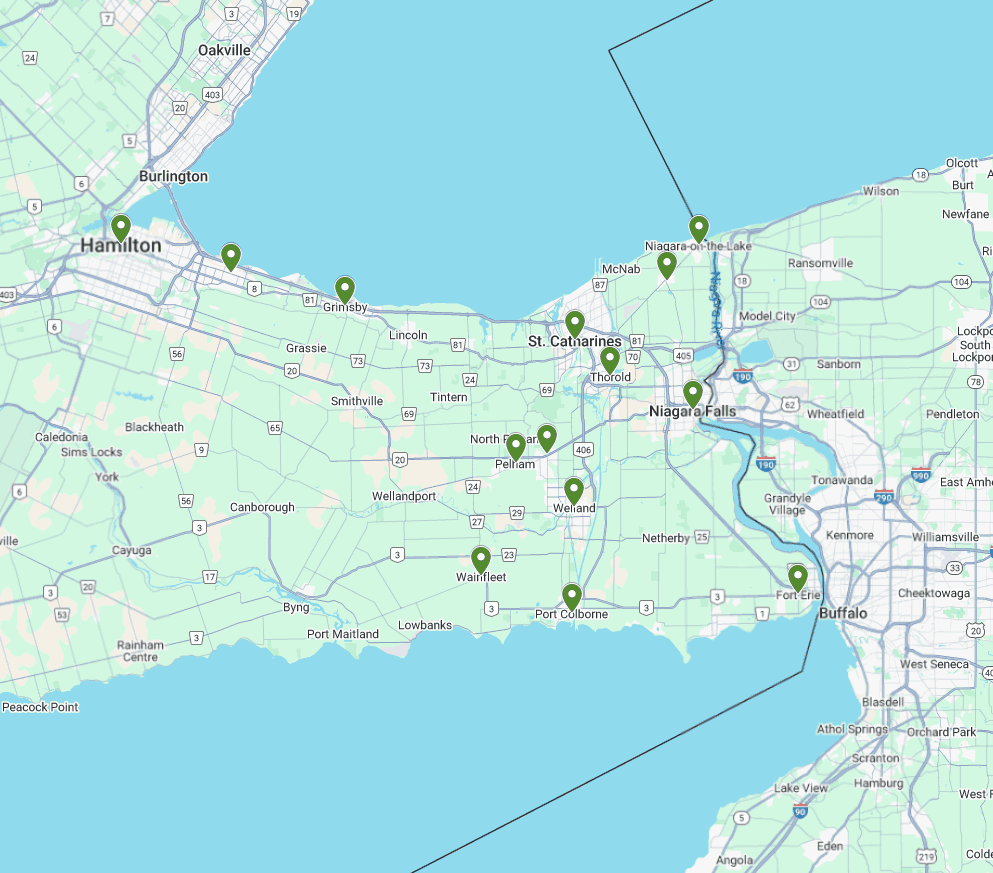
Our service areas encompass a wide range of locations, ensuring that we can meet the needs of our clients wherever they are. From bustling urban centers to serene rural landscapes, we are committed to providing top-notch services tailored to each unique environment.