



This page provides a comprehensive overview of heating repair in St Catharines, ON, outlining common furnace and boiler issues, diagnostic steps, and typical repair approaches. It explains how local conditions influence reliability, safety concerns like carbon monoxide, and why timely maintenance reduces costs. Readers will learn diagnostic workflows, service options, pricing transparency, and expected timelines, plus practical preventive tips to extend system life and avoid repeat failures in Niagara Region homes. It emphasizes safety, efficiency, and choosing qualified technicians.
.jpeg)
Heating repair in St Catharines, ON
Reliable heating repair in St Catharines, ON is essential for keeping homes warm and safe through long, damp winters and sudden cold snaps. Whether you own an older bungalow near the lake or a newer subdivision home, understanding common heating problems, how they are diagnosed, and what repairs typically involve helps you make confident decisions when your furnace or boiler fails. It describes typical issues, diagnostic steps, repair types (ignition, motors, controls, gas leaks, heat exchanger), emergency options, transparent pricing practices, expected timelines, and preventive steps to avoid repeat failures — all tailored to St Catharines homes and conditions.
Why heating repair matters in St Catharines
St Catharines experiences cold, humid winters and frequent freeze-thaw cycles that accelerate wear on heating systems. Salt and moisture from Lake Ontario contribute to corrosion on outdoor components and venting. Many local homes have furnaces and boilers that work hard for long heating seasons, so timely repairs prevent higher energy bills, unsafe conditions like carbon monoxide leaks, and premature system replacement.
Common heating repair issues in St Catharines
- Furnace not starting or intermittent operation (failed ignition, thermostat faults)
- Weak or no airflow (blower motor problems, clogged filters, duct leaks)
- Frequent cycling or short-cycling (oversized system, clogged heat exchanger, control issues)
- Strange noises (bearing failure, loose components, inducer motor issues)
- Incomplete combustion or pilot light problems (dirty burners, faulty ignition)
- Gas odor or suspected gas leak (line or valve failure, regulator issues)
- Faulty controls or circuit board failures (failed relays, sensors)
- Cracked or corroded heat exchanger (age-related stress, corrosion)
- Condensate drain or pressure switch failures (common in high-efficiency furnaces)
These are the most common heating repair issues in St Catharines and the Niagara Region, especially in homes with older systems or irregular maintenance.
How we diagnose heating problems
A reliable diagnostic procedure identifies root causes quickly and avoids unnecessary replacements. Typical steps include:
- Visual inspection of furnace or boiler, venting, and flue for corrosion, leaks, and blockages.
- Thermostat verification and wiring checks to confirm proper signals.
- Electrical testing of controls, relays, capacitors, and motors with multimeters.
- Combustion and safety checks: flame sensor, ignition sequence, pressure switch operation.
- Airflow assessment: filter condition, blower wheel inspection, duct leakage points.
- Combustion gas and carbon monoxide (CO) testing when combustion equipment is involved.
- If a gas odor is present, immediate leak detection with electronic gas detectors and visual inspection of gas lines and connections.
Diagnostics in St Catharines are often adjusted for local conditions — technicians look for corrosion from lake salt and inspect outside venting for bird or debris blockages after windy weather.
Typical repair services explained
- Ignition system repair: Replacing or cleaning pilot assemblies, electronic ignition modules, flame sensors, and electrodes that fail to light or sense flame properly. Modern systems often need module or transformer replacement.
- Motor and blower repairs: Repairing or replacing blower motors, inducer motors, bearings, belts, and capacitors to restore proper airflow and reduce noise.
- Controls and circuit board service: Replacing faulty control boards, relays, thermostats, and safety switches. Reprogramming or calibrating controls to prevent short-cycling.
- Gas leak detection and repair: Locating leaks, shutting off supply if needed, replacing failed valves or fittings, and pressure-testing lines until they meet safety standards. Gas repairs always follow strict safety protocols.
- Heat exchanger issues: Inspecting for cracks or corrosion. Small issues may be mitigated, but a cracked heat exchanger typically requires replacement of the furnace or the exchanger per safety codes due to CO risk.
- Condensate and pressure switch work: Clearing drains, replacing condensate pumps, and repairing pressure switch tubing to restore high-efficiency furnace operation.
Emergency and rapid-response heating repair
During cold stretches in St Catharines, emergency furnace failures pose safety and comfort risks. Emergency options include:
- Rapid-response diagnostics to assess hazards like gas leaks or CO risk.
- Temporary safety measures such as shutting off gas, isolating malfunctioning equipment, and providing interim mechanical fixes so the home remains safe.
- Prioritizing parts and expedited repair scheduling when hazardous failures are detected.
Technicians performing emergency repairs follow strict safety checks, including CO testing and combustion analysis before returning equipment to service.
Transparent pricing and parts replacement
Transparent pricing is critical. Typical transparency practices include:
- Itemized diagnostic fees and what they cover (inspection, testing, safety checks).
- Clear, written estimates listing parts, labor, and any applicable warranties before work begins.
- Options for OEM versus aftermarket parts with explanations of expected life and warranty differences.
- Disclosure of follow-up or warranty coverage on repairs and replaced parts.
This approach helps homeowners in St Catharines compare repair versus replacement decisions based on safety, efficiency, and long-term cost.
Expected repair timelines
- Minor repairs (thermostat, filter, sensor, simple motor fixes): often same-day.
- Component replacements (ignition modules, blower motors, control boards): same-day to next-day depending on parts availability.
- Gas line repairs and more complex combustion fixes: same-day if safe quick parts are on hand; otherwise scheduled within 24-48 hours.
- Heat exchanger replacement or full system replacement: multi-day project, including permit and disposal time.
Local supply chain and part availability in the Niagara Region can affect timelines, so prompt scheduling after diagnosis reduces downtime.
Preventive advice to avoid repeat failures
- Schedule annual heating tune-ups before the heating season to catch wear and maintain efficiency.
- Replace filters regularly and use the correct MERV rating for your system.
- Keep vents and flues clear, and inspect outdoor intake and exhaust for corrosion and blockages.
- Install and test carbon monoxide detectors on every level, especially near bedrooms.
- Seal and insulate ducts and ensure thermostat settings and wiring are stable.
- Address odd noises, smells, or cycling early — small signs often prevent major failures.
- Avoid DIY gas repairs; always have licensed technicians handle gas lines and combustion systems.
Keeping heating systems well maintained is especially important in St Catharines where extended cold spells and humidity increase system load and corrosion risk. Regular care extends equipment life, improves safety, and reduces emergency repairs.

Customer Testimonials

Very efficient company. I needed an old solar water heater removed from my roof. They were quick to book an appointment for the next day after I sent photos. They were very knowledgeable of the issue. The 2 guys that came were friendly and competent with the job, including removal of all parts.

I had an issue with my hot water tank and called Niagara Home Heating. Their service was fantastic and reasonably priced—exactly how a business should be run!
Lifesavers!! The AC in our house decided to quit the day we were passing the keys to the new owners!! Instead of making a service call to the house, John coached me through the minor repair over the phone, saving me the money and time waiting for a repair person to come.Much appreciated! Thanks again John
We had an amazing experience getting our new furnace installed with Niagara Home Heating. The owner was very helpful, their quote was more then competitive and the technician who installed the unit was professional and friendly. I would recommend their services.
I have used Niagara Home heating for multiple projects for over 16 years. John and his staff are absolutely the best. I tell all my friends and family about Niagara Home Heating because you won’t get any better service or pricing anywhere in Niagara. He has saved me thousands and thousands of dollars and has never let me down.
I called John today at 2:pm as my AC was not working and I wasn’t expecting even a call back as I knew with this hot weather we have had he would be swamped with calls. Well he called me back and showed at 8:pm on the same day to fix my AC. That is just incredible service and how much John really cares about his clients. Thank you John !

Service Areas
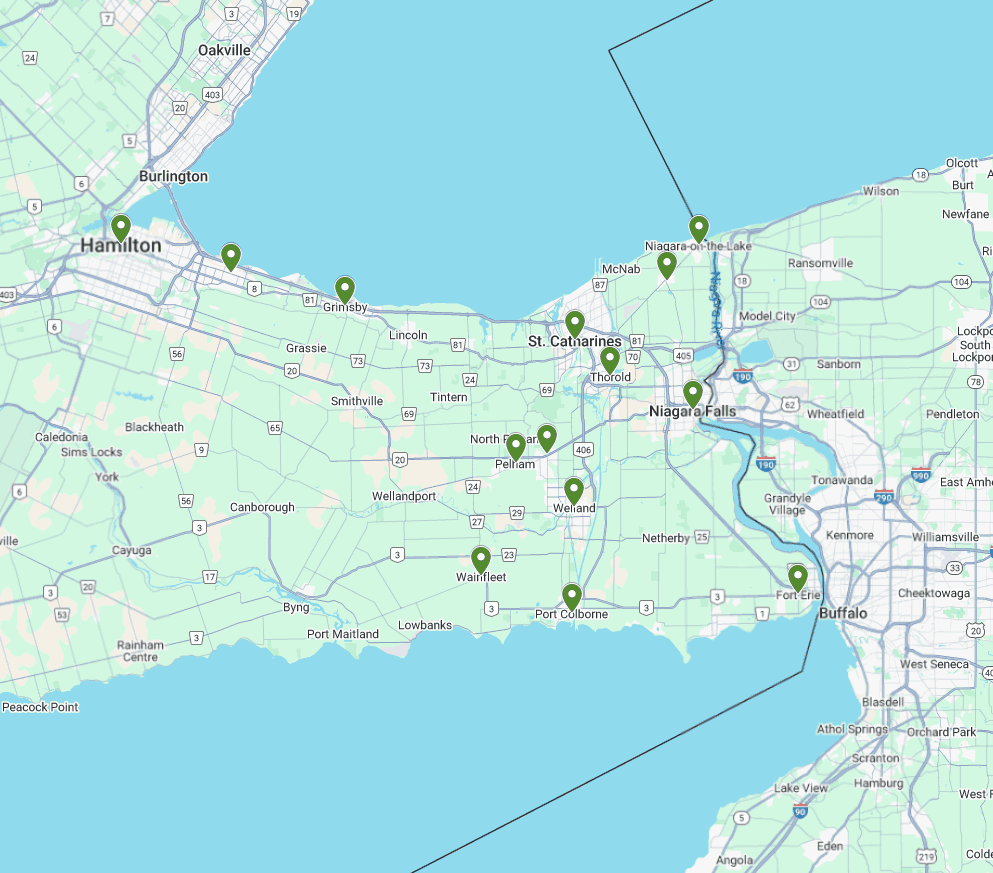
Our service areas encompass a wide range of locations, ensuring that we can meet the needs of our clients wherever they are. From bustling urban centers to serene rural landscapes, we are committed to providing top-notch services tailored to each unique environment.