



Heating in Niagara Falls, ON
Heating is more than comfort in Niagara Falls, ON; it is essential for safety, health, and protecting your home from freeze damage during long, cold winters. Niagara heating delivers comprehensive heating services in Niagara Falls and the surrounding Niagara Region, focused on diagnosing problems accurately, extending equipment life, and recommending cost-effective upgrades that reduce energy use. Whether you manage a single family home, a multiunit rental, or a commercial property,

Why heating service matters in Niagara Falls
Niagara Falls experiences cold winters with lake effect snow, damp conditions, and temperature swings that place added stress on heating systems. Many local homes are older and may have original or undersized ductwork and limited insulation. Those factors combined with humidity and salt air near the lake can accelerate corrosion and reduce equipment efficiency. Timely, professional heating service improves reliability, lowers operating costs, and prevents emergency breakdowns when temperatures fall below freezing.
Common heating services in Niagara Falls
- Furnace repair diagnostics for gas and electric furnaces, and for integrated systems with heat pumps.
- Routine heating service and seasonal maintenance plans to keep equipment safe and efficient.
- Full system replacement and professional installation with right-sized equipment and updated ductwork.
- 24/7 emergency furnace repair for failures that present safety risks or loss of heat during cold spells.
- Energy-efficiency evaluations and tailored recommendations to reduce energy bills.
- Assistance with available warranties, manufacturer registrations, and rebate paperwork.
- Financing options and guidance to make replacements or major upgrades more affordable.
- New construction heating design and installation, including load calculations, zoning, and coordination with builders.
What to expect during a heating service visit
Initial inspection and diagnostics
A typical diagnostic visit begins with a thorough visual and operational inspection of the furnace and associated components. Technicians will:
- Review the system history and recent symptoms with the homeowner or building manager.
- Inspect combustion seals, burners, heat exchanger condition (if safe to do so), and venting.
- Check electrical connections, safety controls, thermostat operation, and airflow.
- Measure temperature rise across the furnace, test blower motor operation, and verify proper gas pressure or electrical inputs.
These checks help identify root causes rather than guesswork, which reduces unnecessary parts replacement.
Detailed estimates and transparent options
After diagnostics, Niagara heating provides a clear estimate showing recommended repairs or replacement options, expected timelines, and the warranty coverage for parts and labour. Estimates will include comparisons between repairing the existing unit and replacing it with a higher efficiency option, including projected energy savings to help you make a decision that meets performance and budget goals.
Repair, service, and timelines
- Minor repairs and part replacements are often completed the same day when parts are in stock.
- Comprehensive repairs that require special-order parts or permits typically take 24 to 72 hours depending on part availability.
- Full system replacements in typical single family homes often require one to three days, depending on whether duct modifications, new venting, or additional components such as a condensing unit are needed.
Technicians will communicate expected timeframes and any potential impacts to the home during installation or service.
24/7 emergency furnace repair
Furnace failures can happen at any time, often at night or during severe weather. Emergency services focus on restoring heat safely while minimizing risk from carbon monoxide or gas leaks. Emergency technicians prioritize:
- Safe shutdowns or temporary fixes to restore heat.
- Identifying immediate hazards such as cracked heat exchangers, gas smell, or electrical shorts.
- Rapid interim solutions while arranging permanent repairs or replacement.
Common warning signs and troubleshooting tips
Recognizing early signs of trouble prevents colder nights and costly emergency repairs. Common warning signs in Niagara Falls homes include:
- Uneven heating from room to room or hot and cold spots.
- Short cycling where the furnace turns on and off frequently.
- Rising heating bills without a change in thermostat settings or weather.
- Weak airflow from vents or unusual noises such as banging, rattling, or high-pitched squeals.
- Yellow pilot flame on older furnaces (should be steady blue for safe combustion).
- The furnace will not start, or the thermostat displays error codes.
- Activated carbon monoxide alarms or unusual odors.
Simple, safe troubleshooting steps you can take before calling a pro
- Check the thermostat: Ensure it is set to heat, on the correct temperature scale, and has fresh batteries if it uses them.
- Replace or inspect the air filter: Restricted airflow is a leading cause of poor performance and short cycling.
- Confirm the circuit breaker is on and power to the furnace is not interrupted.
- Check vents and registers to ensure they are open and not blocked by furniture or curtains.
- For gas furnaces, a safety note: if you smell gas or suspect a leak, evacuate the home and contact the appropriate emergency services. Do not attempt to repair gas lines yourself.
Why professional diagnostics beat DIY fixes
DIY fixes can delay resolving the real problem and sometimes make matters worse. Professional diagnostics isolate mechanical, electrical, and control issues and ensure repairs are safe. Niagara heating technicians are trained to identify hidden issues like failing control boards, deteriorating heat exchangers, or improperly sized systems that can shorten equipment life or create unsafe operation.
Maintenance plans to extend equipment life
Routine maintenance is the most cost effective way to avoid breakdowns, preserve warranty eligibility, and improve energy efficiency. A professional maintenance plan typically includes:
- Annual or biannual tune-up and inspection.
- Cleaning burners, heat exchangers, and combustion components where applicable.
- Checking and adjusting gas pressure and pilot systems.
- Tightening electrical connections and testing safety controls.
- Lubricating motors and verifying blower operation.
- Measuring system performance and making adjustments to optimize efficiency.
- Filter reminders and prioritization of any recommended repairs.
Benefits of regular maintenance include fewer service calls, longer equipment life, improved indoor air quality, and lower monthly heating bills.
When replacement is the right choice
Replacing an aging furnace often makes sense when repair costs approach 50 percent of the value of a new unit, when equipment is beyond 15 to 20 years old, or when frequent failures occur. Replacement is also an attractive option if you want to:
- Reduce energy bills with a high efficiency condensing furnace or a modern heat pump system.
- Improve home comfort with variable-speed blowers and better zoning.
- Upgrade to low-maintenance, longer warranty equipment.
Niagara heating performs load calculations to right-size equipment, ensuring new installations match the home or building needs without oversizing, which wastes energy.
Product and brand options
Niagara heating works with a range of leading brands and product types to match local needs:
- High-efficiency condensing gas furnaces with AFUE ratings well above 90 percent.
- Modulating burners and variable-speed blowers for finer temperature control and quieter operation.
- Electric furnaces and hybrid systems for homes without natural gas.
- Heat pumps and dual fuel systems suited for milder heating seasons and cooling needs in summer.
- Zone control systems, smart thermostats, and indoor air quality upgrades such as filters, UV lights, and whole-home humidifiers.
Technicians will explain advantages, expected energy savings, and lifetime cost comparisons so you can decide on a system that fits your priorities.
Energy-efficiency recommendations for Niagara Falls homes
Local climate and building stock influence the most effective efficiency upgrades. Recommended strategies include:
- Upgrading to a high-efficiency furnace or heat pump to reduce fuel consumption during long winters.
- Installing a programmable or smart thermostat to reduce wasted heat when the home is unoccupied.
- Improving insulation and sealing air leaks to reduce overall heating load.
- Sealing and insulating ductwork to improve airflow and reduce heat loss common in older homes.
- Adding zoning controls for multi-level homes, allowing different temperatures by area and reducing wasted energy.
- Combining HVAC upgrades with available rebates and finance options to improve payback periods.
Warranties, financing, and rebate assistance
Equipment warranties vary by manufacturer and model. Typical elements include:
- Manufacturer equipment warranty that covers parts for a specified time, frequently extendable with proper installation and maintenance registration.
- Labour warranty provided by the installer for workmanship and installation defects.
Niagara heating assists with warranty registration and explains what actions are needed to retain warranty coverage.
Financing options and rebate assistance
Replacing a furnace or upgrading to a high-efficiency heat pump can be supported through financing plans and government or utility rebates. Niagara heating helps customers:
- Understand eligible provincial and federal energy efficiency incentives.
- Prepare documentation required for rebate applications.
- Explore financing and payment programs to spread investment across manageable terms.
This support helps homeowners select energy-efficient systems without being limited by short term cash flow constraints.
Guidance for new construction projects
New construction requires careful coordination among builders, designers, and HVAC professionals to deliver the expected comfort and efficiency. Niagara heating provides:
- Heat loss and gain calculations to size equipment and design ductwork.
- Recommendations on system type based on building envelope, fuel availability, and client preferences.
- Pre-construction planning to route ductwork, locate mechanical rooms, and establish service access.
- Coordination with other trades to align timelines and inspections, minimizing delays during build phases.
Early involvement in the planning stage produces better performance and can reduce change orders during construction.
Safety considerations and carbon monoxide protection
Safety is a priority for all heating work. Key safety practices include:
- Testing and inspecting for cracked heat exchangers and proper flue venting.
- Verifying carbon monoxide detection devices are present and functioning.
- Ensuring proper combustion and avoiding backdrafting from blocked flues.
- Following manufacturer and code-required clearances and combustion air needs.
Niagara heating emphasizes safe operation and educates homeowners about risks, recommended detectors, and regular maintenance to keep systems operating safely.
Commercial heating and multiunit solutions
Commercial buildings and multiunit residences have distinct heating requirements, including larger capacity systems, backup strategies, and service agreements for minimal downtime. Services for commercial clients include:
- Preventive maintenance agreements to reduce interruptions.
- System balancing, fuel management consultations, and redundancy planning.
- Specialized replacement solutions for boilers and commercial furnaces.
- Retrofits to improve efficiency without complete system replacement.
Local service area considerations and community insight
Niagara Falls homes and businesses face heating challenges shaped by local weather patterns and housing stock. Common local issues include older duct systems, moisture-related corrosion, and buildings with mixed heating strategies. Seasonal factors such as lake effect snow and springtime humidity swings influence system performance and maintenance timing. Niagara heating understands these local conditions and plans services accordingly, recommending solutions built for the Niagara climate.
Maintenance checklist for Niagara Falls homeowners
- Fall furnace tune-up including safety checks and combustion testing.
- Monthly filter inspection and replacement as needed.
- Keep vents and returns clear of furniture or debris.
- Inspect outdoor components on heat pumps for ice build-up in winter and clear debris in spring.
- Test carbon monoxide detectors regularly and replace batteries at least once per year.
- Schedule annual duct inspection and cleaning for homes with recurring air quality concerns.
How to prioritize heating work
- Safety first: any carbon monoxide alarm or gas smell requires immediate professional attention.
- Reliability second: if your furnace is unreliable or more than 15 years old, consider planning for replacement before the next heating season.
- Efficiency third: if heating bills are rising significantly, an energy audit and equipment evaluation will show the best path to reduce costs.
- Comfort fourth: address uneven heating and airflow problems through ductwork, zoning, or equipment upgrades.
Why choose a local provider for heating in Niagara Falls
Local technicians who know Niagara Falls bring specific advantages: familiarity with prevalent home construction styles, awareness of seasonal impacts, and established relationships with local suppliers for parts and permits. Local providers can often respond faster during cold snaps and offer ongoing maintenance relationships that protect your investment.
Broader benefits of professional heating care
Regular, professional heating service delivers tangible benefits:
- Improved system reliability and fewer emergency repairs.
- Lower energy bills through optimized performance and right-sized equipment.
- Longer equipment life, delaying large capital replacements.
- Better indoor air quality and comfort.
- Proper documentation and warranty protection that add value to your property.
Frequently asked questions
Q: How often should I have my furnace serviced?
A: Annual maintenance is recommended for most systems, ideally in the fall before the heating season begins. Homes with heavy use or older equipment may benefit from biannual checks.
Q: What are the signs I need a new furnace instead of repairs?
A: Consider replacement if your furnace has frequent breakdowns, repair costs are approaching half the price of replacement, the unit is over 15 years old, or performance and efficiency no longer meet your needs.
Q: Can I improve heating efficiency without replacing the furnace?
A: Yes. Improvements such as sealing and insulating ductwork, upgrading thermostats, adding zoning controls, and improving insulation can significantly improve efficiency and comfort.
Q: Are high-efficiency furnaces worth the extra cost?
A: High-efficiency furnaces often reduce fuel use and operating costs, especially in cold climates like Niagara Falls. Payback depends on fuel prices, usage patterns, and available incentives.
Q: What should I do if my carbon monoxide detector sounds?
A: If a carbon monoxide detector sounds, evacuate the home immediately and seek fresh air. Contact emergency services or a qualified heating professional to inspect the system before reentering.
Q: How long does a full furnace replacement usually take?
A: A standard replacement in a typical single family home is often completed in one to three days. Complex installs that require ductwork changes, new venting, or permitting may take longer.
Q: What is included in a professional furnace tune-up?
A: A professional tune-up typically includes cleaning combustion components, checking and adjusting gas pressure, inspecting the heat exchanger and venting, testing safety controls, lubricating moving parts, and verifying overall system operation.
Q: Are there rebates or financing available for energy-efficient upgrades?
A: Many energy-efficient upgrades qualify for provincial, federal, or utility rebates and there are often financing options to spread costs. A heating provider can help identify applicable incentives and assist with application paperwork.
Comprehensive heating services available
We provide a full spectrum of heating services tailored to Niagara homes, including:
Diagnostic repair
- Detailed troubleshooting using industry-standard tools to pinpoint faults in furnaces, boilers and heat pumps.
- Safety checks for combustion, CO levels, gas leaks and electrical issues.
- Clear explanation of findings and recommended repairs with expected outcomes.
Routine service and preventative maintenance
- Seasonal tune-ups that include filter replacement, burner cleaning, blower inspection, thermostat calibration and combustion testing.
- Preventative maintenance reduces breakdowns during peak cold, improves efficiency and extends equipment life.
Furnace-specific care
- Repairs for gas, electric and oil furnaces, including ignition systems, heat exchangers, blower motors and control boards.
- Dedicated furnace maintenance plans to ensure safe operation through Niagara winters.
- Replacement and upgrade options when repair is no longer cost effective.
Full system replacement and professional installation
- Home heating load calculations to right-size equipment for comfort and efficiency.
- Ductwork inspection, modifications and sealing to improve delivery and reduce losses.
- Installation of high-efficiency furnaces, boilers or heat pumps matched to home needs.
- Proper venting, commissioning and safety verification on every installation.
24/7 emergency furnace response
- Rapid response to furnace failures, no-heat conditions and safety-related issues during cold weather.
- Temporary solutions to restore heat safely when parts or replacement scheduling is required.
Efficiency and cost-saving recommendations
- Analysis of system efficiency and payback for upgrades.
- Advice on programmable and smart thermostats, zoning, insulation, and duct sealing to reduce energy consumption.
- Guidance on choosing units with higher AFUE ratings or modern heat pump technology for long-term savings.
Warranties and financing for new systems
- Explanation of available manufacturer warranties and labor guarantees.
- Information on common financing options to make replacement more affordable while prioritizing the right fit and long-term value.
What a diagnostic visit looks like
A thorough diagnostic visit follows a predictable, transparent process:
- System intake and symptom review - technician documents what is happening and any recent changes.
- Safety inspection - CO testing, gas leak checks and venting confirmation take priority.
- Operational testing - running the system to observe behavior, temperatures, pressures and electrical signals.
- Component inspection - filters, burners, heat exchangers, motors, controls and ducts are examined.
- Clear findings and options - problems are explained in plain language with repair, maintenance or replacement options and expected lifespan if left unattended.
Technicians provide estimates for repairs and discuss warranty implications so you can make an informed decision.
Repairs, replacements and what to expect
- Repairs focus on restoring safe, efficient operation using OEM-quality parts where possible. Common repairs include motor replacement, ignition module repair, control board swaps and heat exchanger servicing.
- Replacement is recommended when repair costs approach or exceed the remaining value of the unit, or when efficiency gains and reliability justify an upgrade. Right-sizing and proper ductwork are crucial to avoid short cycling and comfort problems.
- Installation includes full commissioning, system balancing and a final safety walkthrough so homeowners understand new controls and maintenance needs.
Benefits of timely service and maintenance
Regular heating care delivers measurable benefits for Niagara households:
- Lower operating costs through improved efficiency.
- Fewer emergency breakdowns during winter’s most severe days.
- Extended equipment life and better resale value for the home.
- Improved comfort and more consistent temperatures throughout the house.
- Enhanced safety by detecting combustion or venting issues early.
Practical homeowner maintenance tips
Simple steps between professional visits improve reliability:
- Replace or clean filters monthly during heavy use periods.
- Keep vents and returns unobstructed by furniture or storage.
- Program thermostats sensibly and use setback schedules where practical.
- Test carbon monoxide detectors and smoke alarms regularly.
- Schedule an annual professional tune-up before the heating season.
Timely care is especially important in the Niagara Region where long heating seasons and lake effect conditions put extra strain on systems. Proper maintenance and well-informed replacement choices reduce surprises, lower energy use and keep homes comfortable and safe all winter long.

Customer Testimonials

We had an amazing experience getting our new furnace installed with Niagara Home Heating. The owner was very helpful, their quote was more then competitive and the technician who installed the unit was professional and friendly. I would recommend their services.

Lifesavers!! The AC in our house decided to quit the day we were passing the keys to the new owners!! Instead of making a service call to the house, John coached me through the minor repair over the phone, saving me the money and time waiting for a repair person to come.Much appreciated! Thanks again John
Very efficient company. I needed an old solar water heater removed from my roof. They were quick to book an appointment for the next day after I sent photos. They were very knowledgeable of the issue. The 2 guys that came were friendly and competent with the job, including removal of all parts.
I called John today at 2:pm as my AC was not working and I wasn’t expecting even a call back as I knew with this hot weather we have had he would be swamped with calls. Well he called me back and showed at 8:pm on the same day to fix my AC. That is just incredible service and how much John really cares about his clients. Thank you John !
I had an issue with my hot water tank and called Niagara Home Heating. Their service was fantastic and reasonably priced—exactly how a business should be run!
I have used Niagara Home heating for multiple projects for over 16 years. John and his staff are absolutely the best. I tell all my friends and family about Niagara Home Heating because you won’t get any better service or pricing anywhere in Niagara. He has saved me thousands and thousands of dollars and has never let me down.

Service Areas
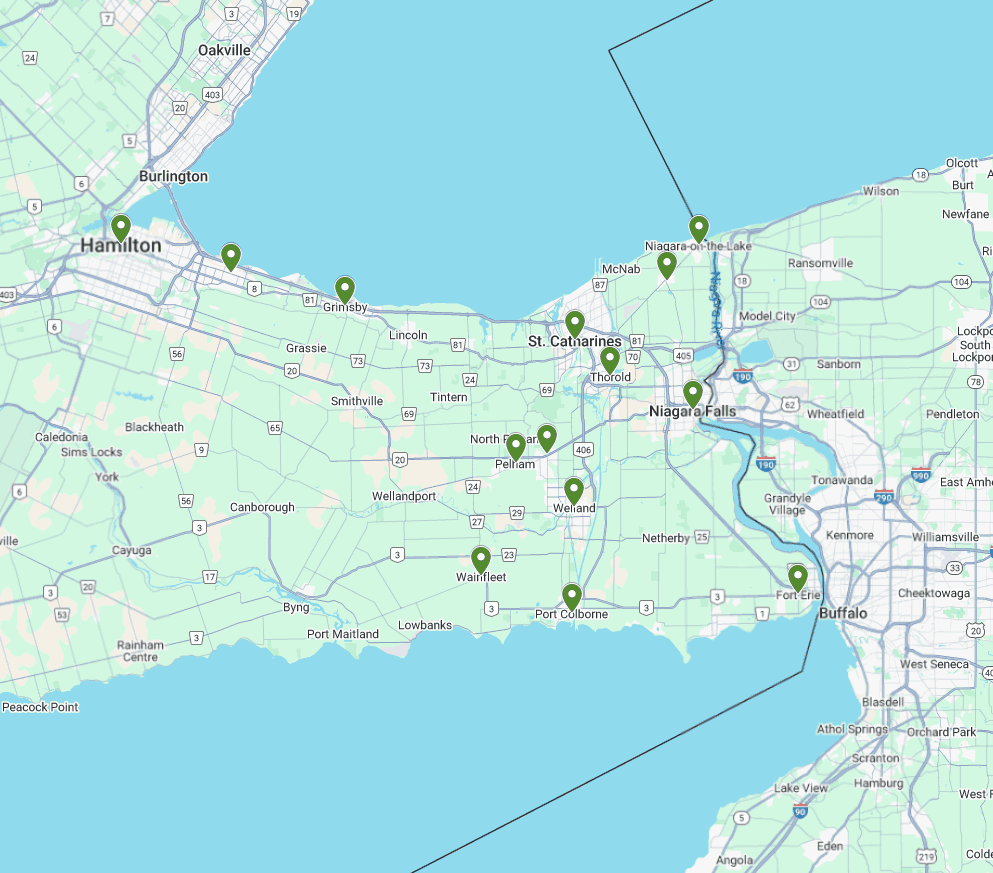
Our service areas encompass a wide range of locations, ensuring that we can meet the needs of our clients wherever they are. From bustling urban centers to serene rural landscapes, we are committed to providing top-notch services tailored to each unique environment.