



Emergency AC repair in Fonthill, ON delivers fast, safety-driven service to restore cooling during extreme heat. The guide common urgent failure scenarios, rapid on-site diagnostics, and temporary fixes designed to stabilize systems while permanent repairs are arranged. Homeowners should expect triage calls, swift technician dispatch, clear ETA updates, and professional safety protocols. Preparation tips help occupants describe symptoms accurately and provide access details. By prioritizing timely maintenance, families reduce risk of damage and regain comfortable indoor conditions quickly.
-min.jpeg)
AC emergency-ac-repair in Fonthill, ON
An air conditioner failure in the middle of a Fonthill summer can quickly become an urgent health, comfort, and property concern. It describes what to expect from 24/7 emergency air conditioning repair in Fonthill, ON: common urgent failure scenarios, how rapid-response teams diagnose and stabilize systems on-site, safety protocols, realistic arrival and communication expectations, and practical steps you can take to request and prepare for immediate service.
Why emergency AC repair matters in Fonthill, ON
Fonthill experiences hot, humid summers and periodic heat waves. High indoor humidity and prolonged high temperatures increase the risk of system overload, compressor failure, and indoor air quality issues. In older homes or houses with undersized systems, an AC failure can lead to rapid discomfort and potential health risks for infants, seniors, or people with medical conditions. Timely emergency AC repair protects your home, prevents secondary damage (like humidity-related mold), and restores safe indoor conditions faster.
Common AC emergency scenarios in Fonthill
- Compressor failure or loud mechanical noise that indicates imminent breakdown
- Complete loss of cooling while outdoor temperatures are high
- Refrigerant leaks that cause frost on lines or reduced cooling capacity
- Electrical faults: tripped breakers, burning odors, or sparking equipment
- Condensate drain blockage causing overflow and water damage inside the home
- Fan or blower motor failure producing no airflow even when the system runs
- Thermostat or control board failures causing system short-cycling or shutdown
- Sudden loss of power after storms or generator events creating restart faults
Understanding these scenarios helps you describe the problem clearly when requesting emergency service and allows technicians to prioritize safety on arrival.
Rapid-response procedures for emergency AC repair
Emergency response for AC problems follows a predictable, safety-first workflow:
On-site diagnostics and temporary-fix strategies
Emergency work concentrates on stabilizing the system and restoring safe operation:
- Reset and test electrical components, replace blown fuses or faulty breakers if access and parts allow
- Clear condensate lines and deploy temporary condensate pumps or pans to prevent overflow
- Replace or bypass failed capacitors or contactors when safe to do so for temporary compressor starting capability
- Provide temporary fan motor wiring or interchangeable parts to restore airflow for short-term comfort
- Isolate refrigerant leaks and patch lines if possible; otherwise secure the system and advise on safe shutdown until a certified refrigerant repair can occur
- Install temporary sensors or set the thermostat to safe modes to protect sensitive occupants
Temporary fixes are intended to be safe short-term solutions until a full repair or replacement can be scheduled.
Safety protocols during emergency AC repair
Safety is the top priority for emergency AC technicians and homeowners:
- If you smell burning, see smoke, or suspect an electrical fire, evacuate occupants and call emergency services before calling an HVAC team.
- Disconnect power at the breaker if there are burning smells or visible electrical arcing, unless a professional instructs otherwise.
- Technicians follow lockout/tagout procedures and use protective equipment when handling electrical or pressurized refrigerant systems.
- Only certified technicians should handle refrigerant or open electrical panels. Homeowner attempts to repair these can create hazards and void warranties.
Communication and arrival time expectations in Fonthill
Emergency response times depend on demand, weather, and proximity, but local emergency teams servicing Fonthill typically aim for the fastest possible response within the service area. Reasonable expectations in this region are:
- Initial triage and dispatch within minutes of the emergency report
- Technician arrival often within 60 to 90 minutes for urgent calls in town under normal conditions
- Clear communication from dispatcher with ETAs, technician name, and any special instructions for access
Transparency about arrival windows and ongoing updates is standard for professional emergency services so you can plan for occupant safety while waiting.
How to request immediate emergency AC service (what to prepare)
When requesting emergency service, having the right information ready speeds response and improves outcomes:
- Exact address and the best access instructions (lockbox code, rear entrance, gate details)
- Unit make, model, and age if available, plus warranty status or recent service history
- Precise description of symptoms: noises, smells, visible leaks, thermostat behavior, and how long the issue has been occurring
- Information about vulnerable occupants (infants, elderly, medically dependent) so the dispatcher can prioritize appropriately
- Whether power is on or off, and if any breakers have been tripped
Use your HVAC provider’s emergency contact channel or online emergency request form when seeking after-hours service. Provide the details above to help the technician arrive prepared.
What you can do while waiting
- Move occupants to the coolest available area and use portable fans to maintain airflow
- Close blinds and limit heat-generating activities (cooking, laundry)
- Keep pets and children away from outdoor condensers and electrical panels
- If water is leaking, place towels or containers under the drip and protect flooring with plastic or cardboard
Preventing future AC emergencies
- Schedule seasonal preventive maintenance before summer and after heavy-use seasons
- Replace air filters every 1 to 3 months to prevent airflow restrictions and system strain
- Keep condensers clear of debris and trim foliage to ensure proper airflow
- Install a surge protector for critical HVAC components where frequent storms or power fluctuations occur
- Address minor faults early—unusual sounds, reduced cooling, or an increase in energy use often precede breakdowns
Timely maintenance reduces the likelihood of emergency calls and extends equipment life.

Customer Testimonials

I have used Niagara Home heating for multiple projects for over 16 years. John and his staff are absolutely the best. I tell all my friends and family about Niagara Home Heating because you won’t get any better service or pricing anywhere in Niagara. He has saved me thousands and thousands of dollars and has never let me down.

Very efficient company. I needed an old solar water heater removed from my roof. They were quick to book an appointment for the next day after I sent photos. They were very knowledgeable of the issue. The 2 guys that came were friendly and competent with the job, including removal of all parts.
We had an amazing experience getting our new furnace installed with Niagara Home Heating. The owner was very helpful, their quote was more then competitive and the technician who installed the unit was professional and friendly. I would recommend their services.
Lifesavers!! The AC in our house decided to quit the day we were passing the keys to the new owners!! Instead of making a service call to the house, John coached me through the minor repair over the phone, saving me the money and time waiting for a repair person to come.Much appreciated! Thanks again John
I called John today at 2:pm as my AC was not working and I wasn’t expecting even a call back as I knew with this hot weather we have had he would be swamped with calls. Well he called me back and showed at 8:pm on the same day to fix my AC. That is just incredible service and how much John really cares about his clients. Thank you John !
I had an issue with my hot water tank and called Niagara Home Heating. Their service was fantastic and reasonably priced—exactly how a business should be run!

Service Areas
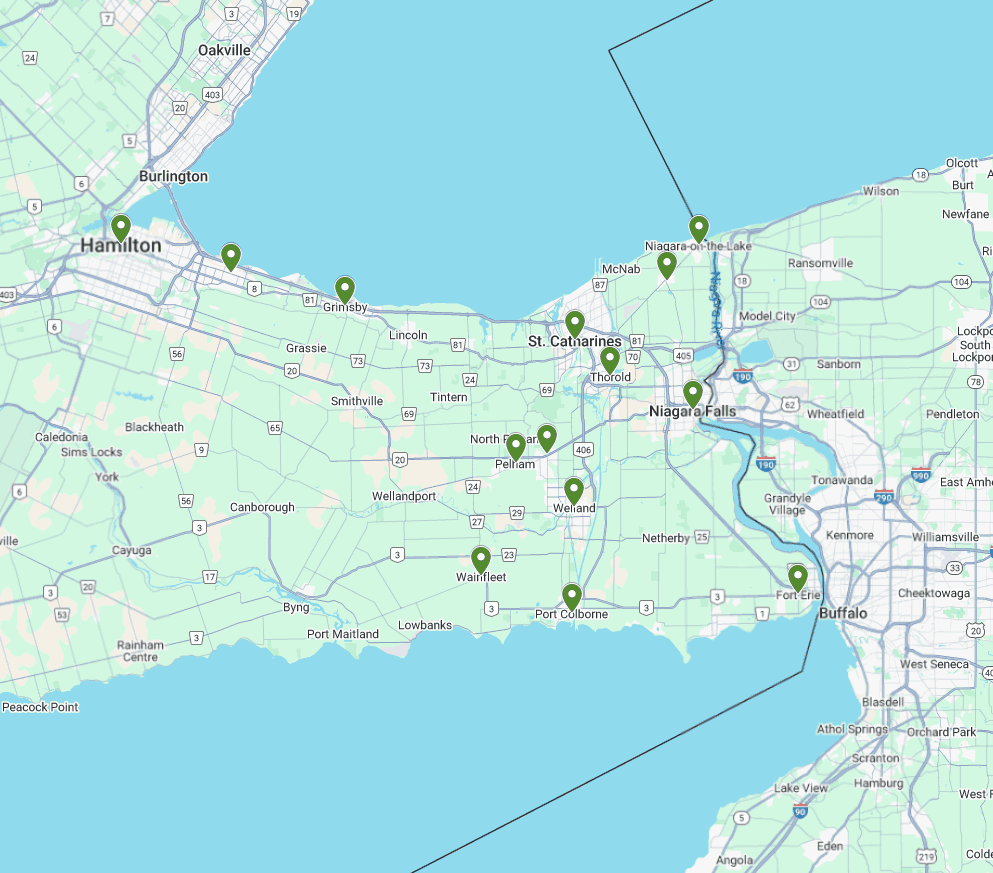
Our service areas encompass a wide range of locations, ensuring that we can meet the needs of our clients wherever they are. From bustling urban centers to serene rural landscapes, we are committed to providing top-notch services tailored to each unique environment.