



AC installation in Fonthill, ON provides a comprehensive overview of selecting the right unit, sizing it accurately, and navigating permits, installation steps, and warranties. The guide covers common installation types for humid summers, pre-installation assessments, equipment considerations for efficiency and dehumidification, and a step-by-step process from site preparation to commissioning. It also thermostat setup, environmental and code compliance, and long-term maintenance to maximize comfort, air quality, and energy savings for Fonthill homes. It describes also highlights warranties and financing options.
.jpeg)
AC installation in Fonthill, ON
Installing a new air conditioner is one of the most important investments you can make for year-round comfort, indoor air quality, and energy savings in Fonthill homes. With hot, humid summers in the Niagara region and increasingly frequent heat events, the right system sized and installed correctly will keep your home cool, control humidity, and lower operating costs. It describes the full AC installation process for Fonthill, ON — from the pre-installation assessment and equipment selection to permits, thermostat setup, commissioning, warranties, and long-term maintenance.
Why replace or install a new AC in Fonthill
- Inefficient cooling or rapidly rising energy bills during hot months
- Frequent breakdowns or costly repairs on aging units
- Poor humidity control leading to sticky indoor air and mold risk
- Renovations, additions, or new construction requiring updated capacity
- Desire for better indoor air quality, zoning, or smart thermostat controls
Understanding these pain points helps prioritize solutions that fit your Fonthill home and budget while ensuring reliable performance through the summer.
Common AC installation types and concerns in Fonthill
- Central air conditioner installation paired with existing furnaces or heat pumps
- Replacement of old condensers and evaporator coils
- Ductless mini-split installation for additions, garages, or sunrooms
- Conversion from window units to whole-home systems
- Upgrading for higher SEER efficiency and improved dehumidification
Local homes in Fonthill often face humidity and duct leakage issues, so installations routinely include strategies for moisture control and duct sealing to maximize comfort and efficiency.
Pre-installation home assessment: what we evaluate
A thorough pre-installation assessment prevents sizing mistakes and surprises:
- Load calculation: A Manual J load calculation estimates heating and cooling needs based on home size, insulation, window area, orientation, and occupancy. This determines correct AC capacity for Fonthill climate conditions.
- Duct evaluation: Inspect existing ductwork for leaks, insufficient insulation, undersized runs, or poor layout. Many older regional homes need duct sealing or resizing for balanced airflow.
- Electrical check: Verify circuit capacity, breaker availability, and panel space for the new condenser and controls.
- Site review: Confirm outdoor condenser placement, clearances, noise considerations, and drainage.
- Indoor air quality needs: Assess filtration, ventilation, and dehumidification requirements for allergy-prone households.
Equipment recommendations and considerations
- Right-sized equipment: Oversized units cycle too frequently and do not dehumidify effectively; undersized units run continuously and struggle on peak days. Proper sizing is critical.
- Efficiency and SEER: Higher SEER units save energy in long-term operation. For Fonthill summers, prioritize models with good moisture removal capability in addition to SEER ratings.
- Matched systems: Pair outdoor condenser and indoor coil from the same manufacturer for reliable performance and warranty compliance.
- Zoning or variable-speed compressors: Consider multi-zone or variable-speed options for improved comfort in larger or multi-level homes.
- Ductless options: For additions or homes without ducts, modern ductless systems provide efficient, quiet cooling with individual zone control.
Step-by-step installation process
Code, permit, and environmental considerations
- Permits: Local building permits are typically required for new AC installations or major replacements. Permit requirements ensure electrical and mechanical work meets Ontario and local Niagara Region codes.
- Refrigerant handling: Certified technicians must recover, recycle, or reclaim refrigerants in compliance with federal and provincial rules.
- Energy codes: New installations may need to meet energy efficiency standards and mechanical code updates that affect equipment selection and ductwork.
Thermostat setup and controls
- Thermostat placement: Install thermostats away from direct sun, drafts, or heat sources for accurate sensing.
- Smart/programmable thermostats: Improve comfort and reduce energy use with scheduling, remote access, and system diagnostics.
- Zoning and dampers: When added, properly calibrated zone controls maintain consistent temperatures across different areas of the home.
Commissioning and performance testing
- Measured airflow and refrigerant pressures confirm correct installation.
- Temperature split and system runtime are checked to ensure appropriate dehumidification and cooling capacity.
- Electrical consumption and amp draw are verified for safety and efficiency.
- Final walkthrough explains thermostat operation, filter locations, and basic maintenance needs.
Warranty, documentation, and financing options
- Manufacturer warranty: New equipment typically includes a limited warranty on parts and sealed system components. Registration may be required to qualify for full coverage.
- Installation warranty: Professional installations include workmanship guarantees on labor and installed components.
- Financing: Various financing options and provincial incentive programs may be available to help manage upfront costs for energy-efficient upgrades. Documentation and warranty registration are provided at completion.
Long-term benefits and maintenance advice
- Greater comfort and consistent temperatures, especially during Fonthill summer humidity
- Improved indoor air quality through better filtration and dehumidification
- Lower monthly energy costs with properly sized, high-efficiency systems
- Reduced repair frequency and extended equipment life with scheduled maintenance
Recommended maintenance items:
- Replace or clean filters every 1 to 3 months depending on usage
- Annual or bi-annual tune-ups before the cooling season to check refrigerant, electrical connections, and airflow
- Periodic duct inspections and sealing to prevent efficiency loss
- Keep outdoor unit clear of debris, vegetation, and snow
A quality AC installation tailored to Fonthill conditions starts with a detailed assessment and follows through with professional installation, careful commissioning, and documented warranties. Proper planning and regular maintenance deliver reliable cooling, better indoor air quality, and long-term energy savings for your home.

Customer Testimonials

Very efficient company. I needed an old solar water heater removed from my roof. They were quick to book an appointment for the next day after I sent photos. They were very knowledgeable of the issue. The 2 guys that came were friendly and competent with the job, including removal of all parts.

I had an issue with my hot water tank and called Niagara Home Heating. Their service was fantastic and reasonably priced—exactly how a business should be run!
I have used Niagara Home heating for multiple projects for over 16 years. John and his staff are absolutely the best. I tell all my friends and family about Niagara Home Heating because you won’t get any better service or pricing anywhere in Niagara. He has saved me thousands and thousands of dollars and has never let me down.
Lifesavers!! The AC in our house decided to quit the day we were passing the keys to the new owners!! Instead of making a service call to the house, John coached me through the minor repair over the phone, saving me the money and time waiting for a repair person to come.Much appreciated! Thanks again John
I called John today at 2:pm as my AC was not working and I wasn’t expecting even a call back as I knew with this hot weather we have had he would be swamped with calls. Well he called me back and showed at 8:pm on the same day to fix my AC. That is just incredible service and how much John really cares about his clients. Thank you John !
We had an amazing experience getting our new furnace installed with Niagara Home Heating. The owner was very helpful, their quote was more then competitive and the technician who installed the unit was professional and friendly. I would recommend their services.

Service Areas
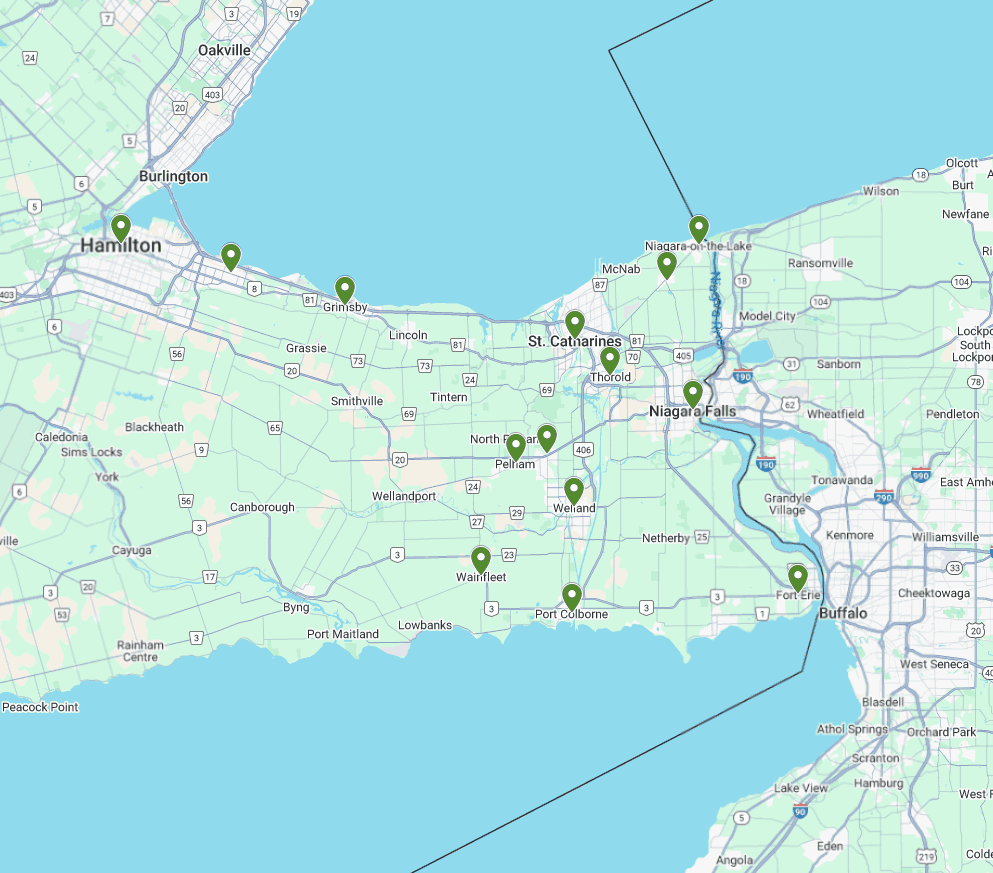
Our service areas encompass a wide range of locations, ensuring that we can meet the needs of our clients wherever they are. From bustling urban centers to serene rural landscapes, we are committed to providing top-notch services tailored to each unique environment.