



This page provides a complete overview of AC installation for Welland homes, from initial energy and load assessment to final commissioning. It explains sizing accuracy, system options (central air, heat pump, or ductless), and how permits, codes, and safety considerations shape the project. Readers learn about professional installation steps, commissioning tests, and the handoff with maintenance guidance. It also highlights financing options and long-term benefits like energy efficiency, comfort, and reliability, helping homeowners make informed, low-risk decisions.
.jpeg)
AC installation in Welland, ON
Installing a new air conditioning system is a major home upgrade, and in Welland, ON it directly affects comfort during hot, humid summers and shoulder seasons with unpredictable temperatures. This page explains the AC installation process for Welland homes, common installation issues in the area, how systems are selected and installed, permit and code considerations, and what to expect at handoff and beyond. The goal is to help homeowners make an informed, low-risk decision about replacing or adding cooling for lasting comfort and energy savings.
Why a proper AC installation matters in Welland, ON
Welland experiences warm, humid summers thanks to the Niagara microclimate and proximity to Lake Erie. High humidity increases cooling loads and reduces comfort if systems are improperly sized or lack dehumidification capability. Poorly installed equipment can lead to:
- Short cycling and uneven cooling
- High energy bills despite relatively new equipment
- Excess indoor humidity and mold risk
- Premature compressor or component failure
Getting the right system, correctly sized and professionally installed, prevents these problems and delivers efficient, reliable cooling tailored to your home.
Common AC installation needs and issues in Welland
- Replacing an old, inefficient central AC or packaged unit
- Converting from window units or portable systems to whole-home cooling
- Installing ductless mini-split systems for additions, basements, or rooms without ducts
- Upgrading to heat pump systems for combined heating and cooling (efficient in Niagara climate)
- Ductwork problems: undersized ducts, leaks, poor insulation, or rigid duct configurations from older homes
- Electrical capacity limits: older panels may need upgrades to support modern compressors
- Improper sizing: both oversized and undersized units are frequent causes of poor performance
Initial consultation and home energy/load assessment
A thorough installation begins with a detailed on-site consultation and load assessment. Typical steps include:
- Documenting home layout, insulation levels, window orientation, and shading
- Measuring conditioned square footage and ceiling heights
- Inspecting existing ductwork, returns, and the location for outdoor and indoor units
- Evaluating attic and basement conditions that affect cooling loads
- Estimating occupancy patterns and thermostat preferences
This assessment yields an accurate cooling load calculation (the basis for proper sizing) and identifies potential duct, electrical, or structural upgrades before installation.
Choosing the right system and sizing guidance
Sizing is critical. A correctly sized system balances capacity, efficiency, and dehumidification:
- Capacity: Calculated cooling requirement based on the load assessment, not rule-of-thumb tonnage
- Efficiency: SEER and EER ratings indicate seasonal and peak efficiency; higher ratings reduce long-term operating costs
- Dehumidification: In Welland’s humid climate, consider systems with good latent capacity or add a whole-house dehumidifier
- System type: Central air, heat pump, or ductless mini-splits — each has advantages depending on home layout and goals
- Zoning: Multiple thermostats or variable-capacity systems help maintain even temperatures in larger or multi-level homes
A professional will compare equipment models, factoring in warranty coverage and lifecycle operating costs to recommend the best fit.
Permits, code and safety considerations
AC installation must comply with Ontario electrical and building codes, as well as local Welland permit requirements. Common requirements include:
- Electrical permits for new circuits or panel upgrades
- Mechanical permits for new or replacement AC equipment in certain jurisdictions
- Proper refrigerant handling by certified technicians
- Compliance with Ontario Building Code for equipment placement and clearances
Proper permitting avoids delays, ensures safety, and preserves insurance and warranty coverage.
Professional installation steps
A professional installation typically follows a clear sequence:
- Site preparation and protective measures to keep the home clean
- Removal and safe disposal of old equipment and refrigerant if applicable
- Installing the outdoor condensing unit on a pad or bracket with proper clearance
- Mounting the indoor evaporator coil or air handler and connecting refrigerant lines and condensate drain
- Electrical connections, circuit installation, and grounding in accordance with code
- Ductwork repair, sealing, or modifications as identified in the assessment
- Insulation and refrigerant charging per manufacturer specifications
Technicians document each step and maintain a clean job site throughout the process.
Commissioning and efficiency testing
Commissioning confirms the system operates as designed:
- Verifying refrigerant charge and line set integrity
- Measuring airflow, static pressures, and temperature differentials
- Checking electrical load and startup amperage
- Testing thermostat calibration and control logic
- Monitoring initial run cycles for short cycling or imbalances
Efficiency testing ensures you receive the rated performance, and any adjustments are made before handoff.
Warranty, maintenance handoff and homeowner education
At completion you should receive:
- Manufacturer warranty documentation and service instructions
- A record of installation settings, refrigerant quantity, and test results
- Guidance on filter type and replacement schedule
- Basic thermostat programming tips and humidity control strategies
Ongoing maintenance—annual tune-ups, timely filter changes, and duct inspections—keeps efficiency high and extends equipment life.
Financing and rebate assistance
Welland homeowners may benefit from provincial or utility rebate programs and financing options to reduce upfront costs. Assistance typically covers:
- Identifying eligible rebates for energy-efficient systems or heat pumps
- Guidance on required documentation and timelines for rebate applications
- Explaining common financing structures for HVAC projects
Advisement during selection helps align system choices with available incentives for the best lifecycle value.
Long-term benefits and maintenance tips
A properly installed AC system in Welland provides:
- Consistent comfort and improved sleep during humid summers
- Lower energy bills with a correctly sized, efficient system
- Better indoor air quality and humidity control
- Reduced repair costs and longer equipment life with regular maintenance
Maintenance checklist for homeowners:
- Replace or clean filters every 1 to 3 months
- Keep outdoor unit clear of debris and vegetation
- Ensure condensate drains are flowing
- Schedule annual professional tune-up before cooling season
- Monitor for uneven temperatures or unusual noises and address promptly
Installing an air conditioner is both a comfort upgrade and an investment in the value and livability of your home. In Welland’s climate, system selection, accurate sizing, attention to ductwork, and professional commissioning are essential to achieve efficient, reliable cooling all season.

Customer Testimonials

I called John today at 2:pm as my AC was not working and I wasn’t expecting even a call back as I knew with this hot weather we have had he would be swamped with calls. Well he called me back and showed at 8:pm on the same day to fix my AC. That is just incredible service and how much John really cares about his clients. Thank you John !

We had an amazing experience getting our new furnace installed with Niagara Home Heating. The owner was very helpful, their quote was more then competitive and the technician who installed the unit was professional and friendly. I would recommend their services.
I had an issue with my hot water tank and called Niagara Home Heating. Their service was fantastic and reasonably priced—exactly how a business should be run!
I have used Niagara Home heating for multiple projects for over 16 years. John and his staff are absolutely the best. I tell all my friends and family about Niagara Home Heating because you won’t get any better service or pricing anywhere in Niagara. He has saved me thousands and thousands of dollars and has never let me down.
Lifesavers!! The AC in our house decided to quit the day we were passing the keys to the new owners!! Instead of making a service call to the house, John coached me through the minor repair over the phone, saving me the money and time waiting for a repair person to come.Much appreciated! Thanks again John
Very efficient company. I needed an old solar water heater removed from my roof. They were quick to book an appointment for the next day after I sent photos. They were very knowledgeable of the issue. The 2 guys that came were friendly and competent with the job, including removal of all parts.

Service Areas
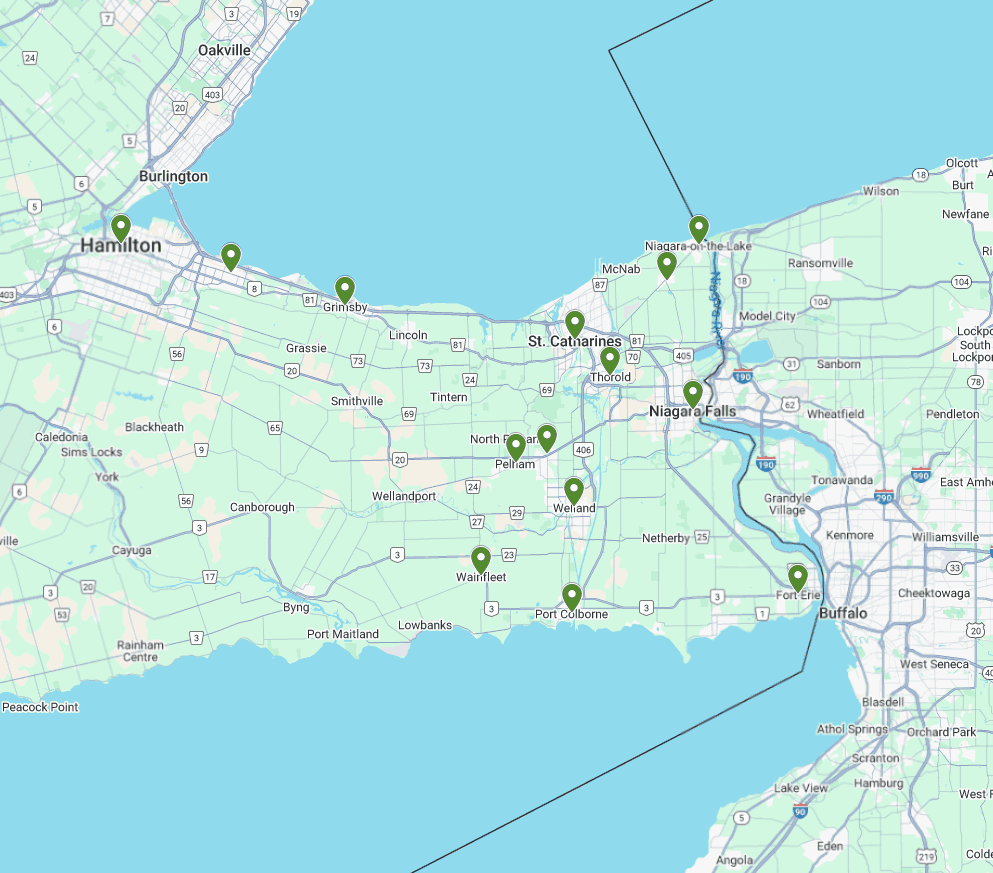
Our service areas encompass a wide range of locations, ensuring that we can meet the needs of our clients wherever they are. From bustling urban centers to serene rural landscapes, we are committed to providing top-notch services tailored to each unique environment.