



AC Replacement in Welland, ON provides a clear guide to deciding when to upgrade and how a professional assessment ensures proper sizing. The process includes on-site inspections, Manual J and D load calculations, and a review of ductwork and electrical needs to prevent short-cycling and humidity issues. Replacements focus on energy-efficient models, proper refrigerant handling, and high-quality installation. The plan covers timelines, costs, rebates, and post-install checks to maximize comfort, reliability, and long-term savings in Welland’s climate.
.jpeg)
AC Replacement in Welland, ON
When your air conditioner struggles through another humid Welland summer, the choice to repair or replace becomes critical. AC replacement in Welland, ON addresses not only cooling performance but also indoor comfort, energy costs, and reliability through warm, often humid summers in the Niagara Region. This page explains when replacement is the right move, how a professional on-site assessment and load calculation shape the decision, what an efficient replacement entails, and what to expect during and after installation.
Signs your system needs AC replacement in Welland, ON
Recognizing the right time for replacement prevents breakdowns on the hottest days and can save money long term. Common signs include:
- System age: most central air conditioners older than 10 to 15 years lose efficiency and reliability.
- Frequent repairs: repair costs adding up or recurring component failures.
- Rising energy bills: steady increases in cooling-related electricity use despite normal habits.
- Poor comfort: uneven cooling, rooms that never get comfortable, or weak airflow.
- R22 refrigerant or end-of-life parts: older units using phased-out refrigerants may be more expensive to maintain.
- Excess humidity: Welland’s humid summers can expose undersized or inefficient systems that do not dehumidify properly.
On-site assessment and load calculations
A proper replacement starts with an on-site evaluation tailored to Welland homes:
- Home inspection: review insulation, windows, sun exposure, ceiling height, and attic conditions.
- Ductwork check: inspect for leaks, insulation, and correct sizing; older homes often need duct sealing or modification.
- Load calculation: industry-standard Manual J and Manual D calculations determine required cooling capacity rather than relying on unit age or rule-of-thumb sizing.
- Electrical and mechanical review: confirm panel capacity, disconnect location, and any required upgrades for new equipment.
Accurate load and ductwork assessments ensure the new system is the right size to manage Welland’s humid summers without short cycling or poor dehumidification.
Energy-efficient model recommendations
Energy efficiency matters in both comfort and long-term cost savings. For Welland homeowners consider:
- ENERGY STAR or equivalent certified models for better seasonal efficiency.
- Higher efficiency ratings (SEER/SEER2 and EER) for lower operating costs in hot months.
- Systems with variable-speed compressors or advanced inverter technology to improve humidity control and quieter operation.
- Properly matched outdoor condenser and indoor air handler to ensure warranty compliance and peak performance.
- Consider heat pump options for combined heating and cooling efficiency in the Niagara climate.
Choosing a model that matches your home’s load and your priorities—quiet, low humidity, or lowest operating cost—will deliver the best value over time.
Removal, disposal, and regulatory compliance
Replacing an AC involves safe, compliant removal of the old unit:
- Refrigerant recovery: all refrigerant must be recovered by certified technicians according to federal and provincial regulations.
- Disconnection and removal: safe disconnect of electrical, refrigerant lines, and condensate plumbing.
- Responsible disposal: recycling of metal and approved disposal of components following environmental rules.
- Permits and inspections: obtain any required local permits and ensure installations comply with Ontario electrical and building codes.
Proper disposal protects your property and the environment and prevents future compliance headaches.
Professional installation procedures
Professional installation ensures the new system performs as designed:
- Precise refrigerant charge: technicians adjust charge based on line set length and operating conditions rather than factory charge alone.
- Duct balancing and sealing: optimize airflow and seal leaks to improve efficiency and comfort.
- Condensate management: ensure proper slope and drainage to prevent leaks and mold risk in Welland’s humid conditions.
- Electrical connections and safety: verify breakers, disconnects, and grounding meet code.
- Startup and calibration: test temperature splits, airflow, and thermostat calibration; demonstrate system operation.
Quality installation reduces callbacks and maximizes the lifespan of new equipment.
Expected timeline and cost considerations
Timeline:
- Typical straight replacement for a like-for-like central system often completes in 1 to 2 days.
- Complex upgrades such as ductwork replacement, electrical panel changes, or structural modifications can extend the project to several days.
Cost considerations:
- Replacement cost depends on system capacity, efficiency, ductwork condition, required electrical upgrades, and site access.
- Financing options and manufacturer or labour warranties can change the effective cost of ownership.
- Factor in operating cost savings from higher efficiency and potential local incentives when evaluating value.
Providing accurate estimates requires the on-site assessment and load calculation described above.
Rebates, financing, and warranty information
Available financial support can make high-efficiency replacements more affordable:
- Provincial and federal incentives, local utility rebates, and energy efficiency programs frequently offer rebates or loan options for qualified equipment.
- Manufacturer warranties often cover major components (compressor and parts) for a specified term; verify the length and transferability.
- Labour or workmanship warranties from installers protect against installation-related failures; ensure warranty documentation is provided and registered.
Check for current Niagara region and Ontario programs and ensure installed equipment meets program requirements to qualify for incentives.
Post-installation testing and optimization tips
After installation, final optimization keeps your system running efficiently through Welland summers:
- Confirm startup report: request a report showing airflow, temperature differential, and refrigerant charge.
- Thermostat settings: use programmable or smart thermostats with appropriate setpoints to reduce runtime without compromising comfort.
- Regular maintenance: annual tune-ups before cooling season, filter changes every 1 to 3 months, and periodic duct inspections.
- Monitor humidity: if indoor humidity remains high, consider supplemental dehumidification or optimize fan and temperature settings.
- Seasonal checks: have technicians verify refrigerant levels, condensate drains, and electrical connections annually.
Replacing an AC is an investment in seasonal comfort and long-term energy savings. With a precise load calculation, properly matched high-efficiency equipment, compliant removal, and expert installation, homes in Welland, ON gain consistent cooling, better humidity control, and improved operating costs suited to the local climate and home construction characteristics.

Customer Testimonials

We had an amazing experience getting our new furnace installed with Niagara Home Heating. The owner was very helpful, their quote was more then competitive and the technician who installed the unit was professional and friendly. I would recommend their services.

I called John today at 2:pm as my AC was not working and I wasn’t expecting even a call back as I knew with this hot weather we have had he would be swamped with calls. Well he called me back and showed at 8:pm on the same day to fix my AC. That is just incredible service and how much John really cares about his clients. Thank you John !
Lifesavers!! The AC in our house decided to quit the day we were passing the keys to the new owners!! Instead of making a service call to the house, John coached me through the minor repair over the phone, saving me the money and time waiting for a repair person to come.Much appreciated! Thanks again John
I had an issue with my hot water tank and called Niagara Home Heating. Their service was fantastic and reasonably priced—exactly how a business should be run!
I have used Niagara Home heating for multiple projects for over 16 years. John and his staff are absolutely the best. I tell all my friends and family about Niagara Home Heating because you won’t get any better service or pricing anywhere in Niagara. He has saved me thousands and thousands of dollars and has never let me down.
Very efficient company. I needed an old solar water heater removed from my roof. They were quick to book an appointment for the next day after I sent photos. They were very knowledgeable of the issue. The 2 guys that came were friendly and competent with the job, including removal of all parts.

Service Areas
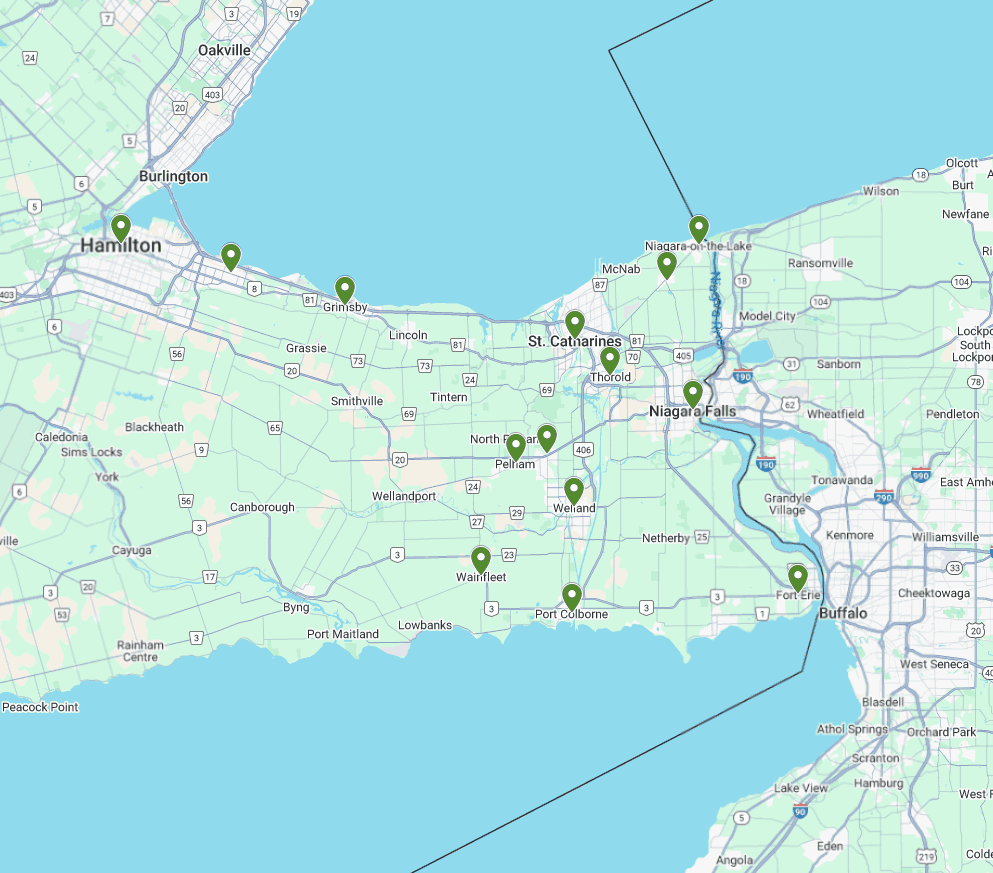
Our service areas encompass a wide range of locations, ensuring that we can meet the needs of our clients wherever they are. From bustling urban centers to serene rural landscapes, we are committed to providing top-notch services tailored to each unique environment.