



Virgil, ON residents can rely on professional AC maintenance to keep cooling systems efficient, reduce energy use, and prevent mid-season breakdowns. It describes what a seasonal tune-up covers from condenser and evaporator cleaning to refrigerant checks and thermostat calibration, along with common problems like dirty coils, restricted airflow, and humid indoor air. It also explains diagnostic steps, filter schedules, maintenance plans, and the long-term benefits of proactive service for comfort, costs, and equipment longevity. Designed to help homeowners plan ahead and avoid unexpected outages.
AC maintenance in Virgil, ON
Keeping your air conditioner tuned and ready is essential in Virgil, ON, where hot, humid summers and fluctuating spring and fall temperatures place extra demand on cooling systems. Comprehensive AC maintenance not only restores peak cooling comfort but also reduces energy bills, prevents mid-season breakdowns, and extends equipment life. It describes what professional AC maintenance in Virgil covers, common local issues, how technicians diagnose problems, and the types of maintenance plans typically available.
Why seasonal AC maintenance matters in Virgil
Virgil homeowners face humid summers driven by proximity to Lake Ontario and the Niagara region microclimate. High humidity and pollen loads increase the strain on AC systems and indoor air quality components. Regular maintenance:
- Keeps refrigerant and airflow balanced so the system dehumidifies effectively
- Prevents compressor overwork during heat waves
- Reduces dust and pollen buildup that can clog coils and filters
- Helps avoid costly mid-summer failures when demand is highest
Common AC problems in Virgil homes
Knowing the typical signs of trouble helps you prioritize maintenance before a failure happens. Common issues include:
- Reduced cooling capacity or slow cooling on hot days — often caused by dirty coils, low refrigerant, or blocked airflow
- Short cycling (system turns on and off frequently) — symptomatic of poor thermostat calibration, refrigerant issues, or an oversized/undersized system
- Frozen evaporator coil — usually the result of restricted airflow from dirty filters or low refrigerant
- High indoor humidity despite running the AC — indicates reduced dehumidification performance due to dirty coils, incorrect fan speed, or undersized equipment
- Noisy outdoor unit or compressor hard starting — signs of failing motor mounts, capacitor issues, or refrigerant problems
- Uneven cooling from room to room — can be caused by duct leaks, blocked vents, or balancing issues
What a professional seasonal tune-up includes
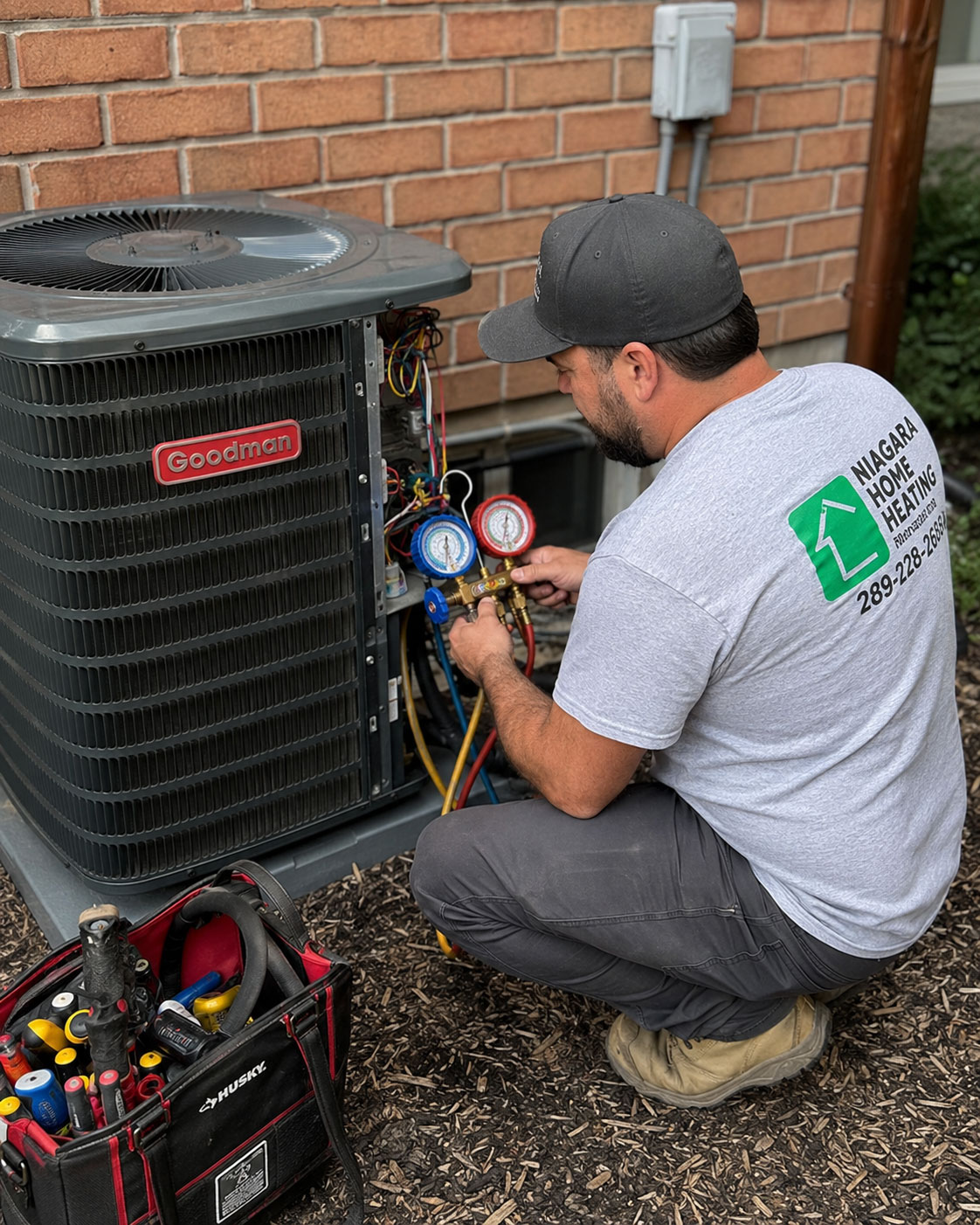
A thorough AC tune-up addresses the items that most affect efficiency and reliability. Typical steps performed by a qualified technician:
- Visual inspection of the outdoor condenser and indoor evaporator for damage or debris
- Cleaning condenser coil and straightening bent fins, removing leaves, grass, and pollen buildup
- Cleaning or sanitizing the evaporator coil to restore heat transfer and indoor air quality
- Checking refrigerant charge and pressure; looking for signs of leaks and explaining next steps if leaks are suspected
- Inspecting electrical connections, contactors, capacitors, and the compressor for wear or risk of failure
- Testing blower motor and fan operation, verifying proper airflow and static pressure where applicable
- Measuring temperature split (return vs supply temps) to confirm efficient heat transfer
- Calibrating the thermostat and verifying correct cycle settings and fan operation
- Inspecting and recommending replacement schedules for air filters; advising on MERV ratings appropriate for the home
- Lubricating moving parts where required and ensuring condensate drain is clear to prevent water damage and mold
- Providing a performance summary and recommending any repairs for safety or reliability
Technicians explain findings in plain language and provide options when repairs or parts are needed. For refrigerant, professionals will note that topping up without repairing leaks is a temporary fix and that identifying and sealing leaks is the long-term solution.
Diagnostic steps explained simply
Good diagnostics start with system history and symptoms, then proceed with tests:
- Visual check for obvious issues like debris, corrosion, or oil stains (possible leak)
- Electrical testing of capacitors and contactors to spot components nearing failure
- Refrigerant pressure checks to determine if the system is charged correctly
- Temperature measurements across coils and vents to identify airflow or heat transfer issues
- A quick duct inspection for blocked returns, closed dampers, or major leaks that could reduce performance
These steps allow technicians to prioritize repairs that prevent the most common summertime failures in Virgil.
Filter schedules and indoor air quality considerations
Filter frequency depends on household factors:
- Standard homes with no pets: inspect every 3 months; replace every 3 months during active cooling season
- Homes with pets or allergy sufferers: inspect monthly; replace every 1 to 2 months or use higher-rated filters (MERV 8 to MERV 13 depending on system compatibility)
- High-pollen seasons in spring and early summer often require more frequent checks
Using an appropriate MERV-rated filter helps balance filtration with airflow. Oversized filters can restrict airflow, so selecting correct filter thickness and rating is important.
Maintenance plans and service agreements — what to expect
Maintenance plans simplify care and protect performance. Typical plan features:
- Scheduled seasonal tune-ups, commonly performed once or twice per year (spring for cooling, fall for heating systems or heat pumps)
- Priority scheduling during peak seasons so members get faster appointments
- Discounted diagnostic and repair labor or parts discounts
- Annual performance report and recommended maintenance actions
- Reminder service for filter changes and appointments
- Optional coverage for specific components or reduced rates for emergency service
Plans vary by provider, but the best ones focus on preventive visits, transparent reporting, and predictable service windows.
Benefits of preventative AC maintenance
Investing in regular maintenance delivers measurable benefits:
- Improved energy efficiency and lower cooling bills — systems regularly serviced can run up to 10 to 25 percent more efficiently
- Reduced risk of mid-summer breakdowns when repair times and costs are highest
- Extended equipment life by reducing compressor and motor stress
- Better indoor comfort and humidity control during Virgil summers
- Fewer emergency repairs and clearer planning for system replacement when end of life approaches
Practical homeowner maintenance tips for Virgil
- Check and replace filters on a schedule suited to your household
- Keep the outdoor unit clear of plants, mulch, and debris; maintain at least 2 feet of clearance
- Close attic and basement vents when not in use and avoid blocking registers with furniture
- Set programmable thermostats to avoid unnecessary runtime and reduce wear
- Schedule a professional tune-up in early spring before the cooling season and consider a follow-up in early fall if you have a year-round heat pump
Regular care combined with professional inspections helps your AC perform reliably when Virgil temperatures rise. Preventative maintenance is the most effective way to protect comfort, control costs, and extend the life of your cooling equipment.

Customer Testimonials

I had an issue with my hot water tank and called Niagara Home Heating. Their service was fantastic and reasonably priced—exactly how a business should be run!

Lifesavers!! The AC in our house decided to quit the day we were passing the keys to the new owners!! Instead of making a service call to the house, John coached me through the minor repair over the phone, saving me the money and time waiting for a repair person to come.Much appreciated! Thanks again John
We had an amazing experience getting our new furnace installed with Niagara Home Heating. The owner was very helpful, their quote was more then competitive and the technician who installed the unit was professional and friendly. I would recommend their services.
Very efficient company. I needed an old solar water heater removed from my roof. They were quick to book an appointment for the next day after I sent photos. They were very knowledgeable of the issue. The 2 guys that came were friendly and competent with the job, including removal of all parts.
I have used Niagara Home heating for multiple projects for over 16 years. John and his staff are absolutely the best. I tell all my friends and family about Niagara Home Heating because you won’t get any better service or pricing anywhere in Niagara. He has saved me thousands and thousands of dollars and has never let me down.
I called John today at 2:pm as my AC was not working and I wasn’t expecting even a call back as I knew with this hot weather we have had he would be swamped with calls. Well he called me back and showed at 8:pm on the same day to fix my AC. That is just incredible service and how much John really cares about his clients. Thank you John !

Service Areas
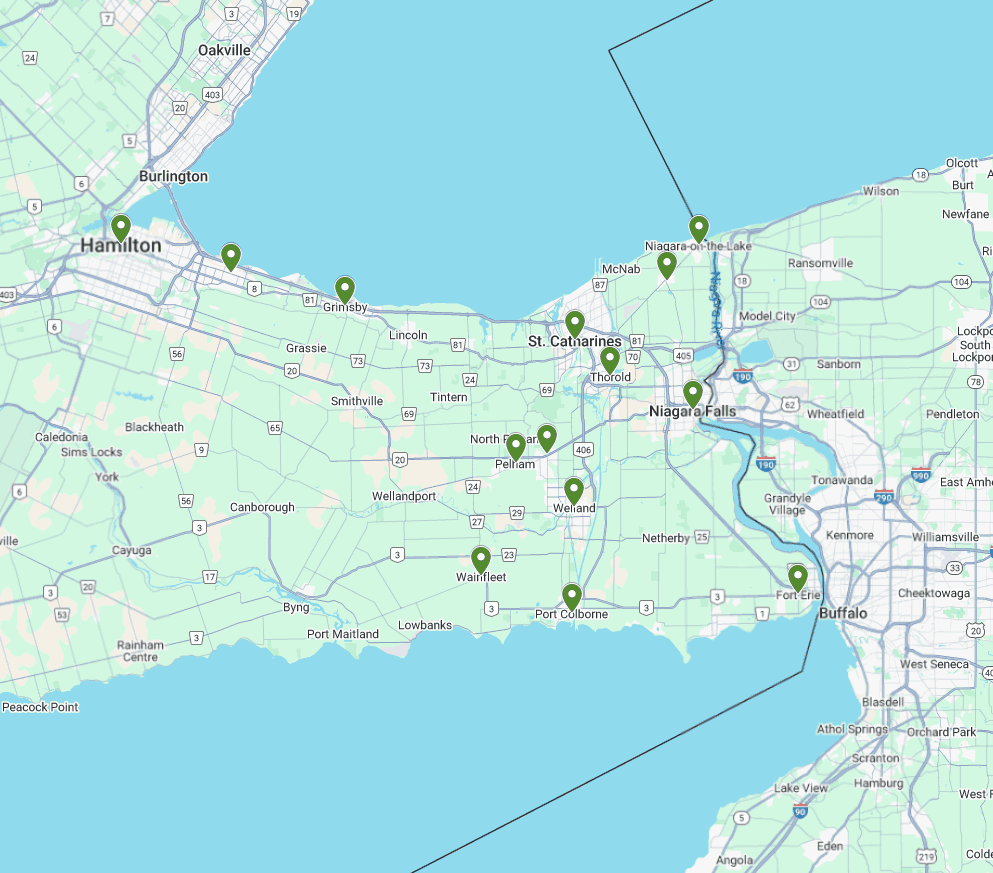
Our service areas encompass a wide range of locations, ensuring that we can meet the needs of our clients wherever they are. From bustling urban centers to serene rural landscapes, we are committed to providing top-notch services tailored to each unique environment.