



AC repair in Virgil, ON focuses on diagnosing symptoms quickly, repairing compressors, fans, thermostats, and refrigerant systems, and providing clear estimates and warranties so homeowners know what to expect. The service covers common issues like weak air-conditioning performance, short cycling, frozen coils, noises, leaks, high energy use, and thermostat problems, with technicians offering on-site testing, itemized estimates, and transparent warranty terms. Preventive maintenance and timely repairs extend equipment life and keep homes comfortable through Virgil's humid summers.

AC repair in Virgil, ON
Keeping your air conditioner running reliably through Virgil’s humid, sometimes hot summers is essential for comfort and indoor air quality. AC repair in Virgil, ON focuses on diagnosing symptoms quickly, repairing common components like compressors, fans, thermostats and refrigerant systems, and giving clear estimates and warranties so homeowners know exactly what to expect. Whether your system is short-cycling, leaking water, or barely cooling, timely repair prevents bigger failures and higher energy bills.
Common AC repair issues in Virgil, ON
- No or weak cooling — unit runs but air is warm; often caused by low refrigerant, failing compressor, or airflow restrictions.
- Short cycling — system turns on and off frequently; typically a thermostat, refrigerant charge, or electrical control fault.
- Frozen evaporator coil — restricted airflow or low refrigerant causing ice build-up and poor cooling.
- Loud or unusual noises — grinding, rattling, or screeching usually indicate motor, fan, or compressor problems.
- Water leaks inside the home — clogged condensate drain or failed condensate pump.
- High energy bills — reduced efficiency from dirty components, failing parts, or refrigerant issues.
- Thermostat accuracy and communication issues — poor calibration or wiring faults causing improper cycles.
Components we diagnose and repair
- Compressor (AC compressor repair Virgil) — heart of the outdoor unit; failure often results in little or no cooling.
- Condenser and evaporator fans — circulate air across coils; worn motors or bearings cause noise and poor airflow.
- Refrigerant systems and leak repair — includes refrigerant recovery, leak detection, and recharge with approved refrigerant types.
- Thermostats and control boards — replacement, calibration, and integration with smart controls.
- Capacitors, contactors, and relays — common electrical failure points that prevent startup.
- Evaporator and condenser coils — cleaning, fin repair, and coil replacement when corroded.
- Drain pans, condensate lines, and pumps — cleared or replaced to stop water damage.
Diagnostic testing process
Technicians provide a written diagnosis and an itemized estimate after on-site testing so you understand parts, labor, and warranty coverage before any repair begins.
Common repairs explained
- Compressor replacement — when a compressor seizes or burns out, repair may require replacing the compressor, drier/receiver, and performing a full system evacuation and recharge. This restores cooling but may prompt evaluation for full system replacement depending on unit age.
- Fan motor or blade replacement — noisy or non-spinning outdoor/indoor fans are typically repaired quickly by replacing the motor or balancing blades.
- Refrigerant leak repair — small leaks can sometimes be sealed and the system recharged; larger corrosion or coil leaks usually require coil or line replacement. After repair, the system is vacuumed, leak-tested, and recharged to OEM specifications.
- Thermostat replacement and calibration — swapping an old or malfunctioning control for a modern, compatible thermostat eliminates many comfort and efficiency problems.
- Capacitor and contactor service — inexpensive components that often fix startup and running issues; replacing them typically resolves intermittent failures.
- Drain line and condensate pump service — clearing clogs or replacing pumps prevents interior water damage and microbial growth.
Transparent pricing and warranty approach
Estimates are based on the on-site diagnostic and list parts, labor, and any recommended test work. Typical practices include:
- Providing an itemized estimate before starting work with clear explanations of each line item.
- Explaining whether parts are OEM or aftermarket and how that affects warranty and longevity.
- Offering parts and labor warranties in writing so you know coverage periods and exclusions (e.g., refrigerant recharge policy after leak repair).
- Notifying you immediately if additional issues are discovered before proceeding.
Examples of typical repairs and outcomes
- Case 1: A bungalow in Virgil reported no cooling on a humid July afternoon. Diagnostics showed a seized compressor and low refrigerant. Repair involved compressor and drier replacement, full evacuation and recharge, and a 2-stage performance test. Cooling returned to spec and humidity control improved immediately.
- Case 2: A lakeside home experienced slow cooling and high electric bills. Corroded condenser fins and a small refrigerant leak were found. Coil cleaning, targeted coil repair, and a refrigerant top-up restored efficiency and reduced runtime by 25%.
- Case 3: A modern townhouse had repeated short cycles. Thermostat wiring and control board testing revealed misconfigured settings; a calibration and new programmable thermostat eliminated short cycling and stabilized temperatures.
Preparing for service and what to expect when scheduling
When arranging an appointment, have these ready:
- System make, model, and age if known (found on the outdoor unit nameplate).
- Clear description of symptoms and when they started.
- Accessibility to outdoor unit and basement or mechanical room.
- Photos of the unit or thermostat can speed diagnosis.
- Be aware that an on-site diagnostic is typically required before a detailed estimate; emergency or after-hours service may be available for urgent failures.
Technicians will perform safety checks, explain findings in plain language, and present options (repair vs replacement) based on system age, efficiency, and your comfort needs.
Preventive tips to avoid AC repairs in Virgil
- Replace or clean filters every 1–3 months during heavy use.
- Keep the outdoor unit clear of leaves, mulch, and snow; maintain 2 feet of clearance.
- Schedule annual spring tune-ups to catch refrigerant leaks, electrical wear, and airflow problems before peak season.
- Use programmable thermostat settings and shade windows to reduce strain.
- Ensure condensate lines are inspected for algae or debris, especially in humid months.
Timely AC repair in Virgil, ON protects your comfort, lowers energy bills, and extends equipment life. Understanding common symptoms, the diagnostic process, and warranty coverage helps you make informed decisions when your system needs service.

Customer Testimonials

Very efficient company. I needed an old solar water heater removed from my roof. They were quick to book an appointment for the next day after I sent photos. They were very knowledgeable of the issue. The 2 guys that came were friendly and competent with the job, including removal of all parts.

I have used Niagara Home heating for multiple projects for over 16 years. John and his staff are absolutely the best. I tell all my friends and family about Niagara Home Heating because you won’t get any better service or pricing anywhere in Niagara. He has saved me thousands and thousands of dollars and has never let me down.
We had an amazing experience getting our new furnace installed with Niagara Home Heating. The owner was very helpful, their quote was more then competitive and the technician who installed the unit was professional and friendly. I would recommend their services.
Lifesavers!! The AC in our house decided to quit the day we were passing the keys to the new owners!! Instead of making a service call to the house, John coached me through the minor repair over the phone, saving me the money and time waiting for a repair person to come.Much appreciated! Thanks again John
I had an issue with my hot water tank and called Niagara Home Heating. Their service was fantastic and reasonably priced—exactly how a business should be run!
I called John today at 2:pm as my AC was not working and I wasn’t expecting even a call back as I knew with this hot weather we have had he would be swamped with calls. Well he called me back and showed at 8:pm on the same day to fix my AC. That is just incredible service and how much John really cares about his clients. Thank you John !

Service Areas
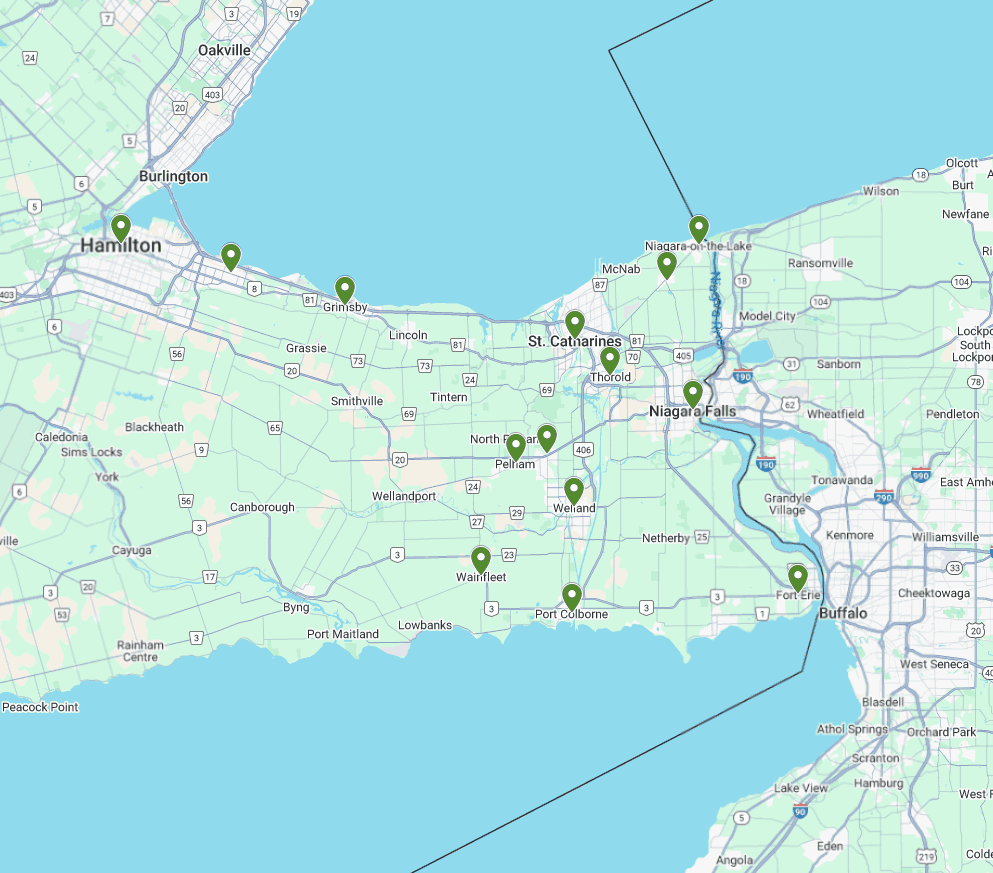
Our service areas encompass a wide range of locations, ensuring that we can meet the needs of our clients wherever they are. From bustling urban centers to serene rural landscapes, we are committed to providing top-notch services tailored to each unique environment.