



Boiler installation in Fonthill, ON describess a comprehensive, code-compliant process for upgrading hydronic heating. It describes how to assess home heat load, select matching boiler types (condensing, combi, or conventional), and size systems to minimize short cycling. The guide covers permitting, venting, and safety requirements, as well as step-by-step installation, commissioning, and performance testing. It also provides homeowner guidance on operation, maintenance, and warranty considerations to protect the investment and ensure reliable, efficient warmth in Fonthill homes.
.jpeg)
Boiler Installation in Fonthill, ON
Installing a new boiler is one of the most important investments you can make in a Fonthill home. With cold Niagara winters and older houses in Pelham and surrounding communities often relying on hydronic heat, the right boiler installation improves comfort, reduces fuel costs, and lowers long-term repair risk. This page describess the complete boiler installation process for homeowners in Fonthill, ON, explains system options, describes how we size and commission systems to code, and gives practical homeowner guidance and warranty information to help you make a confident decision.
Why a professional boiler installation matters in Fonthill, ON
- Fonthill’s seasonal temperature swings and extended heating season increase annual runtime, so efficiency matters.
- Many local homes have radiators or in-floor hydronic systems that require careful compatibility checks.
- Proper venting, combustion air, and permit compliance are essential in the Niagara Region to meet Ontario Building Code and local Town of Pelham / Regional Niagara requirements.A correctly installed boiler delivers reliable heat, lower energy bills, and better indoor comfort.
Common boiler types and which suits Fonthill homes
- Condensing boilers: High efficiency (reclaiming heat from exhaust). Best for homeowners focused on energy savings and lower fuel bills, especially in homes with long heating seasons.
- Combi boilers: Provide space heating and on-demand domestic hot water in a single compact unit. Ideal for smaller homes or where space is limited and tankless hot water is desirable.
- Conventional (non-condensing) boilers: Often used when matching an existing system or where budget and installation simplicity matter. They work well in older systems but are less efficient than condensing units.
Choosing the right type depends on home size, hot water needs, existing distribution (radiators vs in-floor), and long-term efficiency goals.
Pre-install consultation and diagnostic checklist
During the pre-install consultation we evaluate:
- Home heat load: a room-by-room heat loss calculation to determine required BTU output.
- Existing distribution: radiators, baseboards, in-floor tubing, and pump sizing.
- Fuel type and infrastructure: natural gas, propane, or oil supply and gas line capacity.
- Venting and clearance: chimney condition, flue options, and combustion air availability.
- Electrical needs: controls, circulators, and possible thermostat upgrades.
- Water quality and system condition: presence of corrosion, scale, or old piping that could affect longevity.
This stage establishes the scope, identifies challenges (old piping, poor water quality, inadequate venting), and determines necessary permits.
Sizing calculations and system selection
Correct sizing prevents short cycling, reduces wear, and balances comfort and efficiency. We use industry-standard heat loss methods to:
- Calculate total building heat loss in BTU/hour based on insulation, windows, orientation, and local climate.
- Select a boiler with appropriate output and modulation range so the unit runs efficiently at the typical load for Fonthill winters.
- Ensure domestic hot water needs are met (for combi systems) and that circulator pumps are sized to move water through the system without excessive noise or pressure issues.
Oversizing is a common mistake; a properly sized, modulating condensing unit will save fuel and prolong equipment life.
Permits and code compliance
Boiler installations in Fonthill must comply with the Ontario Building Code and local regulations. Typical permit and compliance steps include:
- Submitting installation plans to the local municipality when required.
- Ensuring gas fittings and combustion appliances are installed to code.
- Verifying venting, clearances, and combustion air meet manufacturer and code requirements.
- Coordinating inspections by municipal authorities where applicable.
Following these steps avoids delays, ensures safety, and preserves warranty coverage.
Installation procedures — what to expect
A professional installation follows a clear process:
Technicians follow manufacturer instructions and industry best practices to ensure a clean, code-compliant installation.
Testing and commissioning
Commissioning ensures the system operates safely and efficiently before handover:
- Pressure and leak testing of the hydronic circuit.
- Combustion analysis for gas boilers to verify proper burner operation and safe CO and combustion values.
- Flue and venting checks to ensure safe exhaust flow.
- System balancing and pump speed settings for even heat distribution.
- Programming thermostats and demonstrating control logic.
- A final walk-through to explain system operation and maintenance points.
A proper commissioning report documents setpoints, pressures, and test results for your records.
Homeowner operating guidance and maintenance
After installation homeowners should be comfortable with everyday operation and basic maintenance:
- Thermostat use: setback strategies and programming to optimize comfort and efficiency.
- Monitoring system pressure: typical range and how to top up if needed.
- Radiator and baseboard care: bleeding radiators to remove trapped air for noisy or cold spots.
- Signs of trouble: unusual noises, water leaks, uneven heating, yellow-tipped flames, or CO alarm activation.
- Annual maintenance: combustion service, cleaning, and checks for circulating pumps, expansion tanks, and safety devices.
- Safety: maintain functioning CO detectors and clearances around the boiler.
Regular yearly service preserves efficiency and protects warranty rights.
Warranty and long-term protection
Boiler coverage typically includes:
- Manufacturer warranty on components and the heat exchanger (length varies by model and manufacturer).
- Workmanship warranty covering installation labor for a defined period.
- Warranty activation often requires product registration and proof of professional installation and annual maintenance.Review the specific warranty terms for parts, labor, and conditions that could void coverage, such as improper water chemistry or lack of scheduled service.
Benefits of a correct installation for Fonthill homes
A correctly specified and professionally installed boiler provides:
- Improved comfort and consistent heat across rooms.
- Lower fuel consumption and reduced heating bills during long Niagara winters.
- Fewer emergency repairs and longer system lifespan.
- Compliance with local codes and safer operation.
Choosing the right system and ensuring quality installation and commissioning are the best ways to protect your investment and keep your Fonthill home warm and safe for years to come.

Customer Testimonials

I called John today at 2:pm as my AC was not working and I wasn’t expecting even a call back as I knew with this hot weather we have had he would be swamped with calls. Well he called me back and showed at 8:pm on the same day to fix my AC. That is just incredible service and how much John really cares about his clients. Thank you John !

Very efficient company. I needed an old solar water heater removed from my roof. They were quick to book an appointment for the next day after I sent photos. They were very knowledgeable of the issue. The 2 guys that came were friendly and competent with the job, including removal of all parts.
I have used Niagara Home heating for multiple projects for over 16 years. John and his staff are absolutely the best. I tell all my friends and family about Niagara Home Heating because you won’t get any better service or pricing anywhere in Niagara. He has saved me thousands and thousands of dollars and has never let me down.
We had an amazing experience getting our new furnace installed with Niagara Home Heating. The owner was very helpful, their quote was more then competitive and the technician who installed the unit was professional and friendly. I would recommend their services.
I had an issue with my hot water tank and called Niagara Home Heating. Their service was fantastic and reasonably priced—exactly how a business should be run!
Lifesavers!! The AC in our house decided to quit the day we were passing the keys to the new owners!! Instead of making a service call to the house, John coached me through the minor repair over the phone, saving me the money and time waiting for a repair person to come.Much appreciated! Thanks again John

Service Areas
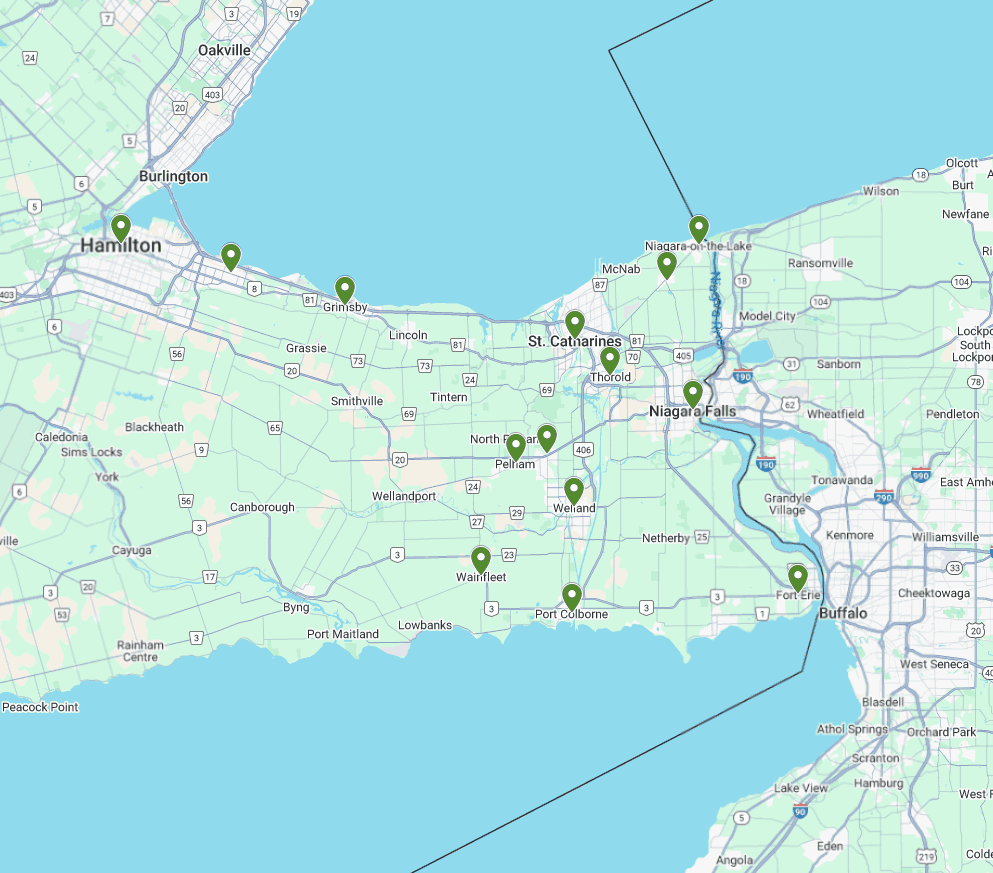
Our service areas encompass a wide range of locations, ensuring that we can meet the needs of our clients wherever they are. From bustling urban centers to serene rural landscapes, we are committed to providing top-notch services tailored to each unique environment.