



Boiler in Niagara Falls, ON
A reliable boiler is the backbone of comfort and hot water in Niagara Falls homes. Winters in Niagara Falls are cold, often with lake effect snow and freeze cycles that put extra stress on boilers, radiators, and hydronic piping. Niagara heating understands these local conditions and focuses on keeping residential and light commercial boilers safe, efficient, and dependable through thorough inspections, routine maintenance, timely repairs, and thoughtful upgrades. What to expect from professional boiler service in Niagara Falls, ON, covers common problems specific to the region.
.avif)
Why a local Niagara Falls approach matters
Niagara Falls winters combine low temperatures with high humidity and frequent temperature swings in shoulder seasons. Those conditions accelerate corrosion, increase freeze risk in exposed piping, and can magnify issues with boiler combustion and venting. Older homes in the Niagara region also commonly use cast iron radiators or older hydronic systems that require specialized knowledge for balancing and maintenance. A local provider like Niagara heating brings experience with the types of boilers and installation practices commonly found in Niagara Falls, plus an awareness of municipal water chemistry and how mineral deposits can affect heat exchangers and valves.
Common boiler types we service in Niagara Falls
- Hot water boilers (hydronic systems) with radiators or in-floor heating.
- Steam boilers used in older conversions and heritage homes.
- Combination (combi) boilers that supply domestic hot water and space heating.
- Condensing boilers designed for higher efficiency and lower flue temperatures.
- Commercial and light commercial packaged boilers for small businesses and multi-unit buildings.
Each type has different maintenance needs and failure modes, and understanding those differences is essential when diagnosing problems in Niagara Falls homes.
Common boiler issues in Niagara Falls homes
- Pilot or ignition failure: Cold starts in winter and drafts common to older houses can cause ignition problems or pilot outages.
- Low system pressure or repeated pressure loss: Leaking valves, corroded piping, or failing expansion tanks are frequent causes.
- Cold spots on radiators or uneven heating: Trapped air, poor radiator balancing, or failing circulator pumps.
- Corrosion and scale build up: Hard water and mineral deposits reduce heat transfer and can shorten component life.
- Noisy operation: Kettling, water hammer, or banging caused by scale, air in the system, or improper pump sizing.
- Flue and venting problems: Blocked or corroded vents can cause inefficient combustion or carbon monoxide risk.
- Short cycling and inefficiency: Older boilers or incorrect controls lead to high fuel usage and wear.
- CO detector activations or safety trips: Symptoms of combustion issues, poor ventilation, or faulty safety devices.
Understanding these symptoms makes it possible to prioritize actions that restore safe and efficient operation while minimizing disruption to daily life.
Inspection and safety checks
A thorough inspection is the first step in any responsible boiler service. Niagara heating technicians perform structured safety and performance checks that typically include:
- Visual inspection of heat exchanger, burners, flue, and venting for corrosion, soot, or obstruction.
- Combustion analysis to verify safe fuel-to-air ratio and measure carbon monoxide and combustion efficiency where applicable.
- Pressure and temperature checks across the system, including expansion tanks and relief valves.
- Verification of safety controls: low water cutoff, high limit, pressure relief valve, and flame sensor operation.
- Inspection of circulator pumps, belts, valves, and thermostatic radiator valves for wear and function.
- Radiator inspection and bleed checks for air pockets and balancing.
- Water quality assessment and recommendation for treatment if mineral scale or corrosion is evident.
These checks are designed to catch safety risks early, prevent emergency failures during cold weather, and set a baseline for ongoing maintenance.
Routine maintenance for boilers and radiators
Regular maintenance keeps boilers running longer and more efficiently, reduces emergency repair frequency, and helps avoid costly breakdowns during peak heating demand. A typical routine maintenance visit includes:
- Cleaning burners and combustion chamber to restore proper flame pattern and efficiency.
- Flushing or bleeding radiators and purging air from the hydronic loop.
- Checking and adjusting system pressure and topping up as needed.
- Inspecting and testing expansion tanks and pressure relief valves.
- Lubricating circulator pumps and checking electrical connections for corrosion or wear.
- Inspecting and replacing worn gaskets, seals, or pilot components.
- Verifying thermostat calibration and control logic, including zoning systems.
- Recording system performance data and recommending corrective actions or upgrades.
In Niagara Falls, scheduling maintenance in the fall before heating season is common practice to avoid winter emergencies and to ensure systems are ready for extended cold periods.
Diagnostics and repair of common failures
When a boiler issue is beyond routine maintenance, targeted diagnostics help pinpoint the root cause. Niagara heating uses a systematic process:
- Symptom review and history: determining when the problem started, patterns, and previous repairs.
- Visual and mechanical inspection: looking for leaks, corrosion, failed components, or evidence of overheating.
- Electrical testing: verifying control circuits, sensors, and relay operation.
- Combustion and draft testing: ensuring safe fuel combustion and proper venting.
- Hydronic diagnostics: pressure testing, flow verification, and pump performance checks.
- Leak detection and thermal imaging: identifying hidden leaks, blockages, or insulation failures.
Repairs are prioritized by safety and likelihood of restoring reliable operation. Typical repairs include:
- Replacing failed circulator pumps or motor bearings.
- Repairing or replacing pressure relief valves and expansion tanks.
- Replacing failed ignition modules, flame sensors, or gas valves.
- Repairing leaks in boilers or radiators, including soldering or valve replacement.
- Descaling heat exchangers or recommending chemical treatment where scale is present.
- Repairing or reconfiguring zoning valves and thermostatic radiator valves to correct uneven heating.
Technicians also document findings and explain why a specific repair is recommended, balancing short-term fixes against longer-term investments such as retrofit or replacement.
Full replacement and retrofit options
When repairs become frequent or the boiler is past its effective service life, replacement or retrofitting is often the most economical and safe option. Common considerations for Niagara Falls installations include:
- Age and expected remaining life of the existing boiler: many boilers operate reliably for 15 to 25 years, depending on maintenance and water quality.
- Efficiency and fuel type: newer condensing boilers can dramatically reduce fuel consumption compared to older non-condensing models. Switching from oil to high-efficiency natural gas or propane may also be considered based on availability and feasibility.
- Heat distribution compatibility: upgrading to a condensing boiler may require changes in piping, return temperatures, or controls to achieve maximum efficiency.
- Space constraints and venting: modern high-efficiency boilers can have different venting requirements, including direct vent or PVC venting for low-temperature flue gases.
- Zone control and smart thermostats: retrofitting zoning capability or modern controls can improve comfort while reducing operating costs.
- Domestic hot water needs: options include separate indirect water heaters, integrated combi boilers, or hybrid systems tailored to household hot water demand.
Retrofit projects in Niagara Falls also factor in local building codes, heritage considerations for older homes, and the practicality of accessing basements or mechanical rooms that may be tight or below-grade.
Energy efficiency upgrades and long-term savings
Upgrading boilers and controls is one of the most effective ways to reduce annual heating costs and carbon footprint. Efficiency-focused strategies include:
- Installing condensing boilers that recover heat from flue gases and operate best with low return water temperatures.
- Upgrading to modulating and condensing burners that adjust output to actual heating demand, reducing short cycling.
- Adding or optimizing zoning with programmable thermostats for separate living areas or floor-by-floor control.
- Converting to sealed combustion or direct venting to improve safety and reduce draft-related heat losses.
- Installing insulated piping, pipe wraps, and improved insulation around the boiler room to minimize standby heat loss.
- Using weather compensation controls that adjust water temperature based on outdoor conditions for smoother operation.
- Combining boiler upgrades with improved building envelope measures such as added insulation, air sealing, and window improvements to reduce overall load.
Local incentives or utility programs may sometimes offset upgrade costs, and energy efficiency improvements typically pay back over time through lower fuel bills and reduced maintenance expenses. Long-term planning should consider both operating costs and the expected lifespan of new equipment.
Emergency service procedures and safety guidance
Boiler emergencies demand a clear sequence of safety steps to protect occupants and prevent property damage. Recommended emergency procedures include:
- If your carbon monoxide alarm activates or you smell gas, evacuate the building immediately and follow municipal emergency procedures. Do not attempt to operate the boiler.
- For suspected gas leaks (odor of rotten eggs), shut off the gas source if it is safe to do so and leave the premises. Avoid using electrical switches or phones inside the building.
- If there is a visible water leak or flooding from the boiler, isolate the water supply and shut off power to the boiler at the breaker panel to avoid electrical hazard.
- If the boiler is making unusual roaring, banging, or has visible flames outside the combustion chamber, shut it down and isolate fuel if safe. These signs indicate severe combustion or blockage issues that require immediate professional assessment.
- Keep boiler room spaces clear and accessible year-round. Blocked vents, stored items, or poor ventilation can create unsafe operating conditions.
- Ensure carbon monoxide detectors and smoke detectors are functioning and tested regularly, particularly in homes with fuel-burning appliances.
Niagara heating emphasizes safety first: rapid diagnosis to identify root causes beyond temporary fixes, ensuring repairs restore both safe operation and long-term reliability.
Hydronic radiator care and balancing
Many Niagara Falls homes use radiators or baseboard hydronic heat, and proper maintenance of these components contributes to even and comfortable heating:
- Bleeding radiators removes trapped air that causes cold spots and poor heat output.
- Thermostatic radiator valves (TRVs) allow room-level regulation; replacing faulty TRVs improves comfort control and reduces waste.
- System balancing ensures hot water flow is distributed evenly across all radiators; this may involve adjusting flow at balancing valves or pump settings.
- Radiator inspection for leaks, corrosion, or faulty fittings is part of routine service to prevent sudden failures.
- In-floor radiant systems require periodic checks for manifold operation, pump performance, and zone control functionality.
Balancing and attention to radiators are particularly important in older Niagara Falls homes with uneven room sizes, multiple story levels, or unique floor plans.
Water quality, corrosion, and scale control
Water chemistry has a direct impact on boiler longevity. In Niagara Falls, mineral content and municipal water treatments can contribute to scale and corrosion. Key practices include:
- Periodic water testing to assess hardness, pH, and corrosion potential.
- Power flushing or chemical cleaning to remove accumulated sludge and scale when necessary.
- Installing corrosion inhibitors or water treatment systems for closed-loop hydronic systems.
- Recommending changes to make-up water procedures to reduce oxygen and mineral carryover into the heating loop.
Addressing water quality early reduces heat exchanger failures, lowers energy consumption, and extends component life.
Commercial and multi-unit boiler considerations
Small business properties and multi-unit buildings in Niagara Falls have unique boiler needs:
- Redundancy and capacity planning to avoid service interruptions for tenants or operations.
- Regular safety and compliance checks to meet local codes and insurance requirements.
- Economizer and sequencing control strategies for buildings with multiple boilers to improve efficiency and reduce cycling.
- Scheduled shutdown and start-up procedures for seasonal buildings or facilities with variable occupancy.
Commercial systems often require customized maintenance plans to match usage patterns and business continuity needs.
Evaluating repair versus replacement
Deciding between continuing repairs and investing in a new boiler or retrofit is a common bottom-of-funnel question. Consider these factors:
- Frequency and cost of recent repairs: repeated major repairs often justify replacement.
- System age and expected remaining service life: older boilers may have reduced efficiency and fewer available replacement parts.
- Efficiency gap: the potential energy savings from a new high-efficiency boiler compared with repair costs and fuel savings.
- Scope of problems: a failing heat exchanger or significant corrosion usually favors replacement for safety reasons.
- Comfort and control needs: if your home would benefit from zoning, modern controls, or a combi solution, replacement may offer both comfort and efficiency gains.
- Long-term planning for household fuel sources and environmental objectives.
A careful inspection and written assessment help weigh short-term cost versus long-term value to make an informed choice suitable for Niagara Falls homes.
What to expect from a professional service visit
A comprehensive service visit from Niagara heating emphasizes clarity, safety, and lasting results:
- A technician will perform the inspection, testing, and diagnostics needed to identify root causes.
- Findings will be documented and explained in straightforward language, with options presented for repair, retrofit, or replacement based on safety and long-term value.
- Work will be performed following local code requirements and industry best practices, with attention to cleanliness and protection of living spaces.
- Recommendations will include maintenance plans and operational tips to prolong system life and avoid future emergencies.
Professional service aims to restore reliable heat while enabling homeowners to make decisions that balance comfort, safety, and cost.
Maintenance checklist for Niagara Falls homeowners
- Schedule annual fall boiler inspection and tune-up before the heating season.
- Test carbon monoxide and smoke detectors monthly and replace batteries as needed.
- Bleed radiators and purge hydronic zones each season or when cold spots appear.
- Monitor system pressure and report persistent drops or spikes.
- Keep boiler room vents clear and ensure outdoor vents are not obstructed by snow or debris.
- Check for visible leaks, rust, or unusual noises and document when symptoms began.
- Consider water testing and treatment for closed-loop systems if corrosion or scale is suspected.
Following a proactive maintenance checklist reduces winter emergency risk and helps maintain predictable heating costs.
Long term benefits of professional boiler management
Investing in professional boiler services in Niagara Falls pays off through:
- Improved safety and reduced carbon monoxide and leak risks.
- Lower energy bills from efficient combustion and well-tuned systems.
- Extended equipment life and reduced frequency of costly breakdowns.
- More consistent comfort and better control over home heating zones.
- Peace of mind during the long Niagara Falls winters by preventing avoidable emergency repairs.
Niagara heating brings local experience and methodical service practices designed to protect your investment and keep your home comfortable year after year.
Frequently asked questions
Q: How often should I schedule boiler maintenance?
A: Annual maintenance, ideally in the fall before heating season, is recommended. Homes with older systems or high usage may benefit from semiannual checks.
Q: What are the signs my boiler needs replacement rather than repair?
A: Frequent major repairs, age over 15 to 20 years, a failing heat exchanger, persistent efficiency losses, or inability to meet hot water demand are common indicators that replacement is the better long-term choice.
Q: Can I switch from an old non-condensing boiler to a condensing model without major changes?
A: Retrofitting to a condensing boiler often requires adjustments to piping and controls to maintain lower return water temperatures for best efficiency. Flue venting may also need to change. A site assessment will determine the scope.
Q: What should I do if my carbon monoxide alarm sounds?
A: Evacuate the building immediately and follow local emergency procedures. Do not operate the boiler or any gas appliances until a qualified technician verifies safe operation.
Q: How can I reduce uneven heating between rooms?
A: Bleeding radiators, balancing the hydronic system, checking thermostatic radiator valves, and evaluating pump sizing or zoning controls are effective solutions for uneven room temperatures.
Q: Are energy efficiency upgrades worth it in Niagara Falls?
A: Yes. Condensing boilers, modulating burners, zoning, and optimized controls reduce fuel consumption and improve comfort. Savings depend on current system efficiency and usage patterns.
Q: What maintenance reduces the risk of boiler breakdowns during winter?
A: Annual inspections, combustion cleaning, pressure checks, radiator purging, and water quality management are the most effective measures to prevent winter failures.
Q: Do older homes in Niagara Falls require special consideration?
A: Yes. Older homes often have cast iron radiators, older piping, and limited mechanical space. Proper assessment, careful balancing, and tailored retrofit plans are important for safe and effective upgrades.
Types of boiler services for Niagara homes
- Routine maintenance and tune-ups: Annual cleaning, burner adjustments, combustion analysis, and system flushing to restore efficiency.
- Safety inspections: Pressure vessel checks, relief valve tests, venting and flue inspections, and carbon monoxide testing.
- Repairs and troubleshooting: Fixing leaks, replacing circulator pumps, correcting pressure or temperature problems, and repairing controls or thermostats.
- Efficiency upgrades: Installing high-efficiency condensing boilers, modulating burners, or smart controls to reduce fuel use.
- Replacement and installation: Sizing and installing new boilers, replacing radiators or piping as needed, and ensuring proper ventilation and combustion air.
- Planned service agreements: Scheduled visits, priority response, and seasonal preparation tailored to hydronic systems.
Common boiler issues in Niagara Falls and why they occur
- No heat or uneven heating: Air trapped in radiators, failing circulator pumps, or zone valve problems are frequent causes in homes with older systems.
- Low or high system pressure: Freeze-related leaks, automatic fill valve faults, or expansion tank failure can show up after temperature swings.
- Kettling and noisy operation: Mineral buildup on heat exchanger surfaces, common with hard water areas, causes reduced flow and loud kettling noises.
- Pilot or ignition failure: Wear on ignition components or venting issues can prevent reliable starts during heavy use.
- Short cycling and inefficient operation: Oversized boilers, improper controls, or clogged condensate traps lead to wasteful fuel consumption.
- Carbon monoxide risk and venting problems: Blocked chimneys, deteriorated flues, or incomplete combustion are safety-critical and require immediate inspection.
How professionals diagnose boiler problems
A thorough diagnostic process typically includes:
- Visual inspection of boiler, piping, and radiators for leaks, corrosion, and insulation condition.
- Checking system pressure, expansion tank status, and temperature settings.
- Testing circulator pumps, zone valves, and thermostatic radiator valves for proper operation.
- Combustion analysis and flue gas testing to verify safe and efficient burner performance.
- Flushing or sampling system water to detect corrosion, sediment, or high mineral content that could reduce heat transfer.
These steps identify root causes rather than temporary fixes, which is especially important when winter demand is high.
Repairs, replacements, and upgrade options explained
- Minor repairs: Replacing thermostats, zone valves, expansion tanks, or faulty pumps can restore reliable heat without full replacement.
- Heat exchanger or burner repairs: When corrosion or damage is limited, targeted component replacement can extend boiler life.
- Full replacement: Choose replacement when heat exchanger failure, repeated major repairs, or inefficiency make continued operation uneconomical. Modern condensing boilers can deliver significantly higher annual fuel utilization efficiency, reducing fuel bills in long heating seasons like Niagara’s.
- Right-sizing and system design: Properly sizing the boiler to actual heat loss, upgrading controls (outdoor reset, modulating burners), and replacing undersized piping or radiators leads to quieter, more even heat and less short cycling.
- Hydronic distribution upgrades: Converting older steam systems to hot water, balancing radiators, or adding thermostatic radiator valves improves comfort and control.
What a boiler maintenance plan includes and why it pays
A scheduled service plan for boilers in Niagara Falls typically covers:
- Annual comprehensive inspection and combustion tuning before peak season.
- System flushing or inhibitor top-ups to prevent corrosion and scale buildup.
- Pressure and safety device checks and documentation.
- Priority scheduling in cold weather and seasonal preparation.
Regular maintenance reduces emergency repairs, lowers fuel bills, prolongs equipment life, and keeps warranty requirements intact for many manufacturers.
Simple troubleshooting homeowners can do safely
- Check the boiler pressure gauge and compare to the recommended range on the boiler nameplate.
- Bleed radiators showing cold spots to remove trapped air.
- Reset the thermostat and ensure zone valves are open.
- Inspect visible flues and vents for blockages from leaves or bird nests.
- Do not attempt burner or gas valve repairs; leave combustion system work to certified technicians.
Safety and compliance
Carbon monoxide is a serious risk with combustion appliances. Regular flue inspections, combustion testing, and functional CO detectors are essential in every home. Technicians follow local codes for venting, combustion air, and pressure relief devices to maintain safe operation.
Long-term benefits of proactive boiler service
Consistent boiler care in Niagara Falls results in:
- Improved reliability during cold snaps and lake effect storms.
- Lower annual fuel costs through optimized combustion and modern controls.
- Fewer emergency breakdowns and extended equipment life.
- Safer operation with verified venting and carbon monoxide protection.
- Better comfort and even heat distribution across older homes with radiators.
Maintaining and modernizing your boiler system is a cost-effective way to protect your home from winter-related heating failures and to reduce ongoing operating costs. Professional inspections, targeted repairs, and thoughtful upgrades tailored to local climate demands keep hydronic heating systems running efficiently and safely year after year.

Customer Testimonials

I have used Niagara Home heating for multiple projects for over 16 years. John and his staff are absolutely the best. I tell all my friends and family about Niagara Home Heating because you won’t get any better service or pricing anywhere in Niagara. He has saved me thousands and thousands of dollars and has never let me down.

We had an amazing experience getting our new furnace installed with Niagara Home Heating. The owner was very helpful, their quote was more then competitive and the technician who installed the unit was professional and friendly. I would recommend their services.
Very efficient company. I needed an old solar water heater removed from my roof. They were quick to book an appointment for the next day after I sent photos. They were very knowledgeable of the issue. The 2 guys that came were friendly and competent with the job, including removal of all parts.
Lifesavers!! The AC in our house decided to quit the day we were passing the keys to the new owners!! Instead of making a service call to the house, John coached me through the minor repair over the phone, saving me the money and time waiting for a repair person to come.Much appreciated! Thanks again John
I called John today at 2:pm as my AC was not working and I wasn’t expecting even a call back as I knew with this hot weather we have had he would be swamped with calls. Well he called me back and showed at 8:pm on the same day to fix my AC. That is just incredible service and how much John really cares about his clients. Thank you John !
I had an issue with my hot water tank and called Niagara Home Heating. Their service was fantastic and reasonably priced—exactly how a business should be run!

Service Areas
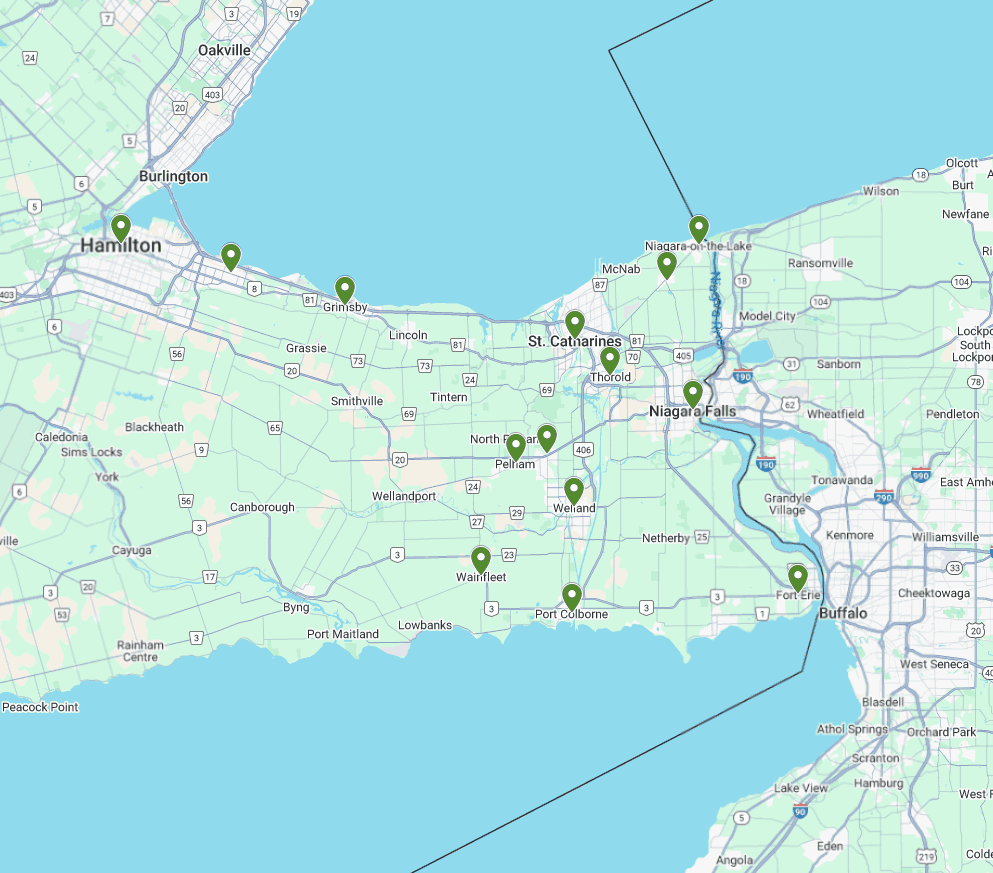
Our service areas encompass a wide range of locations, ensuring that we can meet the needs of our clients wherever they are. From bustling urban centers to serene rural landscapes, we are committed to providing top-notch services tailored to each unique environment.