



It describes comprehensive boiler installation for Pelham, ON homes, guiding readers through site assessment, equipment selection, and fuel choices while addressing local permitting and code requirements. It details a step-by-step installation and commissioning process, including venting, electrical work, system testing, and safety checks. The article emphasizes proper load calculations, compatibility with existing radiators or in-floor heating, and long-term maintenance to protect warranties, reduce fuel costs, and ensure reliable, safe heating through Pelham’s cold seasons.
.jpeg)
Boiler Installation in Pelham, ON
Upgrading or installing a boiler is one of the most important decisions for homeowners in Pelham, ON. With cold Niagara winters and many homes built with radiators or in-floor hydronic systems, the right boiler delivers reliable comfort, lower fuel bills, and safer operation. It describes the full boiler installation process for Pelham homes: how we assess your site, choose the correct equipment and fuel type, meet permitting and code requirements, perform the installation and commissioning, and set up long-term warranty and maintenance plans.
Why the right boiler installation matters in Pelham, ON
Pelham experiences sustained freezing temperatures and occasional deep cold snaps. Homes here often rely on continuous, evenly distributed heat. A properly sized and installed boiler:
- Prevents cold spots and frozen pipes
- Runs efficiently through long heating seasons, reducing fuel costs
- Integrates safely with older radiators, baseboard, or slab systems common in the area
Common local issues include undersized replacements for older cast-iron boilers, improper venting through aging chimneys, and municipal restrictions for fuel conversions in rural properties where natural gas may not be available.
Common boiler types and fuel choices for Pelham homes
Choosing the right fuel and boiler type depends on availability, existing infrastructure, and long-term efficiency goals.
- Natural gas boilers: Efficient and common where municipal gas is available in Pelham. Modern modulating condensing units deliver the highest efficiencies.
- Propane: Typical for rural lots or parts of Pelham not served by natural gas. Propane-fired condensing boilers are an efficient option.
- Oil boilers: Found in older homes; oil may still be in use but has higher operating costs and stricter venting/combustion considerations.
- Electric boilers: Used where combustion fuels are impractical. Simple and reliable but typically more expensive to run.
- Combi boilers: Provide space heating and domestic hot water from a single compact unit—good for smaller Pelham homes or renovations.
Equipment considerations: condensing vs non-condensing, modulating burners for improved comfort and efficiency, stainless steel vs cast iron heat exchangers for longevity, and compatibility with existing radiators or in-floor heating.
Site assessment and accurate load calculation
A professional boiler installation begins with a thorough site assessment in your Pelham home:
- Detailed heat loss calculation (not just matching the old boiler) to size the boiler properly based on insulation, window types, orientation, and living patterns.
- Inspection of existing distribution (radiators, baseboard, underfloor) to confirm compatibility and identify necessary upgrades such as new piping, zone valves, or pump sizing.
- Fuel availability check: municipal gas, propane tank location, oil tank condition, or electric capacity.
- Venting and chimney inspection to determine whether a liner, stainless vent, or polypropylene termination is required.
An accurate load calculation prevents oversized boilers that short-cycle, improves comfort, and maximizes seasonal efficiency—critical during Pelham’s long heating months.
Permitting and code compliance in Pelham, ON
All boiler installations must comply with Ontario regulations and local municipal requirements:
- Installations typically require permits from the Town of Pelham or Niagara Region building department and must follow the Ontario Building Code.
- Gas-fired boilers and pressure vessels are regulated by the Technical Standards and Safety Authority (TSSA) in Ontario; certified technicians and registered contractors must perform installations.
- Electrical connections must comply with Ontario Electrical Safety Code where applicable.
- Proper documentation and inspection records are kept for permit close-out and warranty purposes.
Meeting these requirements protects your home, ensures insurance compliance, and avoids costly rework.
Step-by-step installation and commissioning
A quality installation follows a clear, safe process:
Every step includes safety checks for pressure relief valves, low-water cutoffs (where applicable), and carbon monoxide risks.
Safety and venting considerations
Safety is paramount in boiler installations:
- Combustion air: ensure adequate air supply for safe combustion or use sealed-combustion appliances that draw outside air.
- Proper vent sizing and materials: older chimneys may need relining; condensing boilers require corrosion-resistant venting and condensate management.
- Carbon monoxide prevention: verify proper draft and test for CO at startup; ensure detectors are present and functioning in the home.
- Pressure and temperature protection: install and test relief valves, expansion tanks, and low-water cutoffs to prevent pressure events.
Pelham homes with tight envelopes or renovations can have reduced combustion air; these conditions must be identified and corrected during the assessment.
Startup testing, documentation, and homeowner orientation
Commissioning validates the installation:
- Perform combustion analysis to confirm optimal burner settings and efficiency.
- Cycle zones and confirm thermostats, pump sequencing, and differential temperatures across radiators or manifolds.
- Provide a written start-up report including setpoints, pressures, and test results, plus manufacturer warranty registration details.
- Walk through operating procedures, zone control use, and simple maintenance tasks so homeowners understand system care.
A clear handover builds confidence in system performance across the winter months.
Warranty and recommended maintenance for long-term performance
New boilers come with manufacturer warranties for the heat exchanger and components. To protect that warranty and extend service life:
- Follow an annual maintenance schedule: inspect burners and heat exchanger, clean strainers, check expansion tank pre-charge, bleed radiators or purge in-floor loops, and test safety controls.
- Keep a service record and register manufacturer warranties promptly.
- Consider planned tune-ups before the heating season to maintain efficiency and prevent midwinter failures common during Pelham’s coldest periods.
Routine maintenance reduces emergency repairs during freeze events and helps maintain lower fuel bills across long heating seasons.
Final considerations for homeowners in Pelham, ON
Choosing and installing a new boiler in Pelham means balancing reliability, fuel availability, upfront cost, and long-term efficiency. Proper load calculations, correct venting, code-compliant permitting, and professional commissioning are non-negotiable for a safe, efficient system. With the right planning—especially given Pelham’s winter demands—you’ll gain consistent warmth, improved comfort, and predictable operating costs through the years.

Customer Testimonials

I had an issue with my hot water tank and called Niagara Home Heating. Their service was fantastic and reasonably priced—exactly how a business should be run!

We had an amazing experience getting our new furnace installed with Niagara Home Heating. The owner was very helpful, their quote was more then competitive and the technician who installed the unit was professional and friendly. I would recommend their services.
I have used Niagara Home heating for multiple projects for over 16 years. John and his staff are absolutely the best. I tell all my friends and family about Niagara Home Heating because you won’t get any better service or pricing anywhere in Niagara. He has saved me thousands and thousands of dollars and has never let me down.
Lifesavers!! The AC in our house decided to quit the day we were passing the keys to the new owners!! Instead of making a service call to the house, John coached me through the minor repair over the phone, saving me the money and time waiting for a repair person to come.Much appreciated! Thanks again John
I called John today at 2:pm as my AC was not working and I wasn’t expecting even a call back as I knew with this hot weather we have had he would be swamped with calls. Well he called me back and showed at 8:pm on the same day to fix my AC. That is just incredible service and how much John really cares about his clients. Thank you John !
Very efficient company. I needed an old solar water heater removed from my roof. They were quick to book an appointment for the next day after I sent photos. They were very knowledgeable of the issue. The 2 guys that came were friendly and competent with the job, including removal of all parts.

Service Areas
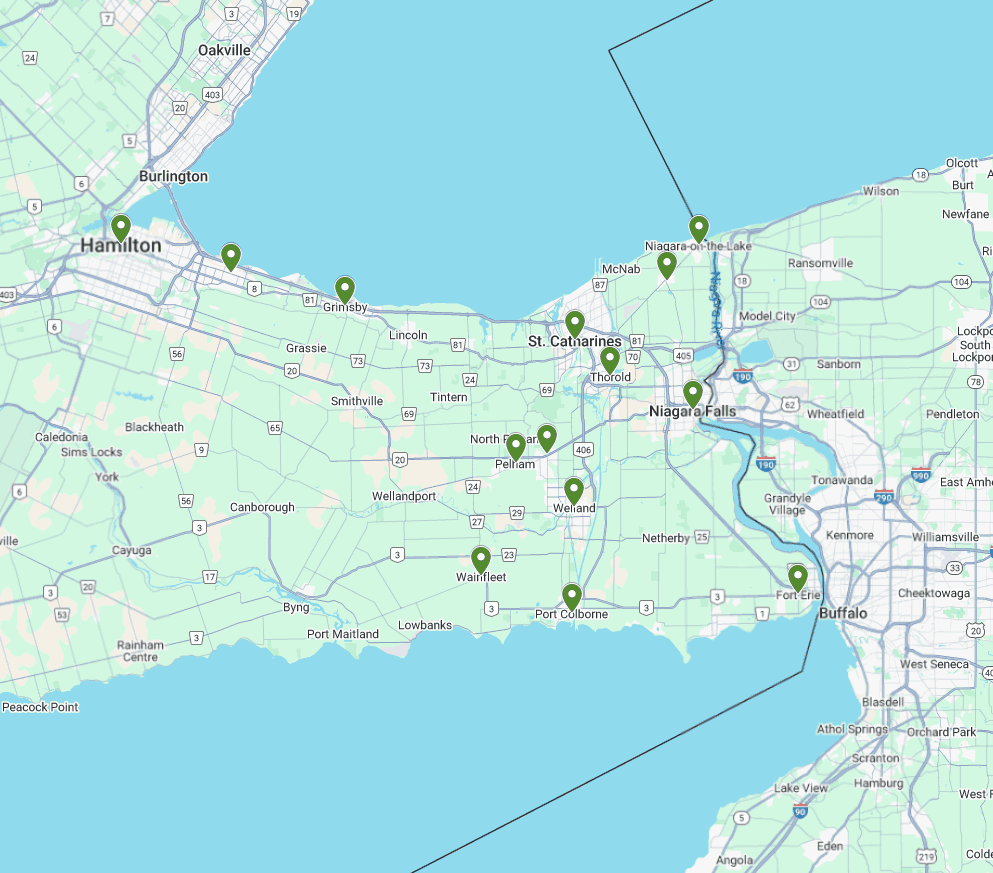
Our service areas encompass a wide range of locations, ensuring that we can meet the needs of our clients wherever they are. From bustling urban centers to serene rural landscapes, we are committed to providing top-notch services tailored to each unique environment.