



It describes the complete boiler installation process for Thorold, Ontario homes, from selecting the right unit to commissioning and long-term maintenance. It describes the need for accurate load calculations, matching distribution systems, and compliance with Ontario codes, including TSSA regulations. The guide covers installation steps, venting, piping, and controls, plus testing, warranties, and homeowner orientation. It also highlights common issues, maintenance best practices, and the long-term benefits of professional, code-compliant installation for reliable, efficient heating.
.jpeg)
Boiler Installation in Thorold, ON
A properly installed boiler is the backbone of a comfortable, efficient home in Thorold, ON. With cold, damp Niagara winters and many older homes that rely on hydronic heat and radiators, selecting the right boiler and installing it correctly prevents comfort problems, reduces energy bills, and minimizes long-term repair costs. It describes the new boiler installation process for Thorold homes, common choices and issues, code and permitting considerations, and what to expect from commissioning, warranties, and ongoing maintenance.
Why a correct boiler installation matters in Thorold
Thorold’s climate means long heating seasons and frequent on/off cycling in transitional months. An undersized or poorly installed boiler will struggle to keep a home warm, run inefficiently, and wear out sooner. Many Thorold homes have existing radiator or in-floor hydronic systems that require careful matching of boiler output, distribution piping, and controls. In addition, local water quality (hardness) and older chimneys or venting configurations increase the importance of a thorough site evaluation before installation.
Common new boiler types and system selections
- Condensing gas boilers (modulating) — best efficiency for natural gas homes; condensing models recover heat from flue gases.
- Combi boilers — provide domestic hot water and space heating in one compact unit; ideal for smaller homes or renovations without separate water heaters.
- High-efficiency oil boilers — for properties not on natural gas; modern oil boilers are more efficient than older units.
- Electric boilers — suitable where gas or oil are not options and for small systems or supplemental heat.
- System considerations: hot water radiators, baseboard, in-floor radiant, or combination systems require different piping, pump sizing, and controls.
Pre-installation site evaluation: what we check
A comprehensive pre-install evaluation prevents surprises and ensures the new boiler is sized and installed correctly:
- Heat loss calculation for the house (not just boiler tonnage) to determine correct BTU output.
- Existing distribution type (radiators, baseboards, in-floor) and any need for radiator replacement or rebalancing.
- Chimney condition and venting options (direct vent, natural draft, power vent); chimney liners for older masonry chimneys.
- Combustion air availability, clearances, and appliance location for safety and service access.
- Fuel source verification (natural gas, oil, propane, electric) and supply capacity.
- Domestic hot water demand when considering combi or indirect water heater sizing.
- Water quality assessment for scale prevention and corrosion control.
Permitting and code compliance in Ontario
Boiler installations in Thorold must meet provincial and municipal standards:
- Compliance with the Ontario Building Code and local bylaws for mechanical installations.
- Fuel-fired appliances and gas piping fall under Technical Standards and Safety Authority (TSSA) regulations — permits and qualified technicians are required.
- Proper venting and combustion air per code, and any required flue lining or cap installations.
- Installation documentation and permits ensure the system is legal, insurable, and meets safety expectations.
Installation procedures: venting, piping, and controls
A professional installation follows a systematic approach:
- Removal and safe disposal of the old unit, followed by site preparation and any structural or venting upgrades.
- Venting: installation of appropriate flue, liner, or direct vent assembly to ensure correct draft and prevent backflow of combustion gases.
- Piping: new supply and return connections, use of appropriate materials (steel, copper, or PEX-AL-PEX), proper slope and hangers, and installation of isolation valves, drains, and a pressure relief valve.
- Hydronic components: pumps sized for head and flow requirements, expansion tank sizing and location, air eliminators, and zone valves or thermostatic control for multiple zones.
- Controls: outdoor reset, modulating control strategies, smart thermostats, and zoning panels improve comfort and efficiency.
- Electrical and safety interlocks: proper wiring for circulating pumps, ignition controls, and safety shutoffs.
Commissioning and performance testing
Commissioning confirms the system operates as intended:
- Leak and pressure tests on the piping and boiler vessel.
- Combustion analysis for fuel-fired units (CO, CO2, efficiency) to verify safe, efficient combustion.
- Flue draft and spillage testing to ensure exhaust flows correctly.
- Flow and temperature checks for each zone and radiator; balancing where necessary.
- Control calibration and thermostat set-up; demonstration of control logic (priority hot water, setback schedules).
- A full run-through under load to verify reliability and performance.
Homeowner orientation and documentation
After installation you should receive:
- A walkthrough explaining how to operate the system, use thermostats and zoning, how to bleed radiators (if applicable), and what to do in a shutdown or CO alarm event.
- Documentation including manufacturer warranties, installation details, operating manuals, and a maintenance checklist.
- Clear explanations of warranty coverage: manufacturer parts warranty, optional extended coverage, and any installer workmanship warranty. Understanding warranty registration requirements and maintenance obligations is essential to preserve coverage.
Typical issues encountered during installations in Thorold
- Undersized boilers tied to renovated or insulated homes: upgrades should follow new heat loss calculations.
- Poor venting or old chimneys needing liners to accommodate modern, high-efficiency boilers.
- Water quality and scale on heat exchangers — hard water in the Niagara region can shorten boiler life unless proper water treatment or descaling procedures are used.
- Mismatched controls and distribution components leading to short cycling or uneven heat.
Warranties and long-term protection
- Manufacturer warranties vary by model and component; boiler sections, heat exchangers, and controls often have different terms.
- Installer workmanship warrants the installation practices; registering warranties soon after installation avoids future disputes.
- Warranties may require regular maintenance — keep service records and follow the recommended maintenance schedule.
Maintenance recommendations to protect your investment
- Annual tune-up including combustion check, filter/pump inspection, flush and chemical treatment if required, and pressure/expansion tank check.
- Bleed radiators and purge air from systems seasonally to maintain efficiency.
- Monitor and maintain proper water chemistry to prevent corrosion and scale.
- Check relief valves, vents, and combustion air openings for blockages and safe operation.
- Replace aging controls or thermostats to preserve efficiency gains from modern boilers.
Benefits of a professionally installed boiler in Thorold
A correctly sized, code-compliant boiler installation provides:
- Consistent, comfortable heat adapted to Thorold’s winters.
- Improved energy efficiency and lower heating costs with modern condensing and modulating technologies.
- Reduced repair and replacement risk through quality workmanship and correct component selection.
- Safer operation with proper venting, combustion testing, and compliance with Ontario safety standards.
A new boiler is a long-term investment in home comfort and safety. For Thorold homes—where older radiators, variable water quality, and a long heating season are common—careful evaluation, code-compliant installation, precise commissioning, and regular maintenance make the difference between a short-lived expense and a reliable, efficient heating system.

Customer Testimonials

I have used Niagara Home heating for multiple projects for over 16 years. John and his staff are absolutely the best. I tell all my friends and family about Niagara Home Heating because you won’t get any better service or pricing anywhere in Niagara. He has saved me thousands and thousands of dollars and has never let me down.

We had an amazing experience getting our new furnace installed with Niagara Home Heating. The owner was very helpful, their quote was more then competitive and the technician who installed the unit was professional and friendly. I would recommend their services.
Very efficient company. I needed an old solar water heater removed from my roof. They were quick to book an appointment for the next day after I sent photos. They were very knowledgeable of the issue. The 2 guys that came were friendly and competent with the job, including removal of all parts.
I had an issue with my hot water tank and called Niagara Home Heating. Their service was fantastic and reasonably priced—exactly how a business should be run!
Lifesavers!! The AC in our house decided to quit the day we were passing the keys to the new owners!! Instead of making a service call to the house, John coached me through the minor repair over the phone, saving me the money and time waiting for a repair person to come.Much appreciated! Thanks again John
I called John today at 2:pm as my AC was not working and I wasn’t expecting even a call back as I knew with this hot weather we have had he would be swamped with calls. Well he called me back and showed at 8:pm on the same day to fix my AC. That is just incredible service and how much John really cares about his clients. Thank you John !

Service Areas
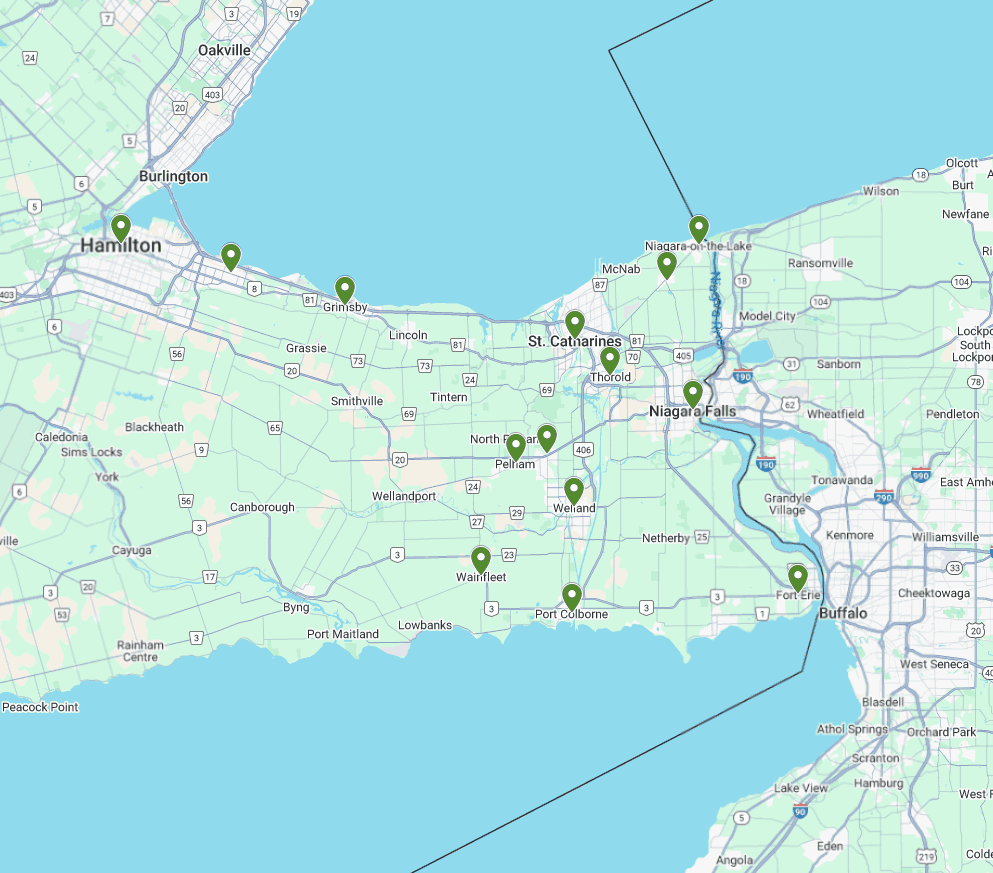
Our service areas encompass a wide range of locations, ensuring that we can meet the needs of our clients wherever they are. From bustling urban centers to serene rural landscapes, we are committed to providing top-notch services tailored to each unique environment.