



This page provides Grimsby homeowners with a clear overview of boiler repair, from diagnosing common problems to practical repair steps. It describess typical failures—no heat, no hot water, strange noises, leaks, and ignition issues—and describes how professional fault diagnosis proceeds, including visual inspection, testing, and safety checks. It also details common repair procedures, emergency response expectations, warranties, and when preventive maintenance or replacement is advisable to maintain reliable heat during cold seasons. A professional assessment helps Grimsby households choose cost-effective, long-lasting solutions.
.jpeg)
Boiler Repair in Grimsby, ON
A malfunctioning boiler disrupts comfort and can threaten safety—especially during Grimsby’s cold winters when reliable heat is essential. If your home’s boiler is making unusual noises, failing to produce hot water, cycling on and off, or showing error codes, understanding the likely causes and typical repair options helps you make confident decisions. It describes common faults seen in Grimsby homes, how professional diagnosis works, typical repair procedures (ignition, controls, pumps, valves, heat exchangers), emergency response expectations, safety and carbon monoxide checks, and what to expect from parts replacement and warranties.
Common Boiler Problems in Grimsby homes
Grimsby’s climate and housing stock create a predictable set of boiler issues. Local factors such as lake-effect cold snaps, older homes with original hydronic systems, and seasonal freeze-thaw cycles make these faults common:
- Low or no heat: often due to failed ignition, thermostat issues, pressure loss, or pump failure.
- No hot water or inconsistent temperature: faulty diverter valves, blocked heat exchanger, or control malfunctions.
- Short cycling (boiler turns on and off quickly): faulty controls, incorrect water pressure, or overheating due to scale or debris.
- Strange noises (clanking, kettling, gurgling): air in the system, sludge buildup, failing circulator pumps, or scale on the heat exchanger.
- Leaks or low system pressure: corroded valves, failed pressure relief valve, or pipe/union leaks—particularly in older radiators and piping in Grimsby’s heritage homes.
- Pilot/ignition failure: aged ignition modules, blocked burners, or flue/venting problems.
- Carbon monoxide detector activation or flue smells: blocked flue, incomplete combustion, or cracked heat exchanger—treated as urgent safety issues.
How modern boiler fault diagnosis works
Professional diagnosis follows a systematic process to find the root cause quickly and reduce unnecessary repairs:
This diagnostic approach minimizes guesswork and focuses repairs on the components that actually fail.
Typical repair procedures explained
Here are common repairs and what they involve so you know what to expect for your Grimsby home:
- Ignition and burner repairs: replace or clean ignition electrodes or pilot assemblies, rebuild burners, and clean ports to restore reliable ignition. Typical fixes restore normal operation quickly if no deeper combustion issues exist.
- Controls and sensor replacement: modern boilers rely on circuit boards, thermostats, and sensors. Replacing failed control boards, flame sensors, or temperature probes usually resolves erratic behavior and error codes.
- Circulator pumps: repair or replace failing pumps that cause no heat or low flow. Pumps may be rebuilt or swapped for a new unit; replacement eliminates noisy operation and restores circulation to radiators.
- Valves and zone repair: fix or replace leaking zone valves, motorized valves, and diverter valves that cause hot water distribution problems. Rebalancing may be performed for multi-zone systems common in Grimsby’s renovated homes.
- Heat exchanger service: minor scale or debris can sometimes be flushed; a cracked or severely corroded heat exchanger typically requires replacement. Cracked exchangers are a safety concern and are handled as high priority.
- Flue and venting repair: clear blockages, repair damaged flue sections, and ensure proper draft. Correct venting is critical for combustion safety in homes near Lake Ontario where wind patterns can affect draft.
- Leak repair and pipework: repair corroded fittings, replace failed pressure relief valves, and repair radiators or piping; in older homes, replacing suspect sections reduces repeat leaks.
Emergency response and 24/7 availability
Boiler failures during freezing temperatures present immediate comfort and safety risks. Emergency repair services prioritize issues that endanger occupants (carbon monoxide indications, major leaks, complete heat loss in subzero conditions). Rapid response includes temporary safety measures (shutting gas, isolating leaks, providing safe restart procedures) and prioritized repairs or temporary heating solutions until permanent fixes can be completed.
Safety, carbon monoxide checks, and compliance
Safety is non-negotiable. Any repair includes combustion testing and a carbon monoxide check. Signs of combustion problems or CO presence trigger immediate shutdown of the boiler until repairs are made. Technicians verify ventilation, flue integrity, and safety interlocks, and ensure that all work complies with provincial and municipal codes. For homes with older equipment, particular attention is paid to cracked heat exchangers and improper venting, both common causes of CO risk.
Transparent parts, timelines, and warranties
Professional boiler repair should come with clear, transparent estimates that list needed parts, labor scope, and realistic timelines. Parts may be OEM or equivalent aftermarket—options are explained so you can weigh cost versus longevity. Typical repair timelines vary: simple part swaps can be same-day, while heat exchanger replacements or major control board repairs may require ordering parts and take several days. All repairs should include written parts and labor warranties covering workmanship and component guarantees in line with industry standards.
Preventive maintenance and when replacement is better
Regular maintenance reduces emergency repairs and lengthens boiler life. Annual inspections before the heating season are recommended to clean burners, test controls, flush low points, and check system pressure. Consider boiler replacement when you face repeated major repairs, poor efficiency, rising fuel costs, or equipment older than 15 years—especially in Grimsby homes where upgrading can improve efficiency and reliability through cold months.
A well-diagnosed repair restores safe, dependable heat. Knowing the likely causes, typical repair procedures, safety checks, and warranty expectations helps Grimsby homeowners make informed decisions about their boiler systems.

Customer Testimonials

I have used Niagara Home heating for multiple projects for over 16 years. John and his staff are absolutely the best. I tell all my friends and family about Niagara Home Heating because you won’t get any better service or pricing anywhere in Niagara. He has saved me thousands and thousands of dollars and has never let me down.

We had an amazing experience getting our new furnace installed with Niagara Home Heating. The owner was very helpful, their quote was more then competitive and the technician who installed the unit was professional and friendly. I would recommend their services.
Very efficient company. I needed an old solar water heater removed from my roof. They were quick to book an appointment for the next day after I sent photos. They were very knowledgeable of the issue. The 2 guys that came were friendly and competent with the job, including removal of all parts.
I called John today at 2:pm as my AC was not working and I wasn’t expecting even a call back as I knew with this hot weather we have had he would be swamped with calls. Well he called me back and showed at 8:pm on the same day to fix my AC. That is just incredible service and how much John really cares about his clients. Thank you John !
I had an issue with my hot water tank and called Niagara Home Heating. Their service was fantastic and reasonably priced—exactly how a business should be run!
Lifesavers!! The AC in our house decided to quit the day we were passing the keys to the new owners!! Instead of making a service call to the house, John coached me through the minor repair over the phone, saving me the money and time waiting for a repair person to come.Much appreciated! Thanks again John

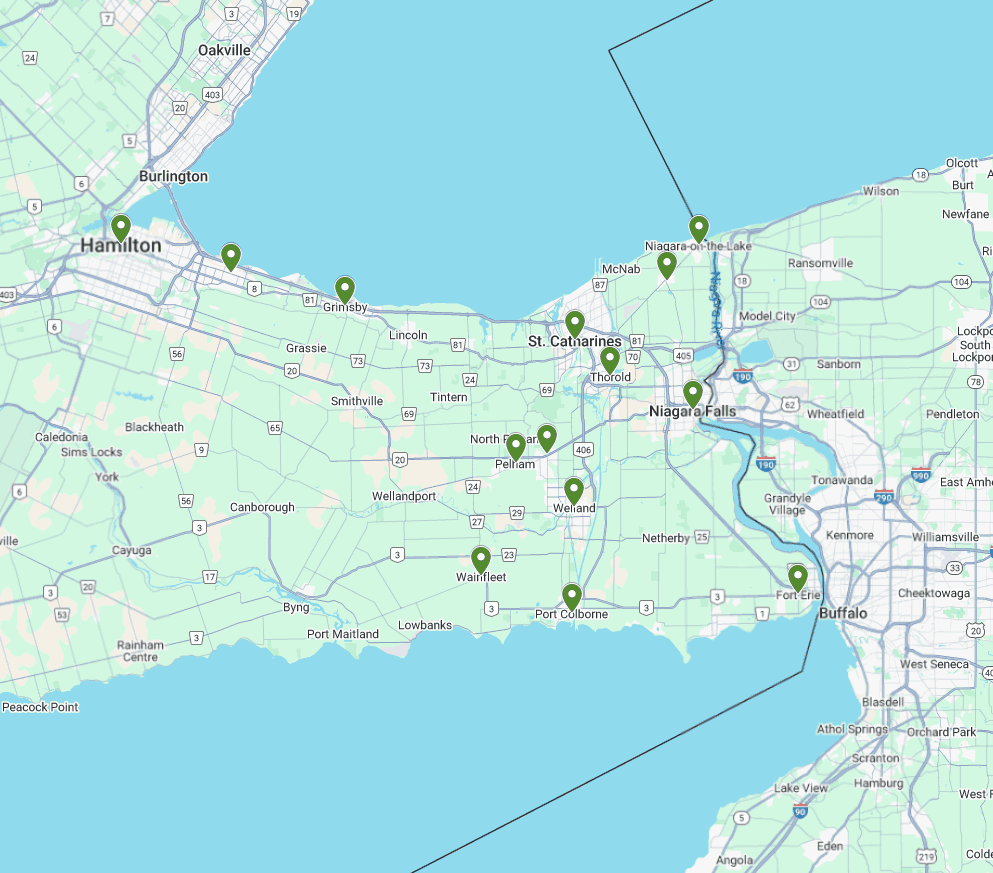
Service Areas
Our service areas encompass a wide range of locations, ensuring that we can meet the needs of our clients wherever they are. From bustling urban centers to serene rural landscapes, we are committed to providing top-notch services tailored to each unique environment.