



Stoney Creek homeowners can rely on professional heat pump repair services that diagnose issues quickly and transparently. It describes common failure symptoms, a step-by-step on-site troubleshooting process, and how components are repaired or replaced, from compressors to thermostats. It also covers expected response times, emergency options, technician qualifications, and open pricing with clear estimates. Follow-up steps emphasize seasonal tune-ups and maintenance to prevent repeat failures, improve efficiency, and extend system life while ensuring compliance with local codes.
.jpeg)
Heat Pump repair in Stoney Creek, ON
Heat pumps are a popular, efficient choice for Stoney Creek homes because they provide year-round heating and cooling with lower operating costs than many conventional systems. When a heat pump fails, however, it can leave a home cold in winter or uncomfortable in summer and drive up energy bills. It describes what a professional diagnostic and repair visit includes, common failure symptoms in Stoney Creek, how components are repaired or replaced, expected response times (including emergency options), technician qualifications, pricing transparency, and follow-up steps to prevent repeat problems.
Common heat pump failure symptoms in Stoney Creek
- No heat or no cooling: System runs but does not produce warm or cool air. Often caused by compressor, refrigerant, or reversing valve issues.
- Reduced airflow or weak performance: Blower motor, clogged filters, or duct problems. In tight, older Stoney Creek homes, airflow restrictions are common.
- Frequent short cycling: System turns on and off repeatedly. This stresses components and often indicates control, thermostat, or refrigerant problems.
- Frozen outdoor unit: Ice buildup on the outdoor coil during cold snaps or when defrost cycles fail. Local winter freeze-thaw conditions can make this more common here.
- Unusual noises: Grinding, rattling, or loud clicking can mean failing bearings, loose fan blades, or electrical contactor issues.
- High energy bills: Declining efficiency from worn compressor, low refrigerant, or failing motors.
- Continuous defrosting or failed defrost cycles: Results in freezing and poor heating performance in cold weather.
- Control or thermostat faults: Intermittent operation, wrong mode, or communication errors between indoor and outdoor units.
On-site diagnostic and troubleshooting procedures
A thorough on-site diagnosis follows a step-by-step, documented process so you understand the problem and options:
Technicians document findings and present clear repair vs replacement choices, explaining likely causes and expected outcomes for each option.
Component repair and replacement
- Compressors: The heart of the system. Failures usually require replacement rather than repair. Diagnosis includes electrical testing and pressure evaluation. Replacing a compressor involves refrigerant recovery, vacuuming, and proper leak testing.
- Outdoor and indoor fans/motors: Bearings and capacitors often fail. Motors can sometimes be repaired; frequently they are replaced for long-term reliability.
- Reversing valve: Controls heat/cool mode. Symptoms include stuck mode or no heat. Valve replacement requires refrigerant handling and precise testing.
- Contactors, capacitors, and relays: Common wear items that cause starting problems or motor failures. These are inexpensive to replace and often fixed on the first visit.
- Expansion devices and metering components: Improper operation can reduce performance. Diagnosis requires pressure and superheat/subcooling measurements.
- Controls and thermostats: Modern systems rely on electronic controls; firmware or sensor failures may need board or thermostat replacement.
- Refrigerant leaks and piping: Leaks must be located and repaired, followed by evacuation and recharge to correct charge and performance.
When parts are replaced, technicians follow factory guidelines, recover refrigerant per regulations, and test the system to ensure proper operation.
Expected response times and emergency options in Stoney Creek
- Typical scheduling: Many residents in Stoney Creek can expect a same-day or next-business-day diagnostic visit depending on availability and season.
- Emergency response: For no-heat situations during freezing temperatures, priority emergency options are available and technicians may respond outside regular hours. Emergency response aims to stabilize the home (temporary fixes, space heater advice) and return for permanent repair as soon as parts and scheduling permit.
- Truck stock and parts: Technicians carry common parts (capacitors, contactors, filters, basic motors) to complete many repairs in one visit. More complex components may require ordering with clear timelines provided.
Technician qualifications and standards
Technicians servicing heat pumps in Ontario should be licensed and certified to work with refrigerants and electrical systems and must follow provincial codes and safety practices. Expect technicians who:
- Have formal HVAC/refrigeration training and ongoing manufacturer-specific training.
- Are certified to handle refrigerants safely and legally.
- Use calibrated diagnostic instruments and follow documented troubleshooting workflows.
- Follow job site protection procedures to keep your home clean and safe.
- Provide clear documentation of work performed and any warranty applied to parts and labor.
Transparent pricing and repair estimates
Transparency is critical at the decision stage. Typical pricing practices include:
- A clear, itemized diagnostic fee that is either billed separately or applied to the repair estimate.
- Written, itemized estimates showing parts, labour, and fees for recommended repairs or replacement options.
- Explanation of repair vs replacement tradeoffs: expected life extension, energy savings, and long-term costs.
- Warranty details for parts and labour stated up front and included in written estimates.
- No hidden fees; any necessary additional work is explained and approved before proceeding.
Follow-up and preventing repeat issues
To reduce future breakdowns and maintain efficiency in Stoney Creek’s climate:
- Schedule seasonal tune-ups: fall for heating readiness and spring for cooling readiness.
- Change or clean filters regularly and keep the outdoor unit free from snow, leaves, and debris. In winter keep a clear area around the outdoor unit to support proper defrost cycles.
- Monitor and report unusual noises, higher bills, or thermostat oddities early to avoid major failures.
- Replace wear items proactively (capacitors, contactors, filters) based on age and manufacturer recommendations.
- Consider system upgrades or efficiency improvements if recurring compressor or major component failures occur—rebates and financing options are often available for qualifying heat pump replacements.
Prompt, professional repair restores comfort, protects system life, and helps control energy costs. Professional diagnostics combined with transparent estimates and qualified technicians make the difference between a temporary fix and a lasting solution for heat pump repair in Stoney Creek, ON.

Customer Testimonials

Lifesavers!! The AC in our house decided to quit the day we were passing the keys to the new owners!! Instead of making a service call to the house, John coached me through the minor repair over the phone, saving me the money and time waiting for a repair person to come.Much appreciated! Thanks again John

I had an issue with my hot water tank and called Niagara Home Heating. Their service was fantastic and reasonably priced—exactly how a business should be run!
I called John today at 2:pm as my AC was not working and I wasn’t expecting even a call back as I knew with this hot weather we have had he would be swamped with calls. Well he called me back and showed at 8:pm on the same day to fix my AC. That is just incredible service and how much John really cares about his clients. Thank you John !
We had an amazing experience getting our new furnace installed with Niagara Home Heating. The owner was very helpful, their quote was more then competitive and the technician who installed the unit was professional and friendly. I would recommend their services.
I have used Niagara Home heating for multiple projects for over 16 years. John and his staff are absolutely the best. I tell all my friends and family about Niagara Home Heating because you won’t get any better service or pricing anywhere in Niagara. He has saved me thousands and thousands of dollars and has never let me down.
Very efficient company. I needed an old solar water heater removed from my roof. They were quick to book an appointment for the next day after I sent photos. They were very knowledgeable of the issue. The 2 guys that came were friendly and competent with the job, including removal of all parts.

Service Areas
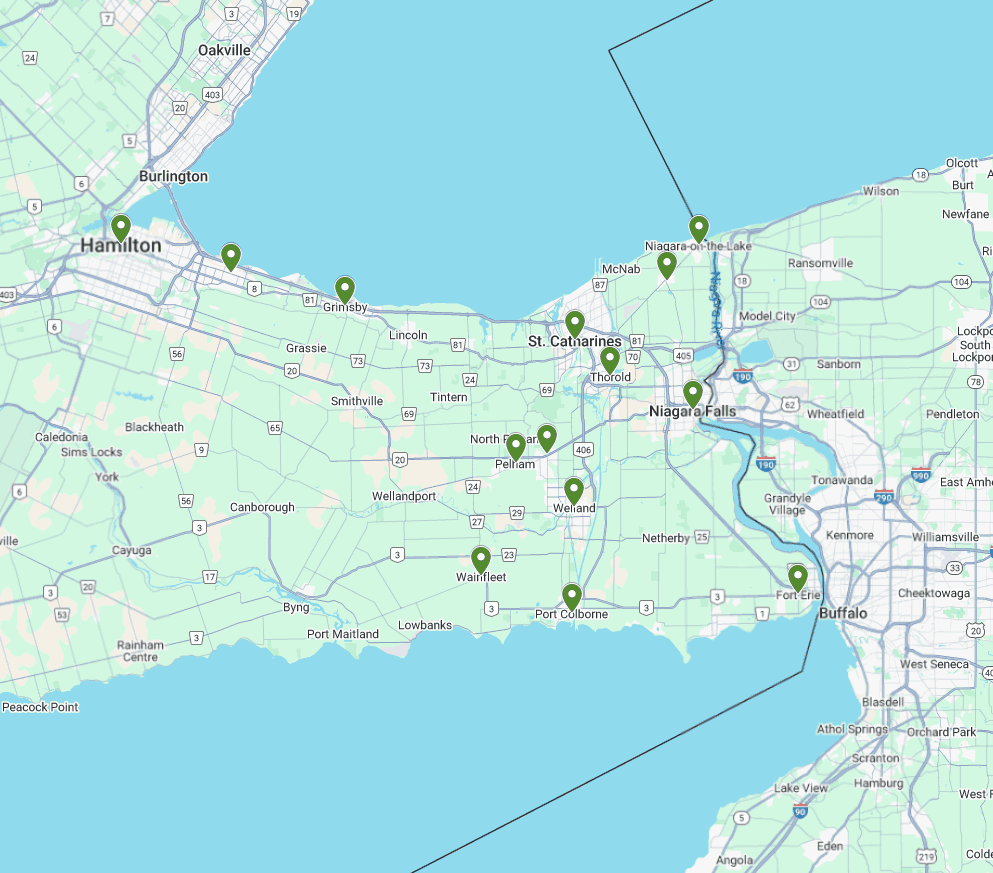
Our service areas encompass a wide range of locations, ensuring that we can meet the needs of our clients wherever they are. From bustling urban centers to serene rural landscapes, we are committed to providing top-notch services tailored to each unique environment.