



Heat Pump in Niagara Falls, ON
Choosing the right heat pump and keeping it running efficiently is one of the most impactful decisions you can make for year-round comfort and energy savings in Niagara Falls, ON. With cold, wet winters influenced by lake effect snow and humid summers, homes in the Niagara Region need systems that perform reliably across a wide seasonal range. Niagara heating brings local experience to comprehensive heat pump services including selection and sizing for our climate, professional installation, scheduled maintenance, prompt diagnostics and repairs, replacement and upgrade options, guidance on rebates and loan assistance, and realistic expectations for energy savings and warranties.
Why a heat pump makes sense for Niagara Falls homes
Heat pumps provide both heating and cooling in a single system, reversing operation with outdoor temperatures to deliver efficient heating in shoulder seasons and effective cooling in summer. Modern cold-climate heat pumps are engineered to operate down to much lower temperatures than earlier models, making them a practical choice for Niagara Falls where winter lows and humidity swings are common. Benefits that matter for local homeowners include:
- Lower seasonal operating costs compared with older electric resistance heating and many fossil fuel systems when electricity rates and incentive programs are considered.
- Year-round comfort handling both heating and air conditioning without two separate systems.
- Reduced carbon footprint and alignment with electrification trends and retrofit rebates.
- Flexible installation options, including ducted, ductless (mini-split) and hybrid systems that pair with existing furnaces.
Niagara heating leverages 15 plus years of local HVAC experience to match the right heat pump to your home, balancing performance, reliability, and value.
Common heat pump types and services in Niagara Falls, ON
Understanding system options helps you choose a solution that fits your home and budget. Common types we service include:
- Air-source heat pumps (standard and cold-climate models) — most common for single-family homes.
- Ductless mini-split systems — ideal for additions, homes without ductwork, and zoned comfort.
- Hybrid systems (heat pump paired with a gas furnace) — blend efficiency with backup performance in extreme cold.
- Geothermal heat pumps — high-efficiency option where site conditions allow.
- Variable-speed inverter models — deliver better dehumidification, quieter operation and finer temperature control.
Services Niagara heating provides for these systems include sizing and selection, professional installation, preventive maintenance, diagnostics and repairs, and planned replacement or upgrade consultations.
System selection and sizing for the Niagara Falls climate
Proper equipment selection and accurate sizing are critical. Oversized units short cycle and reduce comfort, while undersized units struggle to meet demand on the coldest days. Niagara Falls-specific considerations include:
- Heat loss and heat gain calculations tailored to local climate, orientation, insulation levels, window types and air tightness.
- Choosing cold-climate models with higher HSPF and good low-temperature COP to maintain heating capacity during deep cold snaps.
- Accounting for lake effect humidity which affects cooling load sizing and indoor dehumidification needs.
- Ductwork condition and distribution assessments for ducted systems; smaller ducts or leaky plenums can dramatically reduce performance.
- Zoning needs for multi-level homes and additions to avoid temperature imbalances.
A full Manual J load calculation is standard practice to identify the correct capacity and system configuration for reliable, efficient operation in Niagara Falls homes.
Professional installation steps you can expect
A quality installation is as important as the equipment chosen. Typical installation steps performed by Niagara heating technicians include:
- On-site pre-install assessment: verify load calculations, ductwork condition, electrical service and clearances.
- Permitting and code checks to ensure installations meet municipal and provincial requirements.
- Equipment siting with attention to wind, snow accumulation, roof or slab mounting and sound considerations.
- Proper refrigerant line routing, insulation and vacuum/charge procedures to factory specs.
- Electrical connection and verification against breaker and service capacity.
- Balancing airflow, calibrating thermostats and configuring controls including defrost settings for cold-climate units.
- System commissioning: performance checks, refrigerant and amp draw verification, and homeowner orientation on operation and maintenance.
Meticulous installations minimize callbacks and protect warranty coverage, particularly important in a climate with wide temperature swings.
Routine maintenance plans tailored to local conditions
Regular maintenance preserves efficiency, extends equipment life and prevents breakdowns when you need the system most. A practical maintenance plan for Niagara Falls homes includes:
- Spring and fall tune-ups: verify refrigerant charge, inspect coils and fans, clean condensate drains, and test reversing valve operation before heating and cooling seasons.
- Filter inspection and replacement every 1 to 3 months depending on filter type and household conditions.
- Duct inspection and sealing to reduce heat loss, improve airflow and lower operational costs.
- Electrical and safety checks on contactors, capacitors, breakers and controls.
- Lubrication and motor inspection where applicable, and confirmation of proper defrost cycle function in winter.
- Performance reports after each visit to document conditions and recommended actions.
Scheduled maintenance typically reduces emergency repairs and keeps systems operating at rated efficiency an important consideration in Niagara Falls where winters can be cold and summers humid.
Diagnostic and repair services for common local issues
Heat pump issues often present differently across seasons. Niagara heating technicians follow a systematic diagnostic approach to find root causes and recommend durable repairs. Common problems and diagnostic cues include:
- Reduced heating capacity: may indicate low refrigerant, compressor issues, or airflow restrictions from dirty filters or blocked outdoor units.
- Frequent cycling or short cycling: often caused by improper sizing, thermostat placement, or control failures.
- Frozen outdoor coil: can be due to restricted airflow, low refrigerant or faulty defrost controls particularly problematic in freezing wet conditions.
- Unusual noises from compressor or fans: symptoms of bearing wear, loose components, or failing motors.
- Inconsistent temperatures or poor dehumidification: typically related to airflow imbalance, incorrect refrigerant charge, or thermostat calibration.
- Electrical faults: tripped breakers, failed contactors or damaged capacitors that prevent startup.
Repairs range from simple component replacements like capacitors or contactors to refrigerant recovery and compressor replacement. Niagara heating documents diagnostics, explains causes in plain language, and recommends repair versus replacement based on age, performance and cost-effectiveness.
Replacement and upgrade options for Niagara Falls homeowners
Deciding to repair versus replace depends on system age, repair frequency and the opportunity to gain efficiency improvements. Replacement considerations include:
- Age and efficiency: heat pumps older than 10 to 15 years often lack modern inverter-driven compressors and higher HSPF ratings.
- Cost of imminent repairs versus expected remaining life: multiple major repairs generally favor replacement.
- Opportunities to electrify: switching from oil or gas heating to an efficient heat pump can reduce operating costs and emissions.
- Ductwork upgrades: replacing an aging furnace may be the right time to evaluate duct sealing, insulation or installing ductless zones.
- Comfort upgrades: variable-speed compressors, multi-stage units and smart thermostats enhance comfort, noise levels and humidity control.
Upgrades can be phased to align with budget or renovation timelines, and modern systems are more adaptable to rebates and future-proof control platforms.
Heat pump rebates and loan assistance in Niagara Falls, ON
Niagara Falls residents have access to a mix of provincial, federal and utility programs that can reduce upfront costs. Program details change over time, but common elements to explore include:
- Federal retrofit grants: programs aimed at improving home energy performance may offer grants for qualifying heat pump installations and associated retrofit work such as insulation and air sealing.
- Provincial or regional incentives: Ontario-specific offerings from time to time include rebates or point-of-sale incentives for high-efficiency equipment and certified installers.
- Utility and municipality rebates: local utilities or conservation authorities occasionally provide rebates for electrification projects, demand reduction or peak shaving initiatives.
- Low-interest loan programs and financing options: government or community programs can offer financing to spread the upfront cost.
- Eligibility requires documentation: energy audits, pre- and post-installation photos, equipment serial numbers and receipts are commonly requested.
Niagara heating provides guidance on typical rebate pathways, what documentation is usually needed, and how to coordinate installation timing to meet program requirements. Verify current program availability and criteria before committing to a purchase as details vary and can update frequently.
Expected energy savings and cost comparison
Energy savings depend on existing systems, usage patterns and local energy prices. Key points to consider for Niagara Falls homeowners:
- Heat pumps are typically more efficient than electric resistance heating and can outperform older gas or oil systems on a seasonal basis, especially when combined with home efficiency upgrades.
- Efficiency metrics: Seasonal coefficients of performance (SCOP), HSPF and SEER ratings indicate system efficiency. Cold-climate models maintain higher COP at low temperatures, improving winter savings.
- Typical savings range: Many homeowners see 20 to 50 percent reductions in heating-related energy costs after switching from older systems, but actual savings depend on fuel type being replaced, insulation levels and electricity versus fuel prices.
- Payback periods vary: influenced by available rebates, system cost, energy price differentials and usage. Upgrades to duct sealing and insulation shorten payback time.
- Non-energy benefits: fewer serviceable parts than older systems, combined heating and cooling equipment, and potential increases in home resale appeal.
A site-specific estimate that accounts for your current fuel type, usage patterns, and local electricity rates will produce the most accurate projection. Niagara heating’s assessments include expected seasonal performance ranges so homeowners can make informed decisions.
Warranty information you should expect
Warranty coverage consists of two primary components: manufacturer warranties and installation workmanship warranties. Important warranty details include:
- Manufacturer warranties: typically cover compressors and major components for a specified period (commonly 5 to 10 years for parts, with some manufacturers offering extended coverage).
- Workmanship warranty: Niagara heating stands behind installation quality, providing warranty coverage on labor and installation workmanship for specified periods.
- Warranty conditions: regular maintenance is often a condition for warranty validity; retained invoices for preventive servicing are commonly required.
- Transferability: some manufacturer warranties can transfer to a new homeowner, which can be beneficial if you sell your home.
- Registered warranties: many manufacturers require system registration within a short window after installation to qualify for full warranty benefits.
Documenting maintenance visits and following recommended service intervals helps protect both manufacturer and workmanship warranties.
Tips for year-round performance in Niagara Falls, ON
Simple occupant practices and seasonal attention keep systems efficient and reliable. Recommended tips include:
- Keep the outdoor unit clear of snow, ice and debris during winter. Leave a 1 meter clearance around the unit and remove heavy snow accumulation gently.
- Maintain airflow: change filters regularly, keep return vents unobstructed and ensure supply vents are balanced.
- Use smart thermostat schedules: take advantage of setback and recovery features rather than dramatic temperature swings that increase energy use.
- Inspect condensate drains and ensure they remain clear in summer to prevent water damage and microbial growth.
- Protect the outdoor unit in winter with an airflow-friendly cover or shelter designed not to trap moisture — do not completely seal the unit.
- Schedule pre-winter and pre-summer maintenance to confirm refrigerant charge, defrost operation and control calibration.
- Consider supplemental insulation, attic sealing and window upgrades which improve system performance and reduce runtime.
Small, consistent actions paired with annual professional maintenance maximize comfort and extend system life.
Why homeowners in Niagara Falls trust Niagara heating
Niagara heating combines local knowledge with technical expertise to deliver dependable heat pump services suited to the Niagara Falls climate. Our approach emphasizes:
- Local experience: understanding of lake effect conditions, humidity challenges and regional home construction typical to Niagara Falls and surrounding areas.
- Skilled technicians: trained on cold-climate equipment, inverter technology and modern controls for accurate installations and diagnoses.
- Transparent communication: clear explanations of diagnostic findings, replacement options and lifecycle considerations to help homeowners make informed decisions.
- Warranty and workmanship focus: we align installations to protect manufacturer warranties and stand behind our work with defined workmanship coverage.
- Long-term value: recommendations prioritize durable solutions that balance upfront cost with long-term efficiency and comfort.
Niagara heating’s priorities mirror the values homeowners expect: integrity, professional service, fair pricing and durable solutions tailored to local needs.
Frequently asked questions
Q: Are heat pumps effective in Niagara Falls cold winters?
A: Modern cold-climate heat pumps are designed to keep operating efficiently at temperatures well below freezing and, when sized and installed correctly, provide reliable heating through typical Niagara Falls winters; extreme low-temperature events may require supplemental heat depending on the system and home.
Q: How do I know what size heat pump I need?
A: A Manual J load calculation that evaluates your home’s insulation, windows, orientation and air tightness is the accurate way to determine correct sizing; oversized units cause short cycling while undersized units struggle on the coldest days.
Q: What kinds of rebates or grants are available in Niagara Falls, ON?
A: Rebates and grants can come from federal retrofit programs, provincial initiatives and utility or municipal offerings; eligibility and amounts vary, so documentation like energy audit reports and detailed receipts are usually required to apply.
Q: How often should my heat pump be serviced?
A: A twice-yearly check (spring and fall) is recommended for most installations, with filter changes every 1 to 3 months depending on occupancy and filter type; regular servicing preserves efficiency and warranty coverage.
Q: When is repair better than replacement?
A: Repairs are reasonable for isolated component failures on newer systems; when a unit is beyond 10 to 15 years old, requires repeated major repairs, or lacks modern efficiency features, replacement is often the more economical and reliable choice.
Q: Can a heat pump replace my furnace entirely?
A: Many homes convert fully to heat pumps, especially with cold-climate models. However, some homeowners choose a hybrid system or keep a furnace for rare extreme cold backup; the choice depends on home characteristics, comfort preferences and budget.
Q: Will a heat pump lower my energy bills immediately?
A: Savings depend on the system you are replacing, electricity rates, and home efficiency. Many homeowners see meaningful reductions, especially if replacing older electric resistance or inefficient fossil fuel systems, and when combined with insulation or sealing upgrades.
Q: How long do heat pumps last?
A: With proper maintenance, most modern heat pumps last 15 years or more. Lifespan varies by usage, maintenance history, and environmental factors such as coastal or highly corrosive conditions.
Q: Are ductless mini-splits a good option for older Niagara Falls homes?
A: Yes, ductless mini-splits offer efficient zone heating and cooling without ductwork, making them an excellent retrofit option for older homes or rooms where adding ducts is impractical.
Q: What should I do if my outdoor unit freezes in winter?
A: Avoid using sharp tools to chip away ice. Check that airflow is unobstructed and schedule a professional inspection to verify defrost controls and refrigerant charge; Niagara Falls’ wet snow can cause ice buildup that needs professional evaluation.
Common heat pump issues in Niagara Falls
- Loss of heating capacity in deep cold — older or undersized units may struggle during prolonged subzero temperatures.
- Outdoor unit icing and excessive defrost cycles — frequent freeze/thaw conditions near Lake Ontario increase defrost demand.
- Reduced airflow or weak heating/cooling — often caused by clogged filters, blocked return vents, or restrictive ductwork.
- Refrigerant leaks — lead to poor performance and can damage the compressor if left unrepaired.
- Electrical failures — bad capacitors, contactors, or control board issues.
- Noisy operation or vibration — loose mounts, worn fan motors, or failing compressors.
- Thermostat or control issues — incorrect settings or wiring problems that prevent optimal operation.
Diagnostic and repair process (what to expect)
Professional technicians follow a methodical process to identify and correct problems:
- System history and symptoms — review thermostat logs, recent performance, and homeowner observations.
- Visual inspection — check outdoor unit condition, clearances, coils, and cabinet for corrosion or blockage.
- Airflow checks — inspect filters, returns, ductwork, blower motor, and registers for restrictions.
- Electrical testing — measure voltages, capacitors, contactors, and control circuits.
- Refrigerant and pressure checks — identify leaks, confirm proper charge, and verify compressor operation.
- Defrost and control sequence testing — ensure reversing valve and defrost controls operate correctly.
- Report and recommendation — technicians explain repair options, expected life extension, or when replacement is more cost-effective.
Repair vs replacement: how to decide
Consider replacement when:
- The unit is approaching 10 to 15 years and performance is declining.
- Multiple major components fail (compressor, reversing valve) or repairs become frequent and costly.
- The system uses obsolete refrigerants or has poor efficiency compared to modern units.
- Upgrading will unlock higher efficiency ratings (higher HSPF/SEER) and available rebates that improve payback.
Repair is reasonable when:
- The problem is a single, manageable issue (electrical part, minor refrigerant leak) and the system is otherwise in good condition.
- The remaining useful life and efficiency still meet household needs.
Heat pump sizing and selection guidance
Correct sizing is essential for year-round comfort and efficiency:
- Load calculation (Manual J) — a professional heat load assessment accounts for insulation, windows, orientation, and occupancy. This avoids oversizing (short cycling and reduced comfort) or undersizing (insufficient heat in cold spells).
- Ductwork evaluation — duct leakage and poor layout reduce system efficiency; sealing and balancing may be required.
- Select cold-climate models when needed — choose units with strong low-temperature performance if your home relies primarily on heat pump heating during winter.
- Consider hybrid systems — pairing a heat pump with a high-efficiency furnace (dual fuel) provides efficient heat while ensuring coverage during extreme cold.
Professional installation steps
A quality installation includes:
- Comprehensive load and site assessment.
- Proper equipment selection and matching indoor/outdoor components.
- Removal of old equipment and careful preparation of mounting/pads.
- Correct refrigerant line sizing, brazing, and insulation; pressure testing and evacuation.
- Electrical upgrades if required (disconnects, breakers, or panel capacity).
- Duct sealing, airflow balancing, and thermostat setup.
- System commissioning: verifying refrigerant charge, airflow, control sequences, and defrost operation.
- Homeowner walk-through on operation and maintenance basics.
Rebates and loan programs in Ontario and the Niagara Region
Federal and provincial energy-efficiency incentives and local utility rebates often apply to heat pump upgrades and can significantly reduce upfront costs. Types of support commonly available:
- Government grant programs that offset the cost of qualifying high-efficiency heat pumps and installations.
- Utility rebates for meeting specific efficiency thresholds or for replacing electric resistance heating.
- Low-interest loan or financing programs for energy retrofit projects.
Eligibility depends on system type, installation quality, and documentation such as invoices and efficiency ratings. Check current provincial and federal offerings and ensure your installer provides the required paperwork and system specifications to support applications.
Long-term energy savings and efficiency considerations
- Modern heat pumps deliver lower operating costs than many fossil fuel systems, especially when combined with proper insulation and efficient controls.
- Seasonal performance varies: look at HSPF for heating efficiency and SEER for cooling efficiency. Cold-climate models are specifically optimized for higher heating capacity at low temperatures.
- Lifespan expectancy for a well-maintained heat pump is typically 12 to 18 years; proactive maintenance extends life and preserves efficiency.
- Pairing with programmable thermostats and zoning can increase comfort while lowering bills.
Routine maintenance checklist (recommended)
- Change or clean filters every 1 to 3 months depending on use.
- Keep outdoor unit clear of debris, vegetation, and snow buildup.
- Have professional tune-ups twice a year: pre-winter and pre-summer inspections.
- Inspect and clean coils, check refrigerant, test defrost cycle, and tighten electrical connections during service visits.
- Seal and insulate refrigerant lines and check condensate drains for proper flow.
Closing summary
For Niagara Falls homeowners, a properly sized, installed, and maintained heat pump offers reliable heating and cooling, strong dehumidification in summer, and measurable energy savings year over year. Understanding common issues, realistic repair versus replacement criteria, and the benefits of professional installation and available incentives will help you select the right system and protect your investment for the long term.

Customer Testimonials

We had an amazing experience getting our new furnace installed with Niagara Home Heating. The owner was very helpful, their quote was more then competitive and the technician who installed the unit was professional and friendly. I would recommend their services.

I had an issue with my hot water tank and called Niagara Home Heating. Their service was fantastic and reasonably priced—exactly how a business should be run!
I have used Niagara Home heating for multiple projects for over 16 years. John and his staff are absolutely the best. I tell all my friends and family about Niagara Home Heating because you won’t get any better service or pricing anywhere in Niagara. He has saved me thousands and thousands of dollars and has never let me down.
Lifesavers!! The AC in our house decided to quit the day we were passing the keys to the new owners!! Instead of making a service call to the house, John coached me through the minor repair over the phone, saving me the money and time waiting for a repair person to come.Much appreciated! Thanks again John
Very efficient company. I needed an old solar water heater removed from my roof. They were quick to book an appointment for the next day after I sent photos. They were very knowledgeable of the issue. The 2 guys that came were friendly and competent with the job, including removal of all parts.
I called John today at 2:pm as my AC was not working and I wasn’t expecting even a call back as I knew with this hot weather we have had he would be swamped with calls. Well he called me back and showed at 8:pm on the same day to fix my AC. That is just incredible service and how much John really cares about his clients. Thank you John !

Service Areas
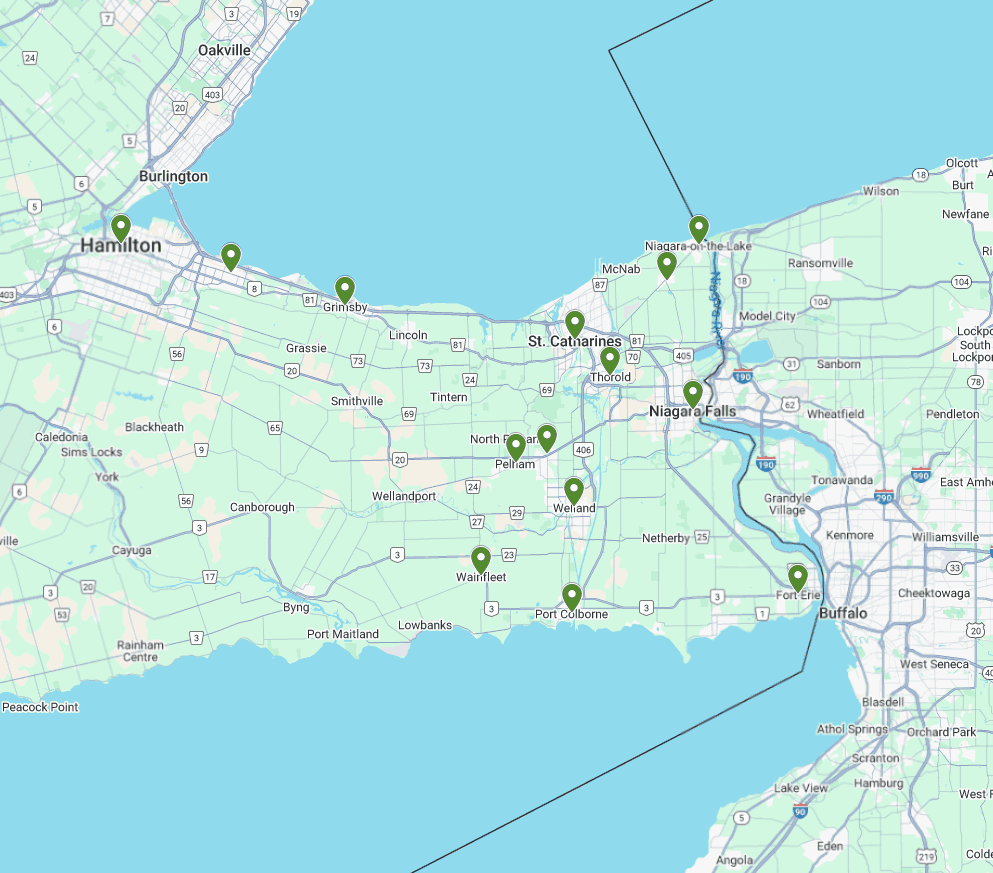
Our service areas encompass a wide range of locations, ensuring that we can meet the needs of our clients wherever they are. From bustling urban centers to serene rural landscapes, we are committed to providing top-notch services tailored to each unique environment.