



A comprehensive heat pump replacement for Fort Erie homes, detailing the end-to-end process from initial site assessment and load calculations to installation, disposal of old equipment, rebates, financing, and post-installation testing. It explains how accurate Manual J sizing prevents short cycling, describes energy-efficient model options suitable for cold winters, and covers permitting, ductwork considerations, and system commissioning. By clarifying expectations, timelines, and maintenance, the guide helps homeowners choose a reliable, cost-effective upgrade that enhances comfort and long-term savings.

Heat Pump Replacement in Fort Erie, ON
Replacing a heat pump is a significant home upgrade that directly affects comfort, energy bills, and long-term reliability—especially in Fort Erie where cold, damp winters and lake-effect conditions place specific demands on heating systems. It describes the step-by-step replacement process for Fort Erie homes, from the initial assessment and load calculations through installation, disposal of old equipment, rebates and financing options, and post-installation testing and homeowner walkthroughs. The goal is to make the decision straightforward and confidence-inspiring so you understand what to expect.
Why replace your heat pump in Fort Erie
- Fort Erie winters can be cold and humid; older units lose efficiency and struggle with extended low-temperature operation.
- Modern cold-climate and high-efficiency air-source heat pumps maintain good capacity at subzero temperatures, lowering reliance on backup electric or gas heat.
- Replacement addresses safety, refrigerant leaks, rising repair costs, and the opportunity to capture rebates and long-term energy savings.
Common heat pump replacement reasons in Fort Erie, ON
- Frequent breakdowns or very high repair frequency
- Significant loss of heating capacity during cold snaps
- Increasing electricity bills despite normal usage
- Older units that use phased-out refrigerants or lack modern efficiency ratings
- Noisy operation or visible corrosion from coastal/lake-influenced air
- Renovations that require resizing or reconfiguring HVAC equipment
Initial system assessment and load calculations
Recommendations for energy-efficient models
- Prioritize units with higher SEER (cooling) and HSPF or COP ratings (heating), and choose cold-climate models tested for sustained capacity below -20°C.
- Consider variable-speed compressors and multi-stage blowers for better comfort and lower operating noise.
- For homes without ductwork or for targeted zones, high-efficiency ductless mini-splits are an effective option.
- Look for models with comprehensive manufacturer warranties and authorized service networks.
Disposal of old equipment
- Refrigerant is recovered and recycled or disposed of according to Canadian environmental rules.
- Metal and components are separated for recycling; hazardous materials are handled in licensed facilities.
- Proper disposal prevents fines and environmental harm and demonstrates compliance with provincial and federal regulations.
Expected timeline
- Typical residential replacements for straightforward retrofits: 1 to 2 business days.
- More complex jobs (duct modifications, electrical upgrades, rooftop or hard-to-access installations): 2 to 4 days.
- Timeline factors: permit processing, weather constraints (heavy snow or freezing conditions), parts availability, and required electrical or gas upgrades.
Warranty, rebates, and financing information
- Manufacturer warranties commonly cover compressors and major components; labor warranties vary—verify both and keep documentation. Extended coverage may be available for major components.
- Homeowners in Fort Erie may qualify for federal and provincial incentive programs (for example national home retrofit grants and energy efficiency programs) and local utility rebates. Eligibility typically depends on unit efficiency, household income bracket, and whether a home energy assessment is completed.
- Financing options often include low-interest loans or payment plans through third-party lenders or energy program financing to spread replacement costs over time. Review terms and warranty conditions when combining financing with rebates.
Post-installation testing and homeowner walkthrough
- System testing: technicians perform electrical safety checks, verify refrigerant charge, measure airflow and temperature split, test defrost cycles, and confirm proper operation across modes (heat, cool, fan).
- Performance validation: confirm the system meets the load expectations from the Manual J calculation and runs quietly and efficiently in Fort Erie conditions.
- Thermostat setup: program schedules, demonstrate controls, and integrate any Wi-Fi or zoning systems.
- Homeowner walkthrough: review system operation, maintenance tips (filter replacement schedules, outdoor unit clearing), warranty paperwork, and what signs to watch for that would indicate service is needed.
Long-term benefits and maintenance advice
- Replacing an aging heat pump improves year-round comfort, lowers energy bills, and reduces carbon footprint. In Fort Erie homes, modern units better manage humidity and provide more consistent warmth during extended cold spells.
- Regular maintenance (annual or biannual inspections, filter changes, outdoor coil cleaning) preserves efficiency and extends equipment life.
- Consider a service agreement that includes seasonal inspections before winter and summer to ensure peak performance in Fort Erie’s variable climate.
Replacing a heat pump is an investment in comfort, efficiency, and reliability—knowing the process, timeline, and local considerations for Fort Erie helps you choose the right system and get predictable, long-lasting results.

Customer Testimonials

We had an amazing experience getting our new furnace installed with Niagara Home Heating. The owner was very helpful, their quote was more then competitive and the technician who installed the unit was professional and friendly. I would recommend their services.

Lifesavers!! The AC in our house decided to quit the day we were passing the keys to the new owners!! Instead of making a service call to the house, John coached me through the minor repair over the phone, saving me the money and time waiting for a repair person to come.Much appreciated! Thanks again John
I had an issue with my hot water tank and called Niagara Home Heating. Their service was fantastic and reasonably priced—exactly how a business should be run!
Very efficient company. I needed an old solar water heater removed from my roof. They were quick to book an appointment for the next day after I sent photos. They were very knowledgeable of the issue. The 2 guys that came were friendly and competent with the job, including removal of all parts.
I called John today at 2:pm as my AC was not working and I wasn’t expecting even a call back as I knew with this hot weather we have had he would be swamped with calls. Well he called me back and showed at 8:pm on the same day to fix my AC. That is just incredible service and how much John really cares about his clients. Thank you John !
I have used Niagara Home heating for multiple projects for over 16 years. John and his staff are absolutely the best. I tell all my friends and family about Niagara Home Heating because you won’t get any better service or pricing anywhere in Niagara. He has saved me thousands and thousands of dollars and has never let me down.

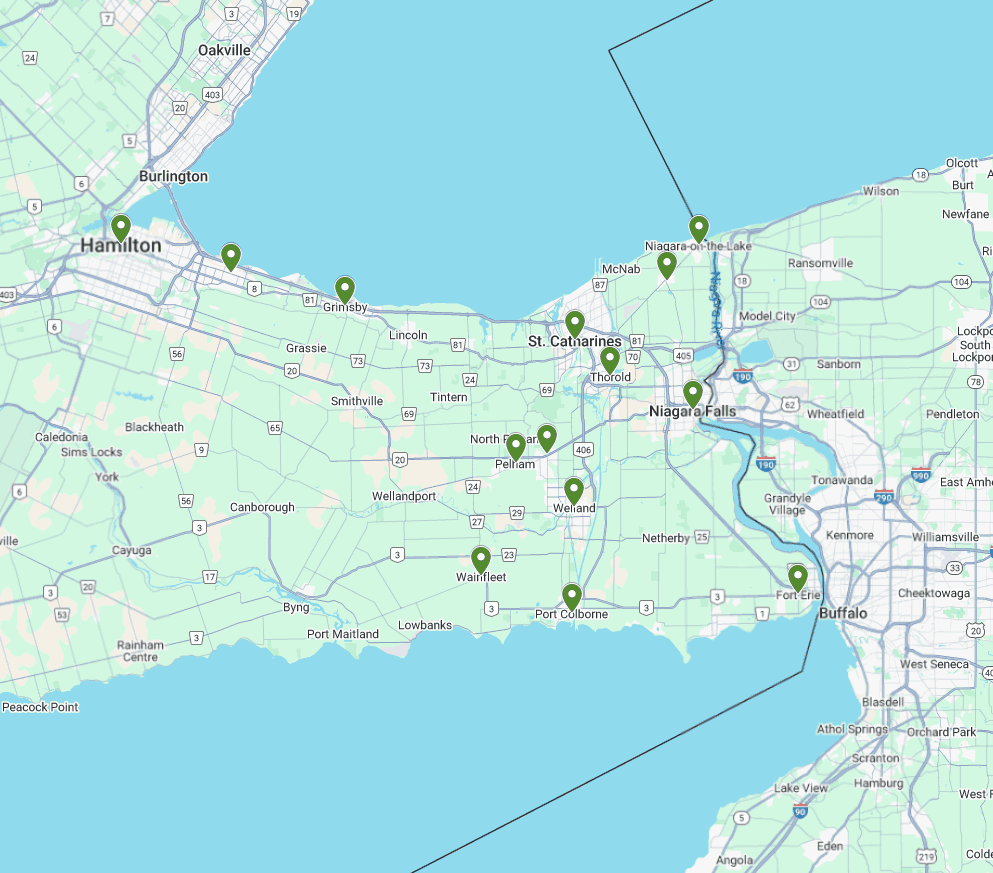
Service Areas
Our service areas encompass a wide range of locations, ensuring that we can meet the needs of our clients wherever they are. From bustling urban centers to serene rural landscapes, we are committed to providing top-notch services tailored to each unique environment.