



This service page describess professional mini split installation in Virgil, ON, providing efficient, zoned heating and climate control for homes with limited ductwork. It covers planning, sizing, equipment selection, and compliant electrical and refrigerant work, along with permitting and inspections. The process emphasizes site review, load calculations, and precise placement to maximize comfort, energy savings, and reliability. It describes also highlights post-install support, warranties, and practical maintenance tips tailored to Niagara Region conditions. Trustworthy service from assessment to aftercare.
.jpeg)
Mini Split Installation in Virgil, ON
Choosing a professionally installed mini split is one of the fastest ways to add efficient, zoned heating and cooling to Virgil homes. Whether you are renovating a century home in need of a ductless solution, adding climate control to a finished basement, or replacing an ageing window or wall unit, a full mini split installation provides consistent comfort, lower operating costs, and flexible placement with minimal disruption to your home.
Why a mini split makes sense in Virgil, ON
- Virgil experiences humid summers and cold Ontario winters. Modern ductless mini split heat pumps provide both cooling and year-round heating performance, including cold-climate models designed to maintain capacity at lower temperatures.
- Many homes in Virgil and the surrounding Niagara Region are older or have limited attic and basement space for ductwork. Ductless systems eliminate the need for major structural changes.
- Zoned control means you only heat or cool the spaces you use most, which can reduce energy bills and improve comfort in multi-level or renovated homes.
Common mini split services and issues we address in Virgil
- Full new mini split installation for single or multi-zone systems.
- Retrofits where ductwork is impractical or too costly.
- Replacing inefficient wall or window units with high-efficiency ductless alternatives.
- Upgrading to cold-climate or higher-efficiency outdoor units for better winter performance.
- Condensate problems from improperly routed or obstructed drain lines.
- Electrical or breaker upgrades to support outdoor units.
- Permitting and inspection coordination for local requirements.
The installation process — what to expect
- Initial consultation and site review
- A technician inspects living spaces, window and wall orientations, insulation levels, and intended use of each room. Local factors such as prevailing winds, sun exposure, and common winter conditions in Virgil are considered when planning system size and placement.
- Load calculation and system sizing
- A proper load calculation (Manual J style) determines heating and cooling capacity needed for each zone. This avoids undersizing that leads to poor winter performance or oversizing that causes short cycling and inefficiency.
- Equipment selection
- We recommend equipment based on calculated loads, room layouts, cold-climate performance needs, noise preferences, and long-term operating cost. Options include single-zone and multi-zone outdoor units and indoor heads (wall-mounted, floor-mounted, or ceiling cassette).
- Placement planning
- Ideal indoor head locations balance airflow, aesthetics, and avoidance of direct drafts on occupants. Outdoor unit placement considers noise, access for service, clearance requirements, and protection from snow buildup common in Niagara winters.
- Permits and code compliance
- Many installations require a building or electrical permit from local authorities. Permit coordination ensures compliance with Town of Pelham and Niagara Region regulations, and avoids issues at inspection.
Technical installation steps (performed to professional standards)
- Mount indoor head(s) and install line set and condensate piping through a small 2 to 3 inch hole with proper sealing.
- Install and level outdoor condenser on pads or brackets above typical snow lines to prevent burial during heavy snowfall.
- Connect refrigerant lines. For factory-charged systems, technicians evacuate and vacuum the line set and outdoor unit to remove air and moisture before brazing and opening service valves. Extra refrigerant is added when line lengths exceed manufacturer limits.
- Make electrical connections: dedicated breaker sizing, disconnect installation, and grounding according to code. Verify line voltage and install surge protection or contractor-specified safety devices as required.
- Install condensate management: gravity drains where possible, condensate pumps for below-grade installations, and drain routing to appropriate waste or exterior outlets. Proper insulation prevents freezing of condensate lines in colder months.
- Pressure and leak testing: refrigerant circuit pressure tested and leak-checked before final commissioning.
- Safety and cleanup: containment of work area, protective coverings for floors and furniture, and removal of all debris and packaging on completion.
Commissioning and customer walkthrough
- System start-up includes verifying correct refrigerant charge, measuring temperature split across the indoor coil, and confirming airflow and control responsiveness.
- Technicians demonstrate controls, zoning operation, and maintenance basics. They explain seasonal considerations for Virgil such as outdoor unit snow clearance, winter defrost cycles, and recommended filter cleaning schedules.
- Documentation provided includes equipment model numbers, a summary of installed settings, and warranty registration guidance.
Warranty, workmanship and post-install support
- Professional installations include workmanship standards that protect your home and ensure long-term system reliability. Installations are performed to manufacturer and code requirements to preserve equipment warranties.
- Manufacturer warranties typically cover parts and compressors, while installer workmanship warranties protect against installation-related issues for a defined period.
- Post-install support options include seasonal inspections, filter and coil cleaning, and service plans to maintain efficiency and detect issues early. Local service availability in the Niagara Region helps ensure rapid response to any concerns.
Practical benefits and maintenance tips for Virgil homeowners
- Energy savings and zoned comfort: heat or cool only the rooms in use for reduced energy consumption.
- Quiet operation: modern indoor heads operate quietly and avoid the noise of window units.
- Improved indoor air quality: properly installed systems reduce duct-related contaminants and are easy to maintain with accessible filters.
- Maintenance tips: clean or replace filters every 1 to 3 months depending on usage, keep indoor heads free of obstructions, clear snow and debris from outdoor units in winter, and schedule an annual tune-up before the heating or cooling season.
A professionally executed mini split installation balances precise sizing, careful placement, compliant electrical and refrigerant work, and reliable condensate handling. For Virgil homes, choosing equipment suited to local climate and having the installation done to code delivers dependable year-round comfort and efficient operation.

Customer Testimonials

Lifesavers!! The AC in our house decided to quit the day we were passing the keys to the new owners!! Instead of making a service call to the house, John coached me through the minor repair over the phone, saving me the money and time waiting for a repair person to come.Much appreciated! Thanks again John

We had an amazing experience getting our new furnace installed with Niagara Home Heating. The owner was very helpful, their quote was more then competitive and the technician who installed the unit was professional and friendly. I would recommend their services.
I have used Niagara Home heating for multiple projects for over 16 years. John and his staff are absolutely the best. I tell all my friends and family about Niagara Home Heating because you won’t get any better service or pricing anywhere in Niagara. He has saved me thousands and thousands of dollars and has never let me down.
I had an issue with my hot water tank and called Niagara Home Heating. Their service was fantastic and reasonably priced—exactly how a business should be run!
I called John today at 2:pm as my AC was not working and I wasn’t expecting even a call back as I knew with this hot weather we have had he would be swamped with calls. Well he called me back and showed at 8:pm on the same day to fix my AC. That is just incredible service and how much John really cares about his clients. Thank you John !
Very efficient company. I needed an old solar water heater removed from my roof. They were quick to book an appointment for the next day after I sent photos. They were very knowledgeable of the issue. The 2 guys that came were friendly and competent with the job, including removal of all parts.

Service Areas
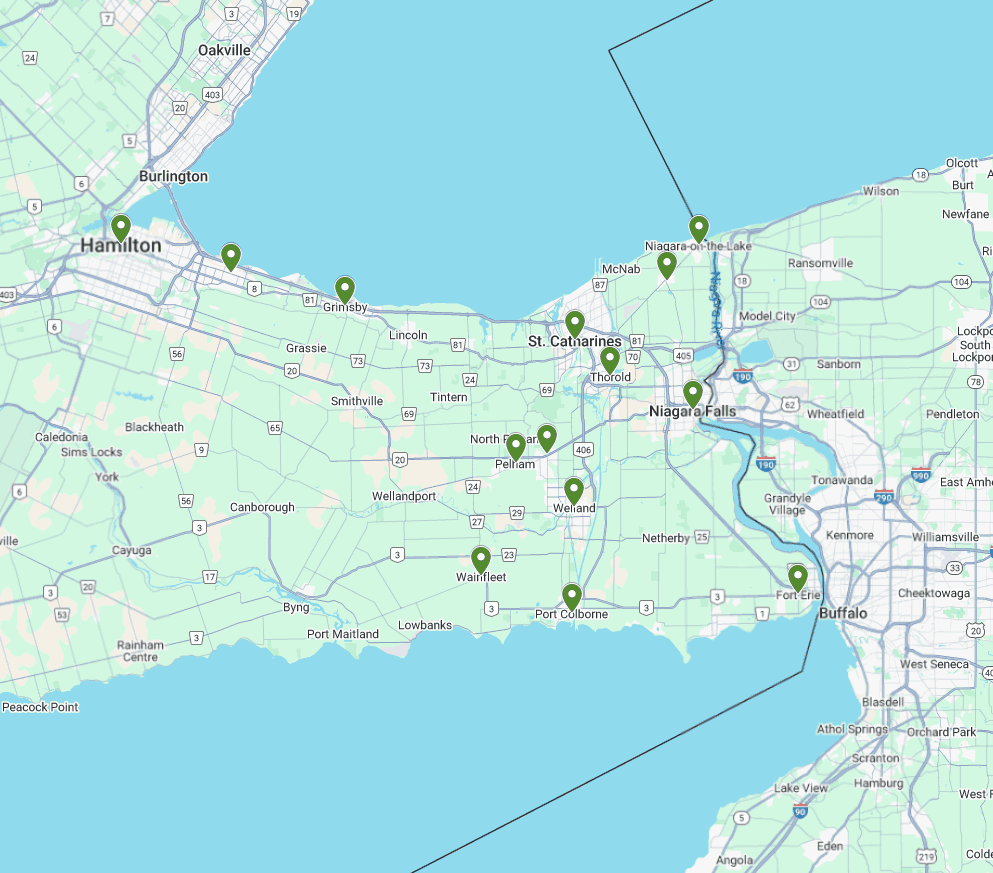
Our service areas encompass a wide range of locations, ensuring that we can meet the needs of our clients wherever they are. From bustling urban centers to serene rural landscapes, we are committed to providing top-notch services tailored to each unique environment.