



It describes professional mini-split installation in Wainfleet, ON, from pre-installation survey to commissioning. It explains how we size and place indoor and outdoor units, perform refrigerant and electrical work, and minimize disruption. Readers learn about available single-zone and multi-zone configurations, ideal mounting locations, and post-installation testing. It highlights energy efficiency, improved air quality, and flexible zoning, with guidance on timelines, permits, and site protection. A tailored plan ensures reliable comfort for homes and small businesses in Wainfleet.
.jpeg)
Mini Split Installation in Wainfleet, ON
Ductless mini-split installation is an efficient, flexible solution for Wainfleet homes and small businesses that need reliable cooling in summer and efficient heating through the shoulder seasons and mild winters. Whether you are adding a family room, finishing a basement, upgrading an older home without ductwork, or looking for zoned comfort in a heritage bungalow, a professionally planned mini-split system delivers quieter operation, better indoor air quality, and lower operating costs than many conventional options — especially important in Wainfleet where lake-effect weather swings bring humid summers and brisk winters.
It describes the full installation process you can expect in Wainfleet, ON: the pre-installation survey, how we size and select units, ideal indoor and outdoor placement, refrigerant and electrical work, realistic timelines, commissioning checks, and practical tips to reduce disruption during the project.
Why Wainfleet homes choose mini-splits
No ducts required — ideal for older houses, additions, or rooms that need independent temperature control.
Energy efficiency — modern inverter-driven mini-splits provide strong heating performance and can lower energy bills in the Niagara Region climate.
Zoned comfort — separate indoor heads let you heat or cool only the rooms you use.
Improved indoor air quality — multi-stage filters reduce dust and allergens compared with some forced-air systems.
Space-saving installation — compact indoor units and small outdoor condensers suit tight yards and limited utility spaces.
Common mini-split installation types in Wainfleet
- Single-zone wall-mounted systems for one room or small addition
- Multi-zone systems serving multiple rooms from a single outdoor condenser
- Ceiling cassette or bulkhead units for finished basements or open-plan spaces
- Retrofits for homes without ducts and conversions from window units or through-the-wall systems
Pre-installation site survey: what gets checked
A thorough site survey is the foundation of a successful mini-split installation. For Wainfleet properties this typically includes:
- Measurement and heat-loss/gain calculation for each space to determine correct capacity
- Assessment of wall structure, indoor unit locations, and ideal refrigerant line routing
- Verification of outdoor condenser placement with regard to air flow, noise, and winter protection from lake-effect winds and snow
- Electrical service evaluation: available breaker capacity, recommended breaker size, and whether a new dedicated circuit or subpanel is needed
- Discussion of aesthetic concerns, indoor unit styles, and placement preferences
- Permit and code review to ensure installation complies with local building and electrical requirements
Recommended unit selection
Selecting the right mini-split model matters more than choosing the cheapest option. Key considerations:
Capacity sized to your specific room loads rather than rule-of-thumb tonnage
Cold-climate performance so the outdoor unit maintains heat output during Ontario winters
Inverter variable-speed compressors for efficient part-load operation and quieter starts
HSPF/SEER ratings to maximize energy savings, especially important with Wainfleet’s humid summers
Multi-zone capability if you want to control several rooms from one condenser
- Filter type and ease of maintenance for ongoing indoor air quality benefits
Indoor unit placement and outdoor condenser siting
Proper placement ensures comfort and longevity:
- Indoor heads are typically mounted high on a wall to promote even air distribution; consider room layout, furniture, and sight lines.
- Avoid placing units directly above seating areas or where flow will blow across beds.
- For basements or rooms with low ceilings, ceiling cassette or floor-mounted units can be considered.
- Outdoor condenser location should allow unobstructed airflow, be elevated to avoid snow drifts, and be set on a stable pad or brackets. Facing away from prevailing winds and ensuring adequate clearance around the condenser reduces strain and noise transfer.
- In Wainfleet, consider protection from heavy wet snow and drifting caused by lake-effect conditions; corrosion-resistant units or coatings can help near open water.
Refrigerant line and electrical work
Professional installation practices minimize leaks and compliance issues:
- Refrigerant lines are run through a small hole in the wall, neatly insulated and sealed to maintain home envelope integrity.
- Lines are brazed and pressure-tested; the system is vacuumed to remove moisture before charging with the correct refrigerant amount.
- Electrical work includes dedicated circuits, disconnects, and compliant grounding. Outdoor condensers typically require a fused disconnect and appropriately sized breaker.
- All wiring, breaker sizing, and safety devices are installed to local electrical code standards, and necessary permits are arranged as part of the process.
Typical installation timeline and minimizing disruption
- Single-zone wall-mounted installations usually take a half-day to one day once the site survey and electrical preparations are complete.
- Multi-zone systems or installations requiring electrical upgrades and permits may take multiple days, with some scheduling time for inspections.
- To minimize disruption: clear the work area, move fragile items away from the wall where work will occur, and plan for technicians to access the outdoor condenser location easily. Professional installers will protect flooring, keep noise and dust to a minimum, and clean up after the job.
Post-installation testing and commissioning
Thorough testing ensures the system performs as expected:
- Leak checks and final refrigerant charge adjustments under operating conditions
- Verification of heating and cooling capacity in each zone
- Airflow and thermostat calibration, and confirmation of noise levels within acceptable range
- System controls setup, including schedules, sensors, and optional Wi-Fi connectivity
- Owner walk-through showing basic operation, filter access, and maintenance tips
Maintenance tips and long-term benefits
- Clean or replace filters every 1–3 months depending on use and pollen/humidity levels in the Niagara Region.
- Schedule an annual inspection before the cooling or heating season to check refrigerant charge, electrical connections, and condensate drainage.
- Keep the outdoor condenser clear of leaves, snow, and debris; trim plants to maintain recommended clearances.
- Over time, properly installed mini-splits provide precise zone control, lower running costs versus electric baseboard or window units, and reduced wear on central systems if used for targeted comfort.
A correctly designed and installed mini-split system tailored for Wainfleet’s seasonal conditions delivers dependable year-round comfort, improved efficiency, and flexible zoning for existing homes and new spaces. Careful site assessment, the right equipment selection, professional refrigerant and electrical work, and thorough commissioning are the keys to a quiet, efficient installation that lasts.

Customer Testimonials

I have used Niagara Home heating for multiple projects for over 16 years. John and his staff are absolutely the best. I tell all my friends and family about Niagara Home Heating because you won’t get any better service or pricing anywhere in Niagara. He has saved me thousands and thousands of dollars and has never let me down.

Lifesavers!! The AC in our house decided to quit the day we were passing the keys to the new owners!! Instead of making a service call to the house, John coached me through the minor repair over the phone, saving me the money and time waiting for a repair person to come.Much appreciated! Thanks again John
Very efficient company. I needed an old solar water heater removed from my roof. They were quick to book an appointment for the next day after I sent photos. They were very knowledgeable of the issue. The 2 guys that came were friendly and competent with the job, including removal of all parts.
I called John today at 2:pm as my AC was not working and I wasn’t expecting even a call back as I knew with this hot weather we have had he would be swamped with calls. Well he called me back and showed at 8:pm on the same day to fix my AC. That is just incredible service and how much John really cares about his clients. Thank you John !
I had an issue with my hot water tank and called Niagara Home Heating. Their service was fantastic and reasonably priced—exactly how a business should be run!
We had an amazing experience getting our new furnace installed with Niagara Home Heating. The owner was very helpful, their quote was more then competitive and the technician who installed the unit was professional and friendly. I would recommend their services.

Service Areas
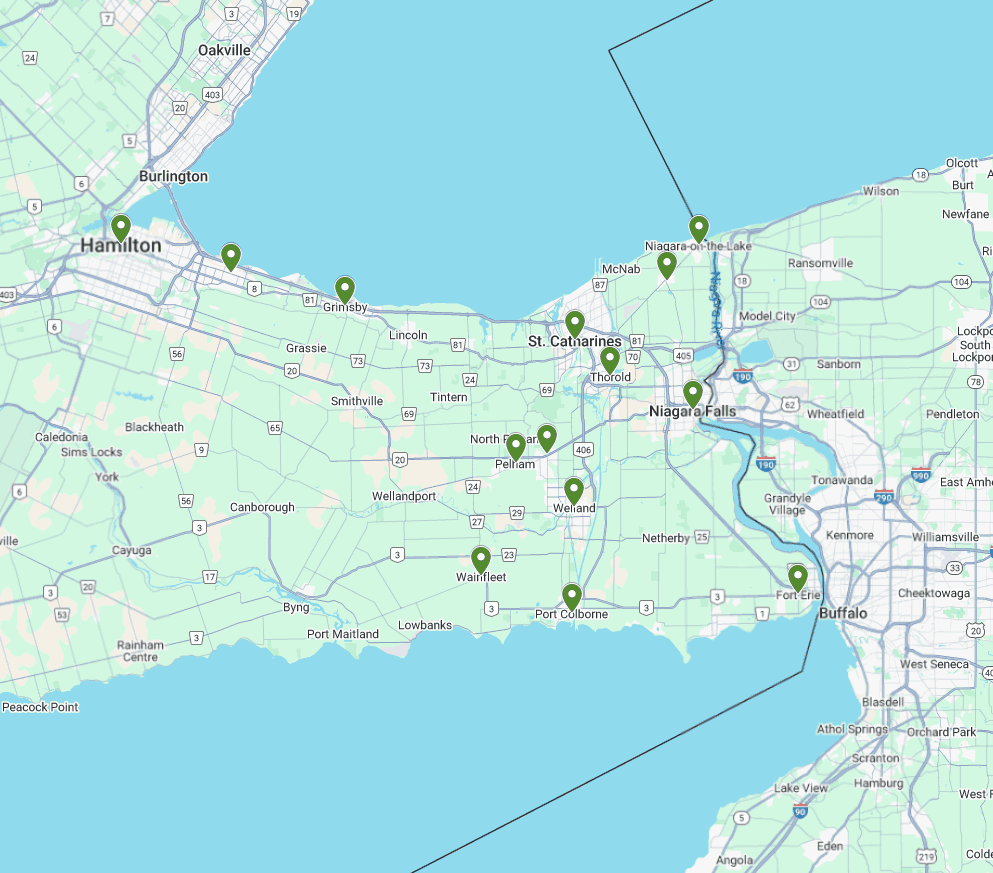
Our service areas encompass a wide range of locations, ensuring that we can meet the needs of our clients wherever they are. From bustling urban centers to serene rural landscapes, we are committed to providing top-notch services tailored to each unique environment.