



Niagara On The Lake mini split service covers routine maintenance, common diagnostics, and flexible agreement options to keep ductless systems performing reliably in varied seasons. Why regular tune-ups matter in this climate, outlines frequent issues such as dirty filters, coil problems, refrigerant leaks, and drainage concerns, and lists a practical tune-up checklist performed by trained technicians. It also presents recommended service intervals, homeowner maintenance tasks, and what to expect when arranging recurring visits, including documentation and scheduling.
.jpeg)
Mini Split Service in Niagara On The Lake, ON
Mini split systems are a popular, efficient choice for homes in Niagara On The Lake, ON — especially in historic houses, sunrooms, additions, and properties where ductwork is not practical. Regular professional service keeps these systems running quietly and efficiently through humid summers and cold winters, prevents costly breakdowns, and helps protect factory warranties. This page explains what routine mini split service includes, why preventive maintenance matters in the Niagara On The Lake climate, recommended service intervals, typical service agreement options, and what to have ready when arranging recurring maintenance.
Why routine mini split maintenance matters in Niagara On The Lake homes
Niagara On The Lake's climate — hot, humid summers and cold winters with frequent temperature swings and lake-influenced humidity — places specific stresses on mini split systems. Regular maintenance:
- Preserves cooling capacity during humidity-heavy summer months
- Ensures reliable heat mode performance through chillier shoulder seasons
- Reduces the risk of refrigerant leaks, frozen coils, and compressor strain caused by excessive cycling
- Extends system life and keeps energy use and operating costs down
- Maintains indoor comfort for wine cellars, finished basements, and sensitive living spaces common in the area
Common mini split problems in Niagara On The Lake
- Reduced cooling or heating output caused by dirty filters and coils
- Frosting or freezing of indoor evaporator coils during cold snaps
- Refrigerant leaks that lower efficiency and damage compressors
- Clogged condensate drains leading to water stains or indoor humidity issues
- Electrical faults, faulty sensors, or control board issues after storms or power surges
- Outdoor unit corrosion or debris buildup from seasonal leaf fall and yard maintenance
Standard tune-up checklist: what a professional service visit includes
A proper mini split tune-up addresses both indoor and outdoor components and verifies system performance. Typical steps performed by a qualified technician:
- Visual inspection of indoor and outdoor units for damage, corrosion, and debris
- Filter cleaning or replacement and instruction for homeowner filter care
- Evaporator and condenser coil inspection and cleaning to restore heat transfer efficiency
- Refrigerant level verification and leak detection if pressures are low (basic leak checks performed visually and via gauges; more advanced diagnostics if a leak is suspected)
- Electrical system inspection including connections, capacitors, contactors, and controls
- Motor and fan performance checks for indoor blower and outdoor fan
- Condensate drain and pan inspection and cleaning to prevent backups and mold growth
- Thermostat and remote control calibration; test of all operational modes (cooling, heating, dry, fan)
- Airflow measurements and static pressure checks where applicable
- Safety and performance report with recommended repairs and a service record for warranty compliance
Benefits of preventive mini split maintenance
- Improved energy efficiency and lower monthly utility bills
- Fewer emergency repairs and shorter downtime during peak seasons
- Longer equipment life and preserved manufacturer warranty coverage
- Consistent temperature control in sensitive spaces such as wine storage or guest suites
- Early detection of refrigerant or electrical issues before they become major failures
Recommended service intervals for mini split systems
- Annual comprehensive tune-up: Minimum recommended frequency for most single-zone systems used seasonally
- Biannual service for heavy-use homes, multi-zone systems, or properties with high humidity or dust exposure (spring and fall visits catch both cooling and heating seasons)
- Filter checks: Homeowners should visually inspect filters monthly during heavy use and clean or replace as needed; technicians will deep clean during scheduled visits
- Immediate service if you notice decreased airflow, unusual noises, ice on coils, or error codes on the indoor unit
Typical service agreement options
Service providers usually offer tiered maintenance plans to match homeowner needs. Common agreement features include:
- Basic Tune-Up Plan: Annual inspection and standard cleaning components included; written maintenance checklist provided
- Comprehensive Preventive Plan: Biannual visits, priority scheduling, in-depth leak testing, coil chemical cleaning, and full electrical diagnostics
- Multi-Zone Coverage: Plans tailored for homes with two or more indoor units, often priced per-unit or bundled for savings
- Warranty Compliance Plan: Scheduled maintenance that meets manufacturer requirements to protect warranty eligibility
- Record-keeping: Service history and inspection reports retained to support home resale and warranty claims
Service agreements typically detail what is included and what qualifies as extra repair work (for example, refrigerant recharge or part replacement). When evaluating plans, confirm whether priority scheduling, diagnostic labor, and travel fees are included.
Simple maintenance you can do between professional visits
- Clean or vacuum washable filters every 2-4 weeks during heavy use
- Keep indoor unit air paths clear of furniture and curtains to maintain airflow
- Sweep leaves and debris away from outdoor units and maintain at least 2 feet of clearance
- Monitor and empty any visible condensate pans if accessible and safe to do so
- Note and record any unusual noises, odors, or performance changes to share with your service technician
What to expect when arranging recurring service
When you book recurring mini split service, have the following information available to streamline the visit:
- System make, model, and serial number(s)
- Installation year and any known past repairs or refrigerant history
- A list of symptoms or issues you have observed
- Preferred maintenance frequency and whether you want single-unit or multi-zone coverage
The first scheduled visit typically includes a full inspection, a written report of findings, and a recommended maintenance schedule. Ongoing visits focus on the agreed checklist and any follow-up items.
Final considerations for Niagara On The Lake homeowners
Routine mini split service is an investment that pays back through lower energy costs, improved comfort, and fewer emergency repairs in a climate that demands both reliable cooling and dependable heating. For older or historic Niagara On The Lake homes where ductwork is not feasible, well-maintained ductless systems preserve the character of the home while delivering modern comfort. Keep maintenance records handy for warranty purposes and resale value, and choose a plan that aligns with your home’s usage pattern and the local seasonal demands.
Regular service preserves the quiet, efficient performance you expect from a mini split system and helps avoid interruptions during the busiest parts of the year.

Customer Testimonials

Lifesavers!! The AC in our house decided to quit the day we were passing the keys to the new owners!! Instead of making a service call to the house, John coached me through the minor repair over the phone, saving me the money and time waiting for a repair person to come.Much appreciated! Thanks again John

I have used Niagara Home heating for multiple projects for over 16 years. John and his staff are absolutely the best. I tell all my friends and family about Niagara Home Heating because you won’t get any better service or pricing anywhere in Niagara. He has saved me thousands and thousands of dollars and has never let me down.
I had an issue with my hot water tank and called Niagara Home Heating. Their service was fantastic and reasonably priced—exactly how a business should be run!
Very efficient company. I needed an old solar water heater removed from my roof. They were quick to book an appointment for the next day after I sent photos. They were very knowledgeable of the issue. The 2 guys that came were friendly and competent with the job, including removal of all parts.
I called John today at 2:pm as my AC was not working and I wasn’t expecting even a call back as I knew with this hot weather we have had he would be swamped with calls. Well he called me back and showed at 8:pm on the same day to fix my AC. That is just incredible service and how much John really cares about his clients. Thank you John !
We had an amazing experience getting our new furnace installed with Niagara Home Heating. The owner was very helpful, their quote was more then competitive and the technician who installed the unit was professional and friendly. I would recommend their services.

Service Areas
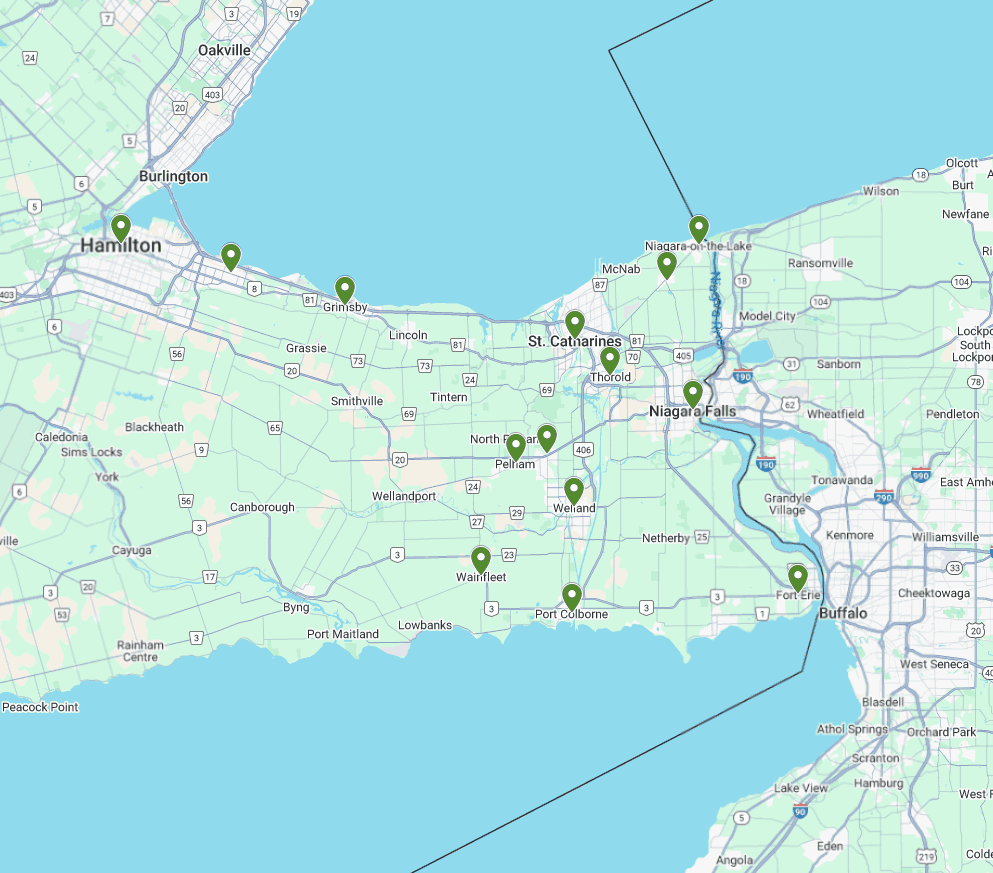
Our service areas encompass a wide range of locations, ensuring that we can meet the needs of our clients wherever they are. From bustling urban centers to serene rural landscapes, we are committed to providing top-notch services tailored to each unique environment.