



This page details 24/7 emergency AC repair in Stoney Creek, ON, outlining rapid-response diagnostics, on-site stabilization, and safety protocols. It explains common urgent issues such as complete shutdowns, compressor faults, electrical failures, refrigerant leaks, frozen coils, and damaged outdoor units, and describes on-site steps technicians take to restore cooling or recommend expedited replacements. It also covers preparation tips for clients, the importance of timely maintenance, and guidance on choosing temporary fixes versus full system replacement when quality and reliability are at stake.
.jpeg)
AC emergency-ac-repair in Stoney Creek, ON
When your air conditioner fails in the middle of a hot, humid Stoney Creek summer, it becomes more than an inconvenience — it can affect comfort, health, and sensitive equipment. Emergency AC repair services in Stoney Creek, ON are designed to restore cooling quickly and safely, day or night. It describes what constitutes an AC emergency, how rapid-response teams diagnose and stabilize systems on site, common urgent failures in the region, expedited parts and replacement options, the safety protocols technicians follow, and what to have ready when you request immediate service.
Why 24/7 emergency air conditioning repair matters in Stoney Creek
Stoney Creek experiences humid summers and periodic heat waves influenced by Lake Ontario. High humidity makes homes feel hotter and can worsen the impact of a total AC shutdown. Older homes and renovations common in the area can also put extra stress on aging systems or undersized ductwork. Quick emergency response prevents prolonged discomfort, reduces the risk of mould growth in humid conditions, and avoids secondary damage to electronics or sensitive household items.
Common emergency AC issues in Stoney Creek
Emergency AC problems tend to fall into a few predictable categories. Local technicians frequently see:
- Complete system shutdowns: Unit won’t start, breakers trip repeatedly, or the thermostat shows no call for cooling.
- Compressor faults: A noisy, overheated, or non-spinning compressor stops the system from producing cold air and can signal imminent failure.
- Electrical failures: Shorted capacitors, contactor failures, or wiring faults that present safety risks and require immediate isolation.
- Refrigerant leaks: Sudden loss of cooling capacity, frost on lines, or hissing sounds; leaks can cause system damage and reduce indoor comfort rapidly in humid weather.
- Frozen evaporator coils: Often caused by airflow restriction or low refrigerant — leaves the blower running with little to no cold air output.
- Outdoor unit damage: Storms, debris, or vandalism that render the condenser inoperable.
Rapid-response diagnostics: what to expect
Emergency teams follow a structured approach to restore cooling efficiently and safely:
On-site temporary stabilization measures
When a full repair or part replacement is not immediately possible, technicians can take temporary actions to stabilize the system and preserve comfort:
- Resetting and safely isolating faulty electrical components to prevent damage or fire risk
- Installing temporary run capacitors or contactors where safe and feasible
- Recovering and containing leaking refrigerant to prevent further loss (note: refrigerant recovery follows environmental regulations)
- Redirecting airflow or operating a secondary blower to circulate cooler air from shaded areas of the home
- Providing short-term portable cooling recommendations and safety advice for vulnerable occupants (infants, elderly, people with respiratory conditions)
Expedited parts and replacement options
Emergency repair teams maintain relationships with local parts suppliers and warehouses to shorten downtime. Typical expedited solutions include:
- Same-day or next-day delivery for common parts: capacitors, contactors, fan motors, and thermostats
- Rapid compressor replacement when economically and technically appropriate
- Short-term retrofit solutions: compatible components to restore operation until a planned replacement can be scheduled
- Recommendations for replacement when repairs are temporary, costly, or when the system is near end-of-life; technicians will factor in energy efficiency and warranty considerations
Safety protocols and compliance
Safety is paramount during emergency repairs. Technicians follow strict protocols:
- De-energize circuits before performing electrical work and verify lockout/tagout where required
- Repair or isolate faults that pose a shock, fire, or refrigerant exposure risk
- Use personal protective equipment and respect home safety (floor protection, containment of debris)
- Adhere to refrigerant-handling regulations and provincial codes for HVAC work
- Document findings and explain safety-related reasons for any immediate shutdowns or isolation of equipment
What to have ready when you request immediate service
Preparing a few key details speeds dispatch and ensures technicians arrive with appropriate tools and parts:
- Exact location and best access instructions for the property in Stoney Creek
- Brief description of the problem (no cooling, loud noises, tripped breaker, refrigerant smell)
- System details if known: brand, model, age, and any recent service history
- Any immediate safety concerns (sparks, burning smells, visible smoke)
- Presence of vulnerable occupants or pets so technicians can prioritize entry and cooling needs
Dispatch processes typically prioritize emergencies by severity, route the closest qualified technicians, and relay any known hazards before arrival.
When replacement becomes the better option
In some emergency scenarios replacement is the most sensible solution — for example, when the compressor has failed catastrophically, refrigerant lines are irreparably damaged, or the unit is old and inefficient. Factors that push toward replacement include:
- Age of system (many units are near the end of their expected service life after 10–15 years)
- Repeated expensive breakdowns within a short period
- Significant reduction in efficiency leading to much higher energy costs
- Safety risks identified during diagnosis
Technicians will explain the trade-offs between an emergency repair and expedited replacement, including energy savings, warranty options, and expected future reliability.
Preventing future emergencies
Proactive measures reduce the likelihood of emergency breakdowns in Stoney Creek homes:
- Annual maintenance and seasonal tune-ups before summer heat
- Regular filter changes and keeping outdoor units clear of debris and vegetation
- Monitoring electrical panels and addressing nuisance breaker trips promptly
- Upgrading undersized or aging systems to meet current cooling demands in humid summers
A well-maintained system is less likely to fail during peak heat and typically costs less to operate.
Final notes
Emergency AC repair in Stoney Creek, ON focuses on restoring safe, reliable cooling quickly while protecting your home and occupants. Rapid diagnostics, temporary stabilization, expedited parts options, and careful attention to safety and local climate challenges are the cornerstones of effective 24/7 emergency service. Preparing basic system information and describing symptoms clearly when requesting assistance helps responders arrive ready to act.

Customer Testimonials

I had an issue with my hot water tank and called Niagara Home Heating. Their service was fantastic and reasonably priced—exactly how a business should be run!

We had an amazing experience getting our new furnace installed with Niagara Home Heating. The owner was very helpful, their quote was more then competitive and the technician who installed the unit was professional and friendly. I would recommend their services.
I called John today at 2:pm as my AC was not working and I wasn’t expecting even a call back as I knew with this hot weather we have had he would be swamped with calls. Well he called me back and showed at 8:pm on the same day to fix my AC. That is just incredible service and how much John really cares about his clients. Thank you John !
Very efficient company. I needed an old solar water heater removed from my roof. They were quick to book an appointment for the next day after I sent photos. They were very knowledgeable of the issue. The 2 guys that came were friendly and competent with the job, including removal of all parts.
Lifesavers!! The AC in our house decided to quit the day we were passing the keys to the new owners!! Instead of making a service call to the house, John coached me through the minor repair over the phone, saving me the money and time waiting for a repair person to come.Much appreciated! Thanks again John
I have used Niagara Home heating for multiple projects for over 16 years. John and his staff are absolutely the best. I tell all my friends and family about Niagara Home Heating because you won’t get any better service or pricing anywhere in Niagara. He has saved me thousands and thousands of dollars and has never let me down.

Service Areas
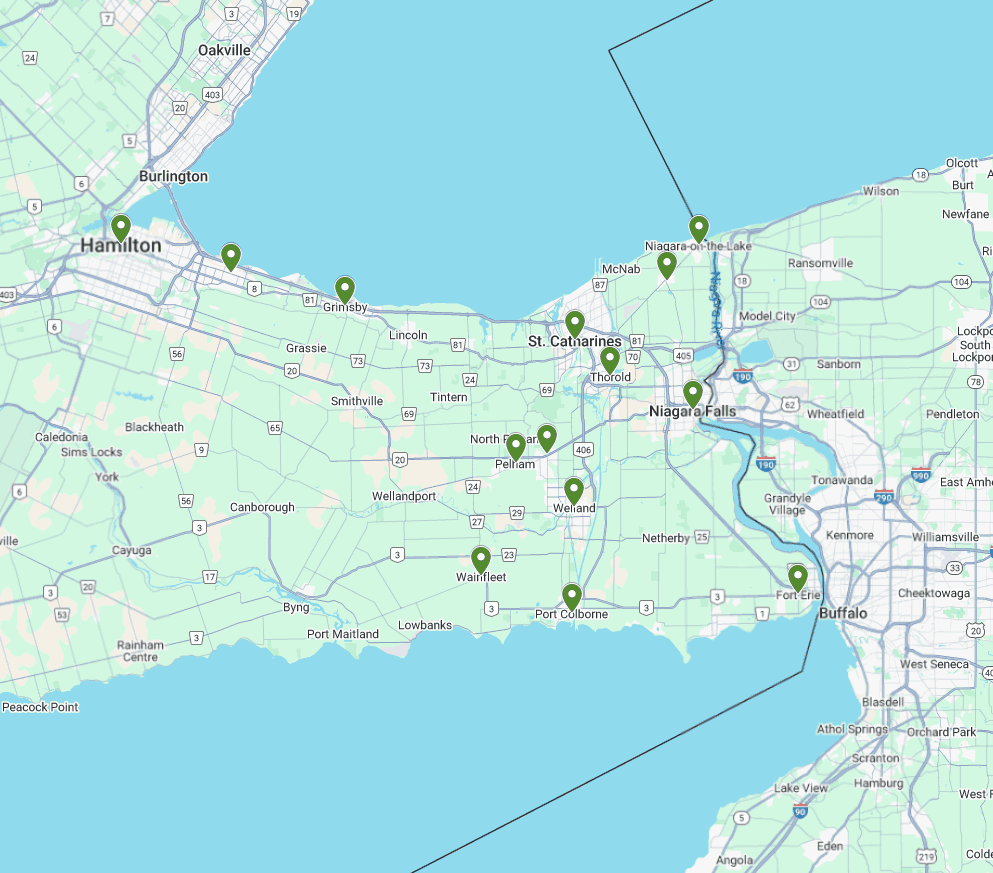
Our service areas encompass a wide range of locations, ensuring that we can meet the needs of our clients wherever they are. From bustling urban centers to serene rural landscapes, we are committed to providing top-notch services tailored to each unique environment.