



Emergency AC repair in Thorold, ON when urgent service is required, from complete system shutdowns and major refrigerant leaks to thermostat faults and electrical issues. It describes details a rapid-response diagnostic and stabilization process, on-site safety protocols, temporary stabilization steps, and common immediate repair solutions and parts. It also explains how to request service, what information to have ready, typical response times, emergency fees, and preventive tips to reduce future emergencies. The content emphasizes safety, transparency, and long-term system health.
.jpeg)
AC emergency-ac-repair in Thorold, ON
Air conditioning failures never happen at a convenient time. In Thorold, ON, where humid summer afternoons and heat spikes can make homes uncomfortable and unsafe for children, seniors, or people with health conditions, reliable 24/7 emergency air conditioning repair is essential. It describes what qualifies as an AC emergency, common urgent failures seen in Thorold homes, our rapid-response diagnostic and stabilization process, typical immediate repair solutions and parts, safety protocols followed on-site, and realistic expectations for response times and emergency fees.
Why emergency AC repair matters in Thorold, ON
Thorold sits in the Niagara region with hot, humid summers that put extra strain on air conditioning systems. High humidity increases runtime, carbonates coils faster, and exposes weak or aging components to failure. A sudden complete system shutdown or compressor failure can quickly make indoor conditions unhealthy and cause property risks like moisture build-up and mold. Prompt emergency repair:
- Prevents further damage to the compressor and system components
- Restores safe indoor temperatures for vulnerable occupants
- Reduces the risk of humidity-related issues (mold, warped finishes)
- Often avoids costlier replacements by addressing problems early
Common AC emergency issues in Thorold homes
Emergency calls typically involve failures that leave a home without cooling or risk causing equipment damage. Common urgent failures include:
- Complete system shutdowns (no power, no fan, no compressor kick)
- Major refrigerant loss from a significant leak or failed line
- Compressor failures or seized compressors causing loud noises or tripped breakers
- Condensate drain blockages leading to overflow and water damage
- Outdoor fan motor or capacitor failures preventing heat rejection
- Electrical component failures: contactors, relays, or control boards
- Thermostat or communication faults that shut down the system
- Sudden refrigerant pressure anomalies indicating a major leak or blockage
Rapid-response procedures and on-site diagnostics
In an emergency, the priority is fast, accurate diagnosis and stabilization. A standard rapid-response process includes:
Temporary stabilization steps technicians commonly perform
When a full repair isn’t possible on the first visit, technicians take temporary steps to limit damage and restore partial functionality:
- Reset tripped breakers and verify safe restart procedures using proper lockout/tagout techniques
- Replace failed capacitors or contactors to get the fan and compressor running for short-term cooling
- Clear condensate clogs and install temporary drain lines or a condensate pump to prevent overflow
- Isolate and cap refrigerant leaks when safe, and recommend temporary refrigerant top-up only when appropriate and allowed by regulations
- Re-route airflow by adjusting dampers or replacing a clogged filter to improve cooling while awaiting parts
Typical immediate repair solutions and parts used
Emergency repairs often involve common, on-hand parts that restore operation quickly:
- Start/run capacitors and fan motors (common cause of sudden shutdowns)
- Contactors, relays, and control board replacements for electrical faults
- Condensate pumps, PVC drain lines, and float switches for water overflow problems
- Refrigerant leak sealing (temporary) and refrigerant recharge if safe and compliant with regulations
- Compressor evaluation and, when salvageable, replacement or relay fixes; otherwise planning for compressor swap or system replacement
- Thermostat replacements or communication module fixes to restore control functions
Technicians balance getting you cooling again with long-term system health. Temporary fixes are labeled as such, with clear recommendations for permanent repair or replacement.
Safety protocols and regulatory compliance
Safety is central to emergency AC work. Common safety practices include:
- Shutting power to equipment before inspection or repair (lockout/tagout)
- Using proper personal protective equipment and eye protection around refrigerants and electrical components
- Following certified refrigerant handling procedures and provincial regulations when recovering, recycling, or recharging refrigerant
- Avoiding risky temporary measures that could create fire or leak hazards
- Documenting electrical measurements and refrigerant work for homeowner records
How to request emergency service and what to have ready
When you arrange emergency service, having the following information ready speeds response and ensures technicians bring the right parts:
- Exact address and access instructions for your Thorold property
- System make, model, and age (found on the outdoor unit or in paperwork)
- Clear description of symptoms (no cooling, unusual noises, water on floor, tripped breakers)
- Any recent work on the system or known issues (prior refrigerant leaks, older compressor)
- Presence of vulnerable occupants (infants, elderly, medically dependent) so priorities can be set
This information helps triage severity and determine whether on-site stabilization is needed immediately.
Expected response times and emergency fees in Thorold
Response times vary with time of day, demand, and seasonal peaks. Typical expectations in the Thorold/Niagara area are:
- Daytime emergencies: many local technicians aim for next-available dispatch within 1 to 3 hours
- Evenings and overnight: emergency window commonly 2 to 6 hours depending on staffing and call volume
- Peak heat days: response times may extend due to high demand
Emergency fees generally include an after-hours or emergency service surcharge plus a diagnostic/travel charge and the cost of parts and labor. The structure is usually:
- Emergency call surcharge (after-hours/weekend)
- Diagnostic visit fee that may be applied toward repairs if performed
- Parts and labor billed separately based on the work needed
Technicians will typically outline estimated fees before beginning non-emergency repairs when possible.
Preventive tips to reduce the chance of an emergency
Preventing emergencies saves money and stress. In Thorold’s humid climate, do the following annually:
- Schedule professional AC maintenance before summer heat to check refrigerant, clean coils, and test electrical components
- Replace filters every 1–3 months depending on use and indoor conditions
- Keep outdoor units clear of debris, vegetation, and snow in the spring and fall
- Install a condensate overflow safety switch if your system is above living space
- Monitor unusual sounds, higher energy bills, or less cooling and act early
Timely maintenance reduces the chance of sudden compressor failure or refrigerant loss and extends system life.

Customer Testimonials

We had an amazing experience getting our new furnace installed with Niagara Home Heating. The owner was very helpful, their quote was more then competitive and the technician who installed the unit was professional and friendly. I would recommend their services.

Very efficient company. I needed an old solar water heater removed from my roof. They were quick to book an appointment for the next day after I sent photos. They were very knowledgeable of the issue. The 2 guys that came were friendly and competent with the job, including removal of all parts.
I called John today at 2:pm as my AC was not working and I wasn’t expecting even a call back as I knew with this hot weather we have had he would be swamped with calls. Well he called me back and showed at 8:pm on the same day to fix my AC. That is just incredible service and how much John really cares about his clients. Thank you John !
I had an issue with my hot water tank and called Niagara Home Heating. Their service was fantastic and reasonably priced—exactly how a business should be run!
Lifesavers!! The AC in our house decided to quit the day we were passing the keys to the new owners!! Instead of making a service call to the house, John coached me through the minor repair over the phone, saving me the money and time waiting for a repair person to come.Much appreciated! Thanks again John
I have used Niagara Home heating for multiple projects for over 16 years. John and his staff are absolutely the best. I tell all my friends and family about Niagara Home Heating because you won’t get any better service or pricing anywhere in Niagara. He has saved me thousands and thousands of dollars and has never let me down.

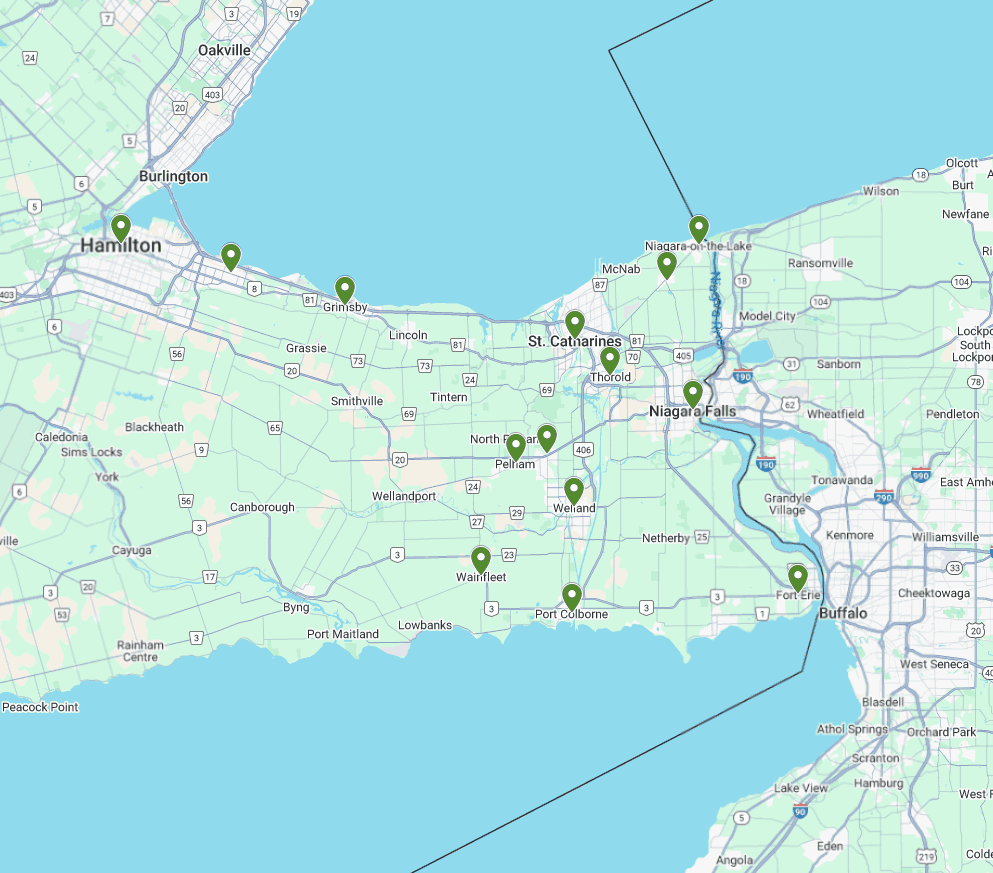
Service Areas
Our service areas encompass a wide range of locations, ensuring that we can meet the needs of our clients wherever they are. From bustling urban centers to serene rural landscapes, we are committed to providing top-notch services tailored to each unique environment.