



AC repair in Thorold, ON focuses on rapid, accurate diagnosis and effective fixes to restore comfort during humid summers. It describes common issues, diagnostic steps, repair options and parts, realistic timelines, technician qualifications, and when replacement may be more economical. It also emphasizes maintenance practices to extend system life and energy efficiency, and provides guidance on selecting reputable local technicians who document work and offer warranties. Clear guidance helps homeowners decide between repair and replacement based on cost, age, and climate.

AC repair in Thorold, ON
A properly working air conditioner is essential in Thorold, ON where humid summers and sudden heat spikes can make homes uncomfortable quickly. When your AC falters, fast, accurate AC repair in Thorold, ON protects comfort, prevents secondary damage, and preserves system efficiency. It describes common AC problems in Thorold homes, how technicians diagnose faults, typical repair options and parts, realistic repair timelines, technician qualifications and guarantees, and clear guidance on when repair makes sense versus replacement.
Why timely AC repair matters in Thorold
Thorold experiences warm, humid summers that put extra strain on air conditioners. High humidity increases run time and can expose weak components to accelerated wear, while older systems struggle to keep indoor humidity at comfortable levels. Prompt repairs not only restore comfort but also reduce energy waste, limit the risk of system breakdown during heat waves, and extend equipment life.
Common AC repair issues in Thorold homes
- Thermostat problems
- Incorrect calibration, dead batteries, or communication faults between thermostat and system can cause no cooling or short cycling.
- Refrigerant leaks
- Low refrigerant levels reduce cooling capacity and can lead to compressor damage if left unaddressed.
- Electrical faults
- Faulty capacitors, relays, contactors, or wiring can prevent the unit from starting or cause intermittent operation.
- Fan and motor failures
- Outdoor condenser fan or blower motor problems reduce airflow, leading to poor cooling and frozen coils.
- Dirty coils and filters
- Clogged filters and fouled evaporator or condenser coils cut efficiency and force longer run times.
- Drainage and condensate issues
- Blocked drain lines or failing condensate pumps can cause water damage and safety shutoffs.
- Compressor problems
- Signs include loud noises, tripped breakers, or reduced cooling; compressor issues are serious and often determine repair vs replacement.
Diagnostic process - what to expect
Technicians follow a systematic diagnostic to find root causes before recommending repairs:
Visual inspection
- Check filter, coils, wiring, and visible components for obvious issues or damage.
Thermostat and control verification
- Confirm thermostat settings, wiring, and communication with the control board.
Electrical diagnostics
- Test capacitors, contactors, breakers, and motor windings with meters to identify electrical faults.
Refrigerant check
- Measure pressures and temperatures; inspect for visible leaks and test for refrigerant loss.
Airflow assessment
- Measure supply and return temperatures, static pressures, and evaluate blower performance.
System health review
- Evaluate compressor function, safety switches, and drainage to determine full scope of repair.
A thorough diagnostic prevents unnecessary parts replacement and reveals secondary problems created by long-term neglect.
Typical repair options and common parts used
Repairs are tailored to the fault and the age of the system. Common repairs include:
- Thermostat replacement or recalibration
- Parts: programmable/wifi thermostats, wiring kits.
- Refrigerant leak repair and recharge
- Parts: leak sealant in specific cases, refrigerant lines, brazing materials, service valves.
- Electrical component replacement
- Parts: capacitors, contactors, relays, circuit boards, fuses, breakers.
- Fan and motor repair or replacement
- Parts: condenser fan motors, blower motors, fan blades, motor mounts.
- Compressor service or replacement
- Parts: compressors, start kits, crankcase heaters (replacement considered based on age).
- Coil cleaning and fin straightening
- Parts: coil cleaning solutions, fin combs, protective coatings.
- Drain line clearing or condensate pump replacement
- Parts: condensate pumps, PVC piping, float switches.
Technicians select OEM-equivalent parts and document warranties on replaced components. In humid climates like Thorold, prioritizing corrosion-resistant parts and proper coil protection can improve longevity.
Estimated repair timelines
- Simple thermostat fixes or filter changes: under 1 hour.
- Electrical component swaps (capacitor, contactor, motor start kit): 1 to 3 hours.
- Fan or blower motor replacement: 2 to 4 hours depending on access.
- Refrigerant leak diagnosis and repair: can take 2 to several hours; longer if leak is hard to locate or requires brazing.
- Compressor replacement: typically a half day to a full day due to evacuation, replacement, and recharge procedures.
- Complex diagnostics or parts backorders may extend timelines to multiple days.
Timelines vary with access, part availability, and whether additional repairs are discovered during service.
Technician qualifications and guarantees
Qualified AC technicians for Thorold homes should have:
- Refrigeration and HVAC training and certification for safe refrigerant handling.
- Experience with electrical diagnostics and motor work.
- Familiarity with local climate effects on HVAC performance.
- Insurance and safety training for work in occupied homes.
Reputable repair providers document work with service reports, provide parts and labor warranties for repairs, and explain recommended follow-up maintenance. Guarantees typically cover the replaced part and workmanship for a defined period.
Repair vs replacement: clear guidance
Consider repair when:
- The issue is isolated and the system is relatively new or well-maintained.
- Repair restores efficiency and the expected remaining life of the unit is several years.
- The cost of repair is reasonable compared to the expected remaining service life.
Consider replacement when:
- The compressor or multiple major components fail on a unit older than 10 to 15 years.
- Repeated repairs are occurring and efficiency has declined noticeably.
- The system uses obsolete refrigerants or parts that are no longer readily available.
- Upgrading to a higher efficiency unit will produce significant energy savings in Thorold's humid summer climate.
A technician should provide an objective comparison that weighs repair cost, remaining lifespan, efficiency differences, and local climate impacts.
Maintenance and local energy efficiency tips for Thorold homes
- Replace or clean filters every 1 to 3 months during heavy use to maintain airflow.
- Keep outdoor condenser clear of debris and vegetation to preserve airflow and efficiency.
- Schedule annual pre-season tune ups to catch small issues before peak cooling periods.
- Consider programmable thermostats and humidistat control to reduce run times during high humidity.
- Ensure proper attic and duct insulation to lower cooling load and humidity infiltration in summer.
Timely maintenance reduces emergency repairs and helps systems handle Thorold heat and humidity more efficiently.

Customer Testimonials

We had an amazing experience getting our new furnace installed with Niagara Home Heating. The owner was very helpful, their quote was more then competitive and the technician who installed the unit was professional and friendly. I would recommend their services.

I called John today at 2:pm as my AC was not working and I wasn’t expecting even a call back as I knew with this hot weather we have had he would be swamped with calls. Well he called me back and showed at 8:pm on the same day to fix my AC. That is just incredible service and how much John really cares about his clients. Thank you John !
I had an issue with my hot water tank and called Niagara Home Heating. Their service was fantastic and reasonably priced—exactly how a business should be run!
I have used Niagara Home heating for multiple projects for over 16 years. John and his staff are absolutely the best. I tell all my friends and family about Niagara Home Heating because you won’t get any better service or pricing anywhere in Niagara. He has saved me thousands and thousands of dollars and has never let me down.
Lifesavers!! The AC in our house decided to quit the day we were passing the keys to the new owners!! Instead of making a service call to the house, John coached me through the minor repair over the phone, saving me the money and time waiting for a repair person to come.Much appreciated! Thanks again John
Very efficient company. I needed an old solar water heater removed from my roof. They were quick to book an appointment for the next day after I sent photos. They were very knowledgeable of the issue. The 2 guys that came were friendly and competent with the job, including removal of all parts.

Service Areas
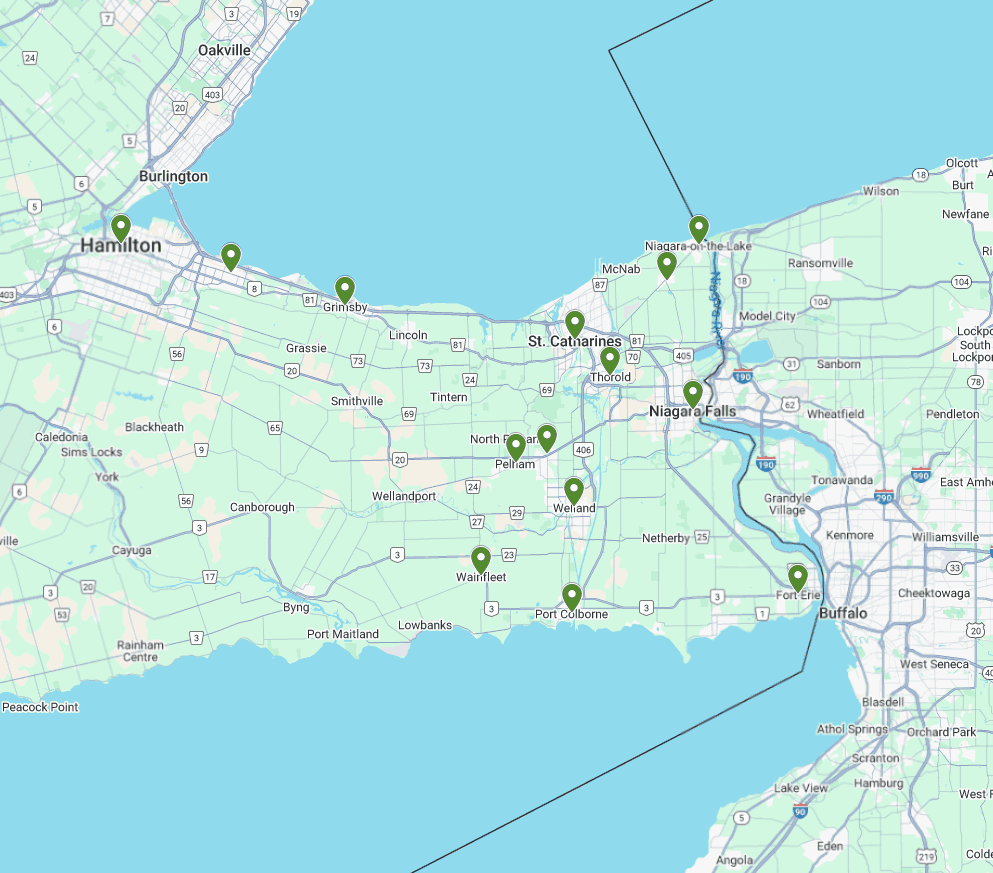
Our service areas encompass a wide range of locations, ensuring that we can meet the needs of our clients wherever they are. From bustling urban centers to serene rural landscapes, we are committed to providing top-notch services tailored to each unique environment.