



It describes a professional AC installation process in Thorold, ON, from initial on-site consultation through final commissioning. It covers evaluating home layout, existing equipment, ductwork, and energy goals, performing load calculations, and selecting appropriately sized equipment. It emphasizes precise duct sealing, permitting, and safety checks, then details the step-by-step installation, commissioning, and post-install maintenance guidance. Benefits include improved comfort, energy efficiency, humidity control, longer equipment life, and clear documentation for warranty coverage. This page also highlights local permit requirements and long-term value.
.jpeg)
AC installation in Thorold, ON
A properly installed air conditioner keeps your Thorold home comfortable through hot, humid Niagara summers while lowering energy bills and protecting indoor air quality. This AC installation in Thorold, ON page explains what a professional installation looks like from the first on-site consultation through final commissioning, the common issues we see in local homes, and the steps you’ll need to protect your investment with proper operation and maintenance.
Why a local, thoughtful installation matters in Thorold
Thorold’s warm, humid summer months place extra strain on cooling systems. Homes with older or undersized ductwork, inadequate insulation, or high indoor humidity often experience uneven cooling, higher energy costs, and premature equipment wear. A local installation that accounts for Thorold’s climate, home construction styles, and municipal permit requirements ensures your new system runs efficiently and reliably for years.
Pre-install consultation: what we evaluate
Before any equipment is selected, a thorough on-site consultation should cover:
- A walkthrough of your home layout, occupancy patterns, and comfort goals.
- Inspection of existing HVAC equipment, electrical service, and thermostat compatibility.
- Visual ductwork assessment for leakage, sizing issues, insulation and routing.
- Roof, yard, and mechanical room measurements to determine best outdoor/condenser and indoor/air handler placement.
- Discussion of energy goals (lower bills, improved humidity control, quieter operation) and budget priorities.
This stage typically produces clear recommendations on system type, efficiency (SEER) options, and whether duct modifications, zoning, or a different solution (for example a heat pump or ductless option) is more appropriate.
Load calculations and system sizing
A correct size AC is critical. Technicians perform a heat load calculation (commonly Manual J or equivalent) to determine:
- Required cooling capacity in BTU/h or tons
- Proper airflow requirements (CFM) for balanced rooms
- Effects of insulation levels, windows, and orientation
Oversized units short-cycle, increasing humidity and wear; undersized units run constantly without reaching set temperatures. Proper sizing tailored to your Thorold home avoids these common pitfalls.
Ductwork inspection and required modifications
Many installation failures stem from duct issues. On inspection we check for:
- Leaks and poor sealed joints
- Undersized or over-extended runs causing low CFM
- Collapsed, disconnected, or uninsulated ducts
- Return-air adequacy and grille placement
Common Thorold home fixes include sealing with mechanical fasteners and mastic, adding insulation to unconditioned spaces, resizing or adding returns, and occasionally installing dedicated short-run plenums or booster fans for remote rooms.
Step-by-step installation process
A professional AC installation typically follows these stages:
Permits and safety checks
Municipal permits and inspections are commonly required for new AC installations or major equipment replacements. Permits ensure compliance with Ontario Building Code and safety standards. Typical safety checks include:
- Electrical verification: breaker size, disconnects, grounding and safe wiring.
- Refrigerant leak testing and proper handling in accordance with regulations.
- Condensate drainage and secondary drain protection to prevent water damage.
- Combustion and ventilation checks if installation interacts with existing gas appliances.
- Confirmation of correct refrigerant charge and pressure ratings.
Licensed technicians should secure permits and coordinate inspections with Thorold building authorities as part of a compliant installation.
Post-install commissioning and performance testing
A true professional installation ends with commissioning to verify performance:
- Measure airflow (CFM) at supply registers and across the coil
- Verify refrigerant charge and pressures against manufacturer specs
- Record temperature split (typical cooling delta T is about 10–12°C / 18–22°F across the evaporator)
- Check static pressures, electrical amp draw, and voltage balances
- Test thermostat accuracy and programmed schedules
- Confirm condensate removal, coil condition, and outdoor condenser airflow
- Noise and vibration checks for a quiet operation
A completed commissioning report documents these values so you know the system is delivering the expected comfort and efficiency.
Warranty coverage and documentation
New equipment includes manufacturer warranties for compressors and major components; typical terms vary by model and manufacturer. In addition, reputable installers provide a workmanship warranty that covers installation-related issues for a set period. Keep these points in mind:
- Register the equipment with the manufacturer quickly where required to validate warranty.
- Maintain service records; many warranties require proof of regular maintenance.
- Understand what is covered (parts vs parts and labor) and the length of coverage for critical components.
Customer education: operation and maintenance
To protect performance and warranty, homeowners should be educated on:
- Proper thermostat programming and setbacks to save energy without compromising comfort.
- Filter replacement schedules (every 1–3 months depending on filter type and household conditions).
- Annual or biannual tune-ups: clean coils, check refrigerant levels, and test controls.
- Keeping the outdoor condenser clear of debris and maintaining proper clearance for airflow.
- Humidity control strategies during Thorold’s humid months—consider whole-house dehumidification if needed.
- What abnormal sounds, leaks, or performance drops look like so they can be reported promptly.
Common AC installation issues in Thorold and how they are prevented
- Oversized equipment leading to poor humidity control: prevented by strict load calculations.
- Inefficient operation due to leaky ducts: prevented by sealing and insulating ductwork during installation.
- Early failure from improper refrigerant charge: avoided with proper evacuation and manufacturer-specified charging.
- Water damage from clogged condensate drains: prevented with correctly sloped drains and secondary drain protection.
Professional installations account for these risks up front to deliver efficient, long-lasting cooling.
Long-term benefits
A correctly specified and professionally installed air conditioner for your Thorold home reduces energy bills, improves room-to-room comfort, controls humidity, and extends equipment life. When installation includes thorough ductwork repair, proper commissioning, and clear maintenance guidance, you get reliable performance and peace of mind during every summer season.

Customer Testimonials

Very efficient company. I needed an old solar water heater removed from my roof. They were quick to book an appointment for the next day after I sent photos. They were very knowledgeable of the issue. The 2 guys that came were friendly and competent with the job, including removal of all parts.

Lifesavers!! The AC in our house decided to quit the day we were passing the keys to the new owners!! Instead of making a service call to the house, John coached me through the minor repair over the phone, saving me the money and time waiting for a repair person to come.Much appreciated! Thanks again John
I called John today at 2:pm as my AC was not working and I wasn’t expecting even a call back as I knew with this hot weather we have had he would be swamped with calls. Well he called me back and showed at 8:pm on the same day to fix my AC. That is just incredible service and how much John really cares about his clients. Thank you John !
I have used Niagara Home heating for multiple projects for over 16 years. John and his staff are absolutely the best. I tell all my friends and family about Niagara Home Heating because you won’t get any better service or pricing anywhere in Niagara. He has saved me thousands and thousands of dollars and has never let me down.
We had an amazing experience getting our new furnace installed with Niagara Home Heating. The owner was very helpful, their quote was more then competitive and the technician who installed the unit was professional and friendly. I would recommend their services.
I had an issue with my hot water tank and called Niagara Home Heating. Their service was fantastic and reasonably priced—exactly how a business should be run!

Service Areas
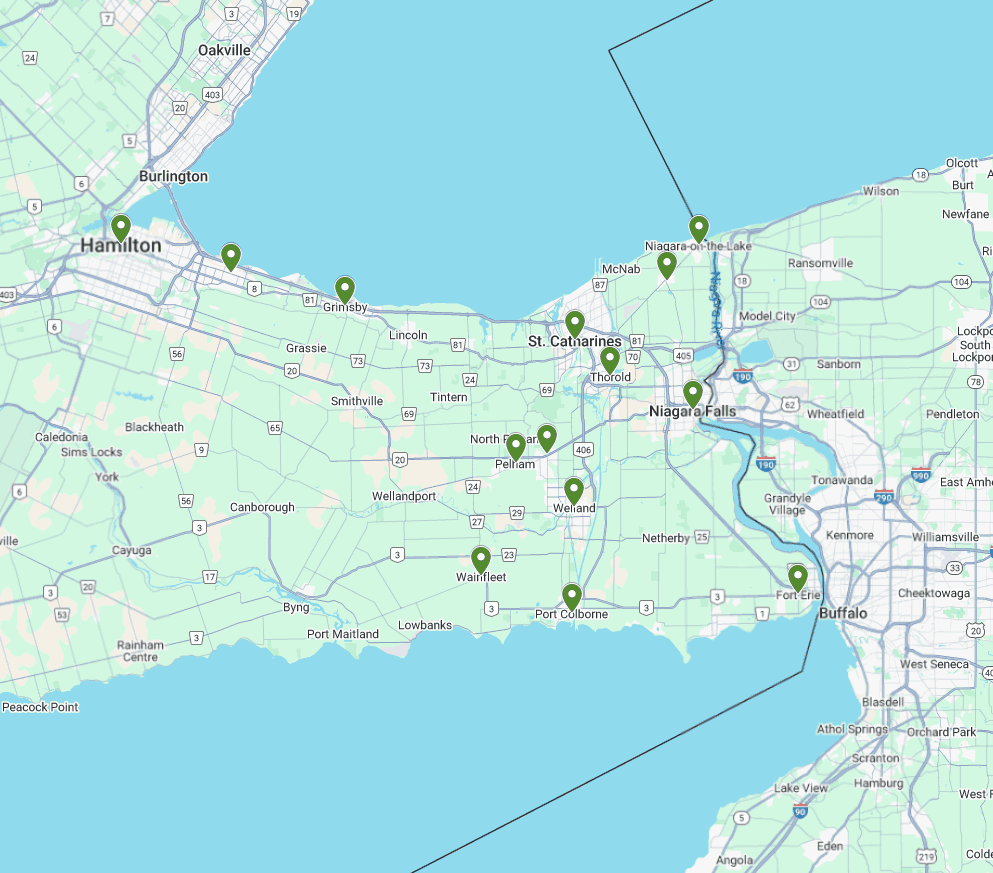
Our service areas encompass a wide range of locations, ensuring that we can meet the needs of our clients wherever they are. From bustling urban centers to serene rural landscapes, we are committed to providing top-notch services tailored to each unique environment.