



AC installation in Fort Erie, ON an end-to-end service designed to maximize comfort and energy efficiency. It covers professional sizing and equipment selection, meticulous ductwork evaluation, code-compliant permitting, precise installation, and thorough commissioning. The guide explains common installation challenges such as improper sizing, duct leaks, and refrigerant issues, and emphasizes warranty coverage, ongoing maintenance, and available financing. Homeowners receive a detailed assessment, a clear installation timeline, and a comprehensive orientation to operation, maintenance, and post-install support.
.jpeg)
AC installation in Fort Erie, ON
Installing a properly sized, code-compliant air conditioning system is one of the best investments you can make for comfort and energy savings in Fort Erie, ON. With hot, humid summers influenced by nearby Lake Erie, homes in this area need AC systems that handle both peak temperatures and high humidity without wasting energy. It describes the end-to-end AC installation process, common issues Fort Erie homeowners face, what to expect during installation, and warranty and financing considerations so you can make an informed decision.
Why a professional AC installation matters in Fort Erie, ON
- Climate demands: Lake-effect humidity increases latent cooling needs. A unit that cools air but cannot remove moisture will leave your home uncomfortable and can lead to mold or musty odors.
- Energy efficiency: Proper right-sizing and modern high-SEER equipment can significantly reduce summer electricity bills while improving comfort.
- Longevity and reliability: Correct installation, ductwork evaluation, and commissioning extend equipment life and preserve manufacturer warranties.
- Code and safety: Installations must meet Ontario building and electrical codes and local municipal permit requirements.
Common AC installation issues in Fort Erie homes
- Undersized or oversized equipment that short-cycles, reduces dehumidification, or increases energy use
- Poorly sealed or undersized ductwork causing uneven cooling and lost efficiency
- Incorrect refrigerant charge or airflow that reduces performance and shortens equipment life
- Improper thermostat location or wiring causing inaccurate control
- Lack of permit or noncompliance with local codes that can complicate resale or insurance claims
- Insufficient condensate drainage leading to water damage or microbial growth
The AC installation process: step-by-step
Initial consultation and home assessment
- A technician visits your Fort Erie home to review floor plans, insulation levels, window orientations, existing duct layout, attic and basement conditions, and your comfort goals.
- The assessment includes identifying heat sources, occupancy patterns, and any indoor air quality concerns that might affect system selection.
Equipment selection and right-sizing
- Right-sizing (Manual J load calculation) determines the cooling capacity your home needs. This avoids the common mistake of choosing equipment by square footage alone.
- Selection considers SEER ratings, sensible vs. latent cooling (important for humid Fort Erie summers), noise levels, and compatibility with existing heating systems or thermostats.
- Options may include central split systems, heat pumps (for combined heating/cooling performance), or ductless mini-splits for spaces without ducts.
Ductwork evaluation and modifications
- Technicians inspect ducts for leaks, obstructions, insufficient insulation, or improper sizing.
- Common fixes include sealing and insulating ductwork, re-routing supply/return paths to balance airflow, or, if necessary, recommending a ductless or hybrid solution where duct retrofit is impractical.
Permits and code compliance
- Installations are completed in accordance with the Ontario Building Code, local municipal requirements, and electrical safety rules. Permits may be required for new equipment or significant modifications.
- Proper permits protect homeowners by ensuring inspections are completed and that work meets legal and safety standards.
Professional installation procedures
- Equipment placement considers airflow, service access, sound mitigation, and local setbacks for outdoor units.
- Installers mount the indoor air handler/coil, secure the outdoor condensing unit on a pad, run refrigerant lines and electrical connections, and set up condensate drainage.
- All electrical connections are completed to code, often in coordination with a licensed electrician when required.
Final system commissioning
- Commissioning confirms the system operates as intended: refrigerant charge and pressures are checked, airflow measurements are taken, thermostats are calibrated, and safety controls are tested.
- Technicians measure temperature differentials and humidity performance to ensure the system both cools and dehumidifies effectively.
Homeowner orientation and documentation
- You receive a walkthrough of system operation, thermostat programming tips, filter types and replacement intervals, and basic troubleshooting steps.
- Installation paperwork includes equipment specifications, warranty documents (manufacturer and labor), and maintenance recommendations.
What to expect during installation day
- Clean, professional technicians who protect flooring and living spaces
- A typical residential installation can take several hours to a full day depending on scope (duct modifications, electrical upgrades, or multiple indoor units can extend time)
- Minimal disruption when installers follow a planned sequence: disconnect old equipment (if applicable), prepare mounting surfaces, install indoor/outdoor units, connect refrigerant and electrical, and commission the system
- Final inspection and paperwork for permits and warranties
Warranty and financing options
- Most new systems include a manufacturer’s warranty for parts and a separate installer labor warranty. Ask for both to be documented at the time of installation.
- Warranty coverage often depends on correct installation and proof of regular maintenance, so retain commissioning reports and schedule annual tune-ups.
- Many homeowners choose financing to spread upfront costs; financing may be available through lenders or manufacturer programs. When comparing options, consider interest rates, term length, and any prepayment penalties.
Long-term benefits and maintenance tips
- A properly installed AC system improves comfort, reduces humidity-related issues, and lowers energy bills.
- Regular seasonal maintenance preserves efficiency and warranty eligibility. Key tasks include:
- Replace or clean filters every 1–3 months during peak use
- Annual professional tune-up before summer for refrigerant checks, electrical tests, and coil cleaning
- Keep outdoor unit clear of debris, snow piles, and vegetation that can restrict airflow
- Monitor thermostat settings and use programmable or smart thermostats to optimize runtime

Customer Testimonials

I had an issue with my hot water tank and called Niagara Home Heating. Their service was fantastic and reasonably priced—exactly how a business should be run!

I have used Niagara Home heating for multiple projects for over 16 years. John and his staff are absolutely the best. I tell all my friends and family about Niagara Home Heating because you won’t get any better service or pricing anywhere in Niagara. He has saved me thousands and thousands of dollars and has never let me down.
I called John today at 2:pm as my AC was not working and I wasn’t expecting even a call back as I knew with this hot weather we have had he would be swamped with calls. Well he called me back and showed at 8:pm on the same day to fix my AC. That is just incredible service and how much John really cares about his clients. Thank you John !
Very efficient company. I needed an old solar water heater removed from my roof. They were quick to book an appointment for the next day after I sent photos. They were very knowledgeable of the issue. The 2 guys that came were friendly and competent with the job, including removal of all parts.
Lifesavers!! The AC in our house decided to quit the day we were passing the keys to the new owners!! Instead of making a service call to the house, John coached me through the minor repair over the phone, saving me the money and time waiting for a repair person to come.Much appreciated! Thanks again John
We had an amazing experience getting our new furnace installed with Niagara Home Heating. The owner was very helpful, their quote was more then competitive and the technician who installed the unit was professional and friendly. I would recommend their services.

Service Areas
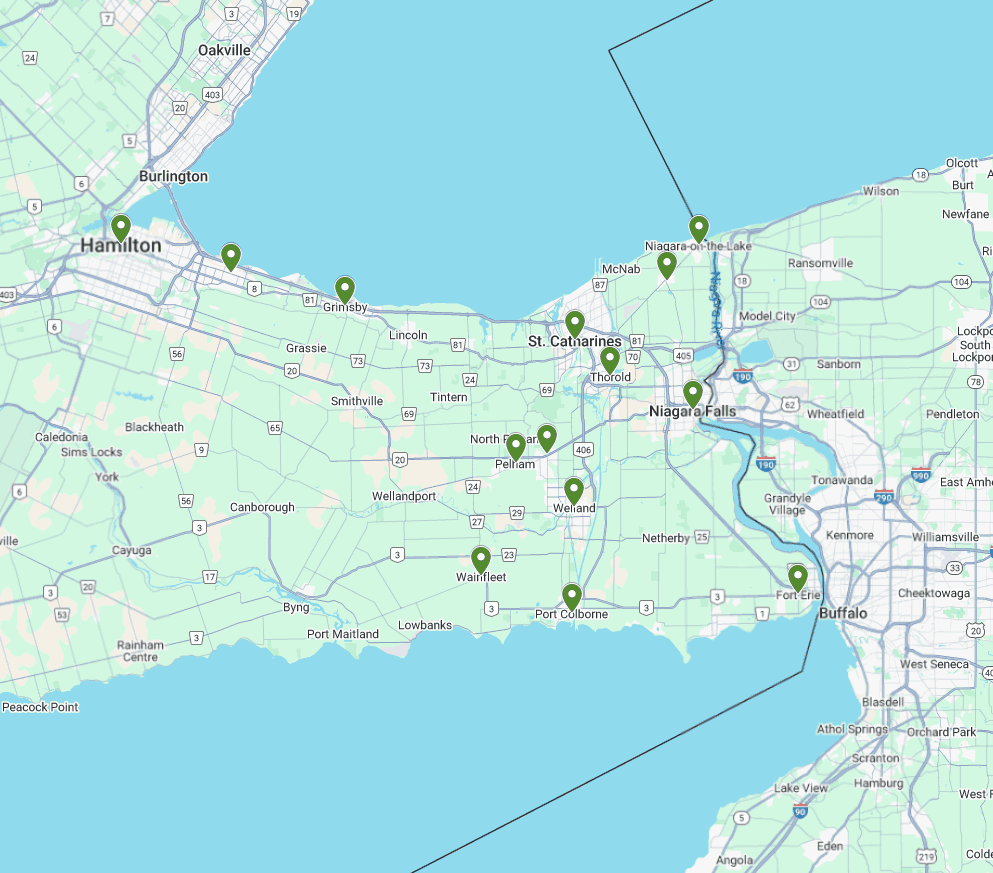
Our service areas encompass a wide range of locations, ensuring that we can meet the needs of our clients wherever they are. From bustling urban centers to serene rural landscapes, we are committed to providing top-notch services tailored to each unique environment.