



AC Replacement in Fort Erie, ON: this guide when replacement is wiser than repair, how a professional site assessment and Manual J/S sizing ensure the right system, and what energy-efficient options and proper disposal involve. It covers warranties, post-install testing, financing, and a realistic timeline, from initial evaluation to installation and final testing. Readers will understand the value of a correctly sized, high-efficiency system, how replacement improves comfort, and the steps to a smooth, compliant upgrade.
.jpeg)
AC Replacement in Fort Erie, ON
Replacing an air conditioner is a significant decision for Fort Erie homeowners. Hot, humid summers along Lake Erie put extra stress on cooling systems and increase runtime and energy bills. It describes when replacement is the smarter choice than repair, how a professional site assessment and load calculation determine the right size and model, what energy-efficient options to consider, how a proper replacement and disposal are handled, and what to expect for warranties, testing, financing, and timeline.
When to Replace vs Repair your AC
Deciding between repair and replacement depends on age, reliability, refrigerant type, repair history, and efficiency loss.
Common reasons replacement is recommended in Fort Erie homes:
- Unit is over 10 to 15 years old and uses outdated refrigerant or low efficiency.
- Recurring breakdowns or major component failures (compressor, coil, or motor) with rising repair costs.
- System can no longer keep the house comfortable during humid Lake Erie summers, or uneven cooling across rooms.
- High energy bills despite recent tune-ups — modern high-efficiency units can cut cooling costs substantially.
- Ductwork or capacity mismatches that require a new properly sized system to correct.
When repairs are economical:
- Single, isolated failures on relatively new units (under 8 years) with no history of frequent problems.
- Warranty still covers major components.
Site Assessment and Load Calculation (What professionals do)
A thorough assessment ensures the new system fits your home and comfort needs, not just the square footage.
Key steps:
- Home evaluation: measure conditioned area, ceiling height, insulation levels, window types and orientations, attic ventilation, and envelope leakage.
- Occupancy and usage: number of occupants, appliances, and typical internal heat gains.
- Local climate factors: consideration of Fort Erie’s humid summers and occasional heat waves to ensure sufficient dehumidification and capacity.
- Duct system inspection: check leaks, insulation, and airflow capacity.
- Load calculation: a Manual J type heat-gain calculation determines the precise cooling load. This prevents oversizing (short cycling, humidity problems) and undersizing (poor comfort).
- Equipment selection: a Manual S-style selection ensures the chosen outdoor unit, indoor coil, and air handler are matched for optimal performance.
Energy-efficient Model Options and Sizing Guidance
Choosing the right technology affects comfort, longevity, and monthly energy costs.
Options to consider:
- High-SEER central air conditioners: SEER 14–20+ options. Higher SEER is more efficient but evaluate payback based on cooling hours in Fort Erie.
- Two-stage or variable-speed compressors: improve dehumidification, run quieter, and maintain steady temperatures—useful in humid Niagara summers.
- Matched systems: select an outdoor condensing unit and indoor coil designed to work together; mismatched components reduce efficiency and reliability.
- Heat pump alternatives: modern air-source heat pumps provide efficient cooling and can also provide heating, valuable for year-round efficiency.
- Sizing best practices: size to the calculated load (not rule-of-thumb). A slightly under- or correctly sized system will manage humidity better than a grossly oversized unit.
Professional Replacement and Disposal Procedures
A professional replacement protects indoor comfort, system longevity, and ensures safe disposal.
Typical replacement process:
Warranty and Post-Installation Testing
Warranty coverage and thorough testing protect your investment.
What to expect:
- Manufacturer warranties: typically include parts and often a compressor warranty; many manufacturers offer 5–10 year parts warranties and longer compressor coverage when registered.
- Labor and workmanship: ask about installation workmanship warranty; proper installation is critical to realize manufacturer warranties.
- Post-install testing procedures:
- Verify refrigerant charge and measure subcool and superheat to confirm proper charge.
- Measure airflow and static pressure to ensure duct system compatibility.
- Check electrical connections, start-up current, and thermostat calibration.
- Confirm condensate drainage and condensate pan protection.
- Demonstrate system operation and explain basic user settings and maintenance needs.
Financing and Timeline
Replacement projects can be managed to fit budgets and schedules.
Financing options typically available:
- Low-interest or deferred-payment HVAC financing through third-party lenders.
- Manufacturer or dealer payment plans.
- Home energy improvement loans or lines of credit may also apply.
- Energy savings from a high-efficiency unit can offset monthly payments; a professional can estimate payback.
Typical timeline expectations in Fort Erie:
- Initial site assessment and estimate: 1 to 2 hours; scheduling usually within days to a couple of weeks depending on season.
- Equipment lead time: standard units often available quickly; high-efficiency or special-order systems may take 1–3 weeks.
- Installation duration: a straightforward replacement for a single-family home usually takes one full day; complex jobs (duct modifications, electrical upgrades, or multi-stage systems) can take 1–2 days.
- Final testing and warranty registration: completed at time of install or within a few days.
Final considerations and maintenance tips
A proper replacement tailored to a Fort Erie home maximizes comfort and efficiency through humid summers and variable weather. To preserve performance:
- Schedule seasonal maintenance and annual tune-ups.
- Replace or clean filters every 1–3 months during heavy use.
- Keep the outdoor unit clear of debris and vegetation.
- Address duct leaks and insulation issues to improve system efficiency and longevity.
A carefully executed load calculation, matched high-efficiency equipment, responsible disposal, and thorough post-install testing deliver reliable cooling that controls humidity, lowers energy bills, and increases home comfort in Fort Erie, ON.

Customer Testimonials

Lifesavers!! The AC in our house decided to quit the day we were passing the keys to the new owners!! Instead of making a service call to the house, John coached me through the minor repair over the phone, saving me the money and time waiting for a repair person to come.Much appreciated! Thanks again John

I called John today at 2:pm as my AC was not working and I wasn’t expecting even a call back as I knew with this hot weather we have had he would be swamped with calls. Well he called me back and showed at 8:pm on the same day to fix my AC. That is just incredible service and how much John really cares about his clients. Thank you John !
I have used Niagara Home heating for multiple projects for over 16 years. John and his staff are absolutely the best. I tell all my friends and family about Niagara Home Heating because you won’t get any better service or pricing anywhere in Niagara. He has saved me thousands and thousands of dollars and has never let me down.
We had an amazing experience getting our new furnace installed with Niagara Home Heating. The owner was very helpful, their quote was more then competitive and the technician who installed the unit was professional and friendly. I would recommend their services.
Very efficient company. I needed an old solar water heater removed from my roof. They were quick to book an appointment for the next day after I sent photos. They were very knowledgeable of the issue. The 2 guys that came were friendly and competent with the job, including removal of all parts.
I had an issue with my hot water tank and called Niagara Home Heating. Their service was fantastic and reasonably priced—exactly how a business should be run!

Service Areas
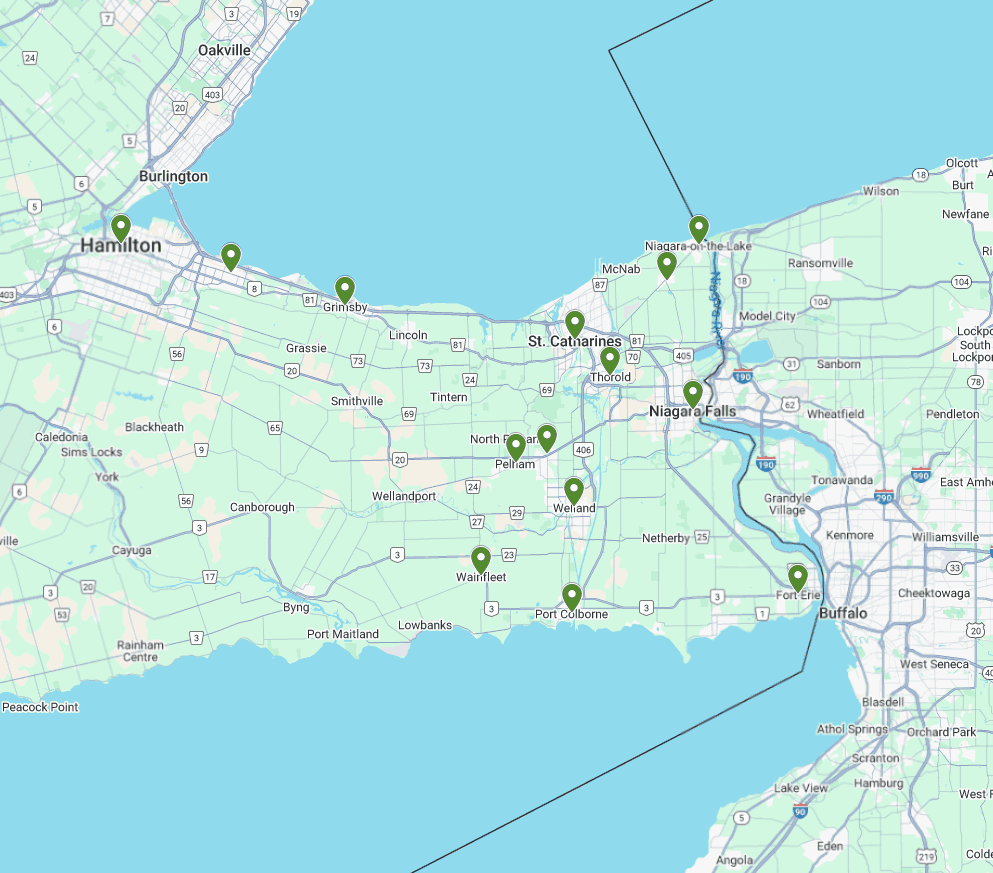
Our service areas encompass a wide range of locations, ensuring that we can meet the needs of our clients wherever they are. From bustling urban centers to serene rural landscapes, we are committed to providing top-notch services tailored to each unique environment.