



AC installation in Niagara On The Lake, ON
Installing a new air conditioner is one of the most effective ways to improve comfort, reduce humidity, and lower summer energy costs in Niagara On The Lake, ON. With hot, humid summers influenced by nearby Lake Ontario and a mix of heritage homes and newer construction, proper AC installation tailored to local conditions is essential.
.jpeg)
Why proper AC installation matters in Niagara On The Lake
- Humid summertime conditions demand systems that manage both temperature and moisture to prevent mold and preserve historic interiors.
- Older, heritage homes often have limited ductwork or nonstandard layouts that require custom solutions.
- Seasonal tourism and occupancy patterns in the region mean systems may need to perform efficiently whether a home is occupied full-time or seasonally.
- Local permitting and code requirements can affect placement, noise limits, and electrical upgrades.
Common AC installation types and situations in NOTL
- Full central AC replacement for homes with existing ducted furnaces.
- New split-system installations where ductwork exists but old equipment needs upgrading.
- Ductless mini-split installations for heritage homes or room additions where ductwork is impractical.
- Heat pump installations or upgrades for combined heating and cooling and better efficiency in milder winters.
- Commercial or multi-zone systems for bed and breakfasts, inns, and small businesses common in the town.
Typical problems we address during an installation
- Oversized or undersized equipment that causes short cycling or inadequate dehumidification.
- Poor airflow due to undersized ducts, leaky connections, or blocked returns.
- Electrical panel capacity issues when adding a high-efficiency outdoor condensing unit.
- Incompatible thermostat or control systems that prevent precise temperature or zoning control.
- Limited outdoor space or setback requirements in historic or tightly spaced properties.
Site assessment and load calculations
A proper installation starts with a detailed site assessment and Manual J type load calculation. Technicians evaluate:
- Square footage, ceiling heights, insulation levels, and window orientation.
- Local climate effects like lake-moderated humidity, sun exposure, and seasonal wind patterns.
- Existing ductwork condition, insulation, and layout for pressure losses.
- Occupancy patterns and internal heat gains from appliances or electronics.
Load calculations determine the correct capacity (in tons or BTU) and help avoid the pitfalls of oversizing, which reduces dehumidification and comfort in Niagara On The Lake homes.
Selecting equipment and efficiency ratings
Equipment choices are guided by calculated loads and homeowner priorities:
- SEER and HSPF ratings for cooling and heat pump efficiency — higher ratings mean lower operating costs during humid summers.
- Variable-speed compressors and multi-stage units for better humidity control and quieter operation.
- Choosing units that comply with current refrigerant regulations and provincial codes.
- Considering ductless or multi-zone systems for historic buildings or additions where ducts are impractical.
Equipment selection should balance efficiency, noise, footprint, and long-term reliability for the local climate and home type.
Ductwork and thermostat integration
- Duct inspection and repairs: sealing, insulation, and correct sizing are critical. Leaky ducts can waste 20% or more of conditioned air, especially in older homes.
- Return placement and airflow balancing: ensuring adequate return paths and avoiding dead zones in rooms.
- Thermostat and zoning: properly placed thermostats, programmable or smart controls, and zoning dampers improve comfort and reduce energy use. Smart thermostats help manage vacation or seasonal occupancy common in NOTL properties.
Permitting and safety checks
- Local permits: many municipalities require permits for new AC installations, condenser placement, and electrical work. Installers should submit required drawings and specifications.
- Electrical safety: verifying breaker size, wiring, and grounding to code; upgrading panels when necessary.
- Refrigerant handling: charging, leak testing, and documentation done per industry and provincial standards.
- Noise and setback considerations: placing outdoor units to meet property line and noise requirements, important in tight, residential neighborhoods and near heritage sites.
Step-by-step installation overview
Final testing and commissioning
Commissioning validates performance under real conditions:
- Verify correct refrigerant charge and system pressures.
- Measure airflow, temperature split across the evaporator, and static pressures.
- Check electrical loads and safety devices.
- Calibrate thermostats and confirm Wi-Fi or smart control integration when applicable.
- Run a full-system test to confirm cooling capacity, humidity control, and noise levels.
Documentation of test results and appliance settings helps owners understand system operation and future troubleshooting.
Warranty, maintenance, and long-term recommendations
- Manufacturer warranties vs labor warranties: understand the length and coverage of both. Register equipment per manufacturer instructions to preserve warranty.
- Recommended maintenance: at minimum, annual or biannual tune-ups focusing on coil cleaning, refrigerant checks, electrical inspections, and airflow verification. In humid climates like Niagara On The Lake, seasonal checks before summer usage are particularly important.
- Filter strategy: use the correct MERV-rated filters and replace or clean regularly to preserve indoor air quality and system efficiency.
- Duct sealing and insulation: periodic checks can prevent energy loss and improve comfort.
- Consider extended maintenance plans to keep performance optimized and to protect warranty coverage.

Customer Testimonials

We had an amazing experience getting our new furnace installed with Niagara Home Heating. The owner was very helpful, their quote was more then competitive and the technician who installed the unit was professional and friendly. I would recommend their services.

I have used Niagara Home heating for multiple projects for over 16 years. John and his staff are absolutely the best. I tell all my friends and family about Niagara Home Heating because you won’t get any better service or pricing anywhere in Niagara. He has saved me thousands and thousands of dollars and has never let me down.
I called John today at 2:pm as my AC was not working and I wasn’t expecting even a call back as I knew with this hot weather we have had he would be swamped with calls. Well he called me back and showed at 8:pm on the same day to fix my AC. That is just incredible service and how much John really cares about his clients. Thank you John !
Very efficient company. I needed an old solar water heater removed from my roof. They were quick to book an appointment for the next day after I sent photos. They were very knowledgeable of the issue. The 2 guys that came were friendly and competent with the job, including removal of all parts.
Lifesavers!! The AC in our house decided to quit the day we were passing the keys to the new owners!! Instead of making a service call to the house, John coached me through the minor repair over the phone, saving me the money and time waiting for a repair person to come.Much appreciated! Thanks again John
I had an issue with my hot water tank and called Niagara Home Heating. Their service was fantastic and reasonably priced—exactly how a business should be run!

Service Areas
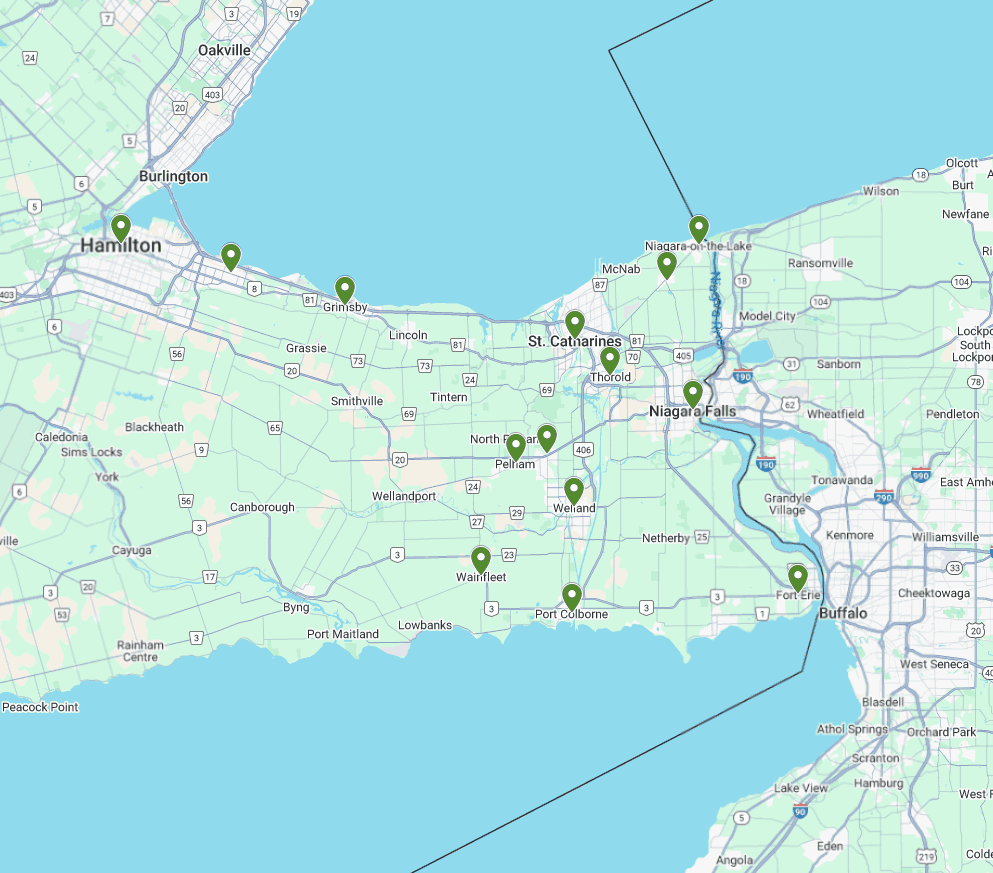
Our service areas encompass a wide range of locations, ensuring that we can meet the needs of our clients wherever they are. From bustling urban centers to serene rural landscapes, we are committed to providing top-notch services tailored to each unique environment.