



It describes AC repair services for homes in Niagara On The Lake, ON, including professional diagnostics, common issues, component repairs, refrigerant handling, and realistic repair timelines. How technicians identify root causes, when repairs or replacements are appropriate, and what warranties typically accompany parts and labor. It also highlights technician qualifications, safety practices, and clear communication of findings, along with seasonal maintenance tips to protect historic homes and maintain energy efficiency. Promoting comfort, reliability, and long-term cost savings.

AC repair in Niagara On The Lake, ON
Keeping your air conditioner running reliably is essential in Niagara On The Lake, ON, where warm, humid summers and heritage homes with older ductwork can put extra strain on cooling systems. It describes common AC repair services, how faults are diagnosed, what component repairs look like, refrigerant handling, expected repair timelines, technician qualifications, repair warranties, and when replacement may be the smarter choice for homes in Niagara On The Lake.
Why timely AC repair matters in Niagara On The Lake
Summers in Niagara On The Lake are warm and humid, and many homes see extended run times during heat waves and tourist-season occupancy. Small issues left unaddressed can escalate quickly into compressor failures, refrigerant leaks, or electrical hazards. Prompt diagnosis and professional repair restore comfort, prevent secondary damage, and help protect historic home fabric and energy bills.
Common AC problems in Niagara On The Lake homes
- Poor cooling or uneven temperatures in different rooms
- Unit not starting or frequent short cycling
- Loud or unusual noises from the compressor or blower
- Weak airflow from vents due to blower or duct issues
- System running but not producing cold air (possible refrigerant leak or compressor fault)
- High energy bills and reduced performance with older systems
- Thermostat failures or communication errors with smart home systems
These are typical AC repair issues in Niagara On The Lake and are often driven by seasonal stress, lack of regular maintenance, or aging components.
How we diagnose AC problems
A professional AC repair starts with a systematic diagnosis to identify root causes rather than treating symptoms. A typical diagnostic procedure includes:
- Visual inspection of indoor and outdoor units and ductwork condition
- Electrical checks: voltage, contactors, fuses, and capacitor health
- Refrigerant pressure readings to identify undercharging, overcharging, or leaks
- Blower motor and fan inspections for noise, bearing wear, and airflow issues
- Thermostat and control checks, including calibration and wiring verification
- Running system checks to observe operation, cycling, and temperature differentials
A thorough diagnosis typically confirms whether a repair, refrigerant service, or replacement is required and informs an accurate repair plan.
Typical component repairs and replacements
Most AC repairs fall into key component categories. Below are common interventions explained in plain terms.
- Capacitors
- Role: provide the startup surge for compressors and motors.
- Common symptoms: humming, failure to start, intermittent operation.
- Repair: replacement is straightforward and fast when diagnosed early.
- Motors and Blower Assembly
- Role: circulate air through the system and the home.
- Common symptoms: reduced airflow, loud squealing, or burning smells.
- Repair: motor replacement or bearing repair; may include fan blade cleaning or ductwork inspection.
- Compressors
- Role: the heart of the refrigeration cycle.
- Common symptoms: system won't cool, high current draw, loud knocking.
- Repair: compressor failure is serious; sometimes replacement of the compressor or entire outdoor unit is required depending on age, availability, and matching with the indoor coil.
- Thermostats and Controls
- Role: user interface and system control.
- Common symptoms: inaccurate temperatures, system not responding to settings.
- Repair: recalibration, wiring fixes, or replacement; includes smart thermostat compatibility checks.
Refrigerant service and regulatory considerations
Refrigerant work includes leak detection, repair of the leak source, evacuating and recovering refrigerant, and recharging to specification. In Ontario, refrigerant must be handled by technicians certified for refrigerant recovery and charging. Proper refrigerant service prevents environmental harm, preserves system efficiency, and ensures safety. If a leak is present, repairing the leak before recharge is essential to avoid repeat failures.
Estimated repair times and what to expect on service day
- Diagnostic visit: typically 30 to 90 minutes depending on system access and complexity.
- Minor component replacements (capacitor, contactor, thermostat): usually completed in 1 to 3 hours.
- Motor or blower replacements: commonly 2 to 4 hours, may require parts lead time for specialty components.
- Compressor replacement or major refrigerant repairs: can take 4 hours or more and sometimes require scheduling for parts or coordinating with manufacturer support.
Service time can vary based on unit accessibility, age of equipment, and part availability. A clear diagnosis allows you to understand the time frame and scope before work begins.
Technician qualifications and safety
Proper AC repair requires trained, experienced technicians who are:
- Certified in refrigerant handling and recovery procedures
- Trained on modern HVAC system diagnostics and safety protocols
- Familiar with local building and environmental regulations
- Insured and committed to clean work practices to protect your home
Technicians should explain findings, show defective components when practical, and document work performed for transparency.
Warranty on repairs and parts
Reliable repair services include warranties that cover workmanship and replacement parts. Typical warranty elements you should expect:
- Parts warranty for replaced components backed by manufacturer or contractor coverage
- Labor warranty ensuring installation and repair work is performed correctly
- Clear terms outlined before work begins so you understand what is covered and for how long
Warranty coverage helps protect your investment and provides peace of mind after the repair is completed.
When replacement may be preferable to repair
Repair is appropriate when faults are isolated or the equipment is relatively new. Consider replacement in these cases:
- Equipment age is 10 to 15 years or older and performance has declined significantly
- Repeated failures or multiple component breakdowns within a short period
- Compressor failure on an older, low-efficiency system where replacement yields energy savings
- Refrigerant issues involving phased-out refrigerants where retrofitting is impractical
- Poor match between indoor and outdoor components, leading to persistent performance problems
Replacement can improve comfort, lower operating costs, and reduce the likelihood of emergency breakdowns—particularly valuable in a seasonal market like Niagara On The Lake.
Seasonal and local maintenance advice
- Schedule inspection and tune-up before the summer cooling season to avoid peak-time delays.
- Keep condensers clear of debris, fallen leaves, and irrigation spray common in garden-heavy NOTL yards.
- For older homes, check ductwork and filters for restrictions that strain the system.
- Consider smart thermostats and zoning in heritage or multi-level homes for better temperature control and energy use.
A timely, professional repair restores comfort and protects your home. Accurate diagnosis, certified refrigerant handling, experienced technicians, and clear warranty terms are the most important factors when selecting AC repair for homes in Niagara On The Lake, ON.

Customer Testimonials

We had an amazing experience getting our new furnace installed with Niagara Home Heating. The owner was very helpful, their quote was more then competitive and the technician who installed the unit was professional and friendly. I would recommend their services.

I have used Niagara Home heating for multiple projects for over 16 years. John and his staff are absolutely the best. I tell all my friends and family about Niagara Home Heating because you won’t get any better service or pricing anywhere in Niagara. He has saved me thousands and thousands of dollars and has never let me down.
I called John today at 2:pm as my AC was not working and I wasn’t expecting even a call back as I knew with this hot weather we have had he would be swamped with calls. Well he called me back and showed at 8:pm on the same day to fix my AC. That is just incredible service and how much John really cares about his clients. Thank you John !
Lifesavers!! The AC in our house decided to quit the day we were passing the keys to the new owners!! Instead of making a service call to the house, John coached me through the minor repair over the phone, saving me the money and time waiting for a repair person to come.Much appreciated! Thanks again John
I had an issue with my hot water tank and called Niagara Home Heating. Their service was fantastic and reasonably priced—exactly how a business should be run!
Very efficient company. I needed an old solar water heater removed from my roof. They were quick to book an appointment for the next day after I sent photos. They were very knowledgeable of the issue. The 2 guys that came were friendly and competent with the job, including removal of all parts.

Service Areas
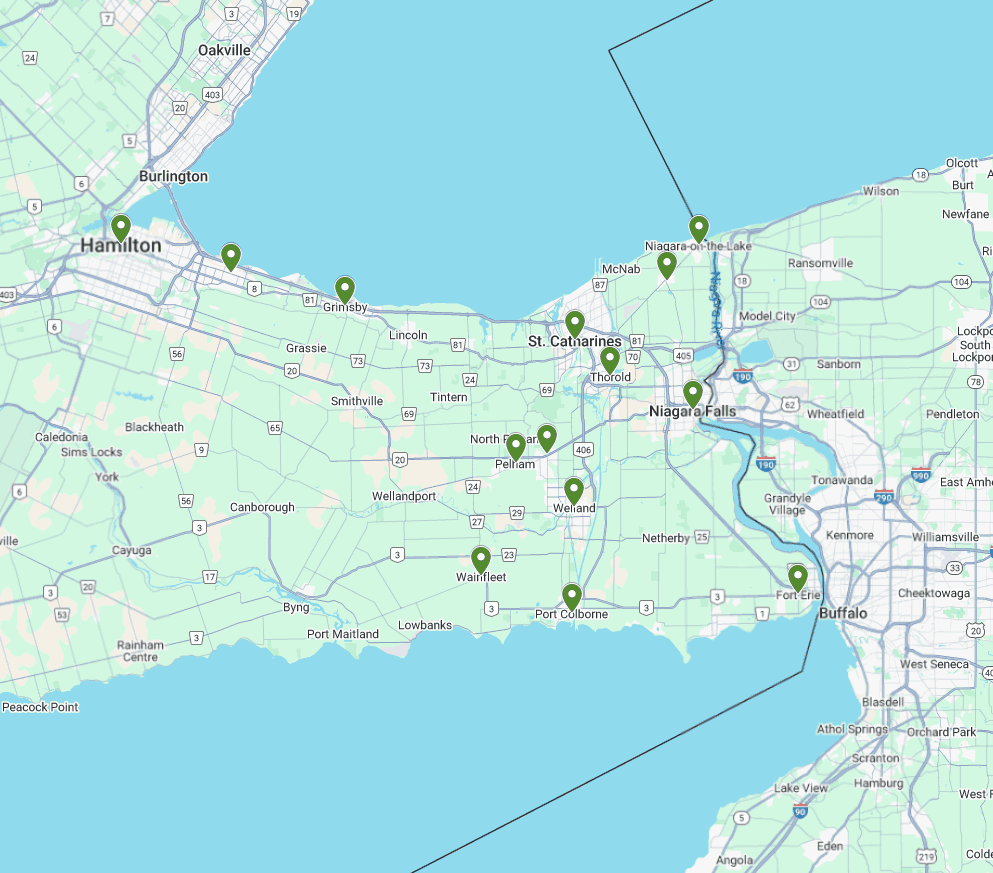
Our service areas encompass a wide range of locations, ensuring that we can meet the needs of our clients wherever they are. From bustling urban centers to serene rural landscapes, we are committed to providing top-notch services tailored to each unique environment.