



AC replacement in Niagara On The Lake, ON involves a full assessment, right-sizing, and guidance on energy-efficient models. The process covers safe removal of old equipment, professional installation, warranty considerations, and available financing. Options include full system replacements, heat pumps, ductless mini-splits, and ductwork evaluations. It describes timelines, permits, and post-install care to maximize comfort, reliability, and savings while preserving heritage homes and local climate considerations. Designed for NOTL conditions, it emphasizes quiet operation and lasting value.
-min.jpeg)
AC Replacement in Niagara On The Lake, ON
Replacing an air conditioner is one of the most effective ways to improve year-round comfort, reduce energy bills, and avoid frequent emergency repairs. In Niagara On The Lake, ON, where humid summers, vineyard microclimates, and many older or heritage homes create unique cooling needs, proper AC replacement matters more than simply swapping out an outdoor unit. It describes the full AC replacement process—system evaluation and sizing, energy-efficient model recommendations, safe removal, professional installation steps, warranty and financing considerations, expected timeline, and post-installation care—so you can make an informed decision for your home.
Common signs you need AC replacement in Niagara On The Lake
- System is more than 10–15 years old and requires frequent repairs
- Rising energy bills despite normal usage during hot, humid summers
- Uneven cooling or inadequate airflow in parts of the home (common in older NOTL houses)
- Loud operation or multiple failing components (compressor, fan motor)
- Refrigerant leaks or obsolete refrigerant type that is costly to service
- Indoor humidity remains high even when the unit runs
Typical AC replacement options and service types
- Full outdoor and indoor coil/condenser/air handler replacement (split systems)
- Heat pump replacement (recommended where cooling and efficient heating are desired)
- Ductless mini-split installation for additions, heritage rooms, or homes without ductwork
- Ductwork evaluation, sealing, and modification during system replacement
- Controls and thermostat upgrades, including smart or programmable thermostats
System evaluation and right-sizing
A correct replacement begins with a detailed evaluation of your home. Technicians perform a load calculation (often called a Manual J) to determine the exact cooling capacity required for your specific structure. In Niagara On The Lake, factors like older insulation, large windows overlooking vineyards, shade from mature trees, and lakeside humidity are considered.
Why sizing matters:
- An oversized unit cycles on and off frequently, reducing humidity control and shortening lifespan.
- An undersized unit struggles during heat waves, runs continuously, and fails to maintain comfort.
- Proper sizing ensures efficient operation, better humidity control, and consistent comfort.
Evaluation includes:
- Measuring square footage and ceiling height
- Inspecting insulation levels, windows, and sun exposure
- Checking existing ductwork condition and airflow
- Reviewing electrical service capacity and panel requirements
Energy-efficient model recommendations
For Niagara On The Lake homeowners focused on comfort and long-term savings, look for:
- ENERGY STAR certified systems with higher SEER ratings for superior seasonal efficiency
- Variable-speed compressors and multi-stage systems for quieter operation and better humidity control—especially valuable in humid NOTL summers
- Heat pump options for combined cooling and efficient heating in moderate winter climates near Lake Ontario
- Advanced coil and refrigerant designs that improve performance in hot, humid conditions
Choosing a system optimized for humidity control and quiet operation is important in residential and heritage neighbourhoods where both comfort and noise tolerance matter.
Safe removal of old equipment
Proper removal protects your home and the environment:
- Technicians recover refrigerant using certified recovery equipment to comply with regulations
- Hazardous materials, like old capacitors and oils, are handled and disposed of responsibly
- Outdoor pads, mounts, and electrical disconnects are removed or updated as needed
- Old units are recycled or transported to appropriate disposal facilities
Professional installation steps
A professional installation follows a clear, documented process to ensure reliability and warranty compliance:
Many installations in older NOTL homes also include additional steps to respect heritage finishes and minimize disturbance to interiors.
Warranty and financing considerations
- Manufacturer warranties typically cover parts; labor warranties cover the installation work—understand the length and what voids coverage.
- Some warranties are transferable if you sell your home—useful in a market with seasonal and heritage buyers.
- Financing options and energy-efficiency rebate programs may be available for high-efficiency systems or heat pumps; inquire about eligibility for regional or federal incentives that offset upfront costs.
- Keep all installation documentation and serial numbers to support warranty claims and potential rebates.
Expected timeline and costs
- Evaluation and quote: often completed within a single visit or a few days depending on scheduling.
- Permits and approvals (if required): may add several days depending on local municipal processing.
- Typical installation duration: many standard single-family home replacements are completed in one day; more complex installs, duct upgrades, or heritage-home accommodations may take one to two days.
- Cost drivers to expect (no specific pricing provided): system size and efficiency, type of system (traditional split vs heat pump vs ductless), ductwork repairs or modifications, electrical upgrades, accessibility of equipment locations, and any required permits.
Post-installation care and tips for long life
- Replace or clean filters every 1–3 months depending on use and indoor air quality needs.
- Keep the outdoor unit clear of debris, leaves, and snow; maintain 2–3 feet of clearance for airflow.
- Program thermostat schedules to minimize runtime while maintaining consistent comfort; avoid extreme setpoint swings.
- Schedule annual or semi-annual tune-ups to maintain efficiency and preserve warranties—spring checks are ideal before the cooling season.
- Monitor humidity levels and consider whole-home humidity control if summers feel muggy despite cooling.
- If you have a heritage home, ensure vents and registers are unobstructed and balanced to protect original finishes from moisture issues.
Replacing your AC in Niagara On The Lake is an investment in comfort, preservation, and long-term energy savings. A thoughtful evaluation, correct sizing, and professional installation tailored to local climate and home characteristics ensure you get the performance and quiet operation ideal for this unique community.

Customer Testimonials

We had an amazing experience getting our new furnace installed with Niagara Home Heating. The owner was very helpful, their quote was more then competitive and the technician who installed the unit was professional and friendly. I would recommend their services.

I have used Niagara Home heating for multiple projects for over 16 years. John and his staff are absolutely the best. I tell all my friends and family about Niagara Home Heating because you won’t get any better service or pricing anywhere in Niagara. He has saved me thousands and thousands of dollars and has never let me down.
I called John today at 2:pm as my AC was not working and I wasn’t expecting even a call back as I knew with this hot weather we have had he would be swamped with calls. Well he called me back and showed at 8:pm on the same day to fix my AC. That is just incredible service and how much John really cares about his clients. Thank you John !
Lifesavers!! The AC in our house decided to quit the day we were passing the keys to the new owners!! Instead of making a service call to the house, John coached me through the minor repair over the phone, saving me the money and time waiting for a repair person to come.Much appreciated! Thanks again John
Very efficient company. I needed an old solar water heater removed from my roof. They were quick to book an appointment for the next day after I sent photos. They were very knowledgeable of the issue. The 2 guys that came were friendly and competent with the job, including removal of all parts.
I had an issue with my hot water tank and called Niagara Home Heating. Their service was fantastic and reasonably priced—exactly how a business should be run!

Service Areas
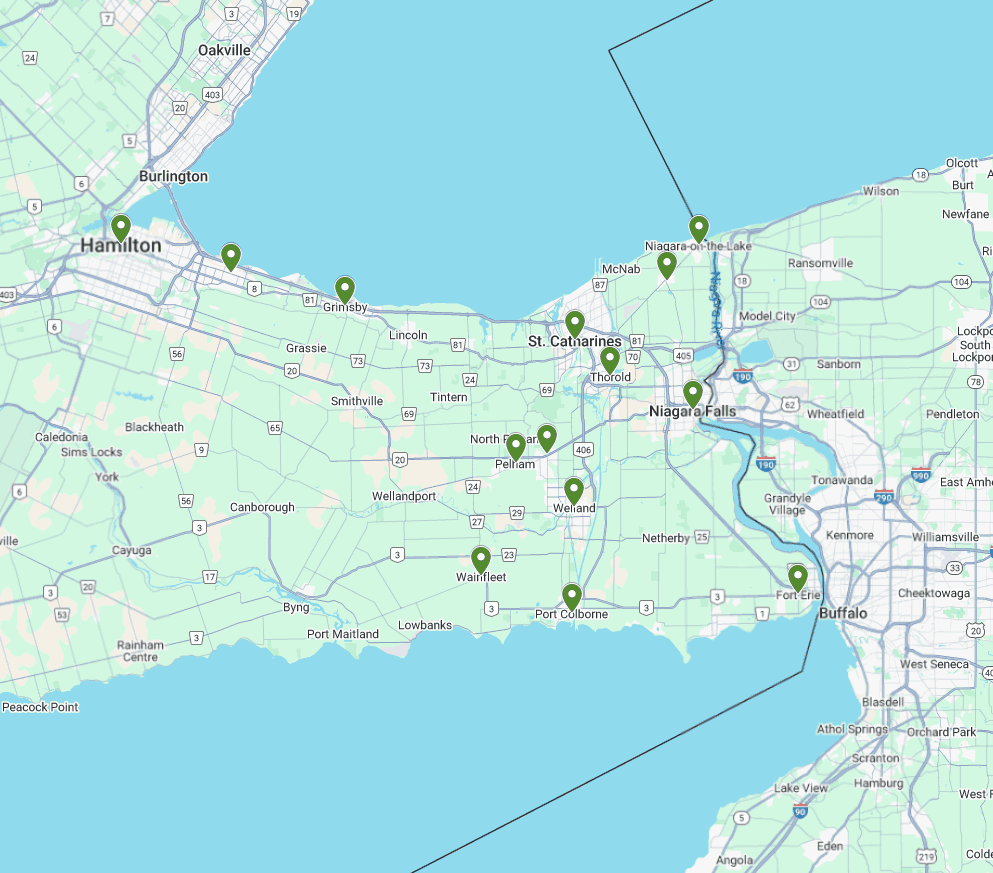
Our service areas encompass a wide range of locations, ensuring that we can meet the needs of our clients wherever they are. From bustling urban centers to serene rural landscapes, we are committed to providing top-notch services tailored to each unique environment.