



Boiler installation in Welland, ON describess a comprehensive, code-compliant process from initial consultation through commissioning, maintenance, and warranty considerations. It covers selecting the right boiler type, accurate sizing based on heat loss, venting and fuel considerations, site preparation, and safety best practices. obtaining a reliable estimate, project timelines, and expected post-installation care to ensure reliable comfort, energy efficiency, and long-term value for Welland homes and businesses. This resource emphasizes professional installation, correct sizing, and thorough commissioning. Read on for details.
.jpeg)
Boiler Installation in Welland, ON
Replacing or installing a new boiler is one of the most important decisions for homeowners and businesses in Welland, ON. With cold, damp winters and older housing stock in parts of the Niagara Region, a correctly sized, properly vented boiler delivers reliable comfort, lower energy bills, and safer operation. It describes what to expect from a professional new boiler installation in Welland, ON — from the initial consultation and system sizing to commissioning, aftercare, warranties, and what an accurate estimate will include.
Why a professional boiler installation matters in Welland, ON
Welland’s climate puts real demand on heating systems. Under‑performing or improperly installed boilers lead to uneven heat, high fuel costs, frequent breakdowns, and safety risks like elevated carbon monoxide. A professional installation ensures the system matches the home’s heat loss, integrates correctly with existing radiators or in‑floor heating, and complies with local code and venting requirements for long, efficient service life.
Common boiler types and installation needs
- High-efficiency condensing hot water boilers (natural gas or propane) — popular for residential replacements due to high annual efficiencies.
- Combi boilers — provide space heating and domestic hot water from one compact unit; suitable for smaller homes or tight mechanical rooms.
- Cast iron or non-condensing boilers — still used in some retrofit situations where venting or water temperatures require them.
- Steam boilers — less common but present in older Welland homes; require different controls and piping expertise.
- Commercial boilers — larger installations require zoning, redundancy, and more complex venting and safety controls.
Initial consultation and site assessment
During the first visit a qualified technician will:
- Review the property layout, insulation, window types, and occupancy patterns to estimate heat load.
- Inspect the existing heat distribution (radiators, baseboards, in‑floor loops) and piping condition.
- Check fuel supply type and capacity (natural gas, propane, oil, or electric) and assess meter/line sizing requirements.
- Evaluate venting options (masonry chimney, direct vent, power vent) and combustion air availability.
- Identify access, mechanical room constraints, and any structural or drainage issues that affect installation.
A thorough site assessment is essential for an accurate system recommendation and reliable estimate.
System sizing and fuel/venting considerations
Correct sizing is based on a detailed heat loss calculation, not simply matching the old boiler’s rating. Oversized boilers cycle excessively and waste energy; undersized units cannot maintain comfort during Welland’s cold snaps.
Key considerations:
- Heat loss calculation (rooms, orientation, insulation levels) to determine required BTU output.
- Fuel choice impacts operating cost and venting needs — natural gas is common in the Niagara Region but some properties use propane or oil.
- Venting approach must match the boiler type: condensing boilers often use PVC or stainless steel coaxial venting and require a condensate drain; non-condensing units may use existing chimney flues if in good condition.
- Combustion air: tight homes may require direct makeup air or compliant combustion air solutions.
- Domestic hot water integration: separate tank, indirect water heater, or combi boiler options should be weighed for hot water demand and recovery rates.
Site preparation and installation best practices
A professional installation follows best practices to protect your home and ensure safe, durable operation:
- Remove and dispose of the old boiler safely, including proper handling of fuel lines and any oil tanks if present.
- Protect floors and finishes with runners and drop cloths during the job.
- Install proper foundations or supports where required and secure clearances for service access.
- Use appropriately sized gas piping, certified fittings, and perform leak testing before startup.
- Install required safety devices: pressure relief valves, low‑water cutoffs, backflow prevention, expansion tanks, and proper vent terminations.
- Insulate new piping and commission mixing valves for domestic hot water to prevent scalding and reduce return temperatures for condensing performance.
- Follow manufacturer and local code requirements for electrical connections, flue termination, and combustion air.
Commissioning and performance testing
A complete commissioning sequence confirms safe, efficient operation:
- Fill and pressure‑test the hydronic system to check for leaks.
- Purge air from loops and balance radiators or zone circulators for even heat distribution.
- Perform combustion analysis where applicable to verify proper fuel/air mix and efficiency.
- Measure system pressures, temperature differentials, and verify controls operation (thermostats, aquastats, zone valves).
- Test safety devices and provide the owner with operating setpoints and maintenance intervals.
- Deliver completed documentation: equipment serial numbers, wiring diagrams, settings, and suggested seasonal checklists.
Post-installation maintenance and long-term care
Regular maintenance prolongs boiler life and preserves efficiency:
- Annual inspection and cleaning of burners, heat exchangers, and venting.
- Check and adjust combustion settings for peak efficiency.
- Exercise and inspect valves, circulators, and controls; replace worn components.
- Monitor water quality and consider chemical treatment or a system flush if corrosion or sediment is present—especially important in older systems.
- Bleed radiators or purge zone piping as needed during the first heating seasons to remove trapped air.
- Install and maintain carbon monoxide alarms and ensure vent terminations remain clear of obstructions.
Warranty, documentation, and records
A professional installation includes warranty coverage from the equipment manufacturer and should also include documented workmanship terms. You should receive:
- Manufacturer warranty registration details and owner manuals.
- A completed installation report listing equipment data, serial numbers, setpoints, test results, and a recommended maintenance schedule.
- Service and maintenance checklist to keep with your home records for future resale value and warranty compliance.
What to expect from an estimate for boiler installation
A reliable written estimate for a new boiler installation will include:
- A breakdown of equipment (make/model/efficiency) and why it was selected for your home.
- Scope of work: removal, disposal, venting modifications, piping upgrades, controls, and any required electrical or structural work.
- Permit and inspection requirements and responsibility for arranging them.
- Project timeline from start to finish and expected site conditions for installation.
- Warranty details for parts and labor and any recommended maintenance plans.
Preparing useful information for the estimator will speed the process: the age and current fuel type of your system, number and type of heat emitters (radiators, baseboards, in‑floor), a basic floor plan or square footage, and any comfort issues you currently experience.
Benefits of a correctly installed boiler in Welland homes
A professionally selected and installed boiler provides:
- More consistent, comfortable heat during cold, damp winters.
- Improved fuel efficiency and lower monthly heating costs.
- Fewer emergency repairs and longer equipment life.
- Safer operation with properly sized venting and certified safety devices.
- Better hot water performance when integrated correctly.
Well-planned boiler installation protects your investment, enhances comfort, and ensures safety. For homeowners in Welland, ON, taking the time to get an accurate assessment, correct sizing, and professional commissioning delivers dependable heat through winter and long-term value for your home.

Customer Testimonials

I called John today at 2:pm as my AC was not working and I wasn’t expecting even a call back as I knew with this hot weather we have had he would be swamped with calls. Well he called me back and showed at 8:pm on the same day to fix my AC. That is just incredible service and how much John really cares about his clients. Thank you John !

Very efficient company. I needed an old solar water heater removed from my roof. They were quick to book an appointment for the next day after I sent photos. They were very knowledgeable of the issue. The 2 guys that came were friendly and competent with the job, including removal of all parts.
I have used Niagara Home heating for multiple projects for over 16 years. John and his staff are absolutely the best. I tell all my friends and family about Niagara Home Heating because you won’t get any better service or pricing anywhere in Niagara. He has saved me thousands and thousands of dollars and has never let me down.
I had an issue with my hot water tank and called Niagara Home Heating. Their service was fantastic and reasonably priced—exactly how a business should be run!
We had an amazing experience getting our new furnace installed with Niagara Home Heating. The owner was very helpful, their quote was more then competitive and the technician who installed the unit was professional and friendly. I would recommend their services.
Lifesavers!! The AC in our house decided to quit the day we were passing the keys to the new owners!! Instead of making a service call to the house, John coached me through the minor repair over the phone, saving me the money and time waiting for a repair person to come.Much appreciated! Thanks again John

Service Areas
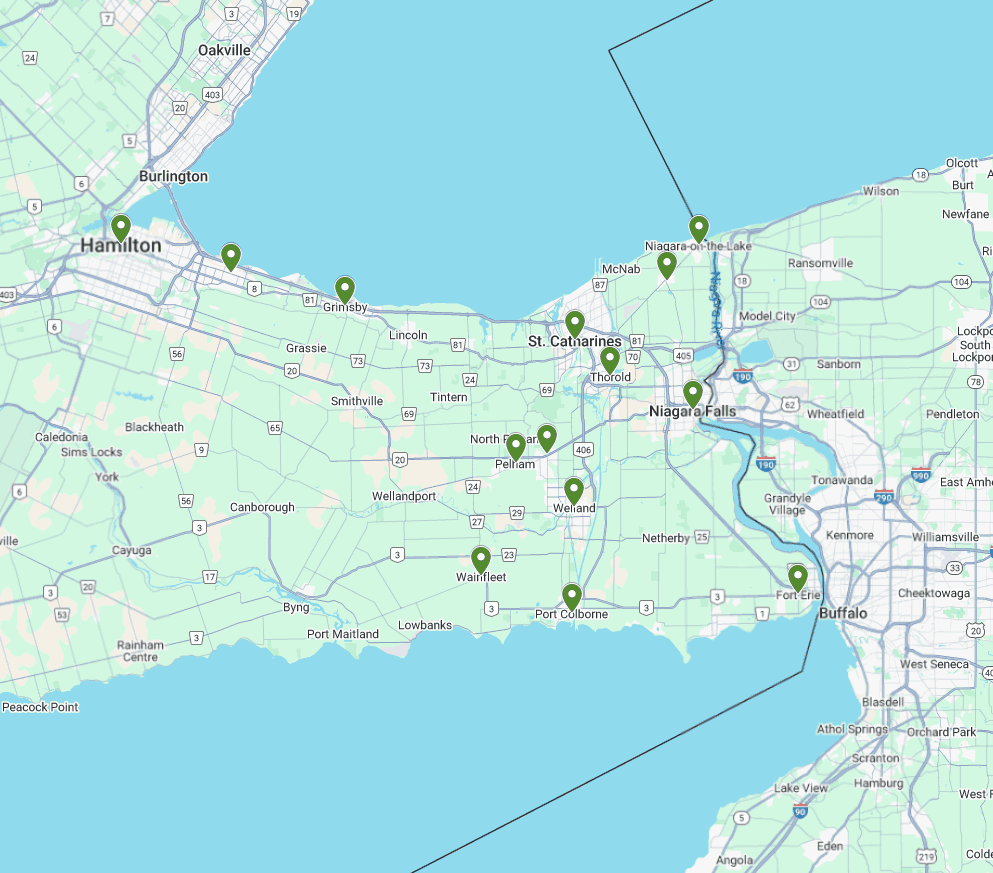
Our service areas encompass a wide range of locations, ensuring that we can meet the needs of our clients wherever they are. From bustling urban centers to serene rural landscapes, we are committed to providing top-notch services tailored to each unique environment.