



Welland homeowners seeking boiler replacement can expect a thorough assessment, precise load calculations, and flexible options for high-efficiency condensing, oil, combi, or hybrid systems. The process covers permit review, safe removal, professional installation, and commissioning with customer orientation. Financing, rebates, and warranties are reviewed to maximize savings and protection. Benefits include reduced operating costs, improved comfort, fewer emergency repairs, and increased home value. Planning ahead aligns equipment choices with Welland’s climate and heritage homes for reliable, long-term warmth.
.jpeg)
Boiler Replacement in Welland, ON
A failing or inefficient boiler can mean cold nights, rising energy bills, and frequent emergency repairs — problems no homeowner in Welland wants during a Niagara winter. A professional boiler replacement addresses safety risks, improves comfort, and delivers long-term savings. It describes the boiler replacement process specific to Welland, ON: what to expect during the home assessment and load calculations, how energy-efficient options compare, the removal and installation steps, permit and code considerations, typical timelines, financing and rebate possibilities, warranty coverage, and practical benefits for local homes.
Why replace your boiler now? Common signs in Welland homes
- Frequent breakdowns or repairs
- Rising natural gas or electricity bills despite regular maintenance
- Uneven heat across rooms or slow recovery after setbacks
- Older non-condensing boilers with low efficiency ratings
- Corrosion, leaks, or recurring pressure loss
- Loud operation, pilot light issues, or smell of combustion
Welland’s cold winters and heritage housing stock mean many homes still rely on older boilers or radiator systems. Upgrading to a modern, high-efficiency condensing boiler or hybrid heating system can significantly reduce fuel use in the local climate and improve comfort for families here.
Types of replacement systems commonly considered
- High-efficiency condensing natural gas boilers (most common replacement for older gas boilers)
- Condensing oil boilers (for homes still on oil)
- Modulating boilers with variable firing for better comfort and efficiency
- Combination (combi) boilers that provide space heating plus on-demand domestic hot water
- Hybrid systems that pair a boiler with an electric heat pump for seasonal optimization
Choosing the right option depends on home size, existing distribution (radiators, in-floor), fuel availability, and budget priorities.
The replacement process: step-by-step
Home assessment and load calculations
- A thorough on-site assessment measures the home's heat loss using industry-standard heat load calculations (accounting for insulation levels, window sizes, exposed walls, and local temperature averages). Proper sizing prevents short-cycling, reduces fuel waste, and extends equipment life. In Welland, where homes can vary from older brick houses to modern builds, accurate sizing is critical.
Model comparison and recommendations
- Technicians present energy-efficient model options and compare annual operating costs, expected fuel savings, footprint, venting requirements, noise levels, and compatibility with existing radiators or controls. Long-term savings projections and estimated payback windows are included to help make an informed decision.
Permit review and code compliance
- Replacements require compliance with Ontario building codes and fuel safety regulations. Licensed gas technicians and HVAC professionals handle permit submission, ensure proper venting and combustion air, and schedule any required municipal inspections. Documentation for rebates and warranties is also prepared.
Removal of existing equipment
- The old boiler and associated piping, venting, and controls are safely decommissioned and removed. Technicians follow best practices for fuel isolation, water drainage, and disposal, minimizing disruption and protecting finished spaces.
Professional installation
- Installation includes mounting the new unit, making gas/electrical connections, setting up condensate drainage (for condensing boilers), connecting to hydronic distribution, and integrating controls or smart thermostats. Installers perform leak checks, combustion testing where applicable, and system balancing to ensure even heat distribution.
Commissioning and customer orientation
- After testing, the system is commissioned and performance is verified under load. Homeowners receive an orientation on operation, recommended settings, maintenance schedule, and warranty registration.
Typical timeline and what to expect
- Initial assessment and quote: 1 to 3 business days scheduling window
- Permit processing: varies by municipality, commonly several days to a couple of weeks
- Equipment lead time: depends on model availability; common units often arrive within 1 to 2 weeks
- Removal and installation: standard residential replacements typically take 1 to 3 days on site
- Final inspection and commissioning: same day as installation or within a few days depending on municipal inspector availability
Seasonal demand (late summer and early fall) and municipal permit backlogs can affect scheduling; planning ahead in Welland helps avoid winter discomfort.
Permits, code compliance, and safety
All fuel-fired boiler installations must comply with provincial and municipal codes and be completed by licensed technicians. Required steps typically include:
- Applying for municipal building permits where applicable
- Ensuring gas connections and combustion systems meet fuel safety standards
- Providing clearances and venting per code
- Scheduling required inspections and issuing completion certificates
Proper compliance protects your family, maintains home insurance validity, and ensures eligibility for many manufacturer warranties and rebates.
Financing and rebate information (local considerations)
- Federal and provincial programs: Many homeowners may qualify for federal or provincial energy-efficiency incentive programs for upgrading heating systems. Eligibility often requires pre- and post-installation documentation and energy assessments.
- Utility and local incentives: Local utilities and energy efficiency programs sometimes offer rebates for high-efficiency boilers or boilers paired with controls. Checking current offerings can improve the project economics.
- Financing options: Home equity, personal loans, or contractor-arranged financing and payment plans are common ways to spread the cost. For larger retrofits, low-interest financing programs or on-bill financing through utility partners may be available.
Eligibility, program names, and funding levels change over time; gather documentation from your installer and local program administrators to confirm current options.
Warranty coverage and what it means
- Manufacturer warranty: Covers defects in materials and workmanship — duration varies by model (often 5 to 10 years or more on heat exchangers for premium units).
- Installer labor warranty: Reputable installers provide labor warranties covering workmanship for a defined period after installation.
- Warranty registration: Registering the appliance with the manufacturer and keeping maintenance records preserves warranty rights. Annual professional maintenance is commonly a warranty condition.
Keep clear records of purchase, installation, and service to simplify future warranty claims.
Long-term benefits for Welland homeowners
- Reduced operating costs: High-efficiency condensing boilers convert more fuel into heat, cutting annual energy bills in Welland’s cold climate.
- Improved comfort: Better heat distribution and modulating operation eliminate cold spots and reduce temperature swings.
- Fewer emergency repairs: Replacing aging equipment removes chronic failure points and reduces unplanned service calls.
- Lower emissions: Newer boilers emit fewer pollutants per unit of heat, supporting healthier indoor environments and local air quality.
- Increased home value: Updated, efficient heating systems are attractive to buyers and may improve resale prospects.
Maintenance tips after replacement
- Schedule an annual professional tune-up to check combustion, controls, and water chemistry.
- Bleed radiators and check distribution valves each heating season for even heat.
- Keep boiler area clear and ensure condensate drains remain unobstructed in winter.
- Monitor system pressure and circulating pump operation; report unusual noises promptly.
- Consider a smart thermostat or weather-compensating controls to maximize efficiency in Welland’s variable seasonal temperatures.
A correctly sized, professionally installed boiler matched to your Welland home’s needs will deliver reliable warmth, better efficiency, and measurable savings for years. The replacement process is an investment in comfort, safety, and the long-term value of your property.

Customer Testimonials

I had an issue with my hot water tank and called Niagara Home Heating. Their service was fantastic and reasonably priced—exactly how a business should be run!

I called John today at 2:pm as my AC was not working and I wasn’t expecting even a call back as I knew with this hot weather we have had he would be swamped with calls. Well he called me back and showed at 8:pm on the same day to fix my AC. That is just incredible service and how much John really cares about his clients. Thank you John !
Lifesavers!! The AC in our house decided to quit the day we were passing the keys to the new owners!! Instead of making a service call to the house, John coached me through the minor repair over the phone, saving me the money and time waiting for a repair person to come.Much appreciated! Thanks again John
Very efficient company. I needed an old solar water heater removed from my roof. They were quick to book an appointment for the next day after I sent photos. They were very knowledgeable of the issue. The 2 guys that came were friendly and competent with the job, including removal of all parts.
We had an amazing experience getting our new furnace installed with Niagara Home Heating. The owner was very helpful, their quote was more then competitive and the technician who installed the unit was professional and friendly. I would recommend their services.
I have used Niagara Home heating for multiple projects for over 16 years. John and his staff are absolutely the best. I tell all my friends and family about Niagara Home Heating because you won’t get any better service or pricing anywhere in Niagara. He has saved me thousands and thousands of dollars and has never let me down.

Service Areas
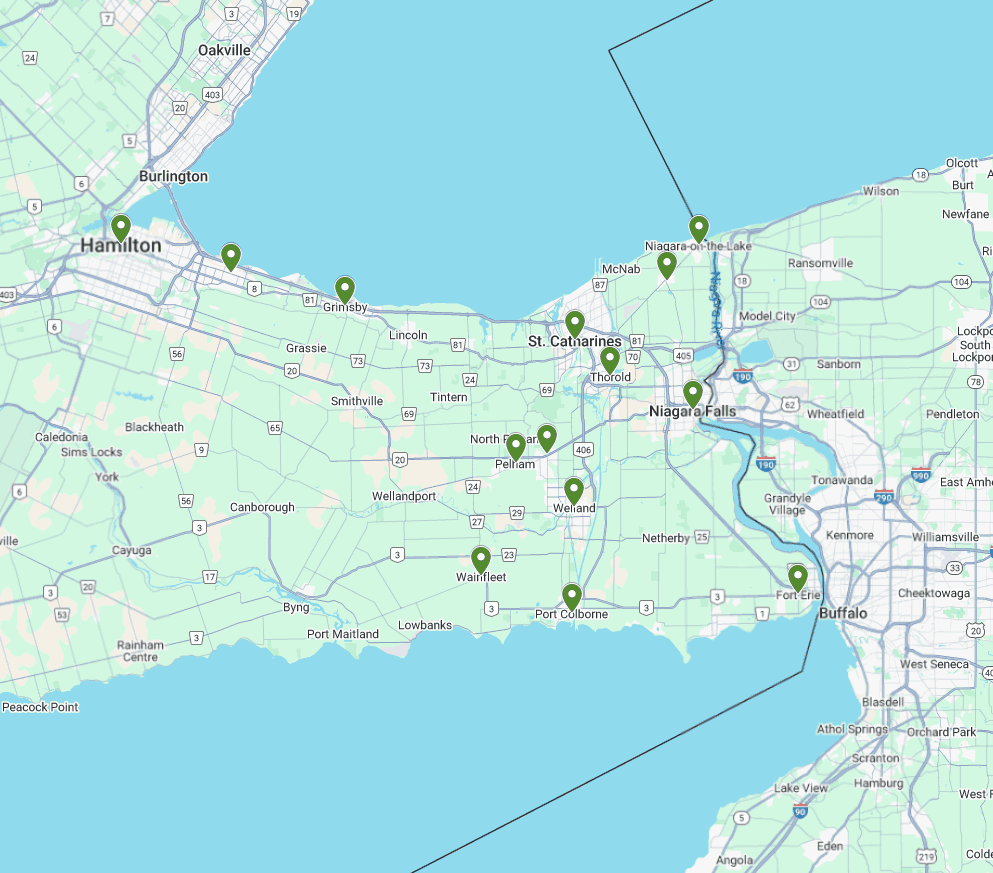
Our service areas encompass a wide range of locations, ensuring that we can meet the needs of our clients wherever they are. From bustling urban centers to serene rural landscapes, we are committed to providing top-notch services tailored to each unique environment.