



Heat pump installation in Virgil, ON provides a comprehensive overview of the complete process from site evaluation and load calculations to equipment selection, commissioning, and post-install care. It outlines system types (air-source, ductless, hybrid, geothermal), pathways for permitting, rebates, and warranties, and includes a step-by-step installation sequence, timelines, and homeowner guidance to ensure compliant, efficient, cost-saving operation across Virgil's climate. The summary emphasizes accurate load calculations, professional electrical and refrigerant work, and thorough commissioning to protect comfort, safety, and savings.
Heat Pump installation in Virgil, ON
Upgrading to a modern heat pump is one of the most effective ways Virgil homeowners can cut energy bills, improve year-round comfort, and reduce their home’s carbon footprint. With cold Niagara winters and humid summers, the right heat pump system sized and installed correctly provides efficient heating in shoulder seasons and reliable cooling through summer. It describes the full new heat pump installation process for Virgil, ON homes — from site evaluation and system selection to commissioning, local code compliance, rebates, warranties, and post-installation care.
Common heat pump types and choosing the right system
Choosing the correct heat pump depends on your home layout, existing ductwork, heating load, and comfort goals:
Air-source heat pumps (central): Best for homes with existing ducted systems. Modern cold-climate air-source units perform well in southern Ontario winters.
Ductless mini-splits: Ideal for homes without ducts, additions, or rooms needing independent temperature control. Multiple indoor heads can create zones.
Hybrid systems: Combine a heat pump with a high-efficiency furnace to maximize performance during the coldest days.
Ground-source (geothermal): Highly efficient but requires more site work; typically considered where long-term savings justify the initial cost.
System selection is driven by a professional load calculation (Manual J-style) that assesses insulation, window area, airtightness, orientation, occupancy, and local climate data for Virgil to determine capacity and number of indoor units.
Site evaluation — what we assess on your property
A thorough pre-installation inspection identifies constraints and ensures optimal performance:
- Existing ductwork condition and layout, duct leakage, and balancing needs
- Electrical service capacity and panel location; need for new breakers or line upgrades
- Outdoor unit placement for noise, airflow, and snow clearance in winter
- Structural mounting points for wall-mounted indoor units or outdoor pads
- Basement, attic, and crawlspace access for refrigerant line routing
- Insulation and air-sealing recommendations to maximize efficiency
- Municipal permit requirements and proximity to neighbors for setback/noise rules
This evaluation produces a clear scope of work and accurate system sizing tailored to Virgil homes and local weather patterns.
Scope of work: what a complete installation includes
A typical new heat pump installation scope covers:
- Removal and disposal of old equipment (if applicable)
- Ductwork modifications, sealing, or new duct installation for central systems
- Electrical upgrades: breakers, disconnects, wiring, and grounding per Ontario electrical regulations
- Mounting hardware and concrete pads or wall brackets for outdoor units
- Refrigerant line set installation, insulation, and proper routing through the structure
- Drainage and condensate piping for indoor units
- Control wiring and thermostat or smart control setup
- Weatherproofing and finish work where lines penetrate walls
- Final cleanup and protection of living spaces during work
Step-by-step installation process
A clear installation sequence keeps projects predictable and minimizes disruption:
Commissioning and performance testing
Proper commissioning verifies the system operates to specification and maximizes efficiency:
- Measure airflow and duct static pressures for central systems
- Verify refrigerant charge via superheat and subcooling tests
- Check electrical loads and breaker sizing under running conditions
- Confirm thermostat calibration and control responsiveness
- Test defrost cycles and low-ambient operation for cold-climate performance
- Inspect condensate drainage and leak checks
- Provide noise level checks and verify outdoor unit clearance from snow/ice buildup
All findings are documented and provided to the homeowner for warranty and rebate purposes.
Timelines and homeowner impact
Typical installation timelines vary by system complexity:
- Ductless mini-split (single zone): commonly completed in 1 day
- Multi-head ductless or simple central replacement: 1–2 days
- Full central heat pump with duct modifications: 2–4 days
- Complex projects or ground-source systems: longer, scheduled in phases
Technicians work to minimize disruption, protect floors and belongings, and maintain a clean worksite. Expect short-term noise during removal and mechanical work; living areas are routinely restored each day.
Compliance, permits, rebates, and financing
Installations in Virgil must comply with the Ontario Building Code and applicable municipal bylaws. Electrical work often requires inspection by the Electrical Safety Authority or the local authority having jurisdiction. Proper permits ensure safe operation and preserve rebate eligibility.
Many homeowners are eligible for provincial or federal incentive programs and utility rebates aimed at supporting heat pump adoption and energy efficiency. Documentation from the installer — including equipment specifications, commissioning reports, and invoices — is typically required for rebate applications. Financing options are frequently available through lenders or vendor financing programs to spread upfront cost over time.
Warranties and post-installation guidance
Warranties usually include separate coverage for the manufacturer’s components and the installer’s workmanship. Homeowners should receive:
- Manufacturer warranty documents (compressor, coil, electronics)
- Installer workmanship warranty details and what it covers
- Maintenance recommendations to keep warranties valid
Post-installation homeowner guidance includes simple steps to maintain performance: change or clean filters regularly, keep outdoor units clear of snow and debris, program thermostats for efficient operation, and schedule annual professional tune-ups. Regular maintenance preserves efficiency, extends equipment life, and ensures reliable comfort through Virgil’s seasonal extremes.
Why timely, professional installation matters in Virgil
Properly sized and installed heat pumps deliver predictable comfort during Niagara winters and summer cooling while lowering operating costs and emissions. Mistakes in sizing, refrigerant charge, or duct work degrade performance and can void warranties. Investment in a professional site evaluation, skilled installation, and thorough commissioning protects your home’s comfort, safety, and long-term energy savings.
Summary of benefits for Virgil homeowners:
- Consistent year-round comfort with efficient heating and cooling
- Lower energy bills compared with older electric or fossil fuel systems
- Reduced environmental impact and potential increased property value
- Eligibility for rebates and incentives when installations meet program requirements
- Reliable protection through manufacturer and installer warranties when maintained
When evaluating a heat pump installation for your Virgil home, focus on accurate load calculations, proper system selection for local conditions, professional electrical and refrigerant work, and documented commissioning to ensure the system meets expectations from day one.

Customer Testimonials

Lifesavers!! The AC in our house decided to quit the day we were passing the keys to the new owners!! Instead of making a service call to the house, John coached me through the minor repair over the phone, saving me the money and time waiting for a repair person to come.Much appreciated! Thanks again John

I called John today at 2:pm as my AC was not working and I wasn’t expecting even a call back as I knew with this hot weather we have had he would be swamped with calls. Well he called me back and showed at 8:pm on the same day to fix my AC. That is just incredible service and how much John really cares about his clients. Thank you John !
We had an amazing experience getting our new furnace installed with Niagara Home Heating. The owner was very helpful, their quote was more then competitive and the technician who installed the unit was professional and friendly. I would recommend their services.
I have used Niagara Home heating for multiple projects for over 16 years. John and his staff are absolutely the best. I tell all my friends and family about Niagara Home Heating because you won’t get any better service or pricing anywhere in Niagara. He has saved me thousands and thousands of dollars and has never let me down.
Very efficient company. I needed an old solar water heater removed from my roof. They were quick to book an appointment for the next day after I sent photos. They were very knowledgeable of the issue. The 2 guys that came were friendly and competent with the job, including removal of all parts.
I had an issue with my hot water tank and called Niagara Home Heating. Their service was fantastic and reasonably priced—exactly how a business should be run!

Service Areas
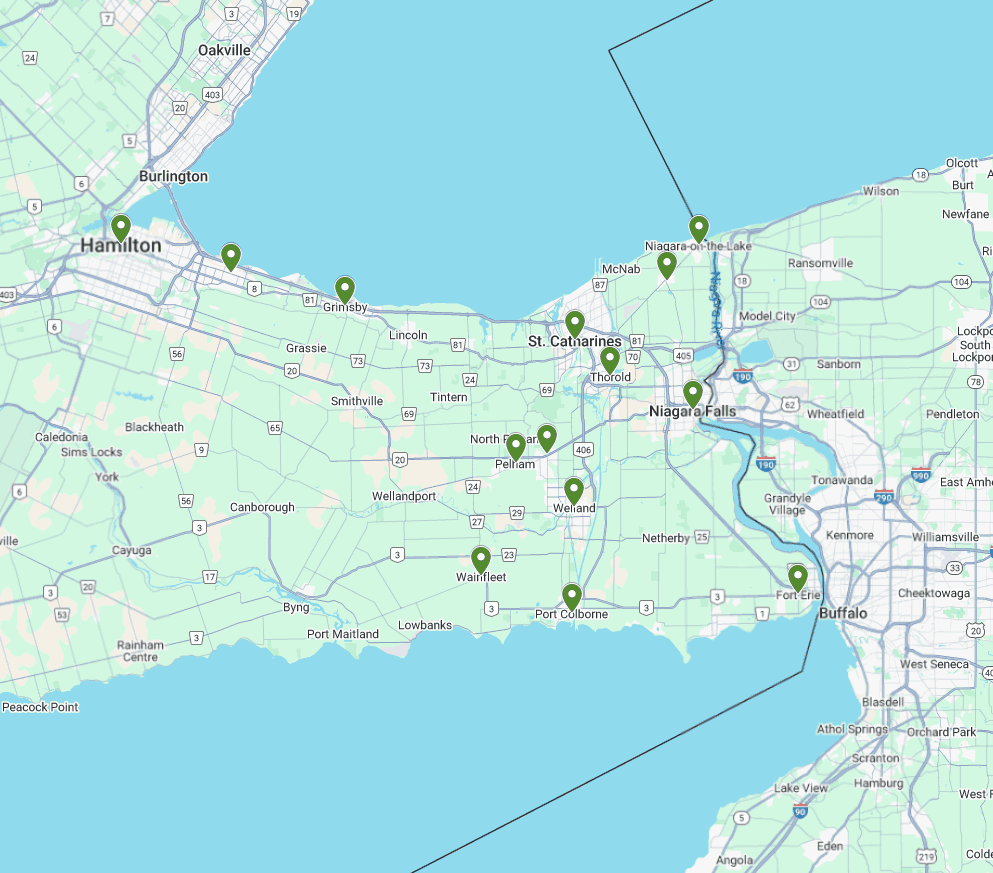
Our service areas encompass a wide range of locations, ensuring that we can meet the needs of our clients wherever they are. From bustling urban centers to serene rural landscapes, we are committed to providing top-notch services tailored to each unique environment.