



Overview of heat pump replacement for Virgil, ON homeowners, detailing when a replacement makes sense, the options available, and the step-by-step installation process. The guide covers sizing, on-site assessments, and selecting efficient equipment designed for cold-weather performance. It explains removal, disposal, ductwork considerations, permits, and environmental responsibilities, along with financing and rebates. It also outlines warranties, post-install checks, and expected timelines, helping homeowners compare quotes and plan a smooth upgrade that improves comfort and energy efficiency.
.jpeg)
Heat Pump Replacement in Virgil, ON
Upgrading an aging or inefficient heat pump is one of the most effective ways Virgil homeowners can cut energy bills, improve year-round comfort, and reduce carbon footprint. With cold Niagara winters and humid summers, the right replacement — sized and installed correctly — delivers reliable heat down to lower outdoor temperatures and efficient cooling when you need it. This page walks through why replacement makes sense, what a professional replacement looks like in Virgil, ON, and what to expect after installation so you can decide with confidence.
Why replace an old heat pump
Common reasons Virgil homeowners choose replacement now:
Declining efficiency: Older units lose efficiency over time; higher energy use and rising utility bills are typical signs.
Frequent breakdowns: Repeated repairs, especially on refrigerant systems or compressors, indicate end-of-life.
Poor cold-weather performance: Standard heat pumps can struggle in sub-zero temperatures common in the Niagara Region. Modern cold-climate models maintain capacity at lower outdoor temps.
Comfort and indoor air quality: New systems offer better humidity control and quieter operation.
Home upgrades: Renovations, added living space, or ductwork changes often require a different capacity or system type.
Common replacement options for Virgil homes
Like-for-like split-system heat pump - Replaces outdoor and indoor components while using existing ductwork.
Cold-climate heat pump - Designed to provide reliable heat in colder Ontario winters; recommended if heating with the heat pump year-round.
Ductless mini-split systems - Ideal for additions, older homes without ducts, or zoned control.
Hybrid systems - Combine heat pump with existing gas or electric backup to optimize efficiency and comfort through seasonal extremes.
On-site assessment and load calculations
A successful replacement starts with a detailed, on-site assessment:
- Visual inspection of current equipment, ductwork, insulation, and ventilation.
- Manual J load calculation to determine the correct capacity for your home based on square footage, insulation levels, window area, orientation, and local climate factors like lake-effect winds and humidity.
- Duct diagnostic where applicable to identify leaks or sizing issues that would undermine new-system performance.
- Review of electrical service and available panel capacity for larger or multi-zone systems.
Accurate sizing prevents short cycling, preserves efficiency, and extends equipment life.
Equipment selection: efficiency and features to prioritize
When choosing a replacement in Virgil, consider:
Cold-weather performance: Look for manufacturers' low-temperature heating performance ratings and technologies like variable-speed compressors.
Efficiency ratings: Higher SEER (cooling) and HSPF or HSPF2 (heating) indicate better seasonal efficiency. COP values show performance at specific temperatures.
Variable-speed or multi-stage compressors: Improve comfort, reduce cycling, and lower operating costs.
Compatibility with existing ductwork or thermostats: Consider smart thermostats and zoning for greater control.
Noise levels and installation footprint: Important in denser neighbourhoods and attached spaces.
Professional removal and installation process
Typical replacement workflow:
Technicians will also provide orientation on operation, maintenance schedules, and simple troubleshooting.
Permitting, disposal and environmental considerations
- Local permits may be required for mechanical and electrical work. A licensed installer will pull necessary permits and arrange inspections as required by Niagara Region and municipal codes.
- Proper disposal and refrigerant recovery are regulated to protect the environment. Certified technicians follow federal and provincial rules for handling refrigerants and recycling components.
Rebates, financing and long-term savings
- Several incentives may be available at federal, provincial, or utility levels that can offset purchase costs. Programs often target energy-efficient or cold-climate heat pump installations.
- Financing options tailored to home energy upgrades can spread payments while immediate energy savings begin to take effect.
- When evaluating replacement, balance upfront cost with estimated energy savings, improved comfort, expected lifespan, and manufacturer warranty to determine lifecycle value.
Warranty, testing and post-installation checks
A professional replacement includes:
- Manufacturer warranty on major components plus workmanship warranty from the installer. Review terms for parts, labor, and compressor coverage.
- Post-installation performance testing: airflow verification, refrigerant charge confirmation, electrical checks, and thermostat calibration.
- Start-up and seasonal check-ins to confirm the system meets promised performance, especially important through Virgil’s seasonal temperature swings.
Expected timelines
- Typical residential heat pump replacement ranges from a single day for straightforward like-for-like swaps to several days when ductwork, electrical upgrades, or permitting extend the schedule.
- Planning ahead in non-peak seasons reduces lead times and helps ensure timely permit processing.
What affects cost and how to evaluate quotes
Factors that influence replacement scope and cost:
- System size and efficiency level selected.
- Complexity of installation: duct repairs, electrical upgrades, or structural work.
- Need for zoning, smart controls, or additional indoor units in multi-zone setups.
- Local code and permit requirements.
When comparing proposals, look for clearly itemized scope, equipment models and efficiencies, warranty details, permit handling, and post-installation testing commitments rather than focusing only on price.
Maintenance and long-term benefits
Regular maintenance preserves efficiency and extends equipment life:
- Annual inspections and tune-ups, scheduled before peak heating season.
- Regular filter changes and periodic duct cleaning where applicable.
- Prompt attention to unusual noises, decreased performance, or increased energy use.
Long-term benefits include lower operating costs, steadier indoor temperatures, improved humidity control, and a smaller environmental footprint — advantages especially relevant to homeowners in the Niagara climate who need dependable heating through cold snaps and efficient cooling in humid summers.
ConclusionReplacing your heat pump is a technical decision with tangible homeowner benefits when handled correctly: precise sizing, modern cold-climate equipment where appropriate, proper permitting and disposal, and professional installation with warranty-backed work. For Virgil, ON homes, prioritizing cold-weather performance and system efficiency will deliver the most reliable comfort and cost savings across the seasons.

Customer Testimonials

Lifesavers!! The AC in our house decided to quit the day we were passing the keys to the new owners!! Instead of making a service call to the house, John coached me through the minor repair over the phone, saving me the money and time waiting for a repair person to come.Much appreciated! Thanks again John

We had an amazing experience getting our new furnace installed with Niagara Home Heating. The owner was very helpful, their quote was more then competitive and the technician who installed the unit was professional and friendly. I would recommend their services.
I called John today at 2:pm as my AC was not working and I wasn’t expecting even a call back as I knew with this hot weather we have had he would be swamped with calls. Well he called me back and showed at 8:pm on the same day to fix my AC. That is just incredible service and how much John really cares about his clients. Thank you John !
I have used Niagara Home heating for multiple projects for over 16 years. John and his staff are absolutely the best. I tell all my friends and family about Niagara Home Heating because you won’t get any better service or pricing anywhere in Niagara. He has saved me thousands and thousands of dollars and has never let me down.
Very efficient company. I needed an old solar water heater removed from my roof. They were quick to book an appointment for the next day after I sent photos. They were very knowledgeable of the issue. The 2 guys that came were friendly and competent with the job, including removal of all parts.
I had an issue with my hot water tank and called Niagara Home Heating. Their service was fantastic and reasonably priced—exactly how a business should be run!

Service Areas
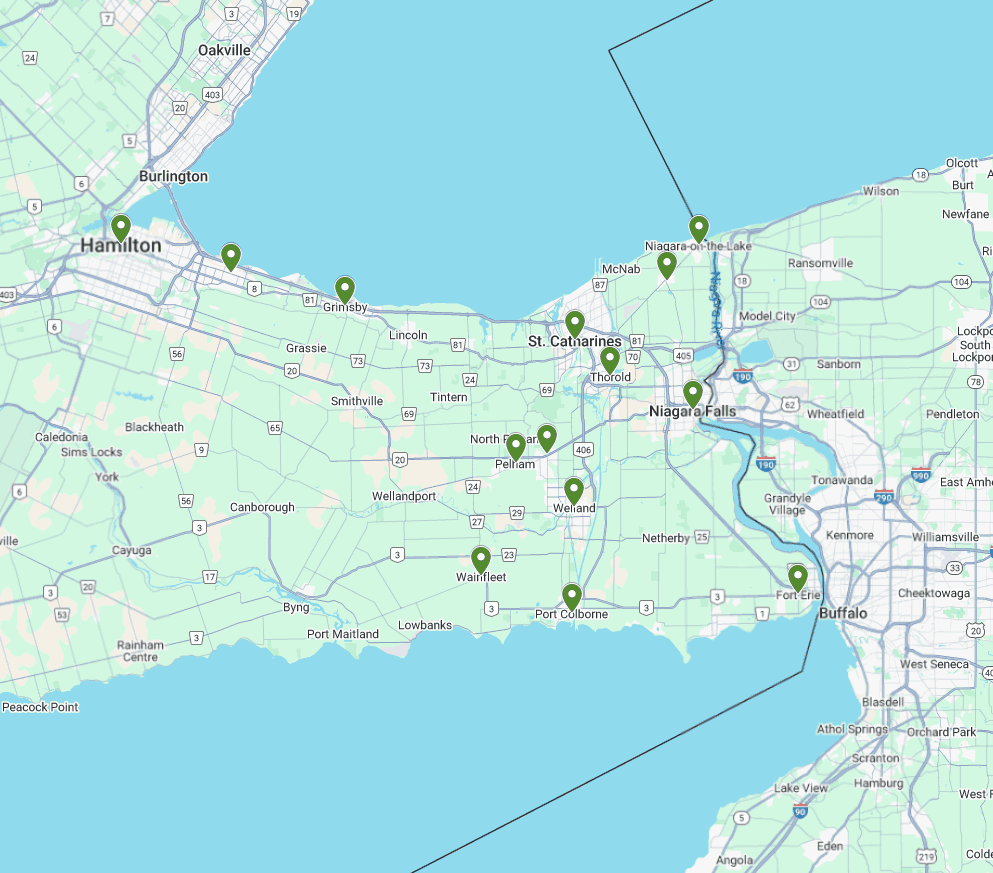
Our service areas encompass a wide range of locations, ensuring that we can meet the needs of our clients wherever they are. From bustling urban centers to serene rural landscapes, we are committed to providing top-notch services tailored to each unique environment.