



Overview of heat pump installation in Wainfleet, ON guides homeowners through selecting cold-climate heat pump solutions, understanding installation types, and anticipating performance. It describes the step-by-step process—from on-site assessment and system sizing to equipment selection, permitting, and commissioning—ensuring efficient, reliable year-round comfort. It covers ducted and ductless options, hybrid configurations, and ground-source considerations, plus practical advice on permits, warranties, rebates, and financing to help make an informed, cost-effective decision for your home. This page emphasizes planning, budgeting, and choosing trusted installers.

Heat Pump installation in Wainfleet, ON
Heat pump installation in Wainfleet, ON is an effective way to reduce heating costs, improve year-round comfort, and lower home carbon emissions. For Wainfleet homeowners—facing cold, damp winters and warm, humid summers—modern cold-climate heat pumps and ductless options provide efficient heating and cooling while fitting a wide range of house types, from century homes to newer builds. This page walks through the complete installation process, common choices for the area, performance expectations, and practical guidance on permits, warranties, rebates and financing so you can make an informed decision for your home.
Why a heat pump makes sense in Wainfleet
- Wainfleet’s winters are cold but often milder than farther north, making cold-climate air-source heat pumps a practical replacement or supplement to gas or oil furnaces.
- Heat pumps provide both heating and cooling, which simplifies equipment needs for homes that currently have separate systems.
- Many homes in the Niagara region are older and may benefit from ductless minisplits to avoid major ductwork upgrades.
- Provincial and federal incentives, plus local utility programs and financing options, frequently make upgrades more affordable.
Common installation types and which suits your home
Cold-climate air-source heat pump (split system): Best for homes with existing ductwork or for new duct installations. Designed to maintain high efficiency at lower outdoor temperatures.
Ductless mini-split systems: Ideal for homes without ducts or for targeted zone heating (basement, addition, sunroom). Minimal disruption, high efficiency, and precise zone control.
Hybrid or dual-fuel systems: Combine a heat pump with an existing gas furnace to maximize efficiency across a wide temperature range. Good where very low overnight temperatures are common.
Ground-source (geothermal) heat pumps: High efficiency and stable performance but higher upfront cost and site-specific feasibility (land and excavation required).
The installation process: step by step
Below is an outline of the professional installation workflow homeowners in Wainfleet should expect.
Consultation and on-site assessment
- Technician reviews your home’s layout, insulation, existing heating system, ductwork condition, and energy goals.
- Discuss comfort priorities (whole-home vs. zones), budget, and any renovation constraints.
System sizing and load calculation
- A proper Manual J load calculation determines the right capacity (BTU) to avoid oversizing or undersizing.
- Sizing accounts for Wainfleet climate, insulation levels, window areas, and occupancy patterns.
Equipment selection
- Recommend models (cold-climate rated compressors if needed), indoor unit types (air handler vs. ductless heads), and accessories (thermostats, line sets, defrost control).
- Discuss efficiency metrics (HSPF, SEER, COP) and expected seasonal performance.
Permitting and local compliance
- Determine if municipal building or electrical permits are required in Wainfleet Township.
- Installer prepares permit paperwork when needed and ensures installation meets Ontario codes and local bylaws.
Site preparation
- Plan outdoor unit location for noise, airflow, and snow clearance.
- Prepare interior spaces for indoor units or ductwork modifications, protecting flooring and furnishings during work.
Professional installation
- For ducted systems: inspect and, if necessary, repair or modify ductwork, install indoor air handler, connect refrigerant lines, and integrate controls.
- For ductless systems: mount indoor heads, run line sets and condensate drains, install outdoor compressor, and complete electrical connections.
- Ensure proper refrigerant charging, tightness testing, and safe electrical connections.
Commissioning and performance testing
- Verify refrigerant charge, airflow, electrical loads, and defrost operation.
- Test system in heating and cooling modes, measure supply/return temperatures, and confirm thermostats and zoning operate correctly.
- Provide a walk-through explaining system operation and maintenance tips.
Documentation and warranty registration
- Deliver equipment manuals, maintenance schedules, and warranty paperwork.
- Explain manufacturer warranty coverage (typical compressor and parts terms vary by brand) and any installer labour warranty.
Ductwork vs. ductless considerations
- If ducts are in good shape, a ducted heat pump provides even whole-home comfort with minimal visible indoor units.
- Ductless mini-splits are less invasive, often cheaper to install in homes without ducts, and allow independent temperature control by room.
- Older, leaky ducts can negate efficiency gains—sealing and insulating ducts is often recommended prior to installation.
Performance, energy savings and what to expect in Wainfleet
- Typical heating cost reductions vary, but many homeowners see a 20 to 50 percent reduction compared with electric baseboard or older fossil-fuel systems, depending on house characteristics and system choice.
- Cold-climate heat pumps maintain usable output at temperatures well below freezing, but performance declines as outdoors get extremely cold; hybrid systems or backup heat can ensure comfort during extended cold snaps.
- Proper sizing, quality installation, and routine maintenance are the biggest factors in achieving expected savings and longevity.
Warranty, maintenance and long-term care
- Confirm manufacturer warranties for compressor and parts and get installer-provided labour warranty in writing. Registration of the equipment is often required to maintain full warranty rights.
- Annual maintenance—including filter checks, coil cleaning, refrigerant-level verification, and airflow testing—keeps efficiency high and extends equipment life.
- Homeowners should budget for routine checks and consider a maintenance agreement to protect performance and warranty compliance.
Rebates and financing guidance for Wainfleet homeowners
- Homeowners should explore federal and provincial incentive programs, local utility rebates, and any municipal incentives for energy upgrades. Eligibility often depends on equipment efficiency, existing system, and whether upgrades meet program requirements.
- Many installers and third-party lenders offer financing or low-interest loan options tailored to energy-efficient home upgrades; compare terms and confirm whether financing impacts available rebates.
Closing making the right choice for your Wainfleet home
A professional, correctly sized heat pump installation can deliver reliable year-round comfort, meaningful energy savings, and reduced carbon footprint for Wainfleet homes. Prioritize a full home assessment, cold-climate performance where applicable, and transparent documentation on permits, warranties and expected savings. With careful equipment selection, proper installation, and regular maintenance, a heat pump can be a long-term, cost-effective heating and cooling solution for Wainfleet households.

Customer Testimonials

I called John today at 2:pm as my AC was not working and I wasn’t expecting even a call back as I knew with this hot weather we have had he would be swamped with calls. Well he called me back and showed at 8:pm on the same day to fix my AC. That is just incredible service and how much John really cares about his clients. Thank you John !

I had an issue with my hot water tank and called Niagara Home Heating. Their service was fantastic and reasonably priced—exactly how a business should be run!
I have used Niagara Home heating for multiple projects for over 16 years. John and his staff are absolutely the best. I tell all my friends and family about Niagara Home Heating because you won’t get any better service or pricing anywhere in Niagara. He has saved me thousands and thousands of dollars and has never let me down.
Very efficient company. I needed an old solar water heater removed from my roof. They were quick to book an appointment for the next day after I sent photos. They were very knowledgeable of the issue. The 2 guys that came were friendly and competent with the job, including removal of all parts.
We had an amazing experience getting our new furnace installed with Niagara Home Heating. The owner was very helpful, their quote was more then competitive and the technician who installed the unit was professional and friendly. I would recommend their services.
Lifesavers!! The AC in our house decided to quit the day we were passing the keys to the new owners!! Instead of making a service call to the house, John coached me through the minor repair over the phone, saving me the money and time waiting for a repair person to come.Much appreciated! Thanks again John

Service Areas
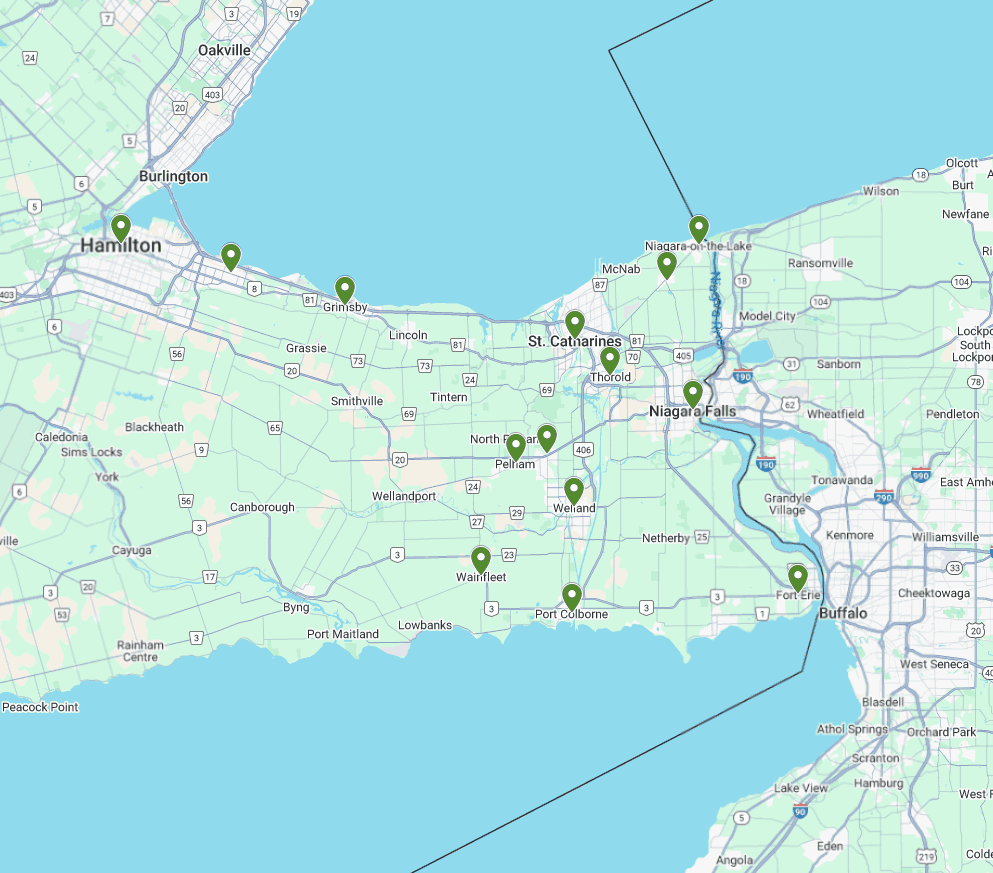
Our service areas encompass a wide range of locations, ensuring that we can meet the needs of our clients wherever they are. From bustling urban centers to serene rural landscapes, we are committed to providing top-notch services tailored to each unique environment.