



Heat pump maintenance in Grimsby, ON provides proactive, seasonal care to extend equipment life and protect efficiency. Common issues include reduced airflow, icing, coil corrosion, refrigerant leaks, electrical wear, and thermostat calibration errors. A professional tune-up covers filter cleaning, coil and refrigerant checks, electrical inspection, lubrication, component tests (compressor, reversing valve, sensors), thermostat verification, and duct/airflow assessment. Plans range from basic seasonal tune-ups to biannual and multi-year agreements. Biannual maintenance is recommended, with mid-season checks for high use, preserving warranty where applicable.
.jpeg)
Heat Pump maintenance in Grimsby, ON
Heat pump maintenance in Grimsby, ON keeps your home comfortable year round and protects one of the most expensive components of your HVAC system. With cold, snowy winters and humid, lake-influenced summers, Grimsby homes put unique seasonal stress on heat pumps. Regular, professional tune-ups reduce breakdown risk, preserve efficiency, and extend equipment life so your system performs reliably when you need it most.
Common heat pump maintenance issues in Grimsby, ON
- Reduced airflow from clogged filters or obstructed registers — common after fall leaf drop and winter debris.
- Icing or extended defrost cycles in winter due to faulty controls or low refrigerant.
- Corrosion on outdoor coils and fasteners from winter road salt and lake-effect moisture.
- Refrigerant leaks that lower efficiency and strain the compressor.
- Electrical wear: failing capacitors, contactors, and loose wiring cause intermittent operation or no-heat/no-cool calls.
- Worn motors and bearings leading to noisy operation and higher power draw.
- Incorrect thermostat calibration or poor control communication after seasonal thermostat changes.
What a professional heat pump tune-up includes (tune-up checklist)
A thorough seasonal or routine service visit typically follows this checklist to keep your heat pump in peak condition:
Filter replacement or cleaning: Replace or clean filters to restore airflow and indoor air quality.
Coil cleaning: Remove dirt, pollen, and salt residue from indoor and outdoor coils to improve heat transfer.
Refrigerant level checks: Verify proper charge and inspect for signs of leaks; incorrect refrigerant causes inefficiency and compressor stress.
Electrical inspection: Test capacitors, contactors, relays, fuses, and wiring connections for safety and reliability.
Lubrication and motor checks: Lubricate bearings when applicable and test blower/condenser motors for smooth operation and amperage draw.
Compressor and reversing valve test: Confirm compressor performance and proper operation of the reversing valve for heating/cooling mode changes.
Defrost cycle and sensor check: Ensure defrost controls and sensors work properly to prevent excessive icing.
Thermostat calibration and control verification: Confirm accurate temperature sensing and correct system cycling.
Airflow measurement and duct check: Measure static pressure and inspect ducts for obstructions or leaks affecting performance.
Outdoor unit clearance and mounting inspection: Clear vegetation, check pad level, and look for signs of corrosion or physical damage.
System performance test: Measure supply and return temperatures, system pressures, and overall run times to confirm expected efficiency.
Diagnostic and service process explained
Technicians begin with a visual and safety inspection, then move to operational diagnostics. They will run the system through heating and cooling cycles to observe behavior under load. Instruments used commonly include refrigerant gauges, clamp meters, temperature probes, and airflow meters. If issues are found, the report prioritizes fixes by safety and cost impact: safety-related electrical faults and refrigerant leaks are addressed first, followed by efficiency and comfort optimizations. Any component replacement recommendations are explained in plain language with the expected effect on performance and longevity.
Maintenance plans and service agreements for Grimsby homes
Maintenance plans usually come in tiered options to match the needs of different homeowners:
- Basic seasonal tune-up: one focused visit timed for spring or fall maintenance.
- Comprehensive biannual plan: two visits per year (spring cooling prep and fall heating prep) covering the full checklist, priority scheduling, and parts discounts.
- Multi-year service agreements: include biannual visits plus extended warranty compliance documentation and fixed annual pricing structure for easier budgeting.
Pricing structure is typically presented as a flat fee per visit for single tune-ups, or as a subscription-style fee for plans that include two visits, priority response, and discounted parts. Plans should specify what’s included and what is billed separately, such as refrigerant recharge, major component replacements, or emergency repairs.
Recommended frequency
- Heat pumps in Grimsby perform best with biannual maintenance: once before the cooling season and once before the heating season.
- Homes with heavy use, older equipment, or high dust and salt exposure may benefit from additional mid-season checks.
- New systems under warranty often require documented annual or biannual service to keep warranty coverage valid.
How regular maintenance prevents costly breakdowns
Routine maintenance detects small problems before they escalate. Examples common in this region:
- Catching a small refrigerant leak early prevents compressor failure, an expensive repair.
- Cleaning coils and replacing filters keeps the compressor from running longer and reduces energy bills.
- Tightening electrical connections and testing capacitors avoids sudden system failures during extreme cold snaps.
- Addressing corrosion and mounting issues prevents mechanical failures and refrigerant line damage from freeze-thaw cycles.
Over time, the cost of routine maintenance is typically less than a single major repair or premature equipment replacement, and it helps maintain manufacturer warranty compliance.
Practical homeowner tips for Grimsby conditions
- Keep at least 30 to 60 cm of clearance around the outdoor unit; clear snow, leaves, and litter promptly.
- After winter road salt use, rinse the outdoor unit in spring to reduce corrosion risk.
- Avoid piling snow or mulch against the unit during winter and landscaping.
- Change or clean filters on the manufacturer schedule and after any home renovation or dusty season.
- If you notice longer run times, unusual noises, or frost accumulation, schedule an inspection — these are signs of declining performance.
Final thoughts
Heat pump maintenance in Grimsby, ON is an investment in comfort, reliability, and long-term savings. Regular tune-ups tailored to local climate stressors like lake-effect moisture and road salt keep systems efficient, reduce emergency repairs, and extend equipment life. Choosing a biannual maintenance plan and following simple homeowner care practices provides predictable performance through Grimsby’s seasons and helps protect your heat pump investment.

Customer Testimonials

Very efficient company. I needed an old solar water heater removed from my roof. They were quick to book an appointment for the next day after I sent photos. They were very knowledgeable of the issue. The 2 guys that came were friendly and competent with the job, including removal of all parts.

Lifesavers!! The AC in our house decided to quit the day we were passing the keys to the new owners!! Instead of making a service call to the house, John coached me through the minor repair over the phone, saving me the money and time waiting for a repair person to come.Much appreciated! Thanks again John
I had an issue with my hot water tank and called Niagara Home Heating. Their service was fantastic and reasonably priced—exactly how a business should be run!
I called John today at 2:pm as my AC was not working and I wasn’t expecting even a call back as I knew with this hot weather we have had he would be swamped with calls. Well he called me back and showed at 8:pm on the same day to fix my AC. That is just incredible service and how much John really cares about his clients. Thank you John !
I have used Niagara Home heating for multiple projects for over 16 years. John and his staff are absolutely the best. I tell all my friends and family about Niagara Home Heating because you won’t get any better service or pricing anywhere in Niagara. He has saved me thousands and thousands of dollars and has never let me down.
We had an amazing experience getting our new furnace installed with Niagara Home Heating. The owner was very helpful, their quote was more then competitive and the technician who installed the unit was professional and friendly. I would recommend their services.

Service Areas
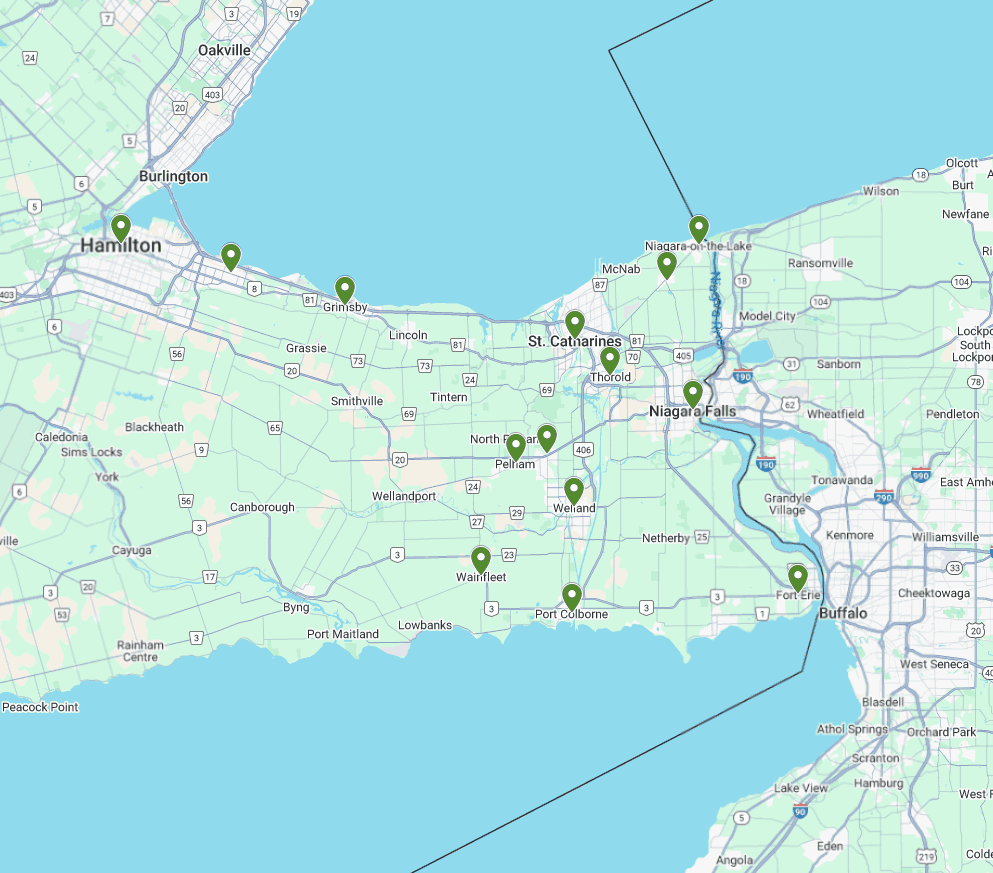
Our service areas encompass a wide range of locations, ensuring that we can meet the needs of our clients wherever they are. From bustling urban centers to serene rural landscapes, we are committed to providing top-notch services tailored to each unique environment.