



It describes heat pump repair for Grimsby homes, covering how technicians diagnose issues, expected timelines, and safety-focused testing. It outlines common failure modes such as compressor faults, refrigerant leaks, reversing valve problems, electrical and defrost issues, and how these symptoms are identified. It then describes typical repair processes, parts and labor considerations, emergency response, and scheduling. It emphasizes thorough diagnostics, safe operation post-repair, and clear booking steps for a reliable, efficient heating and comfort system.
.jpeg)
Heat Pump repair in Grimsby, ON
Heat pumps are often the single most important climate control system in Grimsby homes, delivering efficient heating through long, cold winters and reliable cooling during humid Lake Ontario summers. When a heat pump fails, it can mean costly energy waste, uncomfortable indoor temperatures, and potential secondary damage to ductwork or electrical systems. It describes the diagnostic and repair services homeowners in Grimsby can expect for heat pump repair, common failure modes, how technicians diagnose problems, repair timelines, parts and labor considerations, safety verification after repair, emergency response, and the typical booking process.
Common heat pump problems in Grimsby homes
Grimsby’s climate — cold winters, freeze-thaw cycles, and humid summers — creates specific stresses on heat pump systems. These are the failure modes we see most often:
- Compressor issues
- Symptoms: Unit fails to heat or cool, high electrical draw, loud humming or grinding.
- Common causes: Motor winding failure, lubrication problems, or mechanical wear from age and heavy seasonal cycling.
- Refrigerant leaks
- Symptoms: Reduced capacity, frost patterns on the coil, shorter run cycles.
- Common causes: Corrosion in outdoor coils, vibration-related joint failures, or factory defects. Cold winters and frequent defrost cycles can make leaks more likely to show.
- Reversing valve faults
- Symptoms: System stuck in one mode (only heating or only cooling), unusual noises during mode change.
- Common causes: Valve sticking, control valve solenoid failure, or control board issues.
- Electrical and control problems
- Symptoms: Unit won’t start, circuit breakers trip, thermostat communication errors.
- Common causes: Capacitor or contactor failure, wiring degradation from moisture or rodents, failed control board or sensors.
- Defrost and icing problems
- Symptoms: Ice build-up on outdoor unit, frequent defrost cycles, poor heating at low outdoor temps.
- Common causes: Faulty defrost control, sensor failures, or restricted airflow from debris and vegetation common around shoreline properties.
Diagnostic testing procedures
Thorough diagnostics separate temporary issues from underlying faults. A typical diagnostic process includes:
Diagnostics usually take one service visit and conclude with a prioritized repair plan based on safety, system preservation, and cost-effectiveness.
Typical repair processes and parts/labor details
Repairs vary by fault, age, and accessibility. Common repair scopes include:
- Compressor replacement
- Often the most complex repair. Tasks include recovering refrigerant (when applicable), removing and replacing the compressor, evacuating and recharging the system, and thorough leak and performance testing. Labor is intensive; access and matching refrigerant types affect procedures.
- Refrigerant leak repair
- Locating the leak, repairing or replacing the damaged component (evaporator coil or line set), pressure testing, evacuating moisture, and recharging with correct refrigerant and oil. Some leaks require coil replacement.
- Reversing valve and control repairs
- Reversing valve replacement or solenoid repair, verification of control signals, and testing mode changes. Often requires partial system evacuation.
- Electrical and component swaps
- Replacing capacitors, contactors, fan motors, thermostats, sensors, and control boards. These are usually quicker, but proper testing and confirmation after replacement is essential.
Parts are sourced based on manufacturer specifications; older or discontinued models may require special ordering or matched replacement components. Labor times depend on complexity and access; jobs performed outdoors during winter can require additional precautions to maintain system integrity.
Emergency response and scheduling
Heat pump failures can be urgent, especially during cold snaps in Grimsby. Emergency response typically prioritizes loss of heat, electrical hazards, and refrigerant leaks. Scheduling practices include:
- Initial triage to determine urgency (no heat, unsafe condition, or noncritical).
- On-site diagnostic visits scheduled same day or next business day depending on severity and availability.
- Technicians equipped for common on-the-spot fixes and able to order parts when a replacement is required, with follow-up appointment for full repair.
Availability varies seasonally; winter months and heatwaves create higher demand, so response times can be longer during peak periods. Local knowledge of Grimsby weather patterns helps technicians prioritize and prepare for likely failure modes.
Estimated repair timelines
Repair timelines are driven by fault type, parts availability, and whether refrigerant handling is required. Typical on-site timelines (subject to inspection):
- Diagnostic visit and basic repairs: a single service visit (about 60–90 minutes).
- Refrigerant leak repair and recharge: 2–5 hours, possibly requiring a coil or line replacement on a follow-up visit if parts are needed.
- Compressor or major component replacement: multi-hour service (often half to a full day) and sometimes two visits if parts must be ordered.
- Electrical or control component replacement: 1–3 hours for most in-place swaps.
These timelines reflect typical workflow; access, permit needs, or older equipment condition may extend total repair time.
Safety checks and performance verification after repair
Post-repair verification is critical for safety and efficiency. A proper verification sequence includes:
- Electrical safety inspection, including secure connections and proper overcurrent protection.
- Leak testing and evacuation to ensure the refrigerant system is sealed and moisture-free.
- Operational testing across modes (heating and cooling) including reversing valve function and defrost cycles.
- Measurement of static pressure, airflow, and temperature split to confirm restored capacity.
- Documentation of work performed, parts installed, and system settings for warranty and future service records.
Technicians should leave clear notes on recommended maintenance intervals and any remaining risks associated with aged equipment.
Maintenance and long-term considerations for Grimsby homeowners
Regular maintenance extends heat pump life and prevents common Grimsby-related issues:
- Seasonal inspections pre-winter and pre-summer to catch refrigerant or control issues before peak usage.
- Coil cleaning and clearance of vegetation around outdoor units to prevent airflow restriction and corrosion.
- Filter replacement and airflow checks to reduce cycling and compressor stress.
- Monitoring for unusual noises or performance drops during freeze-thaw periods.
Timely repairs protect efficiency, reduce energy bills, and avoid emergency replacements during extreme weather.
Booking a service call (what to expect)
For most homeowners, booking a heat pump repair follows a simple sequence: provide system make/model, describe symptoms, schedule a diagnostic visit, receive a written repair plan after inspection, and arrange follow-up work if needed. Emergency triage procedures prioritize heating loss and safety concerns. Expect transparent documentation of recommended repairs, parts required, and realistic timelines for completion once diagnostics are complete.
This overview equips Grimsby homeowners with what to expect from professional heat pump repair: clear diagnostics, methodical repairs tailored to local climate stresses, thorough safety checks, and follow-up verification to restore reliable, efficient heating and cooling.

Customer Testimonials

Very efficient company. I needed an old solar water heater removed from my roof. They were quick to book an appointment for the next day after I sent photos. They were very knowledgeable of the issue. The 2 guys that came were friendly and competent with the job, including removal of all parts.

I called John today at 2:pm as my AC was not working and I wasn’t expecting even a call back as I knew with this hot weather we have had he would be swamped with calls. Well he called me back and showed at 8:pm on the same day to fix my AC. That is just incredible service and how much John really cares about his clients. Thank you John !
We had an amazing experience getting our new furnace installed with Niagara Home Heating. The owner was very helpful, their quote was more then competitive and the technician who installed the unit was professional and friendly. I would recommend their services.
I have used Niagara Home heating for multiple projects for over 16 years. John and his staff are absolutely the best. I tell all my friends and family about Niagara Home Heating because you won’t get any better service or pricing anywhere in Niagara. He has saved me thousands and thousands of dollars and has never let me down.
I had an issue with my hot water tank and called Niagara Home Heating. Their service was fantastic and reasonably priced—exactly how a business should be run!
Lifesavers!! The AC in our house decided to quit the day we were passing the keys to the new owners!! Instead of making a service call to the house, John coached me through the minor repair over the phone, saving me the money and time waiting for a repair person to come.Much appreciated! Thanks again John

Service Areas
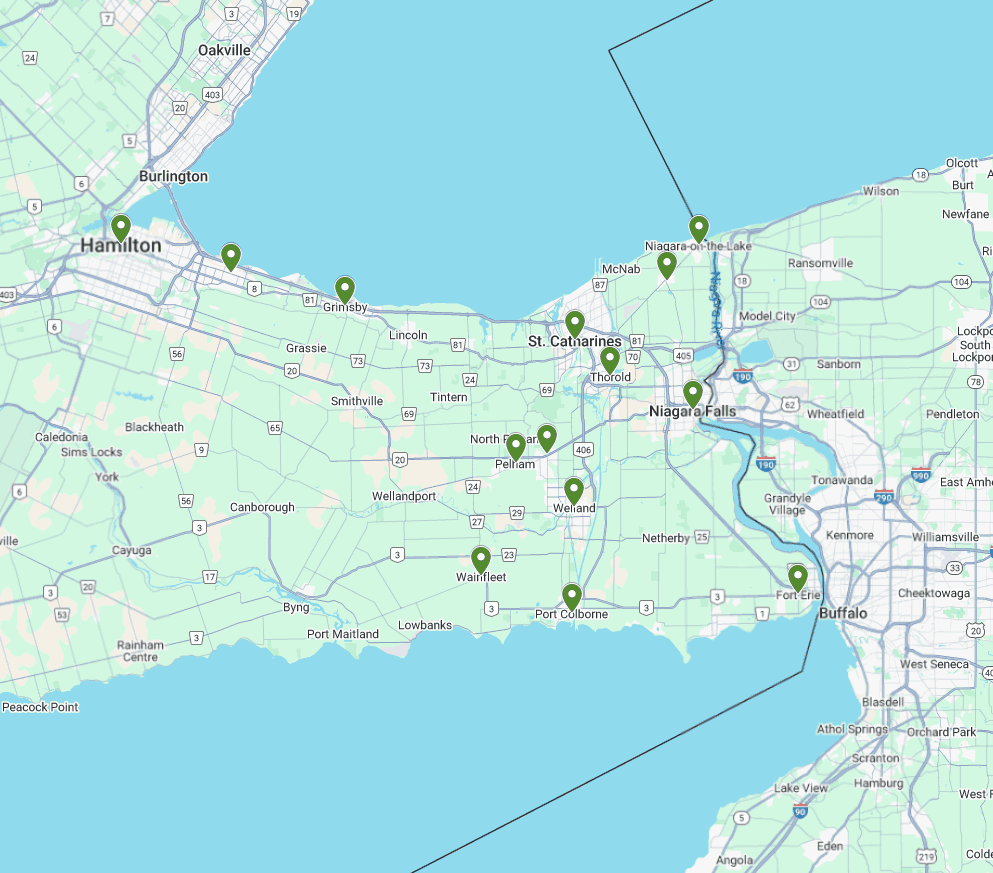
Our service areas encompass a wide range of locations, ensuring that we can meet the needs of our clients wherever they are. From bustling urban centers to serene rural landscapes, we are committed to providing top-notch services tailored to each unique environment.