



Heat pump tune-ups in Welland, ON offer a comprehensive service that extends equipment life and protects comfort in extreme seasons. The service includes a full inspection, cleaning, and adjustment of critical components, plus diagnostic testing to identify issues before they cause failures. Technicians assess airflow, refrigerant health, electrical connections, and control systems, then provide a clear report and recommendations. Seasonal timing guidance helps homeowners optimize performance, reduce energy use, and avoid mid-season emergencies while maintaining warranty compliance.
.jpeg)
Heat Pump tune-up in Welland, ON
A focused heat pump tune-up keeps your system running efficiently and reliably through Welland’s humid summers and cold Niagara winters. Regular tune-ups reduce breakdown risk during temperature extremes, improve comfort, and protect the lifespan and efficiency of your heat pump. This page explains what a professional tune-up covers, common heat pump issues seen in Welland homes, the diagnostic process, how long a tune-up usually takes, seasonal timing recommendations, and the measurable performance benefits you can expect.
What a professional heat pump tune-up includes
A full-service tune-up is a systematic inspection, cleaning, and adjustment of critical heat pump components. Typical checklist items performed during a tune-up include:
- Visual inspection of indoor and outdoor units for corrosion, physical damage, debris, and rodent activity.
- Cleaning coils and condenser fins to restore heat transfer and airflow. Dirty coils are the most common cause of reduced efficiency.
- Checking and adjusting refrigerant pressures (measuring suction and discharge pressures, assessing subcooling and superheat) to identify leaks or under/overcharge issues.
- Verifying thermostat calibration and settings to ensure correct temperature sensing and proper system staging.
- Inspecting and tightening electrical connections and testing contactors, relays, capacitors, and breakers for safe, dependable operation.
- Measuring motor amps and voltage to detect failing compressors or fans before they fail.
- Lubricating motors and moving parts where applicable to reduce friction and noise.
- Checking airflow and filters (replacing or recommending filter changes) and clearing return/supply grilles to ensure proper circulation.
- Testing defrost control and reversing valve operation to confirm reliable heating performance in cold weather.
- Inspecting condensate drains and pans to prevent blockages and water damage.
- Recording system performance data (temperatures, pressures, run time) and providing a clear service report with any recommended repairs.
Common heat pump issues in Welland, ON
Welland and the surrounding Niagara region present a few recurring conditions that affect heat pump performance:
- High humidity and pollen in spring and summer lead to dirty coils and clogged filters, reducing cooling capacity.
- Salt spray and road grit in colder months can accelerate corrosion on outdoor units.
- Extended cold spells can expose defrost system or reversing valve weaknesses, causing frost buildup or short cycling.
- Airflow restrictions from tight homes or blocked returns reduce system efficiency and cause premature wear.
Technicians performing a tune-up will pay special attention to these seasonal and regional stressors.
Diagnostic process — what technicians do and why it matters
A tune-up is more than cleaning. Technicians use a mix of visual checks, basic mechanical adjustments, and performance testing:
- Visual and mechanical checks identify immediate hazards like frayed wires, loose panels, or crushed refrigerant lines.
- Electrical testing verifies safe voltage and current draw; abnormal readings point to failing motors, capacitors, or compressors.
- Refrigerant and temperature diagnostics (pressure readings, suction/discharge temps, and delta T across coils) determine if the system is charged correctly and operating at designed capacity.
- Airflow assessment (filter check, blower operation, duct-pressure indications) ensures the system can move the required air volume for efficient heat transfer.
- Functional tests of defrost cycles, reversing valve, and thermostat control prove the system will perform in both heating and cooling modes.
This diagnostic approach identifies root causes rather than temporary fixes, helping avoid repeat service calls.
Expected duration
Most residential heat pump tune-ups take about 60 to 90 minutes for a single outdoor and indoor unit pair. Systems with extensive cleaning needs, difficult access, older equipment, or additional diagnostic testing can take up to 2 hours. If further repairs or refrigerant work is identified, additional time will be required and documented in the service report.
Seasonal timing recommendations
- Spring (late March to May) — ideal for preparing your system for the cooling season: cleaning coils, checking refrigerant, and verifying cooling performance before humidity and peak loads arrive.
- Early fall (September to November) — recommended to confirm heating readiness, check defrost controls, and ensure reliable performance for colder weather.
- Frequency — at minimum have a professional tune-up annually. For older systems or homes with high pollen, pets, or dust, biannual tune-ups (spring and fall) provide better protection and efficiency.
Seasonal tune-ups align with warranty requirements for many manufacturers and help prevent costly mid-season failures.
Performance and reliability benefits you can expect
A proper tune-up translates to tangible improvements for homeowners:
- Improved energy efficiency — clean coils, correct refrigerant charge, and calibrated controls typically reduce energy use and lower utility bills.
- Greater comfort — steady temperature control, fewer hot or cold spots, and better humidity management.
- Fewer emergency repairs — early detection of failing components reduces unexpected breakdowns during extreme weather.
- Extended equipment life — routine lubrication, tightening, and cleaning reduce wear on critical components.
- Quieter operation — addressing loose parts, imbalanced fans, and aging motors cuts operational noise.
- Documented service history — professional records support warranty claims and help prioritize future replacements.
Maintenance tips between tune-ups
- Replace or check filters monthly during heavy-use seasons.
- Keep at least 2 feet of clear space around the outdoor unit; remove leaves, snow, and debris.
- Avoid running near-constant staging from thermostats; maintain consistent setpoints to reduce cycling.
- Monitor for warning signs: unusual noises, reduced airflow, ice on coils, or sharp increases in energy use.
A well-executed tune-up combined with basic homeowner care keeps heat pumps running efficiently and reliably in Welland’s climate. Regular preventive maintenance is the most cost-effective way to protect your comfort and your investment.

Customer Testimonials

Very efficient company. I needed an old solar water heater removed from my roof. They were quick to book an appointment for the next day after I sent photos. They were very knowledgeable of the issue. The 2 guys that came were friendly and competent with the job, including removal of all parts.

I had an issue with my hot water tank and called Niagara Home Heating. Their service was fantastic and reasonably priced—exactly how a business should be run!
I have used Niagara Home heating for multiple projects for over 16 years. John and his staff are absolutely the best. I tell all my friends and family about Niagara Home Heating because you won’t get any better service or pricing anywhere in Niagara. He has saved me thousands and thousands of dollars and has never let me down.
I called John today at 2:pm as my AC was not working and I wasn’t expecting even a call back as I knew with this hot weather we have had he would be swamped with calls. Well he called me back and showed at 8:pm on the same day to fix my AC. That is just incredible service and how much John really cares about his clients. Thank you John !
Lifesavers!! The AC in our house decided to quit the day we were passing the keys to the new owners!! Instead of making a service call to the house, John coached me through the minor repair over the phone, saving me the money and time waiting for a repair person to come.Much appreciated! Thanks again John
We had an amazing experience getting our new furnace installed with Niagara Home Heating. The owner was very helpful, their quote was more then competitive and the technician who installed the unit was professional and friendly. I would recommend their services.

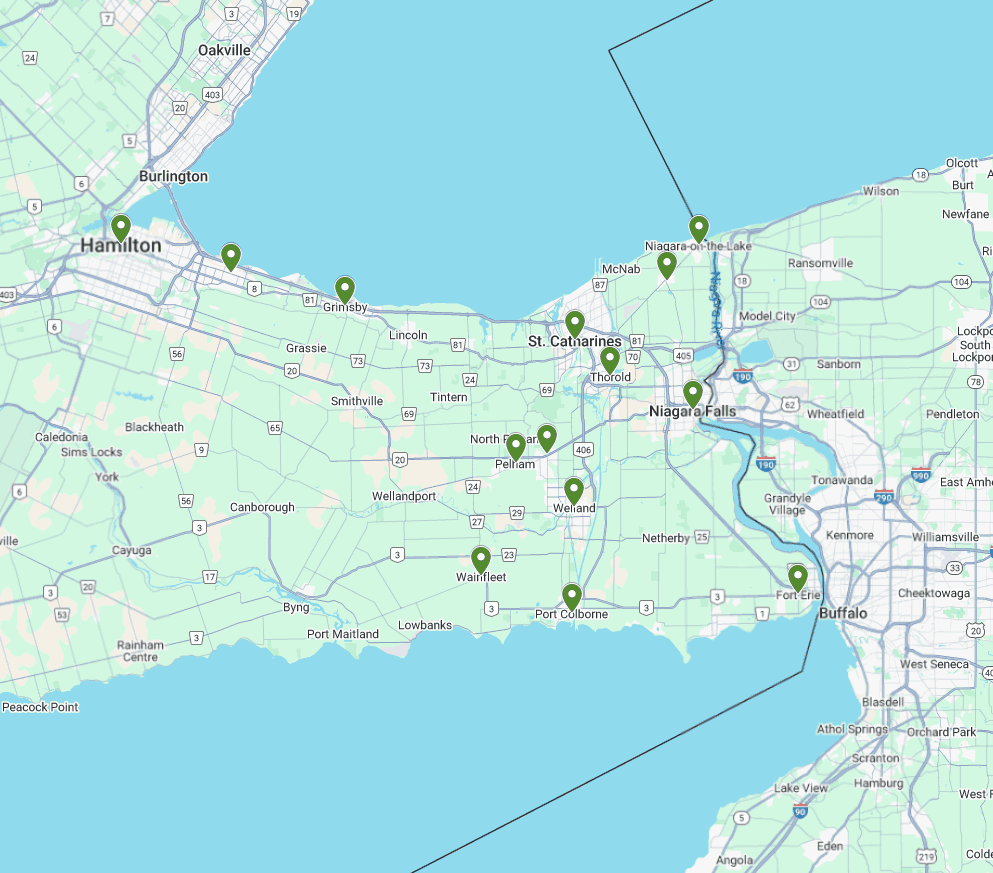
Service Areas
Our service areas encompass a wide range of locations, ensuring that we can meet the needs of our clients wherever they are. From bustling urban centers to serene rural landscapes, we are committed to providing top-notch services tailored to each unique environment.