



Emergency HVAC Service in Fonthill, ON delivers rapid, around-the-clock on-site support for urgent heating and cooling failures, prioritizing safety and minimal property damage. The service outlines typical emergency scenarios, expected response times, on-site diagnostic steps, and immediate-repair capabilities, followed by clear safety protocols and technician qualifications. It also explains emergency-rate structures, how to minimize damage while waiting, and maintenance recommendations designed to reduce risk of future breakdowns in Niagara's demanding climate. This page emphasizes rapid safety-first service and clear post-visit guidance.
-min.jpeg)
Emergency HVAC Service in Fonthill, ON
When your furnace stops on a subzero night or your air conditioner dies during a humid July heat wave, you need fast, reliable 24/7 emergency HVAC response in Fonthill, ON. Emergency HVAC Service in Fonthill, ON provides rapid dispatch for urgent heating and cooling failures, prioritizing safety, minimizing property damage, and restoring comfort as quickly as possible. This page explains common emergency scenarios in the Niagara Region, what happens on-site, safety protocols and technician qualifications, estimated response expectations, what emergency rates typically mean, and practical steps you can take while waiting for help.
Why Fonthill homes need emergency HVAC response
Fonthill sits in the Niagara Region, where cold winter snaps and humid summer conditions put extra strain on heating and cooling systems. Older furnaces and heat pumps can fail during sudden temperature drops, and high humidity can overload air conditioners and condensate drainage, leading to water damage. Because extreme weather and seasonal use spikes are common here, having access to 24/7 emergency HVAC service in Fonthill, ON reduces risk to your family, your property, and your indoor air quality.
Common emergency scenarios in Fonthill, ON
- Complete furnace failure on a freezing night, leaving living spaces dangerously cold
- Air conditioner or heat pump breakdown during heat waves, risking heat-related health issues
- Sudden loss of heat or cooling due to control board failure, thermostat faults, or compressor lock up
- Water leaks from clogged condensate lines, cracked drain pans, or overflowing humidifiers causing floor, ceiling, or drywall damage
- Strong gas smell or suspicion of a natural gas leak near appliances or furnace equipment
- Carbon monoxide alarm activation or signs of incomplete combustion (soot, yellow pilot light)
- Electrical shorts causing intermittent shutdowns or tripped breakers
Rapid dispatch and estimated response times
Emergency HVAC services in Fonthill prioritize urgent safety calls. Typical estimated response times in the Fonthill area are:
- High-priority safety calls (gas leak, CO alarm): as soon as possible; commonly within 30 to 60 minutes depending on time of day and road conditions
- Urgent comfort failures (no heat or no cooling): often within 60 to 120 minutes during normal hours; overnight or during extreme weather may extend to several hours depending on call volume and technician availability
These are estimates and can vary with weather, major outages, and service demand. When you contact a licensed emergency HVAC provider, expect a triage conversation to determine priority and dispatch an appropriately equipped technician.
On-site diagnostic and immediate-repair procedures
Emergency HVAC technicians follow a structured process designed to deliver fast and safe results:
- Triage and arrival: technician reviews symptoms reported, brings relevant tools and common replacement parts, and performs a safety assessment on arrival.
- Safety isolation: for suspected gas leaks or electrical faults the system is isolated and power or gas shutoff is performed if needed. Carbon monoxide and gas detectors are used to verify occupant safety.
- Fast visual and diagnostic checks: technicians inspect filters, condensate drains, burners and heat exchangers, control boards, capacitors, motors, refrigerant pressures, and electrical connections using diagnostic instruments.
- Temporary or immediate repair: where possible, technicians perform repairs that restore safe operation the same visit (clearing drains, replacing fuses/relays, swapping in common replacement parts, resetting controls).
- Safety testing and verification: after repairs, systems are tested for proper operation. For gas appliances, combustion and CO levels are assessed; for refrigerant systems, pressures and temperatures are checked.
- Documentation and recommendations: technician documents findings, explains what was fixed, and outlines recommended follow-up work if full replacement or more extensive repairs are needed.
Safety protocols and technician qualifications
Emergency HVAC work in Ontario requires adherence to strict safety standards. Qualified technicians typically hold:
- Provincial gas-safety certifications and training in safe gas appliance handling and combustion analysis
- Certified refrigerant-handling credentials for any work involving refrigerants and AC systems
- Up-to-date electrical safety training and liability insurance
- Experience with on-site carbon monoxide testing, gas leak detection, and emergency isolation procedures
Technicians follow personal protective equipment practices, use calibrated testing equipment, and follow protocols to limit exposure to gas, refrigerant, and electrical hazards. When a CO alarm or strong gas odor is present, evacuation and reporting to emergency services may be advised before technician intervention.
Emergency-rate information and transparency
Emergency HVAC service often involves after-hours or expedited response fees because of overtime labor, rapid dispatch, and stocking of specialized parts. Transparent providers will:
- Explain after-hours or emergency-rate structure during triage before dispatch
- Provide a clear estimate for diagnostic fees and any immediate repair work before proceeding whenever safe and practical
- Offer written documentation of work performed and next-step recommendations
It is standard practice to confirm emergency-rate terms with the technician at the start of the visit so there are no surprises.
How to minimize damage while you wait
- If you smell gas or CO, evacuate everyone immediately and move to fresh air. Do not operate electrical switches or appliances. Call emergency services from a safe location.
- For loss of heat in freezing weather: close off unused rooms, seal drafts, insulate exposed pipes, and layer clothing. Use only safe, listed portable heaters on a stable surface and never leave them unattended. Avoid using ovens or grills for heating.
- For loss of cooling during hot, humid periods: close blinds and curtains, keep windows shut, and use fans to circulate air. Move vulnerable people to the coolest part of the home.
- For water leaks from AC or equipment: turn off the HVAC equipment at the breaker if safe to do so, place containers under leaks, and protect flooring and valuables with towels or plastic. If the leak risks electrical components, avoid water contact and wait for the technician.
- Keep system information handy: model numbers, age of equipment, recent service history, and a clear description of symptoms help technicians diagnose and arrive prepared.
Preventing future emergencies
Regular maintenance prevents many urgent failures. Recommended steps include:
- Annual combustion and safety checks for furnaces and boilers before winter
- Spring inspection and maintenance of air conditioners and heat pumps before cooling season
- Regular condensate drain cleaning and filter replacement every 1 to 3 months depending on use
- Installation and routine testing of carbon monoxide detectors and smoke alarms
Timely maintenance reduces the likelihood of emergency breakdowns and protects home safety and equipment life.
Emergency HVAC Service in Fonthill, ON focuses on rapid, safe restoration of heating and cooling during critical situations. Understanding common emergencies, what to expect when a technician arrives, and sensible interim steps you can take will help protect your household and property when time is most important.

Customer Testimonials

Very efficient company. I needed an old solar water heater removed from my roof. They were quick to book an appointment for the next day after I sent photos. They were very knowledgeable of the issue. The 2 guys that came were friendly and competent with the job, including removal of all parts.

I called John today at 2:pm as my AC was not working and I wasn’t expecting even a call back as I knew with this hot weather we have had he would be swamped with calls. Well he called me back and showed at 8:pm on the same day to fix my AC. That is just incredible service and how much John really cares about his clients. Thank you John !
Lifesavers!! The AC in our house decided to quit the day we were passing the keys to the new owners!! Instead of making a service call to the house, John coached me through the minor repair over the phone, saving me the money and time waiting for a repair person to come.Much appreciated! Thanks again John
We had an amazing experience getting our new furnace installed with Niagara Home Heating. The owner was very helpful, their quote was more then competitive and the technician who installed the unit was professional and friendly. I would recommend their services.
I have used Niagara Home heating for multiple projects for over 16 years. John and his staff are absolutely the best. I tell all my friends and family about Niagara Home Heating because you won’t get any better service or pricing anywhere in Niagara. He has saved me thousands and thousands of dollars and has never let me down.
I had an issue with my hot water tank and called Niagara Home Heating. Their service was fantastic and reasonably priced—exactly how a business should be run!

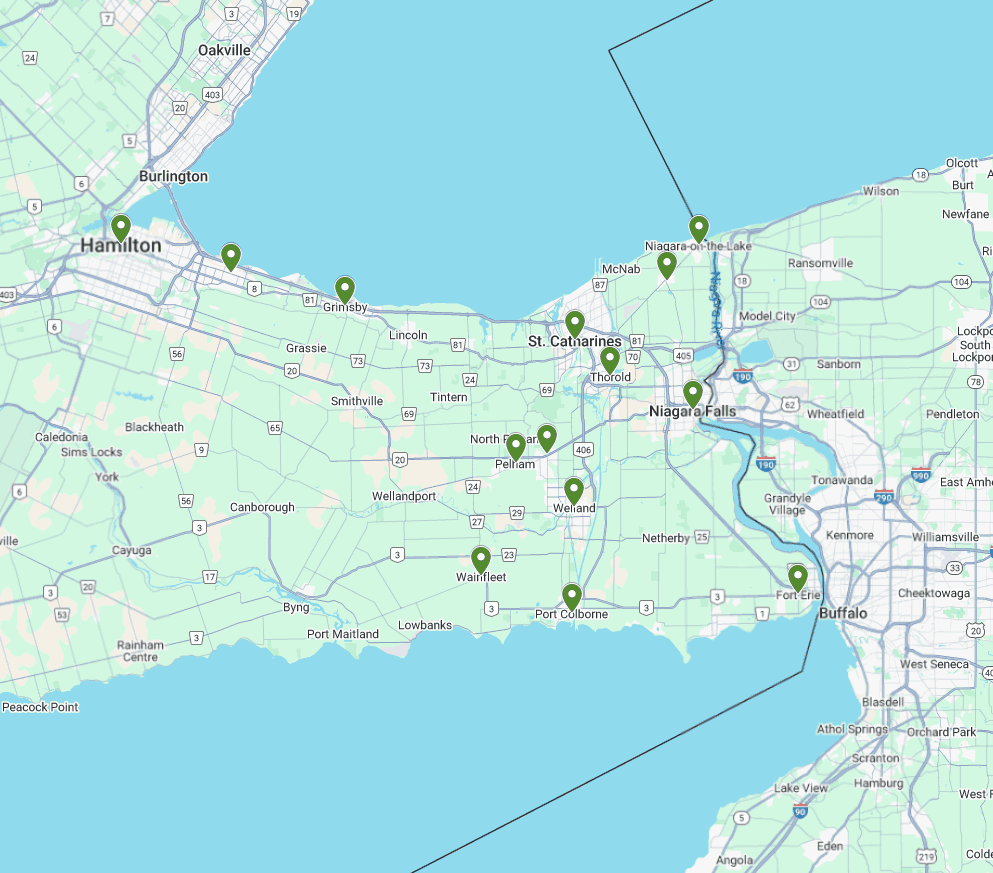
Service Areas
Our service areas encompass a wide range of locations, ensuring that we can meet the needs of our clients wherever they are. From bustling urban centers to serene rural landscapes, we are committed to providing top-notch services tailored to each unique environment.