



HVAC in Niagara Falls, ON
Keeping your home or business comfortable year round in Niagara Falls, ON means managing hot, humid summers and cold, snowy winters while protecting indoor air quality from humidity, pollen, and outdoor pollutants. Niagara heating offers a full suite of HVAC services designed for Niagara Falls homes and commercial properties: system installation and replacement, seasonal tune ups, preventative maintenance agreements, emergency repair response, indoor air quality solutions, and guidance on choosing energy efficient equipment.
Why local expertise matters in Niagara Falls
- The Niagara Region has a unique climate: lake effect snow in winter, high humidity in summer, and rapid temperature swings during spring and fall. These conditions place specific demands on heating and cooling systems.
- Older homes in Niagara Falls often have aging furnaces, boilers, or ductwork that need different solutions than new construction properties.
- Commercial buildings near the Falls and downtown tourist corridors require reliable systems and predictable service windows to avoid business disruption.
Having a local HVAC partner who understands these regional challenges improves equipment choices, sizing, and long term performance.
Common HVAC issues in Niagara Falls, ON
- Poor heating performance in winter: uneven rooms, short cycling, or system failures during cold snaps.
- Reduced cooling and high energy bills in summer: refrigerant leaks, failing compressors, or clogged coils.
- High indoor humidity and mold risk: inadequate dehumidification, poor ventilation, or mis-sized air conditioners and heat pumps.
- Strange noises and odors: mechanical wear, failing motors, burner issues, or biological growth in ducts.
- Frequent system failures after renovations: drywall dust, debris, and poorly reconnected ducts can clog components.
- Indoor air quality complaints: increased allergies, persistent dust, or stale odor caused by inadequate filtration and ventilation.
These are typical concerns Niagara Falls homeowners and businesses raise when searching for reliable HVAC in Niagara Falls, ON.
Types of HVAC services we provide
System installation and replacement
- Furnaces: gas, oil, and high efficiency condensing models for cold Niagara winters.
- Air conditioners: central split systems sized for local humidity and cooling loads.
- Heat pumps: air source and cold-climate heat pumps for efficient heating and cooling, including ductless mini split solutions for selective rooms.
- Boilers and hydronic systems: replacement and conversion services for homes with radiator heat or in-floor radiant systems.
- Ductless systems: targeted comfort control for additions, basements, and older homes without ductwork.
Seasonal tune ups and maintenance
- Pre-season inspections, cleanings, and safety checks that prevent breakdowns during extreme weather.
- Coil and filter changes, drain cleanings, condensate checks, and calibration.
- Preventative maintenance agreements
- Scheduled visits, documented performance checks, priority service scheduling, and extended equipment longevity.
- Emergency repair response
- Rapid diagnostics and repairs for system failures that risk comfort, safety, or operations during peak seasons.
Indoor air quality solutions
- High efficiency filtration, UV germicidal lights, humidification and dehumidification systems, energy recovery ventilators, and whole home air purifiers.
Commercial HVAC services
- Rooftop unit repairs, preventative maintenance for business continuity, zoning, and controls upgrades for energy management.
Financing and warranty guidance
- Explanation of manufacturer warranties versus labor warranties, and information about financing options and rebate programs for energy efficient equipment.
How we diagnose HVAC problems in Niagara Falls homes and businesses
A reliable diagnosis starts with a structured inspection and testing approach. Typical diagnostic steps include:
System history review
- Age, maintenance records, recent work, and any observed symptoms.
- Visual inspection
- Check for signs of wear, corrosion, soot, leaks, and improper installations in equipment and ductwork.
Airflow assessment
- Measure supply and return airflow to identify blockages, duct leaks, or blower motor issues that cause uneven heating and cooling.
- Refrigerant and compressor checks
- Test refrigerant charge and assess compressor performance when cooling is inadequate.
Combustion safety and efficiency tests
- For gas or oil furnaces and boilers, measure combustion efficiency and carbon monoxide levels to ensure safe operation.
Electrical diagnostics
- Inspect capacitors, relays, contactors, and control boards that commonly fail and cause intermittent operation.
- Duct leakage and insulation evaluation
- Thermographic scanning and pressure testing to identify leaks and insulation gaps that reduce efficiency.
Indoor air quality evaluation
- Assess filtration, ventilation rates, humidity levels, and potential sources of contaminants.
This combination of observational checks and objective measurements ensures the repair plan addresses root causes rather than symptoms.
Installation and replacement: what to expect
When your system must be replaced, the process should be thorough and focused on long term performance in Niagara Falls conditions.
Load calculation and system sizing
- A Manual J style calculation estimates heating and cooling loads based on square footage, insulation, window types, and local weather. Oversizing and undersizing both cause problems: oversized systems cycle too quickly and reduce dehumidification; undersized systems struggle during extreme temperatures.
Equipment selection
- Recommend systems matched to your home or business: high efficiency furnaces for snowy winters, heat pumps for flexible heating and cooling, and dehumidifying air conditioners for humid summers. Consideration for existing ductwork, renovation constraints, and future energy goals is essential.
Ductwork and airflow optimization
- Sealing, balancing, and replacing poorly insulated or undersized ducts improves comfort and reduces energy waste common in older Niagara Falls homes.
Proper installation practices
- Level placement, correct refrigerant charge, flue and venting compliance, condensate management, and professional electrical connections ensure safe, reliable operation.
- Commissioning and demonstration
- Post-install testing, documentation, and user orientation demonstrate system operation and maintenance expectations.
A well executed installation reduces service calls, improves efficiency, and maintains comfort through Niagara Falls seasonal extremes.
Repairs and common solutions
Furnace repairs
- Ignition failures, faulty limit switches, cracked heat exchangers, and motor or belt failures are common. Safety checks like carbon monoxide testing and flue inspections are standard after any furnace repair.
Air conditioner and heat pump repairs
- Low refrigerant, frozen coils, faulty reversing valves, and compressor issues cause cooling failures. Coil cleaning, refrigerant repair, and electrical component replacement restore reliable cooling.
Duct repairs
- Sealing duct leaks, adding insulation, and adjusting register balances reduce hot or cold spots and lower energy bills.
Controls and thermostat fixes
- Upgrading to programmable or smart thermostats improves comfort scheduling and can support zoning systems to better manage multi zone properties.
Drain and condensate issues
- Clogged drain lines are a common cause of AC shutdowns and need routine attention in humid Niagara summers.
Indoor air quality remedies
- Upgrading to better MERV rated filters, installing UV lights to control microbial growth, and adding ventilation to homes with low fresh air exchange.
Timely repairs preserve equipment life, prevent safety hazards, and reduce the total cost of ownership.
Preventative maintenance agreements and benefits
A maintenance agreement provides predictable performance and often prevents emergency breakdowns during critical times.
- Regular scheduled tune ups
- Pre heating and cooling season service extends equipment life, keeps efficiency high, and identifies emerging issues before failure.
- Priority response
- Agreements often include faster scheduling during peak seasons so Niagara Falls homes are not left without heat during storms or without AC during heat waves.
- Documentation and service history
- Detailed service records support warranty claims and provide owners with a clear maintenance timeline.
- Energy savings
- Well maintained systems operate closer to their rated efficiencies, reducing utility costs through improved combustion, airflow, and refrigerant charge.
For properties that host guests or operate businesses near the Falls, predictable maintenance reduces downtime and preserves reputation.
Indoor air quality and humidity control in the Niagara climate
Niagara Falls homes face particular IAQ challenges: high outdoor humidity in summer, pollen and allergen seasons, and homes that are tightly sealed for energy efficiency can lead to stale air.
Humidification and dehumidification
- Whole home humidifiers are useful in dry winter conditions to protect woodwork and comfort. Whole home dehumidifiers or properly sized AC systems are crucial in summer to control mold risk.
Filtration upgrades
- Higher MERV filters capture more particulates but require consideration of airflow impacts. Balanced filtration with periodic filter changes improves indoor air without stressing equipment.
Ventilation and energy recovery
- Controlled ventilation systems and energy recovery ventilators (ERVs) bring fresh air without large energy penalties. This is especially important in renovated, tightly sealed Niagara Falls homes.
UV and germicidal systems
- UV lights near coils or in ductwork reduce microbial growth that can impact health and system efficiency.
Addressing IAQ improves occupant health and comfort while protecting HVAC equipment from excessive biological loading.
Commercial HVAC considerations for Niagara Falls businesses
Redundancy and reliability
- Tourist-facing businesses and offices need systems designed for minimal downtime and quick serviceability.
Energy management and zoning
- Zoned control systems and programmable schedules reduce operating costs for buildings with varied occupancy patterns.
Rooftop and packaged unit servicing
- Regular preventative maintenance and seasonal inspections keep rooftop units performing during peak heat or freezing conditions.
Code compliance and permit guidance
- Upgrades or replacements must meet Ontario codes and local by laws; professional installations ensure compliance for safety and insurance.
Commercial solutions require a balance of performance, lifecycle cost, and predictable maintenance windows.
Warranties, rebates, and financing guidance
Choosing equipment includes evaluating warranties and potential incentives.
Manufacturer warranties versus labor warranties
- Understand what the equipment manufacturer covers and what labor or workmanship warranties the installation contractor provides.
- Extended warranties and maintenance requirements
- Some manufacturers require scheduled maintenance to keep warranty coverage valid; a maintenance agreement documents compliance.
Rebates and incentive programs
- Energy efficient systems may qualify for provincial or federal incentives, and heat pump programs often include rebates or financing options. Researching available programs can materially reduce the net cost of high efficiency upgrades.
Financing considerations
- Financing allows homeowners and businesses to spread the cost of efficient systems over time; understanding loan terms and long term savings from energy reduction is important when making decisions.
Clear warranty and financing information reduces risk and aligns equipment choices with budget and sustainability goals.
Common questions and decisions when choosing a new HVAC system
- Should I replace or repair?
- Consider age, repair frequency, efficiency, and whether repairs will extend reliable operation. In Niagara Falls, older furnaces approaching 15-20 years or air conditioners near the end of typical lifespans often justify replacement.
- Gas furnace or heat pump?
- Cold climate heat pumps are increasingly effective for moderate Ontario winters and offer cooling benefits in summer. Homes with very cold exposures or existing gas infrastructure may still prefer high efficiency gas furnaces.
- How important is proper sizing?
- Correct sizing is critical. Oversized equipment reduces dehumidification and comfort; undersized units struggle during extreme weather.
- Can my ductwork be reused?
- Duct condition, insulation, and routing determine if existing ducts are serviceable. Sealing and insulating ducts frequently yields substantial efficiency gains.
- What indoor air quality steps help most?
- Start with proper filtration and humidity control. Add ventilation or UV systems as needed based on specific IAQ concerns.
Answering these questions with objective diagnostics ensures choices that match your home, budget, and long term comfort goals.
Maintenance checklist for Niagara Falls homeowners
- Pre winter furnace inspection: combustion, flue, filters, controls, thermostat calibration.
- Spring AC tune up: coil clean, refrigerant check, condensate drain clearing, capacitor testing.
- Seasonal filter replacement: follow manufacturer recommendations and increase frequency during pollen season.
- Duct inspection annually: look for leaks, disconnected sections, and inadequate insulation.
- Carbon monoxide detector checks: replace batteries and test detectors whenever gas equipment is serviced.
- Document all service visits and repairs to protect warranties and support future decisions.
A short checklist helps homeowners protect investments and reduce emergency repairs.
FAQs
Q: How often should I schedule HVAC maintenance in Niagara Falls, ON?
A: Most manufacturers and professionals recommend annual maintenance for both heating and cooling systems, with a heating tune up in the fall and a cooling tune up in the spring. In Niagara Falls, the region's humidity and seasonal extremes make semi annual checks especially valuable to prevent summer and winter breakdowns.
Q: Can a heat pump handle Niagara Falls winters?
A: Modern cold climate heat pumps can handle lower temperatures effectively and offer combined heating and cooling. Performance depends on proper sizing, supplemental heat needs in the coldest periods, and installation quality. Many Niagara Falls homes benefit from heat pumps, particularly when paired with a hybrid system or when converting from older systems.
Q: What warranty considerations should I know when replacing an HVAC system?
A: Look for manufacturer parts warranties and ask about labor or workmanship warranties from the installer. Verify required maintenance to keep warranties valid and retain service records. Understanding warranty exclusions and transferability can protect resale value.
Q: How do I choose the right size air conditioner or furnace for my home?
A: A professional load calculation that considers square footage, insulation, window types, orientation, and occupancy is the correct method. Avoid rule of thumb sizing, which often leads to oversized systems that reduce comfort and efficiency in Niagara Falls homes.
Q: What indoor air quality upgrades make the biggest difference?
A: Upgrading to high efficiency filtration, adding whole home humidification or dehumidification appropriate for seasonal needs, and ensuring proper ventilation with energy recovery options provide the most consistent IAQ improvements in Niagara Falls climates.
Q: Are there rebate programs available for high efficiency HVAC equipment?
A: Energy efficient equipment sometimes qualifies for federal, provincial, or local incentives and rebates. The availability of programs changes over time; discussing potential incentives with a contractor helps identify opportunities to reduce net costs while improving efficiency.
Q: How long does an HVAC installation typically take?
A: Installation time depends on system type and complexity. A straightforward furnace or air conditioner swap can often be completed in a day, while complex replacements involving ductwork modification, boiler work, or multiple zones may require several days for a quality installation and commissioning.
Q: What signs indicate my HVAC system needs immediate repair?
A: Sudden loss of heat or cooling, unusual smells indicating combustion or mold, visible leaks, frequent cycling, or CO alarm activation are reasons to seek immediate professional attention. Prompt response reduces safety risk and prevents further damage in Niagara Falls conditions.
Common HVAC issues in Niagara Region homes and businesses
Niagara’s climate and seasonal construction activity create predictable problems:
- Mid-winter furnace failures: Frozen vents, ignition faults, or cracked heat exchangers become urgent during cold snaps.
- Air conditioning inefficiency: High humidity and dusty environments reduce cooling capacity, causing longer run times and higher bills.
- Heat pump performance drop in extreme cold: Supplemental heat or correct sizing is essential to avoid comfort loss in very cold days.
- Duct contamination and airflow problems: Renovation dust and blocked returns cause uneven heating/cooling and increased allergens.
- Refrigerant leaks and compressor issues: Signs include weak cooling, ice on evaporator coils, or unusual compressor noise.
- Thermostat and control failures: Incorrect readings or wiring issues that lead to short cycling or inaccurate temperature control.
- Indoor air quality concerns: Mold, excess humidity, and poor filtration affecting comfort and respiratory health.
Watch for warning signs: frequent cycling, odd noises, higher energy bills, uneven temperatures, water leaks, or triggered CO detectors.
How HVAC problems are diagnosed and prioritized
A reliable diagnostic process identifies root causes quickly and transparently:
- Customer history and symptom review: Understanding when and how problems started, any recent work or renovations, and specific comfort concerns.
- Visual inspection: Panels, filters, ductwork, condensate lines and visible components checked for obvious faults.
- Operational testing: Measuring temperatures, pressures, voltages, current draw and airflow to evaluate system health.
- Safety checks: Carbon monoxide testing, gas line inspection and combustion analysis for fuel-fired equipment.
- Load and sizing calculations: For replacements, performing a Manual J style assessment to size equipment to your building and usage patterns.
- Recommendation and prioritization: Classifying required actions as safety-critical, efficiency-improving, or elective upgrades so repairs and investments are clear.
This method reduces guesswork, prevents repeat visits and helps determine whether repair or replacement is the better long-term choice.
Repairs, upgrades and installations explained
- Repairs: Technicians prioritize safety and reliability; common repairs include motor and blower replacement, capacitor and control board swaps, refrigerant recharge and leak repair, ignition assembly replacement, and condensate drain cleaning.
- Upgrades: Replacing aging equipment with high-efficiency furnaces, variable-speed air handlers, or higher-SEER air conditioners can cut energy use substantially — especially important in Niagara where heating and cooling demands are significant.
- Ductwork and zoning: Sealing, insulating and rebalancing duct systems reduces energy loss. Zoning systems allow different areas to be conditioned independently for comfort and savings.
- Special systems: Ductless mini-splits, geothermal options, and modern heat pumps offer effective alternatives in homes without conventional ductwork.
- Installation standards: Proper refrigerant charge, correct venting, combustion safety, and precise airflow balancing are essential to achieve rated efficiency and maintain warranties.
Financing and warranty considerations are explained clearly so property owners can make informed decisions that match budget and long-term goals.
Seasonal maintenance plans and emergency protocols
Regular maintenance prevents most emergency calls. Typical seasonal tune-ups include cleaning coils and burners, changing or inspecting filters, testing safety controls, checking refrigerant levels, lubricating moving parts, and verifying thermostat operation. Service agreements commonly provide:
- Priority scheduling during peak seasons
- Discounted diagnostic or labor rates
- Reminder scheduling for seasonal service
Emergency protocols ensure prompt, prioritized response for life-safety issues and major system failures, with technicians trained to isolate hazards and implement temporary measures until a complete repair or replacement can be completed.
Indoor air quality and comfort optimization
Managing humidity, ventilation and filtration is especially important in the Niagara Region. Solutions include high-efficiency filters, whole-home humidifiers/dehumidifiers, UV germicidal lights, energy recovery ventilators for controlled fresh air exchange, and air purifiers. These options improve comfort, protect equipment and reduce allergen and mold risks in humid months.
Why timely HVAC action matters
Prompt repairs and proactive maintenance lower utility bills, extend equipment life, protect warranty coverage, and reduce the risk of emergency breakdowns during extreme weather. Thoughtful upgrades and proper system design also improve indoor comfort and property value.
Maintenance checklist for homeowners and property managers
- Replace or inspect filters monthly during heavy use seasons
- Keep vents and returns clear of obstructions
- Note and report unusual sounds, odors, or performance changes promptly
- Schedule annual furnace and pre-summer AC tune-ups
- Ensure carbon monoxide detectors are working and batteries are fresh
Addressing HVAC issues early protects comfort, safety and budgets. Whether the need is a quick repair, a full system replacement, a new-construction design or a seasonal maintenance plan, tailored solutions that consider Niagara’s climate and building conditions deliver the most reliable year-round comfort.

Customer Testimonials

I had an issue with my hot water tank and called Niagara Home Heating. Their service was fantastic and reasonably priced—exactly how a business should be run!

I called John today at 2:pm as my AC was not working and I wasn’t expecting even a call back as I knew with this hot weather we have had he would be swamped with calls. Well he called me back and showed at 8:pm on the same day to fix my AC. That is just incredible service and how much John really cares about his clients. Thank you John !
We had an amazing experience getting our new furnace installed with Niagara Home Heating. The owner was very helpful, their quote was more then competitive and the technician who installed the unit was professional and friendly. I would recommend their services.
Lifesavers!! The AC in our house decided to quit the day we were passing the keys to the new owners!! Instead of making a service call to the house, John coached me through the minor repair over the phone, saving me the money and time waiting for a repair person to come.Much appreciated! Thanks again John
I have used Niagara Home heating for multiple projects for over 16 years. John and his staff are absolutely the best. I tell all my friends and family about Niagara Home Heating because you won’t get any better service or pricing anywhere in Niagara. He has saved me thousands and thousands of dollars and has never let me down.
Very efficient company. I needed an old solar water heater removed from my roof. They were quick to book an appointment for the next day after I sent photos. They were very knowledgeable of the issue. The 2 guys that came were friendly and competent with the job, including removal of all parts.

Service Areas
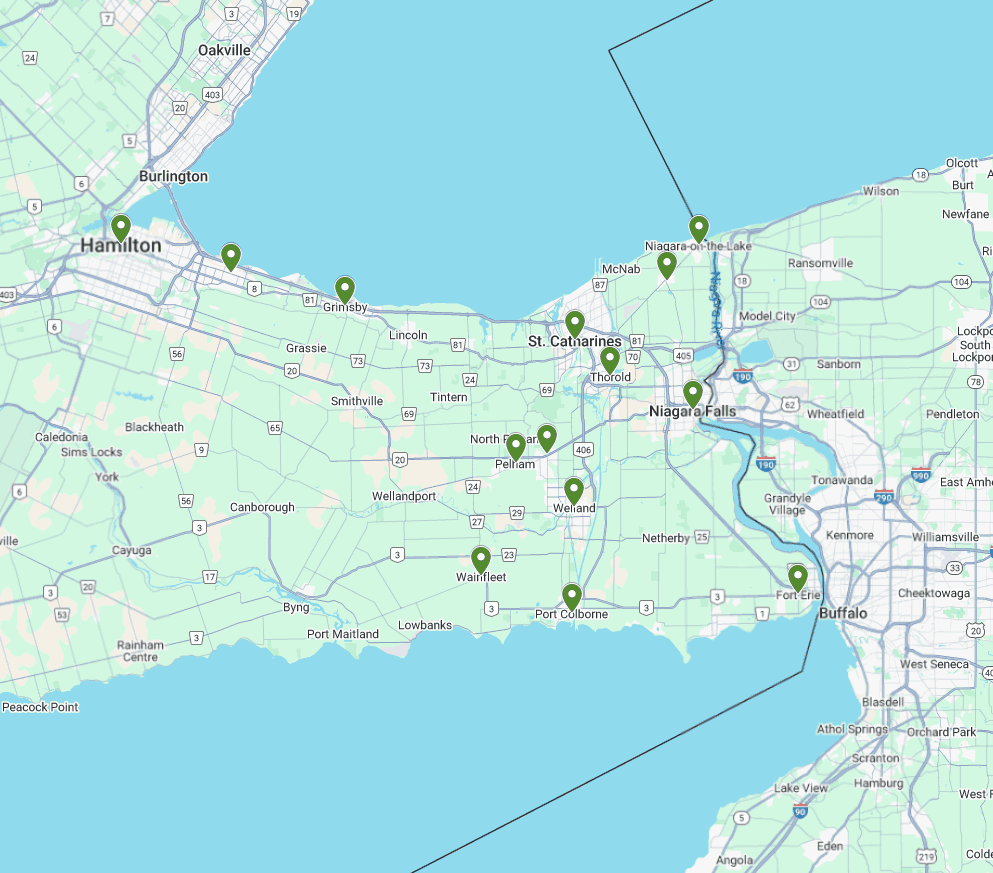
Our service areas encompass a wide range of locations, ensuring that we can meet the needs of our clients wherever they are. From bustling urban centers to serene rural landscapes, we are committed to providing top-notch services tailored to each unique environment.