



This service page outlines comprehensive HVAC repair services in Fonthill, ON, emphasizing fast diagnostics, safe, lasting fixes for furnaces, air conditioners, heat pumps, boilers, and ductless systems. It covers common issues, diagnostic steps, and typical repairs by system, along with emergency response expectations, technician qualifications, warranty and pricing transparency, and what to expect during a repair visit. It also describes preparation for service, preventive maintenance benefits, and how timely repairs protect comfort, efficiency, and safety amid Niagara Region weather stresses.
-min.jpeg)
HVAC Repair in Fonthill, ON
Keeping your heating and cooling systems running reliably is essential in Fonthill, ON, where cold, snowy winters and humid summers place heavy seasonal demands on HVAC equipment. Professional HVAC repair in Fonthill, ON focuses on fast, safe diagnostics and lasting repairs for furnaces, air conditioners, heat pumps, ductless systems, and boilers common in Niagara Region homes. typical problems, how technicians diagnose them, common repairs by system, emergency response expectations, technician qualifications, warranty and pricing practices, and what to expect when scheduling service.
Why timely HVAC repair matters in Fonthill homes
- Fonthill weather extremes increase wear: more heating runtime in winter and frequent AC use in humid summers shortens component life.
- Older homes or retrofits in the area often combine ducted and hydronic systems; system mismatches increase failure risk without proper repair.
- Delaying repairs can escalate costs, reduce energy efficiency, and create safety risks such as carbon monoxide exposure or refrigerant leaks.
Common HVAC repair issues in Fonthill
- Furnace problems: frequent cycling, failure to ignite, weak airflow, strange noises, pilot or ignition faults, and cracked heat exchangers.
- Air conditioner issues: insufficient cooling, short cycling, frozen evaporator coils, refrigerant leaks, and failed compressors or capacitors.
- Heat pump and hybrid systems: poor heating performance in cold snaps, defrost cycle failures, reversing valve or compressor faults.
- Ductless mini-split problems: indoor unit leaks, sensor errors, draining issues, and remote control or communication faults.
- Boilers and hydronic heating: pressure loss, pump failure, leaking valves, thermostat control faults, and noisy radiators.
- Ductwork and airflow: air leaks, disconnected ducts, inadequate insulation, and poor balancing leading to hot or cold rooms.
- Indoor air quality impacts: clogged filters, dirty coils, and blocked condensate drains that reduce comfort and efficiency.
What a professional diagnostic covers
A structured diagnostic process helps pinpoint root causes rather than just treating symptoms. Typical steps include:
- Safety checks: carbon monoxide screening, gas leak detection, electrical hazards, and confirming safe operating conditions.
- Visual inspection: panels, filters, condensate lines, ductwork, and outdoor units for obvious signs of damage or blockage.
- System checks: verifying thermostat operation, electrical supply, control board signals, ignition sequence, and blower motor function.
- Performance testing: measuring temperature differentials, refrigerant pressures, airflow rates, and combustion efficiency where applicable.
- Reporting and options: a clear explanation of findings, written repair options with pros and cons, and warranty details for parts and labor.
Typical repairs by system
- Furnace repairs
- Ignition and flame sensor replacement or cleaning
- Blower motor and belt repair or replacement
- Limit switches and control board diagnostics
- Heat exchanger inspection and recommendations if compromised
- Air conditioner repairs
- Refrigerant leak detection and evacuation, followed by safe recharge and testing
- Capacitor, contactor, and fan motor replacement
- Condenser coil cleaning and compressor diagnostics
- Heat pump repairs
- Reversing valve, defrost control, and charge correction
- Outdoor unit fan and compressor troubleshooting
- Ductless system repairs
- Indoor coil cleaning, drain clearing, and PCB or sensor replacement
- Line set leak repair and vacuum/purge procedures before recharge
- Boiler repairs
- Circulator pump replacement or service, pressure control and expansion tank adjustments
- Valve repair, air purging, and combustion tuning
- Duct and airflow solutions
- Duct sealing, insulation, return/exhaust balancing, and register adjustments
Emergency and rapid-response situations
Certain failures are treated as emergencies because of safety or severe exposure to weather:
- No heat during freezing conditions
- Active gas smell or carbon monoxide alarm activation
- Major refrigerant leak with system shutdown
- Complete loss of heating for vulnerable occupantsEmergency response protocols typically prioritize safety first, perform temporary repairs to stabilize the situation, and provide a follow-up plan for permanent fixes. In winter, temporary heating solutions or safe shutdowns may be implemented to prevent further damage.
Technician qualifications and safety standards
Qualified technicians for HVAC repair in Fonthill, ON typically hold:
- Certifications for refrigerant handling and recovery in accordance with federal/provincial requirements
- Gas safety qualifications for servicing natural gas furnaces and boilers
- Manufacturer training or factory certifications for major equipment brands
- Ongoing continuing education to keep pace with high-efficiency systems and controls
- Background checks, proper identification, and adherence to job-site protection best practicesTechnicians should always present a written scope of work and explain safety protocols before starting repairs.
Warranty and pricing transparency
- Written estimates: reputable providers offer a written diagnosis and estimate before proceeding with repairs, with clear line items for parts and labor.
- Warranty practices: service labor warranties and manufacturer parts warranties are typically documented and explained in writing. Warranty lengths vary by manufacturer and replacement part.
- Pricing structure: common formats include a diagnostic fee (applied to the final invoice if repair is approved), flat-rate repairs for common components, or project quotes for larger replacements. Financing options may be available for major replacements.
- No hidden fees: transparent providers disclose permit needs, disposal fees for old equipment, and expected timelines up front.
What to have ready when you schedule a repair visit
Prepare the following to help the technician diagnose and repair faster:
- System make, model, and approximate age if known
- A brief description of symptoms and when they started
- Any error codes displayed on thermostats or panels
- Recent maintenance history or prior repairs
- Accessibility information for equipment locations (basement, attic, outdoor unit)
Typical service visit flow: arrival and homeowner identification, safety lockdown if needed, diagnostic testing, written repair recommendation, execution of approved repairs, system test and customer walkthrough, and documentation of warranties and maintenance tips.
Preventive maintenance and long-term benefits
Addressing repairs promptly and scheduling regular maintenance reduces emergency breakdowns, improves efficiency, extends equipment life, and helps avoid costly replacements. In Fonthill, where seasonal demand is high, annual heating and cooling tune-ups and timely filter changes are especially valuable.
Timely, professional HVAC repair in Fonthill, ON restores comfort safely and efficiently, protects home systems under Niagara Region weather stresses, and delivers clear documentation and warranty coverage for peace of mind.

Customer Testimonials

Very efficient company. I needed an old solar water heater removed from my roof. They were quick to book an appointment for the next day after I sent photos. They were very knowledgeable of the issue. The 2 guys that came were friendly and competent with the job, including removal of all parts.

I called John today at 2:pm as my AC was not working and I wasn’t expecting even a call back as I knew with this hot weather we have had he would be swamped with calls. Well he called me back and showed at 8:pm on the same day to fix my AC. That is just incredible service and how much John really cares about his clients. Thank you John !
Lifesavers!! The AC in our house decided to quit the day we were passing the keys to the new owners!! Instead of making a service call to the house, John coached me through the minor repair over the phone, saving me the money and time waiting for a repair person to come.Much appreciated! Thanks again John
I have used Niagara Home heating for multiple projects for over 16 years. John and his staff are absolutely the best. I tell all my friends and family about Niagara Home Heating because you won’t get any better service or pricing anywhere in Niagara. He has saved me thousands and thousands of dollars and has never let me down.
I had an issue with my hot water tank and called Niagara Home Heating. Their service was fantastic and reasonably priced—exactly how a business should be run!
We had an amazing experience getting our new furnace installed with Niagara Home Heating. The owner was very helpful, their quote was more then competitive and the technician who installed the unit was professional and friendly. I would recommend their services.

Service Areas
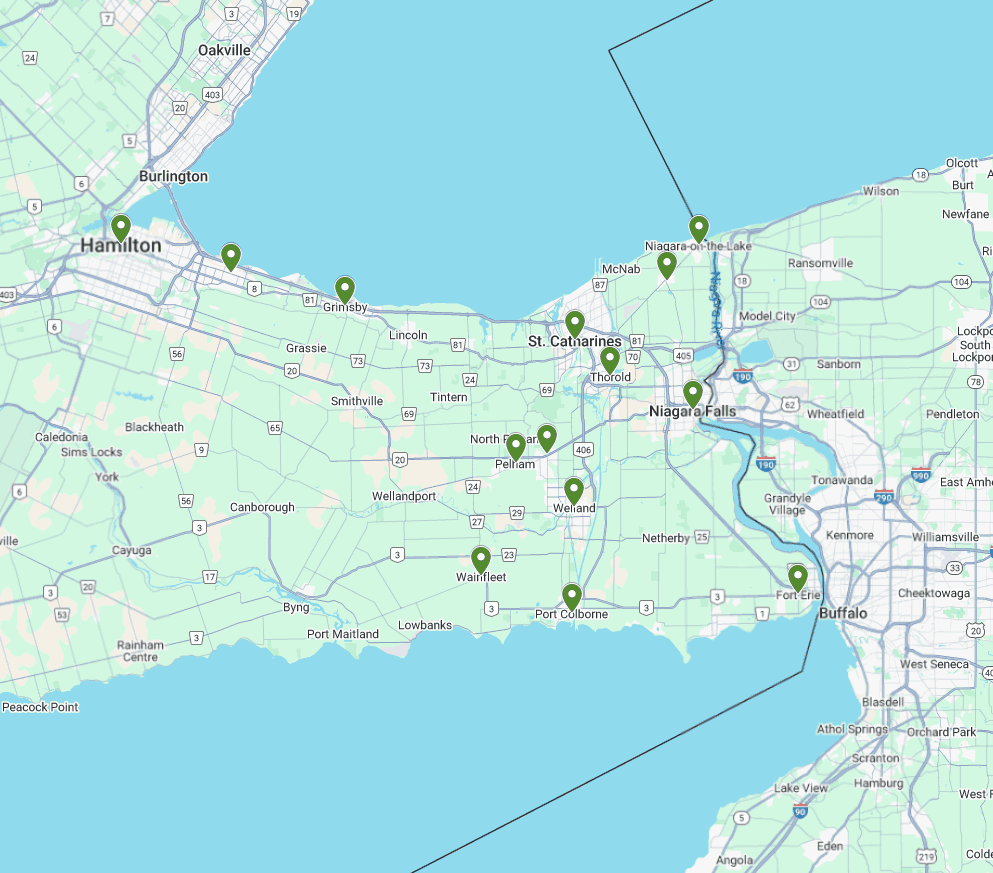
Our service areas encompass a wide range of locations, ensuring that we can meet the needs of our clients wherever they are. From bustling urban centers to serene rural landscapes, we are committed to providing top-notch services tailored to each unique environment.