



Emergency HVAC service in Niagara On The Lake, ON delivers rapid on-site diagnostics, safety checks, and temporary measures designed to restore heat, hot water, or climate comfort while working toward permanent repairs. It describes common failure scenarios, a rapid diagnostic workflow, and clear options for repair, replacement, or upgrades suited to historic homes and lake-influenced climates. It covers safety, CO and gas leak checks, expected response times, pricing transparency, and financing so homeowners know what to expect and how to prepare.
-min.jpeg)
Emergency HVAC Service in Niagara On The Lake, ON
When a furnace, air conditioner, heat pump, boiler, or hot water tank fails unexpectedly, it becomes more than an inconvenience — it can be a safety and comfort emergency. Emergency HVAC service in Niagara On The Lake, ON must respond to local realities: harsh winter snaps with lake-effect cold, humid summer afternoons, many older and heritage homes with legacy boilers, and seasonal properties that may sit idle for months. common emergency scenarios, fast diagnostic and repair processes, on-site temporary measures versus permanent solutions, essential safety checks, what to expect for response times and warranties, and what information to have ready when requesting same-day or after-hours service.
Common emergency scenarios and quick troubleshooting tips
Emergency HVAC problems often follow predictable patterns. These are the most frequent situations in Niagara On The Lake and safe first steps you can take.
- No heat in winter (furnace, boiler, heat pump failure)
- Troubleshoot: check thermostat settings and batteries, confirm furnace switch and breaker are on, inspect fuel supply (oil/gas) if accessible.
- Note: Older heritage homes may have outdated ventilation or draft issues that complicate combustion appliances.
- No cooling during hot, humid days (AC or heat pump down)
- Troubleshoot: ensure thermostat is set to cool, check circuit breaker, clear debris from outdoor unit if visible, and confirm condensate drain is not overflowing.
- Hot water tank failure (no hot water, leaking tank)
- Troubleshoot: check the temperature setting and breaker, look for visible leaks, and turn off power or gas to the unit if you see active leaks.
- Unusual noises, odors, or tripping breakers
- Troubleshoot: turn off the equipment and breakers if you suspect electrical faults; avoid running noisy equipment that could cause further damage.
- Carbon monoxide alarm activation or gas smell
- Troubleshoot: evacuate occupants immediately, ventilate by opening windows and doors, and shut off gas at the meter if safe to do so. Do not operate appliances.
These tips are strictly initial steps. Many emergencies require professional diagnostic tools and immediate corrective action to ensure safety and prevent further damage.
Rapid-response diagnostic process
Emergency HVAC service focuses on identifying root cause quickly and safely. Typical steps a trained technician will take on arrival:
- On-site safety assessment (CO detector, gas leak detection, electrical hazard identification).
- Verify system history, model information, and recent symptoms.
- Perform visual inspection of major components (burners, heat exchangers, compressors, valves, wiring).
- Use diagnostic instruments (combustion analyzer, refrigerant gauges, multimeter) to confirm failures.
- Provide an on-site explanation of findings and present options for temporary or permanent repair.
Technicians prioritize safety and stabilization first, then restore function where possible. In Niagara On The Lake, technicians are experienced with older boilers, high-efficiency furnaces, and both conventional and ductless heat pump systems.
Temporary on-site measures versus permanent repair or replacement
When immediate restoration is necessary, on-site measures can keep your home safe and habitable until a long-term fix is scheduled.
Temporary measures
- Bypass or replace failed control components to restore basic operation
- Provide temporary heat sources or hot water solutions when safe and code-compliant
- Contain leaks and secure gas lines until certified parts arrive
- Reset or replace fuses and breakers for safe short-term operation
Permanent solutions
- Repair or replace failed compressors, burners, heat exchangers, valves, or control boards
- Full system replacement for end-of-life equipment or repeated failures
- Upgrades to higher-efficiency equipment (including heat pumps) appropriate for local climate and historic home constraints
- Corrective measures to address ductwork, ventilation, or combustion air problems
Technicians will outline estimated timelines and benefits of repair versus replacement based on system age, availability of parts, and energy-efficiency considerations.
Safety checks: carbon monoxide, gas leaks, and electrical hazards
Safety is the top priority in every emergency HVAC call.
- Carbon monoxide (CO): Technicians perform combustion analysis, check heat exchangers for cracks, and verify venting integrity. If CO alarm has sounded, evacuation and professional inspection are required before reoccupying.
- Gas leaks: A combustible gas detector and pressure checks are used to find leaks. Gas shutoff and repair are only performed by licensed technicians following code and local utility requirements.
- Electrical hazards: Inspect breakers, wiring, and control connections. Any arcing, burnt wiring, or unsafe panel conditions will be isolated and corrected to code.
In Niagara On The Lake, where older wiring and vintage installations are common, thorough safety inspections reduce the risk of hidden hazards.
Typical response times
Response times vary by location, time of day, and call volume. Typical expectations for properties within Niagara On The Lake:
- In-town residential calls: often within 60 to 90 minutes during business hours; after-hours response may be slightly longer depending on availability.
- Nearby rural or seasonal properties: response times may extend to 2–4 hours depending on distance and weather.
- Priority life-safety situations (CO alarm, active gas leak): dispatched immediately with the highest priority.
Dispatchers will triage calls based on severity and vulnerability of occupants (young children, elderly, medical needs).
Warranty, estimates, and pricing transparency
Emergency service providers typically offer:
- Clear, written estimates before performing non-emergency repairs
- Warranties on labor and parts (common structures include short-term labor warranties and manufacturer-backed parts warranties)
- Documentation of work performed and safety checks
Pricing specifics vary by job complexity and part availability. Expect transparent communication about estimated costs and warranty coverage before committing to non-emergency work.
Financing and rebate assistance
Affordable options are often available for larger repairs or replacements:
- Assistance navigating provincial and utility rebates for high-efficiency equipment, including heat pump incentives
- Financing programs or payment plans for qualified applicants to spread replacement costs
- Guidance on eligibility documentation for rebates and incentive applications
Technicians can outline financing and rebate pathways during the diagnostic visit so you can plan the permanent solution that fits your home and budget.
How to request same-day or after-hours service (what to have ready)
When arranging same-day or after-hours emergency HVAC service, prepare the following to speed up triage and response:
- Exact property address and best contact number
- Brief description of the problem and when it started
- Equipment type (furnace/boiler/AC/heat pump/hot water tank), brand, and model if known
- Any safety alerts (CO alarm activation, gas smell, active leaks)
- Presence of vulnerable occupants (infants, elderly, pets) and accessibility notes (gated properties, codes)
- Recent service history or any prior recurring issues
Expect the dispatcher to ask these questions to prioritize the call and provide an estimated arrival window.
Final notes and preventive advice
Emergency HVAC service in Niagara On The Lake combines rapid response with local knowledge of older homes, lake-influenced weather, and seasonal occupancy. Timely action prevents damage and reduces safety risks. Regular seasonal maintenance, functioning CO detectors, and keeping service records on hand greatly reduce the likelihood and impact of emergencies. When an urgent failure occurs, professional triage, safety-first diagnostics, transparent options for temporary restoration and permanent repair, and guidance on warranties and incentives are essential for restoring comfort and safety quickly.

Customer Testimonials

Very efficient company. I needed an old solar water heater removed from my roof. They were quick to book an appointment for the next day after I sent photos. They were very knowledgeable of the issue. The 2 guys that came were friendly and competent with the job, including removal of all parts.

I had an issue with my hot water tank and called Niagara Home Heating. Their service was fantastic and reasonably priced—exactly how a business should be run!
I have used Niagara Home heating for multiple projects for over 16 years. John and his staff are absolutely the best. I tell all my friends and family about Niagara Home Heating because you won’t get any better service or pricing anywhere in Niagara. He has saved me thousands and thousands of dollars and has never let me down.
We had an amazing experience getting our new furnace installed with Niagara Home Heating. The owner was very helpful, their quote was more then competitive and the technician who installed the unit was professional and friendly. I would recommend their services.
I called John today at 2:pm as my AC was not working and I wasn’t expecting even a call back as I knew with this hot weather we have had he would be swamped with calls. Well he called me back and showed at 8:pm on the same day to fix my AC. That is just incredible service and how much John really cares about his clients. Thank you John !
Lifesavers!! The AC in our house decided to quit the day we were passing the keys to the new owners!! Instead of making a service call to the house, John coached me through the minor repair over the phone, saving me the money and time waiting for a repair person to come.Much appreciated! Thanks again John

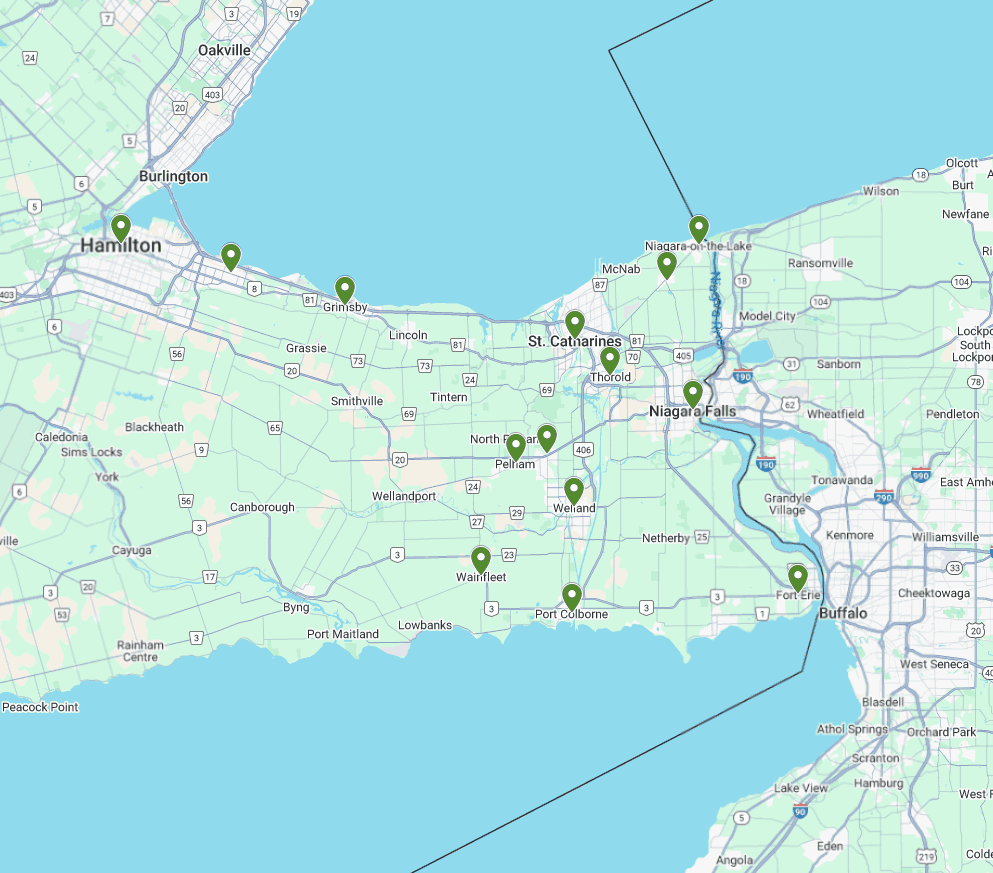
Service Areas
Our service areas encompass a wide range of locations, ensuring that we can meet the needs of our clients wherever they are. From bustling urban centers to serene rural landscapes, we are committed to providing top-notch services tailored to each unique environment.